How a Burmese’s Eye Color Is Judged
It can be incredibly disheartening when you bring home a beautiful Burmese kitten, only to learn later that its stunning eyes might not meet the breed standard, or worse, that a slight deviation could signal something a judge might fault. The eye color of a Burmese is one of its most captivating features, a vivid gold or yellow that mesmerizes, and understanding what makes this trait so special, and how it’s judged, is key to truly appreciating this wonderful feline. This guide will walk you through everything you need to know about the Burmese's remarkable eyes, from their ideal hue to what can cause them to deviate.
The Unique Gaze of the Burmese: Why Eye Color Matters
The eyes of a Burmese are often the first thing people notice, glittering jewels set in a compact, muscular face. For enthusiasts and breeders, this eye color isn't just about beauty; it's a hallmark of the breed's identity and a critical component of its adherence to the established standards. The depth and brilliance of a Burmese's eyes contribute significantly to its overall expression, often described as soulful and intelligent.
The Burmese Standard for Eye Color
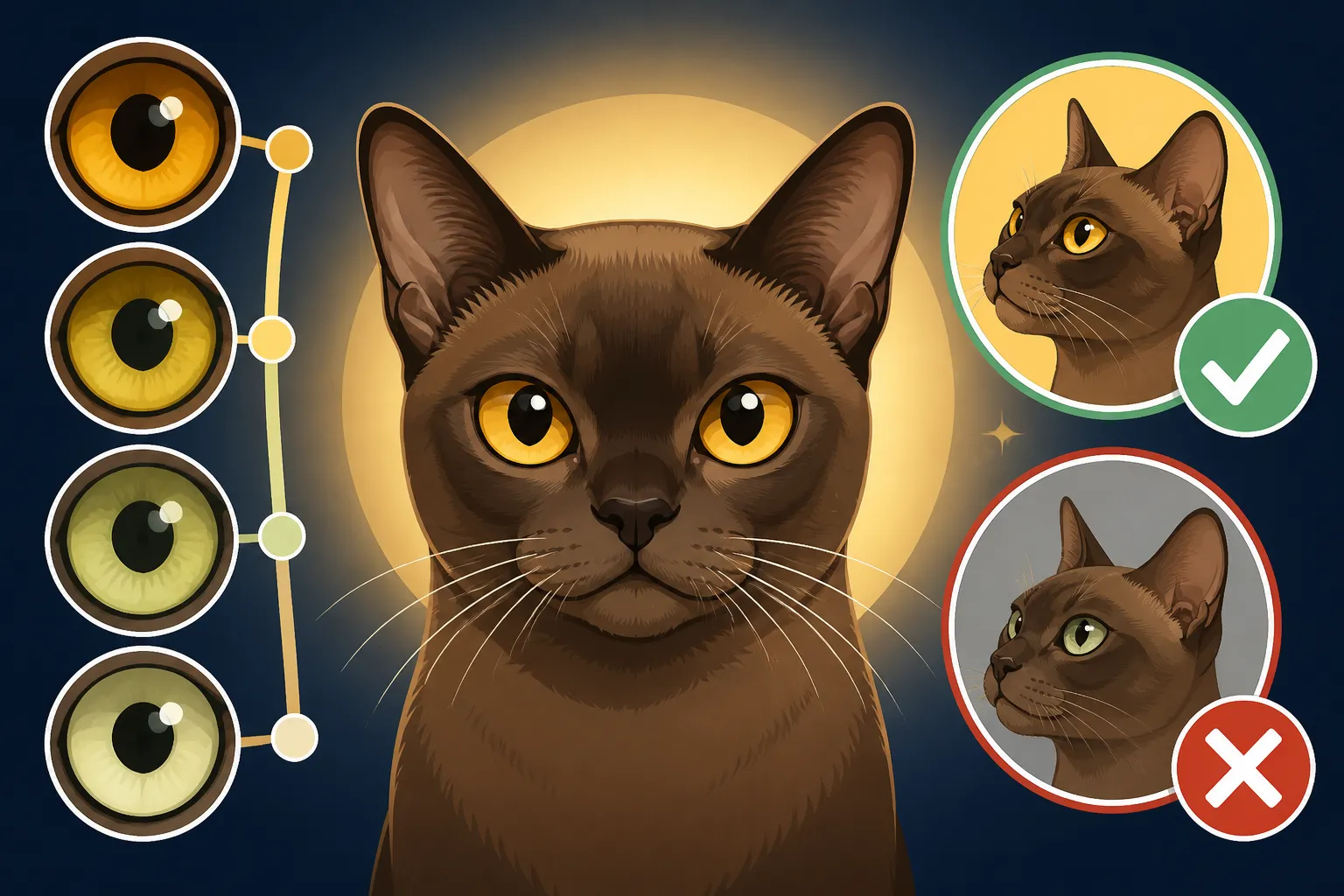
When we talk about "the standard," we're referring to the detailed written descriptions that cat associations like the Cat Fanciers' Association (CFA) or The International Cat Association (TICA) provide for each recognized breed. For the Burmese, these standards are quite specific about eye color. Typically, they call for shades ranging from brilliant gold to rich yellow. Think of it as the color of a perfect sunset or a ripe lemon – vibrant, clear, and uniform. This isn't a vague guideline; it's a precise expectation that helps define the breed's aesthetic integrity.
The standard doesn't just mention the color, but often the intensity and clarity of that color. A deep, rich gold is usually preferred over a pale, watery yellow. This preference reflects a desire for the most striking and characteristic presentation of the breed. It ensures that the unique warmth and depth associated with the Burmese gaze are consistently upheld.
Why a Green-Eyed Burmese Is Faulted
This might come as a surprise to some, especially since green eyes are absolutely stunning in many other breeds. However, for the Burmese, any hint of green in the eyes is considered a definite fault in the show ring. It's explicitly stated in many breed standards, highlighting that this color deviates significantly from the desired gold or yellow. When a judge looks at a Burmese, they are assessing how closely the cat matches the ideal description, and green eyes simply don't fit that picture. If you're wondering Why a Green Eyed Burmese Is Faulted, it's because it breaks the established genetic and aesthetic pattern for the breed.
The reason for this strict rule goes back to the breed's origins and its genetic makeup. The original Burmese, Wong Mau, carried the unique Burmese color gene (cb), which is responsible for their distinctive rich, warm brown coat and those characteristic golden eyes. Green eyes, or even blue, suggest a different genetic influence, often associated with other breeds, and therefore, it signals a departure from the pure Burmese type. It’s not a judgment on the cat’s health or personality, but purely on its adherence to the breed's visual blueprint.
The Difference Between Eye Color and Eye Shape
While eye color is a prominent feature, it's crucial to remember that it's only one aspect of a Burmese's eyes. Eye shape is equally important in the breed standard and contributes significantly to the overall facial expression. The Burmese is typically described as having large, rounded eyes, set well apart, with an expressive, sweet look. They should not be almond-shaped like a Siamese, nor should they be small or beady. The roundness gives the Burmese that wide-eyed, almost perpetually surprised or innocent look that so many owners adore.
A perfect eye color paired with an incorrect eye shape, or vice-versa, would still be considered a deviation from the ideal. For instance, even if a cat has brilliant gold eyes, if those eyes are too small or too slanted, it won't fully conform to the standard. How a Burmese's Head Is Judged is a complex process that considers the entire facial structure, with eyes playing a central role in framing that iconic sweet expression. It’s about the harmonious combination of all features.
How Burmese Eye Color Develops and Changes
The journey of a Burmese's eye color is quite fascinating, evolving from kittenhood into adulthood. Understanding this process can help new owners set realistic expectations and appreciate the natural progression of their feline companion's beauty. It's not always a static trait, and various factors can influence its final presentation.
Kitten Eye Color vs. Adult Eye Color
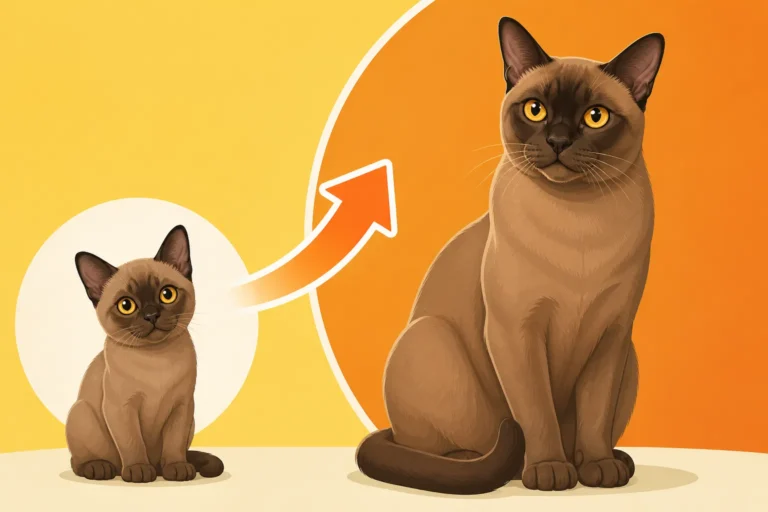
When Burmese kittens are born, like all kittens, their eyes are blue. This "kitten blue" is completely normal and doesn't give any indication of their eventual adult eye color. It's one of the adorable, fleeting stages of kittenhood. Owners often excitedly watch as this baby blue slowly transitions, usually starting around 6-8 weeks of age. This change is gradual, shifting from blue to a muted grey-green, then to a hazel, and finally, hopefully, to that striking gold or yellow.
This transition period can sometimes cause a moment of panic for new owners or even experienced breeders if a kitten's eyes seem to linger on a greenish tint. However, patience is key. The true adult eye color usually isn't fully set until the cat is around one year old, sometimes even later. So, if your young Burmese still has a greenish hue at six months, don't despair; it might still deepen into the desired gold.
Factors Influencing Eye Color Intensity
While genetics lay the groundwork, other factors can subtly influence the intensity and vibrancy of a Burmese's eye color. One of the most common observations is that lighting can make a huge difference. In bright natural light, those golden eyes absolutely sparkle, appearing richer and more brilliant. Indoors, under artificial light, they might seem a bit duller or take on a slightly different hue. This is just an optical illusion, not a change in the cat's actual eye pigment.
Diet and overall health also play a role in a general sense. A healthy, well-nourished Burmese with a glossy coat and clear eyes will naturally present its best features. While diet won't change green eyes to gold, a cat suffering from nutritional deficiencies or chronic illness might have eyes that appear less bright or clear. Ensuring your Burmese is on a high-quality, appropriate diet, perhaps one you can reliably find at a store like Chewy, supports their overall vitality, which in turn contributes to their best appearance.
The Genetic Basis of Burmese Eye Color
The unique eye color of the Burmese is intrinsically linked to the same genes that give them their distinctive coat color. The cb allele, as mentioned earlier, is the partial albino gene responsible for the Burmese coloration, leading to a reduction in pigment production. This gene is dominant to the full-color gene but recessive to the Siamese colorpoint gene. In simple terms, two copies of the cb allele are needed to produce the classic Burmese coat pattern and those beautiful golden to yellow eyes.
This genetic specificity is why the breed standard is so strict. Any deviation in eye color could indicate that the genetic pairing wasn't quite right, or that other genes are influencing the outcome. Breeders are constantly working to maintain the purity of these lines, understanding that the eye color is a direct manifestation of the breed's genetic heritage. Which Diseases the Burmese Actually Carries often delves into the genetic factors that define this breed, and eye color is certainly part of that intricate genetic tapestry.
Judging Criteria: What Judges Look For in Burmese Eyes
For those involved in showing Burmese cats, the judging process for eye color is meticulous. Judges aren't just glancing at the cat; they are making a careful assessment against the strict standards set by the major cat associations. This involves not only identifying the correct color but also evaluating its overall quality and presentation.
Ideal Eye Color: Gold to Yellow
The ideal eye color for a Burmese, as universally recognized, falls within the spectrum of gold to yellow. We're talking about rich, deep hues that are warm and vibrant. Think of a perfect topaz or amber. Judges look for an even distribution of color, without any streaks, cloudy patches, or faded areas. The color should be consistent across both eyes and radiate brilliance. It's a key identifier of the breed, as much as The Four Colors a Burmese Comes In are.
Sometimes, there's a slight preference for a deeper gold over a lighter yellow, but both are generally accepted as long as they are clear and intense. The exact shade might vary slightly between individual cats, but the quality of that shade is paramount. A dull or muddy gold wouldn't be as highly regarded as a brilliant, sparkling yellow, even if the latter is technically a lighter hue.
The Importance of Clarity and Brilliance
Beyond the specific shade, the clarity and brilliance of a Burmese's eyes are heavily weighted in judging. Clarity refers to the absence of cloudiness, haziness, or any film that might obscure the iris. The eyes should look clean and transparent, allowing the richness of the color to shine through unobstructed. Any signs of tearing or crustiness would certainly detract from this, even if the underlying color is perfect. It's why regular cleaning of Why a Burmese's Eyes Weep in the Corners is so important for their overall presentation.
Brilliance, on the other hand, describes the vividness and sparkle of the color. A truly brilliant eye color seems to glow from within, catching the light and drawing you in. It's the difference between a flat, painted yellow and a luminous, living gold. This brilliance often conveys an alert, intelligent, and healthy appearance, which aligns perfectly with the Burmese's reputation for being engaging and active companions. A cat with dull eyes might be seen as less vibrant, regardless of its actual health or personality.
Common Eye Color Faults Beyond Green
While green eyes are the most severe fault, there are other nuances in eye color that judges will note as less than ideal. For instance, eyes that are too pale or watery in color, lacking the richness expected of a Burmese, can be considered a fault. A light yellow is acceptable if it's brilliant, but a washed-out yellow that lacks depth is not. Similarly, eyes that lean towards an orange or amber hue, rather than a true gold or yellow, might also be considered a slight departure from the ideal.
Another subtle fault could be a lack of uniformity between the two eyes, known as odd-eyedness, or one eye being a different shade than the other. While rare in Burmese, any such asymmetry would be heavily faulted. The standard calls for consistency and balance. Even slight specks of a contrasting color within the iris could be noted. It's all about how perfectly the cat embodies the very specific visual criteria laid out for the breed, ensuring that the distinctive Burmese look is preserved.
Beyond the Show Ring: Eye Health and Appearance
While breed standards focus on aesthetics, as an owner, your primary concern is the health and well-being of your beloved Burmese. Eye health is paramount, and a beautiful eye color is always best appreciated when the eyes themselves are clear, comfortable, and free from issues.
Keeping Burmese Eyes Healthy and Clear
Just like any cat, Burmese can experience minor eye irritations. Their naturally large, round eyes, while beautiful, can sometimes be a bit more prone to dust or environmental allergens. Regularly checking your Burmese's eyes for discharge, redness, or excessive tearing is a good habit. A clean, damp cloth can often be used to gently wipe away any crusting around the corners. For specific issues, a vet might recommend a gentle eye wash or solution. You can often find suitable, cat-safe eye cleaning solutions at pet supply stores, or even on Chewy, which can be a lifesaver for routine care.
It's also important to keep their general environment clean and free from irritants like strong cleaning fumes or excessive dust. Regular grooming, although minimal for the short-coated Burmese, can help prevent loose hairs from irritating the eyes. While the Burmese doesn't typically require extensive grooming, a quick wipe with a chamois cloth or How to Bring Up the Shine on a Burmese's Coat can keep stray hairs from causing issues.
When to Be Concerned About Eye Color Changes
While the transition from kitten blue to adult gold is normal, any sudden or significant change in an adult Burmese's eye color should prompt a veterinary visit. For example, if a cat with brilliant gold eyes suddenly develops cloudiness, a blue haze, or a reddish tint, it could indicate an underlying health problem. Conditions like glaucoma, cataracts, or inflammation (uveitis) can affect the appearance of the eye, sometimes altering how the color is perceived.
Furthermore, a significant change in eye color in an adult could sometimes be a symptom of a systemic illness, although this is less common for color specifically and more for general eye health and clarity. Never assume a change is harmless. A vet can perform a thorough examination, including checking intraocular pressure and looking for signs of infection or injury, to rule out anything serious. Early detection of eye issues can often lead to more successful treatment and prevent long-term damage.
The Affectionate Gaze: Personality Over Perfection
Let's be real, for most of us who adore Burmese cats, their personality shines brighter than any show-ring accolade. A Burmese’s eyes, regardless of whether they are the perfect shade of gold, are windows to their incredibly affectionate and interactive soul. This is a breed that thrives on human companionship, often following you from room to room, demanding attention, and communicating with their unique, raspy vocalizations. Their gaze is often described as intensely loving and expressive, making direct eye contact that few other breeds do.
So, while breed standards are important for preserving the look of the Burmese, don't let a less-than-perfect eye color diminish your appreciation for your individual cat. Their tendency to ride on your shoulder, their playful antics well into old age, and their unwavering loyalty are the traits that truly define them as companions. A Burmese with slightly lighter yellow eyes or even a hint of hazel is still a wonderful, loving pet, and their health and happiness are far more valuable than their adherence to an arbitrary color swatch.
Burmese Eye Color Across Different Types and Breeds
The world of Burmese cats isn't entirely uniform, and even closely related breeds can have distinct differences when it comes to eye color and the standards that govern them. It’s worth exploring these nuances to fully grasp the specificity of the Burmese eye.
American vs. European Burmese Eye Standards
This is where things can get a little interesting and, for some, even a bit confusing! As you might know, How the American and European Burmese Split is a significant point in the breed's history, leading to two distinct types. The American Burmese tends to have a more compact, cobby body and a rounder head, often described as having a "sweet" expression. Their eye standard typically calls for gold to yellow eyes, reinforcing that round, full-faced look.
The European Burmese, on the other hand, often has a slightly more elongated body, a less extreme head shape, and a slightly more oriental appearance, though still distinct from a Siamese. While their eye color standard is also predominantly gold to yellow, there can be subtle differences in the preferred intensity or shade depending on the specific country's interpretation of the standard. Sometimes, European standards might be a tad more flexible regarding the exact shade of yellow-gold, as long as it's brilliant and clear. However, both types would still fault green eyes. This distinction between the types is evident in everything from their build to their facial features, including the subtleties of What an American Burmese's Head Should Look Like versus What a European Burmese's Head Should Look Like.
Burmese Eye Color and Related Breeds (Tonkinese, Bombay)
The Burmese has been instrumental in the development of several other beloved breeds, and their genetic influence on eye color is quite evident. The Tonkinese, for example, is a hybrid of the Burmese and the Siamese. This mix results in a unique color pattern known as mink, and their eye color is a stunning aquamarine – a beautiful blue-green that is highly prized. This is a clear example of how the interaction of the Burmese (gold/yellow eyes) and Siamese (blue eyes) genes creates something entirely new. Understanding How to Tell a Burmese From a Tonkinese often comes down to these distinct eye colors and coat patterns.
Then there's the Bombay, often called a "miniature panther." The Bombay was developed by breeding a Burmese to an American Shorthair. Their defining characteristic is a sleek, black coat and striking copper or gold eyes. Here, the Burmese influence contributes to that rich gold eye color, contrasting beautifully with the deep black fur. Unlike the Burmese, where a range of gold to yellow is accepted, the Bombay often has a strong preference for a deep, rich copper, which perfectly completes its exotic, wild look.
The Spectrum of Eye Colors in Burmese Offspring
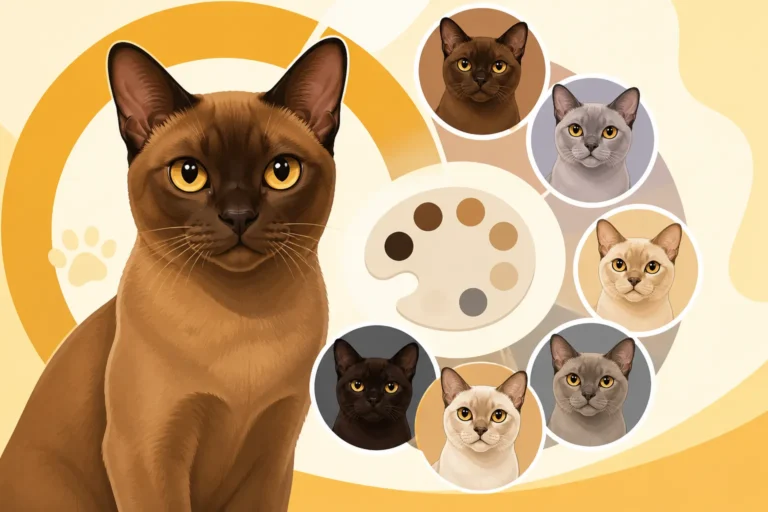
Even within purebred Burmese lines, there can be a spectrum of acceptable eye colors, from a paler lemon-yellow to a deep, rich gold. This variation is normal and part of the natural genetic diversity within the breed, as long as it stays within the defined gold-to-yellow range. Breeders carefully select breeding pairs to produce kittens that consistently meet the standard in all aspects, including eye color.
Sometimes, a breeder might have a cat whose eyes are a lighter shade of yellow but still clear and brilliant. This cat might still be an excellent example of the breed and produce top-quality kittens. Conversely, a cat with very deep gold eyes might also be admired. The emphasis is always on clarity, brilliance, and the absence of faulting colors like green. It’s a delicate balance, and What a Burmese Breeder Must Test Before Any Mating covers the genetic screening that ensures these desirable traits are passed on while avoiding known health issues.
| Eye Color Description | Breed Standard Adherence | Common Faults |
|---|---|---|
| Brilliant Gold | Ideal, highly desired | None |
| Rich Yellow | Acceptable, often preferred | None |
| Pale, Watery Yellow | Acceptable if clear & brilliant, minor fault if dull | Lack of intensity |
| Hazel/Greenish Tint | Major fault, indicates deviation from standard | Any visible green |
| Amber/Orange | Slight departure, less preferred than true gold/yellow | Too red/brown |
| Blue (adult) | Major fault (unless kitten) | Any visible blue |
Disclaimer
This article is for general informational purposes only and does not constitute professional advice. Laws, prices and regulations vary by location and change over time. Consult a qualified professional for guidance on your specific situation.