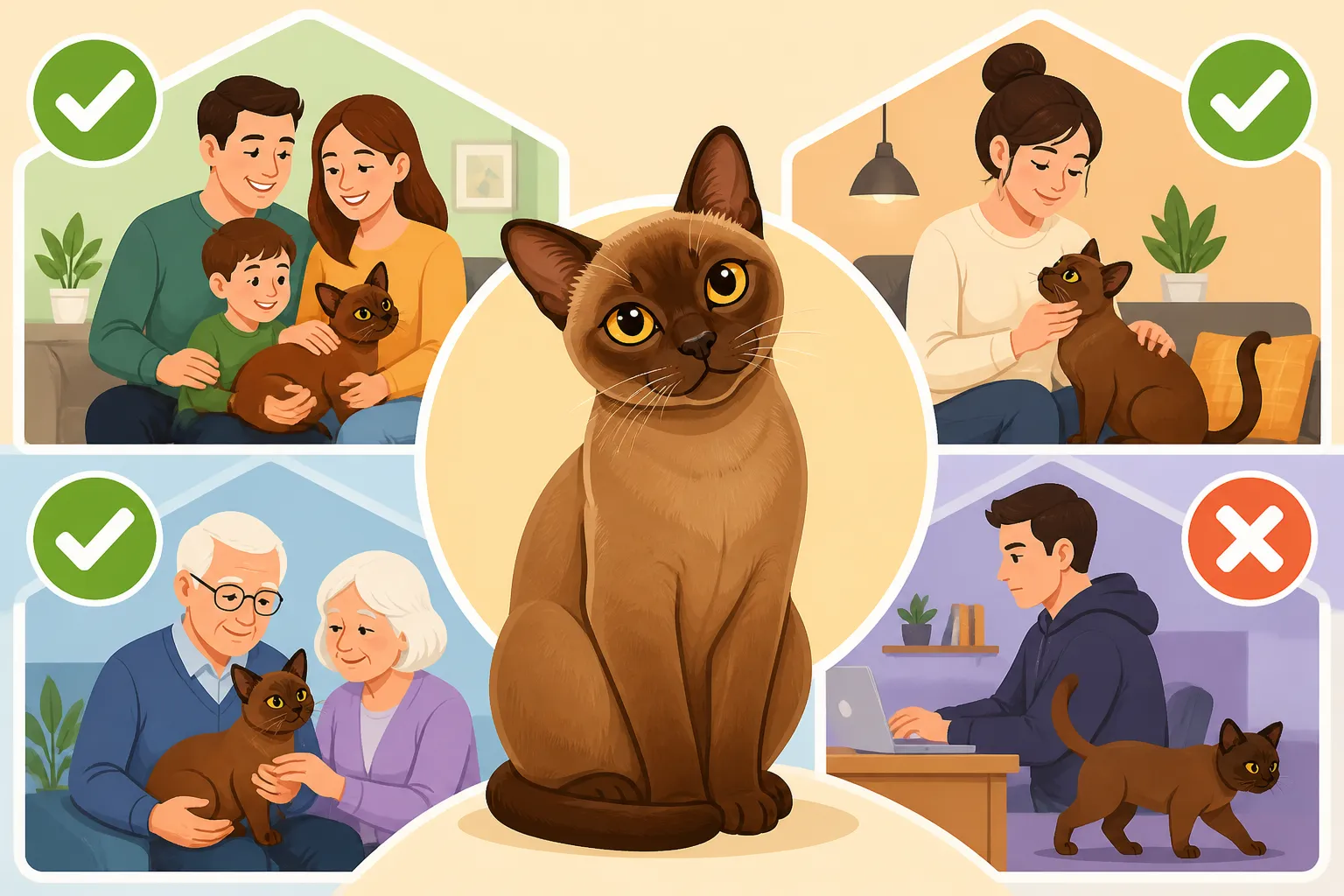
Which Household a Burmese Fits
So many people dream of welcoming a beautiful Burmese cat into their home, drawn in by their stunning looks and affectionate reputation. But here's the honest truth: not every household is the right fit for this incredibly special, highly demanding, and utterly devoted breed. This guide is here to walk you through the unique personality and care requirements of a Burmese, helping you genuinely assess if your lifestyle and home environment are truly ready for the deep commitment a Burmese cat asks for.
Understanding the Burmese Personality: The "Velcro Cat" Phenomenon
If you've heard the term "Velcro cat," then you've already got a glimpse into the Burmese personality. These aren't your aloof, independent felines who tolerate your presence; they actively seek it out, demand it, and thrive on it. Their bond with their humans is intense and unwavering, almost dog-like in its loyalty and constant need for connection. This isn't just a quirky trait; it's a fundamental aspect of their well-being, influencing everything from their behavior to their emotional health. Understanding this core characteristic is the first step in deciding if a Burmese is right for you. They don't just want to be in your home; they want to be on you, with you, and involved in everything you do.
The Need for Constant Companionship
Imagine a shadow that purrs and occasionally head-butts you for attention – that's often what living with a Burmese is like. They possess an almost insatiable need for companionship, constantly seeking out human interaction, whether it's riding on your shoulder as you walk from room to room or burrowing under the covers with you at night. This isn't just about cuddles; it's about feeling connected and secure. A Burmese left alone for extended periods without adequate stimulation or another companion can quickly become distressed. I've seen Burmese cats that become withdrawn, or worse, develop destructive behaviors born purely out of loneliness. Their happiness is directly tied to the amount of loving attention and presence they receive from their family. It’s a profound level of attachment that truly earns them the nickname The Burmese Is the Velcro Cat of the Cat Fancy.
This means if you have a demanding job that keeps you out of the house for eight to ten hours a day, five days a week, a single Burmese cat is likely to suffer. They need that constant presence, the casual touches, the conversations, the simple act of you being there. Picture this: you come home after a long day, and instead of a calm greeting, your Burmese is frantically rubbing against your legs, chirping incessantly, perhaps even chewing on a blanket or scratching furniture it usually ignores. This isn't naughtiness; it's often a desperate plea for the interaction they’ve been craving all day. Their emotional tanks empty quickly, and they rely on you to fill them.
How a Burmese Communicates Its Desire for Attention
Burmese cats are not subtle. They have a distinct and expressive way of communicating their needs, which is largely centered around getting your attention. Unlike the delicate meow of some breeds, a Burmese often uses a deeper, rasping rumble, sometimes described as a throaty murmur or a conversational chirrup. They won't just sit and stare; they'll get right into your personal space. Expect head-nuzzles, persistent purring, and a general air of insistence. If you're sitting, they'll likely be in your lap or on your chest. If you're standing, they might rub against your legs, weave between your feet, or even try to climb onto your shoulder. They're telling you, in no uncertain terms, that they want to be part of what you're doing, whether that's reading a book, working on the computer, or cooking dinner.
Think about a time you've tried to ignore a persistent toddler asking for something – that's the level of dedication a Burmese has to getting your attention. They might follow you from room to room, sit by the bathroom door while you're inside, or perch on the back of your chair just to be close. Their vocalizations are rarely sharp or demanding, but rather an ongoing commentary on their desire for interaction. It's a gentle but relentless presence. This communicative nature, while endearing, can be overwhelming for someone who prefers a more independent pet. They thrive on the dialogue, whether it's a soft rumble in response to your words or a gentle nudge to remind you of their presence. They truly expect to be part of the family chatter and activity.
The Burmese and Your Lifestyle: Time Commitment and Presence
Choosing a Burmese is less about 'owning a cat' and more about 'adopting a furry family member who expects to be at the heart of everything.' Their unique emotional needs directly impact your daily routines and long-term commitments. It's not enough to simply provide food and shelter; you must genuinely integrate them into the fabric of your life. This means thinking critically about your work schedule, your social life, and even your future plans. If your lifestyle is fast-paced, unpredictable, or involves long periods away from home, you might need to reconsider if a Burmese is the right companion for you, or at the very least, adjust your expectations and plan for specific accommodations.
When Daily Routines Clash with Burmese Needs
The Burmese is not a breed that tolerates solitude well. If your daily routine involves leaving the house for a full workday, coming home late, or frequent overnight trips, a Burmese will struggle immensely. They don't just miss you; they can experience genuine What Separation Anxiety Looks Like in a Burmese. This isn't just an inconvenience; it can manifest in destructive behaviors, excessive vocalization, or even self-mutilation like pulling out their own fur, which is often a heartbreaking sign of stress when Why a Lonely Burmese Pulls Its Satin Coat Out. Imagine leaving your house each morning to a frantic meow and coming home to find things knocked over or unusual spraying. These are not signs of a "bad" cat, but a deeply unhappy one yearning for companionship.
A real-life scenario might involve a young couple, both working demanding full-time jobs, who bring home a single Burmese kitten. Initially, the kitten is a joy in the evenings and weekends. However, as it grows, the long quiet hours during the week become a profound source of anxiety. The cat might start clawing at doorframes, vocalizing constantly when left alone, or even refusing to eat until its people return. This isn't a problem that can be fixed with a few extra toys; it's a fundamental mismatch between the cat's inherent need for presence and the owners' unavoidable absence. It drives home the point that How Many Hours Alone a Burmese Tolerates is far fewer than many other breeds.
The Importance of a Multi-Cat Household
Given their profound need for companionship, many experienced Burmese owners and breeders will strongly advocate for acquiring Burmese cats in pairs, or ensuring there's another pet for them to bond with. A second Burmese can provide that crucial constant interaction that a single cat craves, even when you're busy or out of the house. They will play together, groom each other, and simply exist in each other's company, significantly reducing the chances of separation anxiety and boredom. This isn't just about having any other cat; it's about having a companion that can match their playful, sociable energy. Why Burmese Breeders Sell Them in Pairs is a testament to this understanding of the breed's needs.
Consider a single person who works from home but has many meetings or quiet work periods. While they are physically present, their attention isn't always available for a single Burmese. However, if they have two Burmese cats, those two cats will often entertain each other, chasing toys from a brand like Chewy, wrestling, and cuddling together. This means less demand on the human for constant one-on-one play and supervision, fostering a happier, more balanced environment for everyone. It's a symbiotic relationship where the cats provide each other with the social interaction they both require, fulfilling a need that a busy human simply cannot meet 24/7. This doesn't mean you're off the hook for attention, but it certainly buffers the loneliness factor significantly. Why Two Burmese Cost Less Than One Anxious One in terms of stress and potential damage is a very real financial and emotional truth.
Integrating a Burmese into a Family Environment
The Burmese's outgoing and friendly nature makes them excellent family pets, but it's important to set realistic expectations for everyone involved. They don't just tolerate family members; they embrace them, often trying to be involved in every activity. This can be wonderful, but also requires teaching boundaries and ensuring that all interactions are positive and respectful for the cat. Their robust and playful demeanor means they can handle a bustling household, but their sensitive side means they still need a gentle hand and understanding from every member of the family, especially the youngest ones.
Burmese Cats and Children
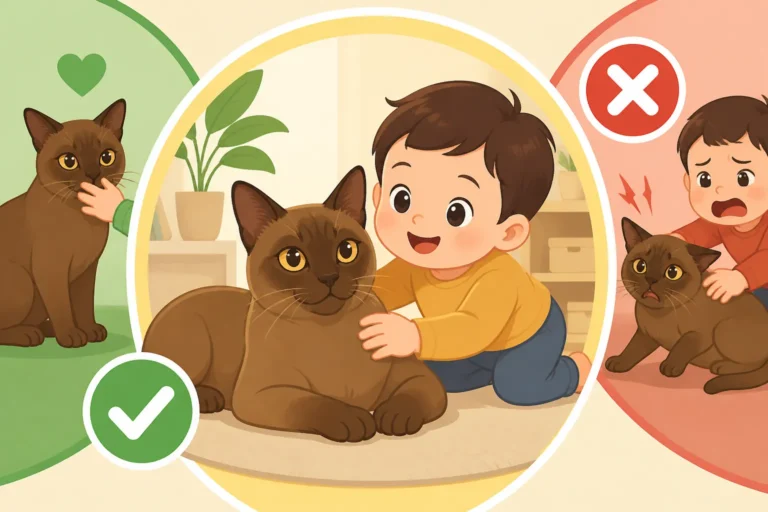
One of the most appealing traits of the Burmese is their remarkable tolerance and affection towards children. Unlike some breeds that might hide away from the noise and unpredictable movements of kids, a Burmese often thrives on it. They see children as more potential playmates and sources of attention, often becoming loyal companions to the younger members of the household. They're generally patient and forgiving, making them a fantastic choice for families with respectful children. Why a Burmese Treats Children and Dogs as More Company really highlights their unique ability to integrate into diverse family dynamics.
However, "tolerant" doesn't mean "invincible." It's crucial to teach children how to interact gently and appropriately with any cat, including a Burmese. No tail pulling, no rough handling, and always supervise interactions, especially with very young children. A Burmese is sturdy and can enjoy a good romp, but even the most good-natured cat has its limits. Establishing clear rules, such as no disturbing the cat while it's eating or sleeping, and demonstrating gentle petting, will ensure a positive relationship for everyone. Imagine a child reading on the sofa, and their Burmese companion curls up right beside them, purring contentedly, occasionally nudging their hand for a stroke. This is the ideal image, and it's achievable with proper guidance and supervision for both child and cat.
Burmese Cats and Other Pets (Dogs, Other Cats)
The Burmese often gets compared to a dog in a cat's body, and this comparison extends to their willingness to get along with other animals. They are typically highly adaptable and gregarious, often forming strong bonds with dogs and other cats in the household. Their social nature means they're usually delighted to have more companions to interact with, chase, and cuddle alongside. This makes them an excellent choice for homes that already have other friendly, social pets. In fact, a good-natured dog can even help fulfill some of that constant companionship a Burmese craves, stepping in when human attention is diverted.
Consider a household with a friendly retriever. Introducing a Burmese kitten might result in the cat and dog becoming fast friends, with the Burmese often seeking out the dog for warmth, play, or simply to nap together. Why a Burmese Curls Up Against a Dog isn't just a cute photo opportunity; it's a genuine testament to their adaptable and affectionate nature. When bringing a new Burmese into a home with existing pets, slow and supervised introductions are key to ensure everyone gets off on the right paw. While they are generally accepting, every animal is an individual, and patience is always a virtue. However, for a social and confident Burmese, a household with another easy-going cat or dog can be an incredibly enriching environment. Which Cats Are Sociable Enough for a Burmese could also be another Burmese, of course!
Living Spaces and Outdoor Access for a Burmese
While the Burmese is robust and active, their living arrangements require careful consideration, particularly regarding their safety and social needs. These are not "outdoor cats" in the traditional sense, and their trusting nature can actually be a significant liability if allowed to roam freely. Their living space needs to be tailored to their energy levels and their desire for interaction, ensuring both their physical and emotional well-being are met. The key is creating an enriching indoor environment that fully satisfies their instincts.
Apartment Living with a Burmese
Good news for urban dwellers! A Burmese cat can absolutely thrive in an apartment or smaller home, provided their needs for interaction and play are met. Their primary requirement isn't vast outdoor space, but rather dedicated human attention and an engaging indoor environment. They are not typically high-climbers who need floor-to-ceiling cat trees (though they will use them!), but they do need plenty of interactive toys, regular play sessions with their human, and comfortable spots to curl up with you. The challenge in apartment living isn't the size of the space, but ensuring the Burmese never feels lonely or bored within it.
Think about someone living in a comfortable one-bedroom apartment. If they are home most evenings and weekends, providing consistent playtime with wand toys from a retailer like Chewy, and have a second Burmese or a very cat-friendly dog, their Burmese will likely be perfectly content. The crucial element is companionship and mental stimulation, not square footage. Interactive puzzle feeders, scratching posts, and cozy napping spots near windows where they can watch the world go by are all important additions. The core takeaway is that an apartment can be an ideal home for a Burmese, as long as it's filled with love, attention, and engagement, ensuring they never feel isolated.
The Dangers of Outdoor Roaming for a Burmese
This is a critical point for any potential Burmese owner: these cats should almost exclusively be indoor pets, or have strictly supervised outdoor access. Their trusting, gregarious nature, which makes them such wonderful companions, also makes them incredibly vulnerable in an unsupervised outdoor environment. A Burmese is unlikely to be wary of strangers, often approaching new people with curiosity and friendliness rather than caution. This makes them easy targets for theft or accidental harm from people who don't understand their nature. Why a Burmese Trusts Strangers Too Much to Roam is a very real danger.
Beyond the risk from humans, their playful demeanor and lack of inherent street smarts mean they are also highly susceptible to traffic accidents, altercations with other territorial animals, or exposure to diseases. Unlike some more independent breeds, a Burmese is more likely to investigate a strange sound or approach an unfamiliar animal rather than fleeing. If you envision a cat that roams freely, a Burmese is not the right fit. A safe, secure "catio" or supervised leash walks in a quiet, contained area can provide some outdoor enrichment without the inherent risks, but leaving them to wander is truly putting them in harm's way. Their safety, and therefore their happiness, relies entirely on responsible indoor containment.
Long-Term Commitment: A Lifetime of Burmese Love
Bringing a Burmese into your life is signing up for a long and incredibly rewarding journey. These cats are known for their impressive longevity and their enduring kitten-like playfulness, often staying active and affectionate well into their senior years. This means you’re looking at a significant time commitment, often The Sixteen to Eighteen Years a Well Bred Burmese Gets. With this longevity comes the responsibility of managing their health, diet, and financial needs over a substantial portion of your life. It's a commitment that requires forethought and preparedness, ensuring you can provide for them through all stages of their life.
Addressing Health Considerations and Lifespan
Burmese cats are generally a robust and healthy breed, but like all purebreds, they do have certain predispositions to specific health conditions that prospective owners should be aware of. Diabetes mellitus is one such condition, and The Burmese Has the Highest Diabetes Rate of Any Cat Breed. This makes careful dietary management and regular veterinary check-ups incredibly important from a young age. Knowing this means prioritizing high-quality, low-carbohydrate food throughout their lives, and being vigilant about their weight and water intake. It's not just about treating illness; it's about proactive prevention.
Other conditions, like Hypokalemia, while less common, are also important to be aware of. Many reputable breeders will have done genetic testing to screen for these conditions, giving you peace of mind. Regular vet visits, potentially more frequent as they age, are non-negotiable. Caring for an elderly Burmese, who might still want to play but needs support for arthritis or kidney function, is a significant responsibility. This long lifespan means preparing for the costs and emotional investment of senior cat care, ensuring their golden years are as comfortable and joyful as their youth.
Financial Planning for a Burmese
Beyond the initial purchase price, a Burmese represents a substantial financial commitment over its lifetime. Their specific dietary needs, particularly given their predisposition to diabetes, often mean investing in higher quality wet food. Products available from pet supply retailers like Chewy might be a regular purchase for their specialized diet, or for enriching toys. Regular veterinary care, including annual check-ups and potentially more frequent screenings for conditions like diabetes as they age, adds up. And, should a Burmese develop a chronic condition like diabetes, the cost of ongoing medication and monitoring can be significant. What a Burmese Costs Over Sixteen Years is a figure that can truly surprise people.
It’s not just about emergency funds; it's about budgeting for their ongoing well-being. Consider the cost of food, litter, routine vet visits, vaccinations, dental care (which Burmese are also prone to needing), and potential medication. Pet insurance can be a wise investment, but it's important to understand what it covers, especially regarding pre-existing conditions like diabetes if you don't get it early. A responsible owner understands that providing a high quality of life for a Burmese means being financially prepared for their needs throughout their long, affectionate journey with you.
Which Household Best Fits a Burmese? A Summary
To bring it all together, here's a quick overview of who a Burmese cat is likely to thrive with, and who might find their needs overwhelming.
| Household Characteristic | Burmese Compatibility | Why It Matters |
|---|---|---|
| Active Presence | Excellent | Needs constant human interaction; prone to separation anxiety. |
| Multi-Pet Home | Excellent (with social pets) | Thrives with companions; will bond with friendly dogs/cats. |
| Families with Children | Excellent (with supervision) | Patient and affectionate, but children need to be taught gentle handling. |
| Single Person (WFH) | Good (if very present) | Can work if the person is consistently home and interactive. |
| Couple (Both WFH) | Excellent | Ample human interaction throughout the day. |
| Couple (Both Away All Day) | Poor (for single Burmese) | Long periods alone cause stress; a pair is a better solution. |
| Apartment Living | Excellent | Focus is on interaction and enrichment, not outdoor space. |
| Outdoor Access (Unsupervised) | Poor | Trusting nature makes them vulnerable to theft, accidents, and disease. |
| Long-Term Commitment | Essential | Lives 16-18+ years, requires consistent care and financial planning. |
| Proactive Health Management | Essential | Prone to diabetes, requires specific diet and regular vet checks. |
This table shows a clear pattern: the more presence, interaction, and stability your household can offer, the happier and healthier your Burmese will be.
Disclaimer
This article is for general informational purposes only and does not constitute professional advice. Laws, prices and regulations vary by location and change over time. Consult a qualified professional for guidance on your specific situation.