How Popular the Burmese Is in CFA Rankings
It can be incredibly frustrating when you're deeply interested in a particular cat breed, like the delightful Burmese, but feel like it flies under the radar compared to some of the more commonly recognized names. You hear about Persians and Maine Coons all the time, but where does our beloved "brick wrapped in silk" stand? This guide is going to peel back the layers of how breed popularity is measured by the Cat Fanciers' Association (CFA) and shine a light on where the Burmese truly ranks and why, giving you a clearer picture of its standing in the feline world.
Understanding CFA: The Grand Stage for Feline Breeds
When we talk about the official "popularity" of a cat breed, especially in North America, we're almost always referring to its standing within the Cat Fanciers' Association, or CFA. Think of CFA as one of the oldest and most respected authorities in the cat fancy, setting the standards for what makes a breed distinct and recognizing those that adhere to strict criteria. It’s where pedigrees are registered, where championship shows happen, and where a breed truly gains its official recognition and prestige.
What is the Cat Fanciers' Association CFA?
The CFA isn't just a club; it's a huge organization dedicated to promoting the welfare of all cats and the preservation of pedigreed cats. Founded way back in 1906, it’s the world's largest registry of pedigreed cats. When you see a cat at a show with ribbons and rosettes, chances are it's competing under CFA rules and standards. For a breed to even be ranked, it first has to be recognized by CFA, which is a rigorous process involving proving genetic stability, a consistent breed standard, and a sufficient number of cats and breeders to support it. This is the place where you can find out When CFA First Recognized the Burmese. They play a crucial role in maintaining breed integrity and educating the public about different cat breeds. Without them, the "cat fancy" as we know it would look very different indeed.
How CFA Ranks Cat Breeds
CFA's rankings are primarily based on the number of individual cats of a particular breed that are registered with the organization each year. It’s a straightforward numbers game: the more kittens and cats registered, the higher the breed climbs on the popularity list. This isn't necessarily a measure of how many people know about a breed, or even how many would want one if they did, but rather how many are actively being bred and registered by participating breeders. These rankings are published annually and are a hotly anticipated event for breeders and enthusiasts alike, offering a snapshot of the current trends in the pedigreed cat world. It's a way for breeders to gauge interest and for potential owners to see which breeds are most actively supported by the fancy.
The Burmese's Journey Through CFA History
The Burmese has a fascinating and sometimes challenging history with the CFA, marked by periods of immense popularity, controversy, and ultimately, enduring recognition. Its journey reflects the dedication of its early proponents and the unique characteristics that set it apart.
Early Recognition and Initial Enthusiasm
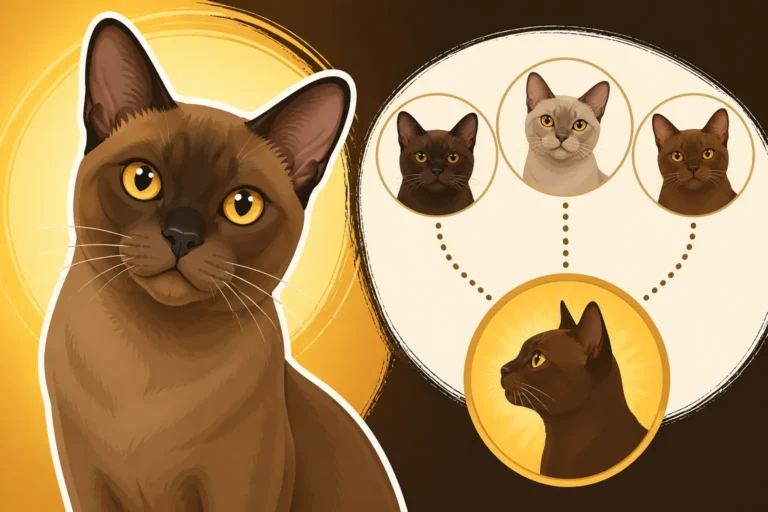
The Burmese entered the American cat fancy in the 1930s with the arrival of Wong Mau, the foundational cat. Dr. Joseph Thompson, who brought Wong Mau to the US, meticulously began a breeding program to understand her unique characteristics. CFA recognized the Burmese in 1936, a testament to the breed's immediate appeal and the clear distinction it offered from its Siamese relatives. Early on, the Burmese quickly garnered attention for its striking sable coat, muscular build, and incredibly affectionate personality. It offered something truly new and exciting to the cat world, a cat that combined the vocal charm of the Siamese with a softer, less extreme appearance and a profound desire for human companionship. People were captivated by the idea of The Burmese Began With One Cat Called Wong Mau and how much What the First Burmese Litter Told Thompson.
The Period of Suspension and Reinstatement
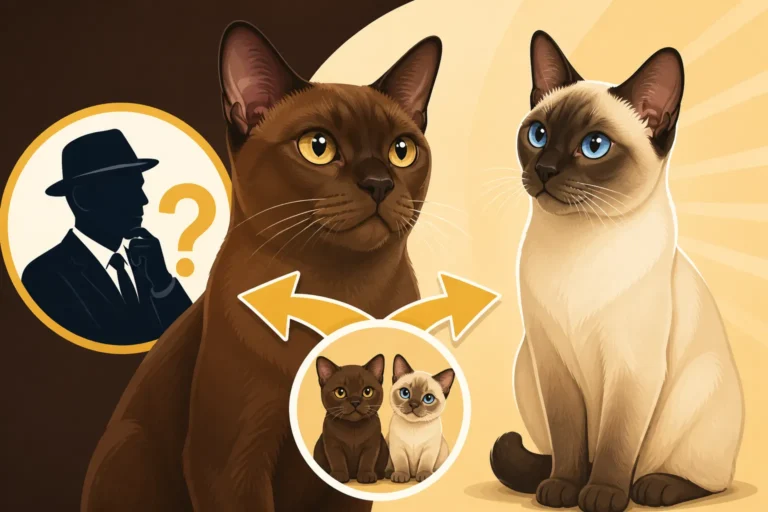
Despite its initial success, the Burmese faced a significant hurdle with CFA. In 1947, CFA suspended registration for the breed. This wasn't due to any inherent flaw in the Burmese itself, but rather a concern about widespread outcrossing to Siamese cats, which blurred the lines between the two breeds and diluted the distinct Burmese standard. Many cats were being registered as Burmese that didn't truly meet the evolving breed criteria, especially regarding color and body type. It caused a great deal of distress among dedicated Burmese breeders who had worked so hard to establish the breed.
To rectify this, CFA set strict guidelines for reinstatement, requiring that only Burmese cats with three generations of pure Burmese ancestry could be registered. This tough stance was crucial for solidifying the breed's genetic identity and ensuring future generations met the true Burmese standard. By 1956, sufficient progress had been made, and CFA reinstated the Burmese for championship status. This period, though difficult, was ultimately vital for the breed's long-term health and integrity, ensuring that the Burmese we know today is a true representation of its unique lineage. You can learn more about Why CFA Suspended Burmese Registration and What CFA Required Before Reinstating the Burmese.
The Split Between American and European Burmese in CFA
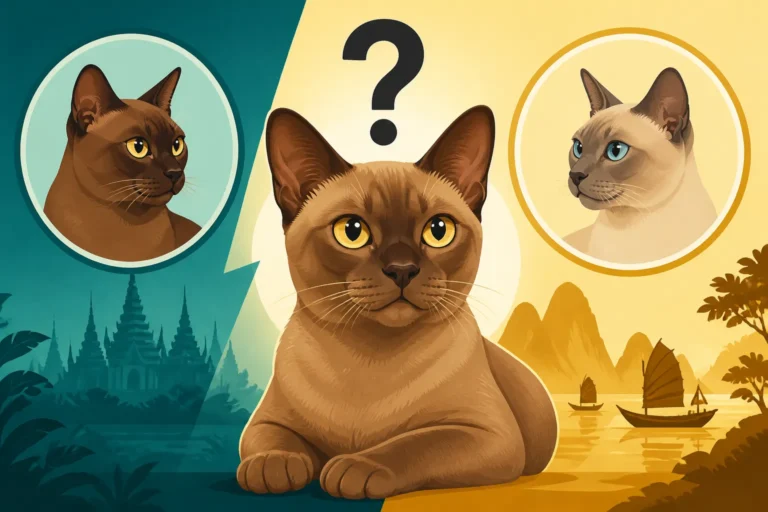
One of the most defining aspects of the Burmese's presence in CFA rankings, and indeed its global recognition, is the divergence into two distinct types: the American Burmese and the European Burmese. This split, which largely occurred after World War II due to differing breeding goals and available gene pools in different regions, significantly impacts how the breed is viewed and registered. The American Burmese maintained the more compact, cobby body and rounded head that was originally favored. The European Burmese, on the other hand, developed a more elegant, moderate body type with a wedge-shaped head and wider-set ears.
CFA primarily recognizes and ranks the American Burmese. While some other registries acknowledge the European Burmese as a separate breed or distinct type, CFA's main "Burmese" rankings are generally for the American standard. This means that if you're looking at CFA's popularity lists, you're usually seeing the standing of the American Burmese. This distinction is crucial because it affects the total number of registered cats and therefore its overall ranking. Breeders of European Burmese lines in North America often register with other organizations like TICA, or face challenges showing under CFA's singular Burmese standard. Understanding How the American and European Burmese Split is key to appreciating the breed's broader landscape.
Decoding the Burmese's Popularity in Current CFA Rankings
So, where does our cherished Burmese typically land on the CFA popularity charts these days? It's not usually at the very top, but its consistent presence speaks volumes about its enduring appeal.
Where the Burmese Typically Stands
The Burmese generally hovers in the top 10 to 20 most popular breeds in CFA rankings. While it might not consistently claim a top 5 spot like the Maine Coon or Ragdoll, it consistently maintains a respectable position year after year. This isn't to say it's unpopular; far from it. It suggests a dedicated base of breeders and enthusiasts who cherish the breed for its unique qualities rather than its sheer numbers. For many Burmese devotees, this moderate popularity is actually a good thing. It helps ensure that breeding remains responsible, focusing on health and temperament rather than mass production for trends.
It's a breed that has a loyal following, and those who fall for the Burmese often become lifetime admirers. The numbers reflect a stable, well-loved breed that isn't prone to huge fluctuations based on fads, but rather sustained appreciation. Think of it as a perennial favorite, not always in the spotlight, but always present and cherished by its community.
Factors Influencing Its Ranking: Personality and Presence
The Burmese's ranking isn't just about registration numbers; it's deeply tied to the breed's intrinsic qualities. The Burmese is renowned for its dog-like personality, often described as a "dog in a cat's body." They are incredibly affectionate, social, and crave interaction, often following their humans from room to room. This "Velcro cat" trait is a huge draw for many, but it also means they are not a breed for someone who is rarely home. This specific need for companionship, explored further in Why a Burmese Cannot Be Left Alone All Day, might limit the pool of potential owners compared to more independent breeds.
Furthermore, while their sleek, satin-like coat is low-maintenance, their energetic and playful nature means they require significant engagement. They are also known for their distinct, rasping voice, which is less of a meow and more of a conversational rumble. These unique traits make them utterly charming to their fans, but perhaps not universally appealing to every cat owner. The breed's unique blend of high affection, intelligence, and playful energy truly sets it apart. They're also known to be quite sturdy and muscular, making them feel heavier than they look, earning them the nickname "brick wrapped in silk."
How Breed Numbers Translate to Popularity
It's tempting to equate high registration numbers directly with "best" or "most desirable," but for many breeds, including the Burmese, popularity isn't solely about quantity. The numbers reflect the active breeding programs and the number of kittens being placed in homes. A breed with a smaller, but consistent, number of registrations might indicate a careful, ethical breeding community that prioritizes health and adherence to the breed standard over sheer volume.
For a breed like the Burmese, whose health can be impacted by conditions like diabetes (as explored in Why a Burmese Is Four Times More Likely to Become Diabetic), responsible breeding is paramount. A lower, stable ranking might actually be a sign of a healthier breed in the long run. If a breed suddenly skyrockets in popularity, it can unfortunately attract less scrupulous breeders who prioritize profit over health and temperament, leading to a decline in overall breed quality. The Burmese's consistent presence suggests a balance between demand and responsible supply. Also, the availability of high-quality, specialized food for breeds with specific needs, which you can often find through retailers like Chewy, helps maintain the health and vigor of a breed, indirectly contributing to its sustained appeal.
| Ranking Factor | High Popularity Breeds (e.g., Maine Coon) | Moderate Popularity Breeds (e.g., Burmese) |
|---|---|---|
| Registration Volume | Very High | Consistent, Moderate |
| Breeder Availability | Widespread | Dedicated, Niche |
| Adaptability to Lifestyles | High (can tolerate more independence) | Moderate (requires significant interaction) |
| Physical Distinctiveness | Often visually striking (size, fur) | Unique, but less "flashy" to the uninitiated |
| Temperament | Generally amenable, varied | Highly social, dog-like, velcro |
| Maintenance | Varies | Low coat maintenance, high social needs |
| Health Considerations | Varies widely | Known predispositions (e.g., diabetes, hypokalemia) |
Comparing the Burmese to Other Top-Ranking Breeds
The landscape of CFA rankings is diverse, with a fascinating array of feline personalities. Understanding why some breeds consistently top the charts compared to the Burmese helps us appreciate the Burmese's unique place.
Why Some Breeds Consistently Outrank the Burmese
When you look at the top-ranked breeds in CFA, you'll often see names like the Ragdoll, Maine Coon, and Exotic Shorthair. These breeds often have characteristics that appeal to a very broad audience. For instance, the Ragdoll is known for its docile nature and striking appearance, often going limp in your arms, making it seem very easygoing for many lifestyles. The Maine Coon, with its impressive size and shaggy coat, has a wild, majestic look combined with a gentle temperament, appealing to those who want a large, friendly companion. The Exotic Shorthair offers the squishy face of a Persian without the high-maintenance long coat.
These breeds often have a more "mainstream" appeal in terms of appearance or perceived care requirements. While the Burmese is incredibly affectionate, its intense need for companionship and its powerful voice can sometimes be a surprise to first-time owners who are used to more aloof cats. The specific needs and strong personality of a Burmese, while cherished by its owners, might be a factor in its steady but not overwhelmingly high ranking. It’s not that the Burmese is any less wonderful; it's simply a more specific kind of wonderful that caters to a particular set of preferences and household dynamics. Many pet product brands, including Chewy, cater to a wide array of cat breeds, acknowledging the diverse needs and preferences across the cat fancy.
The Burmese Niche: Quality Over Sheer Quantity
For Burmese enthusiasts, the breed’s position in the rankings is less about being number one and more about maintaining its distinct identity and exceptional qualities. Breeders often prioritize temperament, health, and adherence to the breed standard, which can sometimes mean smaller, more carefully planned litters. This focus on quality over sheer quantity helps preserve the breed's integrity. For instance, a responsible Burmese breeder will conduct specific DNA tests, like for Hypokalemia, which is a key part of What a Burmese Breeder Must Test Before Any Mating. These meticulous practices contribute to a healthier breed, even if it means fewer registrations overall compared to breeds with less stringent health screening protocols.
The Burmese thrives in homes where it can be the center of attention or have a feline companion, often leading breeders to recommend buying them in pairs. This commitment to placing kittens in the right homes, rather than just any home, ensures that Burmese cats live fulfilling lives and that the breed's reputation for deep affection and playful intelligence is upheld. The dedication of Burmese breeders to these principles means the breed continues to produce healthy, well-socialized, and truly remarkable cats, even if they don't always top the national popularity charts.
The Enduring Appeal of the Burmese: Beyond the Numbers
While rankings provide a snapshot, they don't tell the whole story of a breed's true value and the deep affection it inspires. The Burmese has an undeniable, enduring appeal that transcends mere numbers.
The Uniqueness That Keeps Burmese Lovers Loyal
There’s a reason why, once you’ve owned a Burmese, it’s hard to imagine life without one. They are truly one of a kind. Their "velcro" personality isn't just a quirky trait; it's a deep, unwavering devotion that manifests in them constantly seeking out your presence. They will ride on your shoulder, snuggle under the duvet, and greet you at the door with an excited rumble that makes you feel like the most important person in the world. This level of engagement and affection is unparalleled for many cat owners. Why a Burmese Rides on Your Shoulder isn't just a cute habit; it's a profound expression of their need for closeness.
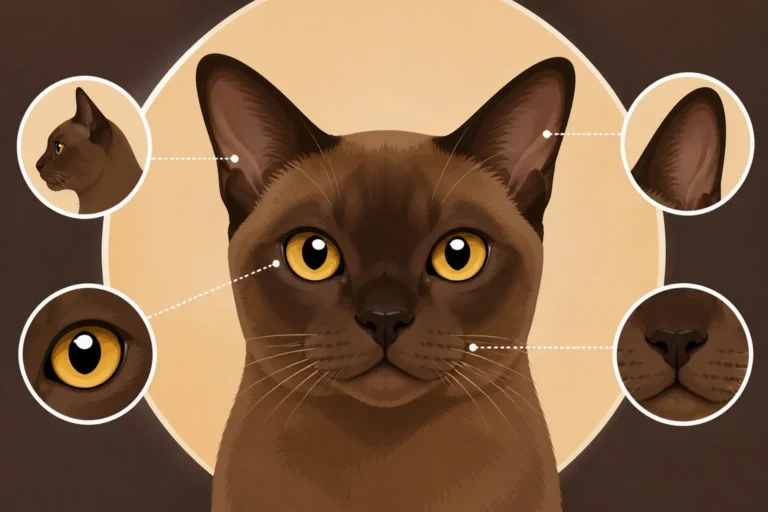
Beyond their personality, their physical traits are also distinctive. The rich, satin-like coat that requires minimal grooming, their surprisingly muscular "brick wrapped in silk" body, and their expressive golden eyes are all part of their undeniable charm. They retain a playful, kittenish demeanor well into old age, keeping their families entertained for years. These are not cats that simply coexist; they integrate themselves fully into your life, becoming an indispensable part of the family. This unique combination of beauty, intelligence, and unwavering affection is what cultivates such fierce loyalty among Burmese owners, leading many to say, "Once a Burmese owner, always a Burmese owner."
Finding a Burmese: Breeder Availability and Demand
Given its moderate popularity in CFA rankings, finding a Burmese kitten or adult cat might require a bit more patience and research than finding, say, a common domestic shorthair. Reputable Burmese breeders tend to have waitlists, as they prioritize responsible breeding practices and careful placement of their kittens. They are often deeply invested in the health and temperament of their lines, performing health screenings like those detailed in Which Tests Belong on a Burmese DNA Panel, and ensuring their kittens are well-socialized before going to their new homes.
However, the demand for Burmese cats remains consistent, driven by those who specifically seek out their unique personality. It's not a breed that people typically stumble upon; rather, prospective owners usually do their homework and are actively looking for the specific traits the Burmese offers. This dedicated demand, combined with the efforts of responsible breeders, ensures the breed's continued presence and health within the cat fancy. You might not find a Burmese kitten on every street corner, but with a bit of dedication, you'll discover a loyal and loving companion that will enrich your life for years to come. In your search, remember that many breeders might recommend high-quality food brands found on sites like Chewy to ensure the best start for your new family member, emphasizing nutrition as a key component of their health and longevity.
Disclaimer
This article is for general informational purposes only and does not constitute professional advice. Laws, prices and regulations vary by location and change over time. Consult a qualified professional for guidance on your specific situation.