Why a Burmese Curls Up Against a Dog
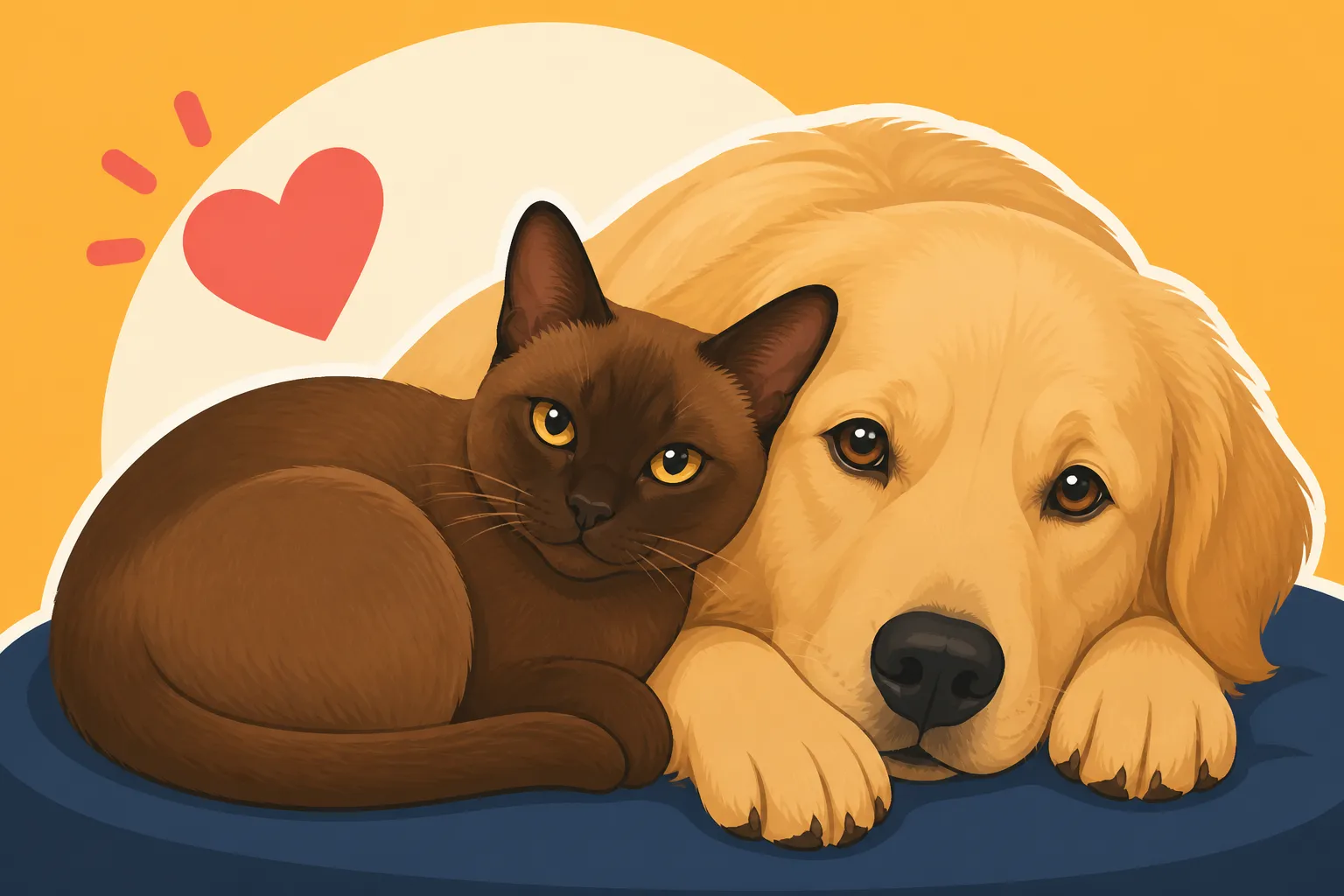
If you've ever walked into a room to find your sleek, satin-coated Burmese nestled up to your furry canine companion, you're not alone! It might seem like an odd couple to some, a cat snuggled into a dog, but for Burmese owners, it's a wonderfully common sight. This guide is all about exploring the fascinating reasons behind this unique bond and helping you understand why your Burmese treasures the warmth and presence of your family dog.
The Burmese: A Dog in a Cat's Body (Especially When It Comes to Snuggles)
It's a common saying among Burmese enthusiasts that these cats are practically "dogs in a cat's body," and nowhere is this more evident than in their unwavering need for companionship and affection. While many cat breeds are known for their independent streaks, the Burmese bucks that trend entirely. They thrive on interaction, touch, and being an integral part of their family unit, whether that family includes humans, other cats, or, yes, even dogs.
Their emotional needs are profound; a Burmese isn't content to simply co-exist with you. They want to be with you, on you, under the covers with you, following you from room to room. This constant desire for closeness extends beyond their human family members to any warm, comforting body available, which often leads them right to the dog bed. They aren't just tolerating the dog; they are actively seeking out that physical connection.
Their Innate Need for Company
The Burmese cat is perhaps one of the most people-oriented cat breeds you'll ever encounter. They crave attention and social interaction to an almost dog-like degree, often greeting you at the door with a distinctive, rasping rumble and following you from room to room. This isn't just a quirky trait; it's a fundamental aspect of their well-being. Leaving a Burmese alone for extended periods isn't just inconvenient; it can be detrimental to their mental and emotional health. Many owners quickly realize that Why a Burmese Cannot Be Left Alone All Day is a critical consideration for the breed. They simply don't do well in solitude.
This intense need for company often manifests as a search for any available warm body. If their human isn't available for a cuddle, they'll seek out the next best thing: another pet. Dogs, with their generally relaxed demeanour and often larger, warmer bodies, make prime candidates for a Burmese's affection. It’s not about asserting dominance or merely tolerating; it's about fulfilling that deep-seated need for physical closeness and reassurance. When you see your Burmese curled up with the dog, it’s a sign that they feel secure and content within their family unit, drawing comfort from their chosen companion. This bond can actually reduce instances of What Separation Anxiety Looks Like in a Burmese if you have to be away for a few hours.
Seeking Warmth and Comfort
Beyond the emotional need for companionship, there’s a very practical reason your Burmese might choose to snuggle up with your dog: warmth. The Burmese cat has a uniquely short, fine coat that feels like satin but offers very little insulation. Unlike some breeds with thick undercoats, the Burmese is quite susceptible to feeling the cold. You'll often find them seeking out the warmest spots in the house, whether that's a sunbeam, a radiator, or, most commonly, a warm lap. This is why Why a Short Coated Burmese Seeks Body Heat is such a common behavior for them.
A dog, especially a larger one, provides an excellent source of natural body heat. Think of it as a living, breathing, purring (or, well, rumbling) hot water bottle! Curling up against a dog allows the Burmese to maintain a comfortable body temperature, particularly in cooler rooms or during the colder months. It’s a win-win situation: the Burmese gets warmth and companionship, and the dog often gets a gentle, purring companion. You might notice them especially gravitating towards the dog at night or during naps, finding that cozy spot where they can truly relax into their slumbers, perfectly content and toasty warm. You can even find specially designed self-heating beds on Amazon, but nothing quite beats a living, breathing companion.
Understanding the Burmese's Social Blueprint
The social nature of the Burmese isn't just anecdotal; it's deeply ingrained in their breed characteristics and history. They are renowned for their outgoing personalities and their ability to integrate seamlessly into diverse households, often surprising owners with their ability to befriend species that other cats might typically avoid. Their temperament is a key factor in why they form such strong, often unexpected, bonds.
This breed was developed with human interaction at its core, leading to a cat that actively participates in family life rather than observing from a distance. Their willingness to engage and their adaptable nature make them truly unique companions, and this openness extends far beyond their human counterparts.
The Velcro Cat Phenomenon
The term "Velcro cat" was practically coined for the Burmese. They are famous for their intense attachment to their chosen people, often sticking to them like glue. They will follow you from room to room, demand lap time, and often insist on sleeping in your bed, ideally under the covers. This isn't just a passing fancy; it's a lifelong commitment to being close. If you've ever owned one, you know The Burmese Is the Velcro Cat of the Cat Fancy is not an exaggeration. This overwhelming desire for physical contact means they are always looking for opportunities to connect, and if you're busy, a sleeping dog becomes the next best warm, fuzzy target.
Their affectionate nature isn't limited to a single person; they often spread their love around the entire household. This means that children, other cats, and yes, even dogs, are viewed as extensions of their cherished social circle. They don't just tolerate other pets; they often actively seek them out for play, grooming, and, most importantly, snuggles. This makes them ideal for multi-pet homes, as long as the other pets are equally tolerant of a very "hands-on" feline friend.
A History of Coexistence
The Burmese breed itself has a history that speaks to its adaptability and sociability. Originating from a single cat named Wong Mau brought from Burma to the United States in the 1930s, the breed was developed to embody a sweet, affectionate, and people-loving temperament. From the very beginning, these cats were bred to be companion animals, thriving in close quarters with humans. This foundation helped shape a breed that is naturally trusting and open to forming bonds with a variety of individuals and species.
Unlike some feral-derived breeds that retain a strong independent streak, the Burmese was cultivated for domestic harmony. They learned to navigate complex social structures within human homes, and this inherent flexibility makes them remarkably good at integrating with other household pets. They view the entire household as their "colony" and tend to seek harmony and connection within it. This historical context explains why Why a Burmese Treats Children and Dogs as More Company is so true; it's simply how they've been designed, through selective breeding, to behave within a family unit. Their past has predisposed them to be inclusive rather than exclusive when it comes to companionship.
Why a Dog Becomes a Burmese's Best Friend
It's one thing to say a Burmese is social, but it's another to understand why a dog specifically often becomes their chosen cuddle buddy. The dynamic between a Burmese and a dog can be incredibly special, rooted in complementary temperaments and shared needs. Dogs, particularly those with a calm and tolerant disposition, offer exactly what a Burmese is looking for in a non-human companion.
They provide a stable, warm, and often unthreatening presence, making them perfect partners for a cat that values closeness above all else. This isn't just about sharing a space; it's about forming a genuine, often very affectionate, bond that benefits both animals.
The Canine's Calm Demeanor
One of the main reasons a Burmese will curl up against a dog is the general demeanor of most well-adjusted canines. Many dogs, especially as they mature, have a calm, tolerant nature that perfectly complements the Burmese's affectionate but sometimes insistent personality. They aren't typically as skittish or reactive as some other cat breeds can be, and they offer a stable, comforting presence. Dogs are often happy to lie still for long periods, providing that ideal "warm lump" for a Burmese to snuggle into.
Furthermore, many dogs are naturally less territorial about sleeping spots than other cats can be. A dog is often content to share its bed or a patch of sunlight, which reduces potential friction with a cat that loves to invade personal space. This passive acceptance creates an environment where the Burmese feels safe and welcome to approach and snuggle. You might be surprised at Which Dogs Will Let a Burmese Sleep on Them, as even breeds known for high energy can be remarkably gentle with a Burmese.
Shared Spaces, Shared Comfort
In a multi-pet household, pets often learn to share resources and spaces. For a Burmese, this sharing extends to seeking comfort wherever it's available. If the sunbeam is currently occupied by the dog, a Burmese won't hesitate to join them. If the coziest blanket has a dog already on it, the Burmese will simply make room. This isn't just about convenience; it's about creating a shared sense of comfort and security.
When pets feel secure in their environment, they are more likely to relax and seek out physical closeness with each other. A Burmese sees the dog as a natural part of its territory and its family, and therefore, an acceptable source of warmth and companionship. They might even engage in mutual grooming or playful interactions before settling down for a nap. This integration into shared comfort spaces solidifies their bond, making the dog not just a housemate, but a trusted friend. This deep level of comfort contributes to the remarkable The Sixteen to Eighteen Years a Well Bred Burmese Gets, as a happy and unstressed cat is often a healthier cat.
Navigating Multi-Pet Households with a Burmese
Bringing a Burmese into a home with existing pets, or vice versa, requires thought and preparation, but the rewards are immense. Given their social nature, a multi-pet household can actually be the ideal environment for a Burmese, ensuring they always have company. However, successful integration doesn't happen by accident; it requires patience, careful introductions, and an understanding of both species' needs.
The goal is to foster a harmonious environment where all pets feel safe, loved, and have their social needs met. With a Burmese, this often means facilitating those beautiful, unexpected cross-species friendships.
Introducing a Burmese to a Dog
Introducing any new pet to an existing one should always be done slowly and carefully, but with a Burmese, their naturally outgoing personality can sometimes make the process a bit smoother. The key is to manage initial encounters and provide escape routes for both animals.
Here’s a general approach to introducing your Burmese to a dog:
| Step | Description |
|---|---|
| Scent Swapping | Before they even see each other, allow them to get used to each other's scent. Swap blankets, toys, or even rub a cloth on one and let the other sniff it. This builds familiarity without direct confrontation. |
| Visual with Barrier | Use a baby gate (available on Amazon, great for keeping pets safely separated) or a crate to allow them to see each other without direct interaction. Keep sessions short and positive, offering treats and praise. This helps them associate positive experiences with each other's presence. |
| Supervised, Leashed Intro | Once they seem comfortable, allow supervised, leash-controlled interactions in a neutral territory. Keep the dog leashed and ensure the Burmese has elevated escape routes. Reward calm behavior. |
| Increased Freedom | Gradually increase the time they spend together unsupervised. Always ensure the Burmese has access to high perches and hiding spots. Never force interaction. |
| Patience is Key | Some bonds form quickly, others take weeks or months. Don't rush the process. A calm, consistent approach is crucial for success. |
Remember, the goal is for them to feel safe and comfortable together, not necessarily to become instant best friends. However, with a Burmese, "best friends" is often the delightful outcome! This careful approach also helps to avoid stress, which can sometimes impact a cat's health, linking to topics like Why a Burmese's Glucose Should Be Checked From Seven.
Ensuring Safety and Harmony
Once your Burmese and dog are getting along, maintaining a safe and harmonious environment is paramount. Even the most tolerant dog can accidentally injure a small cat, and a Burmese, while confident, can still be overwhelmed.
- Provide High Spaces: Always ensure your Burmese has access to vertical space. Cat trees, shelves, or even just high furniture offer safe havens where they can observe the dog without feeling threatened or cornered. This is especially important for Why a Burmese Climbs People Rather Than Furniture, as they love high vantage points.
- Separate Resources (Initially): While they might share, ensure they each have their own food bowls, water dishes, litter boxes (especially important as Why a Diabetic Burmese Needs a Bigger Box), and beds. This prevents competition and stress. As they bond, they might choose to share, but the option for personal space should always exist.
- Supervise Meal Times: Burmese cats are notoriously food-motivated, which can sometimes lead to them trying to steal food from the dog. Supervise meal times to prevent this, as a dog can become protective of its food.
- Observe Body Language: Learn to read both your Burmese’s and your dog’s body language. Watch for signs of stress, fear, or aggression, and intervene calmly if needed. A Burmese that stops seeking out company, even the dog's, could be showing early signs of illness, as discussed in Why a Burmese Hides Illness Behind Its Affection.
- Continue Positive Reinforcement: Reward calm and positive interactions between your pets. Praise them, offer treats, and create positive associations with being together.
- Enrichment for Both: Ensure both pets have adequate enrichment. Toys, puzzle feeders (many great options on Amazon), and individual play sessions help burn off energy and reduce boredom, making them more relaxed companions for each other.
By taking these steps, you can help solidify the bond between your Burmese and your dog, creating a loving and peaceful multi-species family.
Beyond Dogs: The Burmese and Other Companions
While the focus here is on their delightful habit of snuggling with dogs, the Burmese's extraordinary sociability isn't exclusive to canines. Their need for companionship extends to other felines and, indeed, can influence how they interact with almost any pet in the household. Understanding this broader spectrum of their social behavior helps paint a complete picture of why they are such sought-after and cherished members of any family. They genuinely thrive on interaction, regardless of the species.
Their adaptable nature means they often view the entire household as their extended family, actively seeking out connections rather than shying away. This makes them incredibly versatile companions, but it also means that their social needs must always be considered when welcoming a Burmese into your life.
What About Other Cats?
It might seem counterintuitive to wonder if a cat known for loving dogs also gets along with other cats, but it's a valid question! The answer is a resounding yes. In fact, many Burmese breeders strongly recommend getting a Burmese in pairs, or ensuring there's another cat at home. This is precisely because of their intense need for companionship, which can be fulfilled beautifully by a feline friend. Why Burmese Breeders Sell Them in Pairs is a common piece of advice because two Burmese often keep each other company, reducing the chances of separation anxiety when humans are away.
A Burmese will often seek out another cat for play, grooming, and, of course, those beloved snuggles. They often form strong, affectionate bonds with other felines, engaging in mutual grooming and sleeping curled up together. The warmth and presence of another cat can be just as comforting as a dog, especially if the other cat shares a similar affectionate temperament. While they may not necessarily need another Burmese, a cat with a similarly outgoing and tolerant personality will usually be welcomed into their inner circle.
Other Household Pets
The Burmese's adaptability often extends to other household pets as well, though careful introductions are always key. While less common than snuggling with dogs or other cats, a Burmese can sometimes form surprising bonds with other animals, from rabbits to birds (though caution is always advised with prey animals). Their generally trusting nature means they are often curious rather than aggressive, though their strong prey drive can still be present, especially with smaller creatures.
The overarching theme is their need for companionship and connection. If a pet is calm, non-threatening, and tolerant of a cat that loves to be close, a Burmese might just make a friend. However, it's always crucial for owners to prioritize the safety and well-being of all animals, ensuring that interactions are supervised and that smaller pets have secure, cat-proof spaces. The Burmese sees the entire household as its domain, and everyone in it as potential family. This isn't just a cat you own; it's a cat that owns a piece of your heart and expects to own a piece of every other heart (and warm body) in the home.
Disclaimer
This article is for general informational purposes only and does not constitute professional advice. Laws, prices and regulations vary by location and change over time. Consult a qualified professional for guidance on your specific situation.