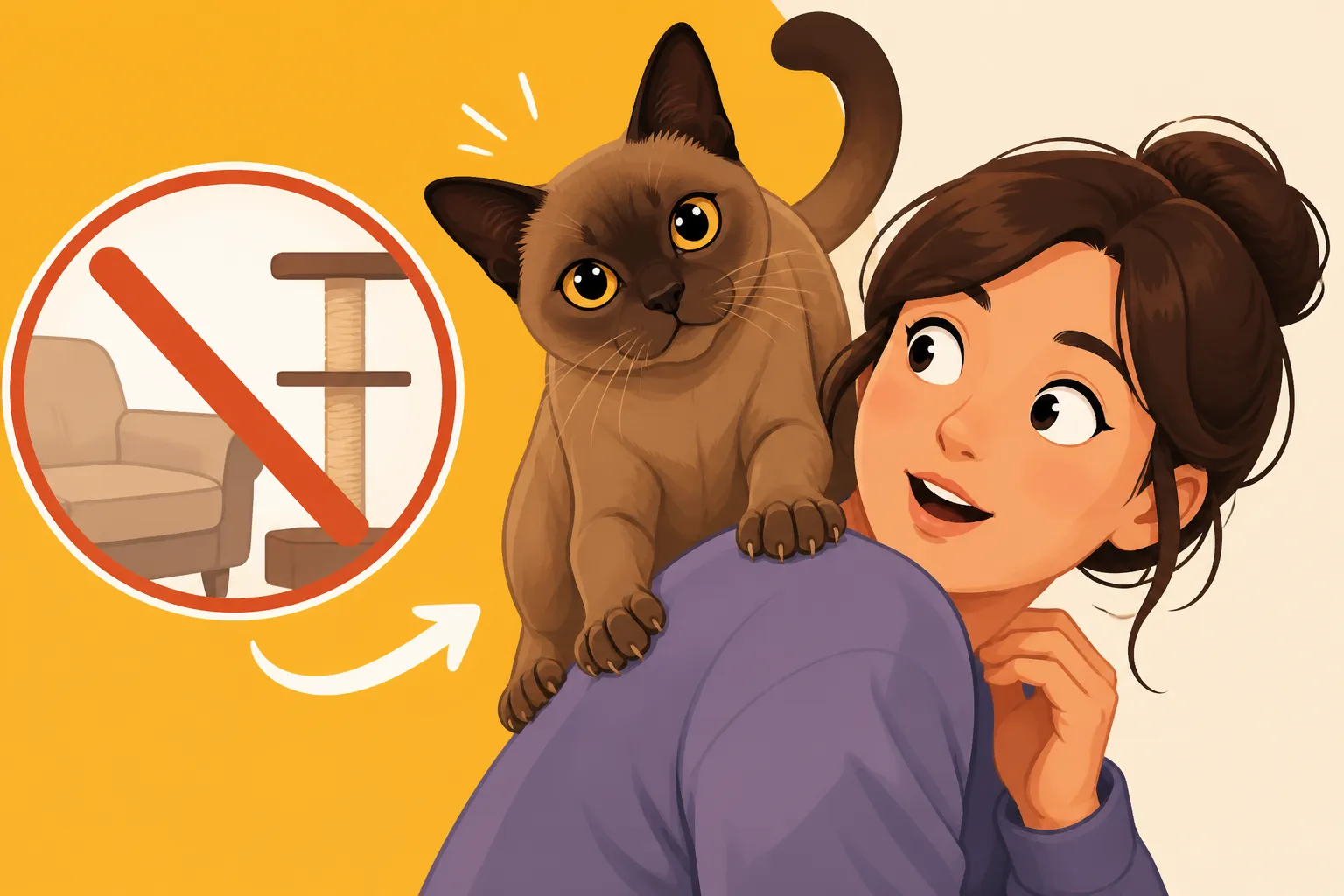
Why a Burmese Climbs People Rather Than Furniture
The frustration of having a cat constantly scaling you like a personal mountain, especially when you have perfectly good cat trees and cozy beds available, is a very real experience for many Burmese cat owners. It's not that they don't appreciate your thoughtfully chosen furniture; it’s just that they prefer you. This guide dives deep into why your Burmese chooses your body over every other surface, exploring the breed's unique traits and offering practical strategies to manage this endearing, yet sometimes inconvenient, behavior.
The Irresistible Lure of the Human Climbing Frame
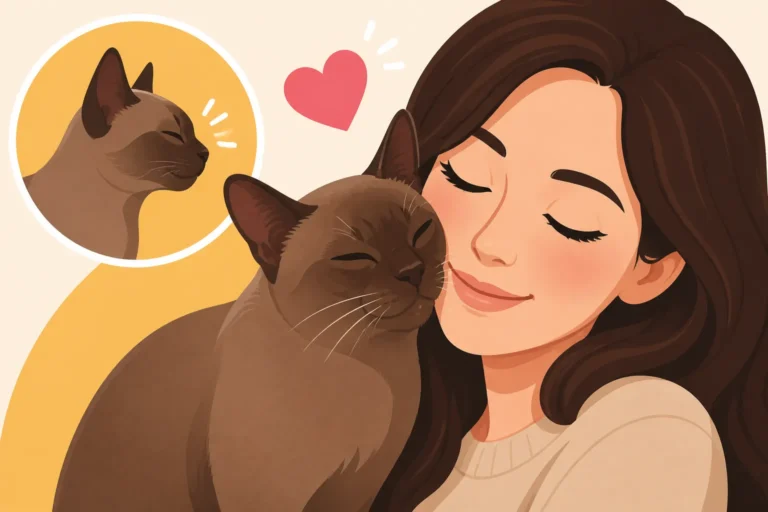
Burmese cats are renowned for their intensely affectionate and people-oriented nature, often earning them the nickname "the Velcro cat." While many cat breeds enjoy a good climb, finding the highest perch in the room to survey their kingdom, a Burmese often takes this vertical ambition to a uniquely human level. They don't just want to be near you; they want to be on you, and often, above you. This isn't a sign of naughtiness or a lack of appreciation for their cat furniture; it’s a deeply ingrained behavioral trait driven by their profound need for warmth, security, and constant engagement. They see you not just as a caregiver, but as the ultimate, mobile, warm, and interactive climbing structure.
Seeking Warmth and Comfort in High Places
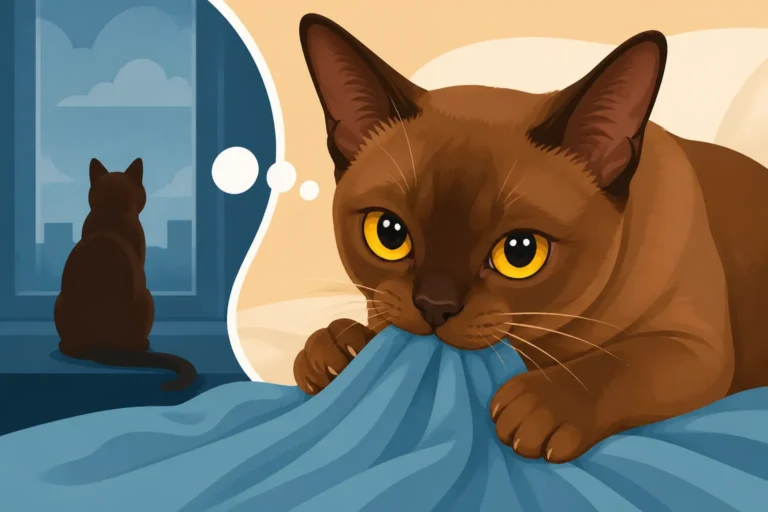
One of the primary reasons your Burmese might prefer to scale you is their physiological need for warmth. Unlike some long-haired breeds with dense undercoats, Burmese cats possess a famously short, sleek, satin-like coat that lies close to their body. This beautiful coat, while requiring How Little a Satin Coated Burmese Sheds, offers less insulation than a fluffier cat's. As a result, Burmese cats are naturally drawn to heat sources, and what's warmer and more comforting than a human body? They will instinctively seek out the warmest person in the room, often using your lap as a stepping stone to your shoulders or even your head. This desire for elevation, combined with their quest for coziness, means you become the perfect, living, breathing, heated perch. Think about how they love to get under the duvet or drape themselves across the back of a chair; it's all about finding that sweet spot of comfort and security.
The Ultimate Form of Attention and Engagement
For a Burmese, climbing you isn't just about finding the warmest, highest spot; it's a profound social statement and a powerful bid for interaction. This breed thrives on companionship and craves constant engagement, making them incredibly communicative with their unique rasping rumbles and insistent body language. When your Burmese climbs you, they are ensuring they are at eye level, part of the conversation, or literally clinging to your every move. This intense desire for connection means they often see your body as the fastest and most effective way to secure your undivided attention. Every time they make the ascent and receive a head scratch, a coo, or even just a brief acknowledgement, the behavior is reinforced. They quickly learn that being on you guarantees they are the center of your universe, at least for a moment, fulfilling their deep-seated need to be involved in everything you do.
Understanding the Burmese's Unique Social Drive
The behavior of a Burmese cat often confounds those accustomed to more aloof feline companions. This breed is often described as having the personality of a "dog in a cat's body" due to their loyalty, trainability, and intense attachment to their human family. This profound social drive is at the heart of their preference for human climbing frames over inanimate objects. They don't just coexist with you; they actively participate in your life, seeking out physical closeness and constant interaction. This isn't just a quirky habit; it’s an intrinsic part of what makes a Burmese, well, a Burmese.
The 'Velcro Cat' Phenomenon
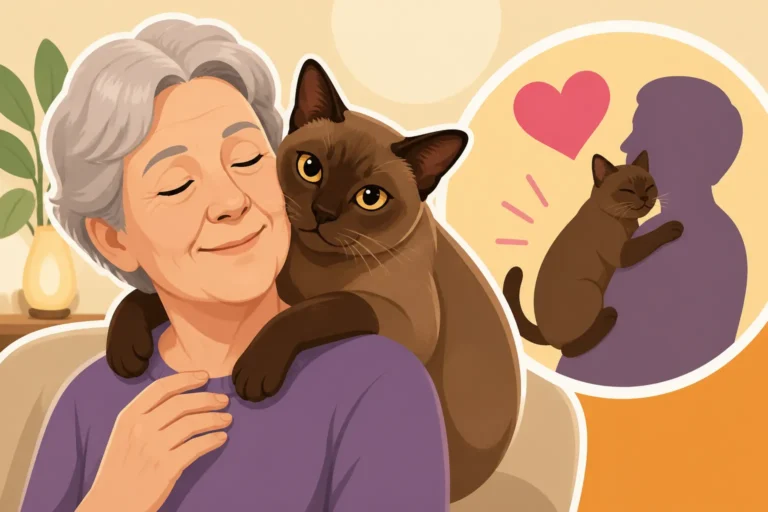
The moniker "Velcro cat" isn't an exaggeration when it comes to the Burmese. They are famous for their inability to let you leave a room without following, often sitting patiently (or not so patiently) by the door. This breed forms incredibly strong bonds with their owners, often attaching most intensely to the person who spends the most time at home. Their desire to be physically close knows few bounds. If you're standing, your shoulder becomes prime real estate. If you're sitting, your lap is merely a necessary stepping stone to a higher, more intimate perch. This isn't naughtiness; it's a demonstration of their intrinsic need for companionship and connection, a core aspect of The Burmese Is the Velcro Cat of the Cat Fancy. They feel safe, secure, and most loved when they are literally attached to you, absorbing your warmth and your attention. This pervasive need for contact means that if you're available, you're the preferred choice over any piece of furniture, no matter how plush.
A Learned Behavior That Gets Rewarded
Let's be honest, many of us initially find a Burmese kitten's determined ascent up our leg incredibly cute and endearing. When a tiny kitten insists on being handled and makes its way to your shoulder, it's hard to resist a cuddle or a smile. This is where the behavior often begins to solidify. Unintentional positive reinforcement, even just a soft word or a brief pet, can teach your Burmese that climbing you yields desirable results. Every time they climb, and you respond with attention, affection, or even just a calm removal to a less desirable spot, they've achieved some level of interaction. This creates a feedback loop: climb human -> get attention/comfort -> repeat. This learned association, combined with their natural inclination, makes your body the go-to climbing surface. It's important to remember that they are not being manipulative; they are simply learning what works to get their needs met, and often, that means climbing you. Even an old Burmese will still want a lap, and they'll get there any way they can.
Redirecting the Human-Climbing Instinct
While the Burmese's desire to be physically close is endearing, constantly being used as a personal climbing frame isn't always practical or comfortable. The good news is that you can manage and redirect this behavior, though given their intense personality, it's unlikely to disappear entirely. The key lies in consistency, understanding their motivations, and providing equally (or more) appealing alternatives. It's about teaching them where to climb and get their needs met, rather than trying to suppress their natural instincts.
Establishing Boundaries Gently But Firmly
The goal isn't to punish your Burmese for being affectionate but to teach them acceptable ways to express that affection and climb. When your cat begins to climb you inappropriately – perhaps digging in claws or getting in the way – gently but consistently remove them. Place them immediately on an approved, comfortable surface nearby, such as a sturdy cat tree, a cozy bed, or even a soft blanket on the sofa. As soon as they are on the alternative surface, reward them instantly with praise, a gentle stroke, or a small, healthy treat.
Use a consistent verbal cue like "off" or "down" as you remove them, so they begin to associate the command with the action of moving to the alternative spot. The key here is consistency; every family member must respond in the same way, every single time. It takes patience, as a Burmese is persistent, but over time, they will learn that desired attention and comfort come when they are on an approved surface, not when they are scaling you. This gentle redirection is much more effective than harsh words or pushing them away, which can simply confuse or upset them.
Maximizing Appealing Vertical Alternatives
Since Burmese cats naturally seek both height and warmth, providing attractive alternatives that meet these needs is paramount. Don't just settle for any old cat tree; invest in one that truly caters to their preferences. Look for models that are:
- Sturdy and Stable: A wobbly cat tree is no match for your stable shoulders. Ensure it won't tip or sway, making it feel secure.
- Tall: They want to be high up. A multi-level cat tree with perches at varying heights, ideally reaching close to ceiling height, is a great option.
- Comfortable: Plush, soft perches are a must. Consider adding extra soft blankets or even a heated cat bed to the top levels to mimic the warmth of your body.
- Strategically Placed: Position cat trees near windows so your Burmese can observe the world outside, providing entertainment and a sense of purpose. A tree near a sunbeam is an added bonus for warmth.
Many reputable pet supply stores and online retailers like Amazon offer a wide array of options, from compact window perches to towering cat condos. You might even consider wall-mounted shelves or "cat highways" to create vertical exploration opportunities without taking up floor space. When considering Whether a Burmese Uses a Cat Tree or Just You, remember that the answer often depends on how appealing and functional you make the furniture.
Here’s a table outlining popular vertical alternatives and their key features:
| Alternative | Key Benefits | Considerations |
|---|---|---|
| Tall Cat Tree | Provides ample vertical space, scratching surfaces, multiple perches for lounging and observation. | Must be extremely sturdy and heavy-based to prevent tipping. Requires floor space. |
| Window Perch | Offers warmth (sunlight), visual stimulation, and a high vantage point to watch outdoor activity. | Space is limited to one or two cats. Suction cups need regular checking for security. |
| Wall-Mounted Shelves | Maximizes vertical space without occupying floor area, creates an interesting "cat highway." | Requires secure installation into wall studs. Aesthetics and safety are important considerations. |
| Heated Cat Bed | Provides irresistible warmth, especially beneficial for cold-sensitive Burmese. | Needs a safe power outlet. Can be placed on existing furniture or dedicated beds. |
| Catio (Outdoor Enclosure) | Safe outdoor exploration, climbing opportunities, fresh air and sun exposure. | Requires construction and secure fencing. May not fully substitute indoor human interaction. |
Enriching Their Environment to Meet Their Needs
A Burmese cat's persistent climbing is often a testament to their intelligence and boundless energy. If their environment isn't stimulating enough, or if their needs for interaction and play aren't being met, they are more likely to seek out those experiences directly from you. By providing a rich, engaging environment that caters to their physical and mental needs, you can reduce the intensity of their human-climbing tendencies, leading to a happier cat and a slightly less scaled owner.
Engaging Play to Burn Off Energy
Daily interactive play sessions are absolutely crucial for a Burmese. This breed stays kittenish well into old age, retaining a playful spirit and a surprising amount of energy. Without adequate outlets for this energy, they can become bored, which often translates into seeking attention in less desirable ways, like climbing you. Schedule at least two to three dedicated playtimes a day, using toys that engage their hunting instincts. Wand toys with feathers, laser pointers (used carefully and always ended with a tangible catch), and interactive puzzle feeders can keep them physically active and mentally stimulated.
Consider rotating toys to keep their interest piqued; a toy that's been put away for a few weeks feels brand new again. Toys that involve chasing, pouncing, and "killing" prey are particularly satisfying for them. You can find many great options for interactive toys on Amazon that encourage solo play when you're busy, as well as those designed for owner-cat interaction. Remember that How a Burmese Divides Its Day Between Lap and Play; a good balance of active play and cuddly downtime will help them feel fulfilled. A tired Burmese is often a content Burmese, less inclined to view you as their next great adventure.
Creating Warm, Elevated Retreats
Given their short coats and natural affinity for warmth, ensuring there are plenty of warm, inviting spots not on your body is essential. These retreats should be both comfortable and elevated, hitting those two key motivators for human climbing.
- Heated Cat Beds: These are a game-changer for many Burmese owners. They provide a constant, gentle warmth that can be incredibly appealing, especially in cooler homes. Place them on sturdy cat trees, window perches, or quiet corners.
- Cozy Blankets and Cat Caves: Soft, fleecy blankets draped over a favorite chair or tucked into a pet bed can provide a warm, burrow-like experience. Many Burmese love the feeling of being enveloped, much like they enjoy getting under the duvet.
- Sunbeams: Position their cat trees or beds where they can catch sunbeams throughout the day. The natural warmth of the sun is a huge draw.
- High Shelves or Platforms: Securely installed, comfortable high shelves, perhaps with a soft mat, can satisfy their desire for elevation without involving your person. Check out Amazon for highly-rated wall shelves designed for cats.
The more appealing and comfortable alternatives you provide, the less they need to use you for their comfort and elevation needs. Remember that a Burmese will instinctively gravitate towards the warmest person in the room (Why a Burmese Sits on the Warmest Person in the Room). By strategically placing these warm, elevated havens around your home, you can gently guide their climbing instincts towards appropriate furniture, while still fully embracing their wonderfully affectionate nature.
Disclaimer
This article is for general informational purposes only and does not constitute professional advice. Laws, prices and regulations vary by location and change over time. Consult a qualified professional for guidance on your specific situation.