Why a Lonely Burmese Chews Fabric
It's incredibly frustrating and upsetting when your beloved Burmese cat starts chewing on fabrics around the house, ruining clothes, blankets, or even furniture. This isn't just a quirky habit; it’s often a clear cry for help, signaling underlying stress, boredom, or a deep-seated feeling of loneliness that needs to be addressed. This guide will delve into why your highly social Burmese might resort to fabric chewing, what it means for their well-being, and how you can effectively intervene to help them feel more secure and fulfilled.
Understanding Fabric Chewing in Burmese Cats
When your sweet, affectionate Burmese starts turning your favorite wool blanket into a tattered mess or gnawing on the corner of a cushion, it can feel perplexing. This behavior, often called pica when an animal consumes non-food items, isn't usually born out of malice. For Burmese cats, it's often a manifestation of emotional distress or a lack of appropriate stimulation.
The Root Cause: Separation Anxiety and Boredom
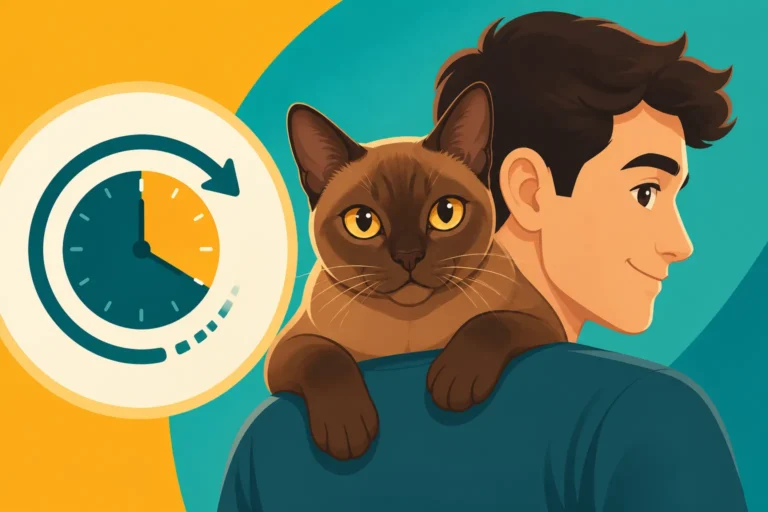
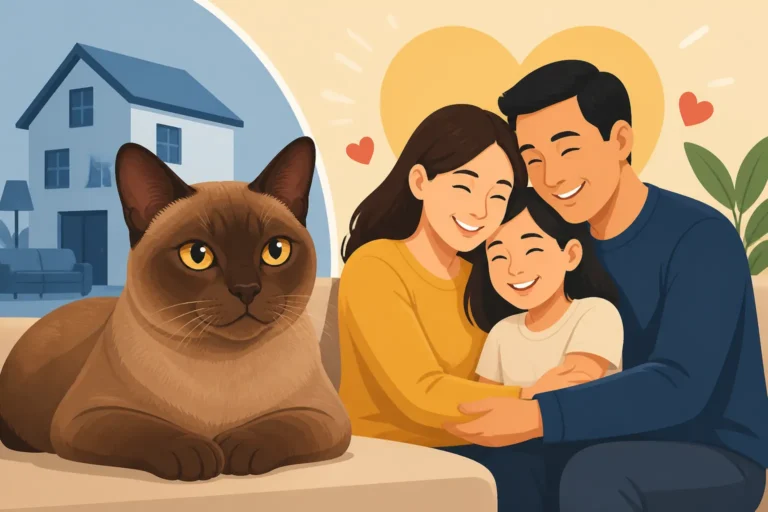
Burmese cats are renowned for their incredibly sociable nature. They are often dubbed "dog-like" or "Velcro cats" because they thrive on constant human interaction and companionship. Unlike many other breeds that are content with an independent existence, a Burmese truly needs to be involved in your daily life. They want to be on your lap, riding your shoulder, or at least in the same room, observing everything you do. The Burmese Is the Velcro Cat of the Cat Fancy is not just a cute saying, it's a fundamental truth about their temperament.
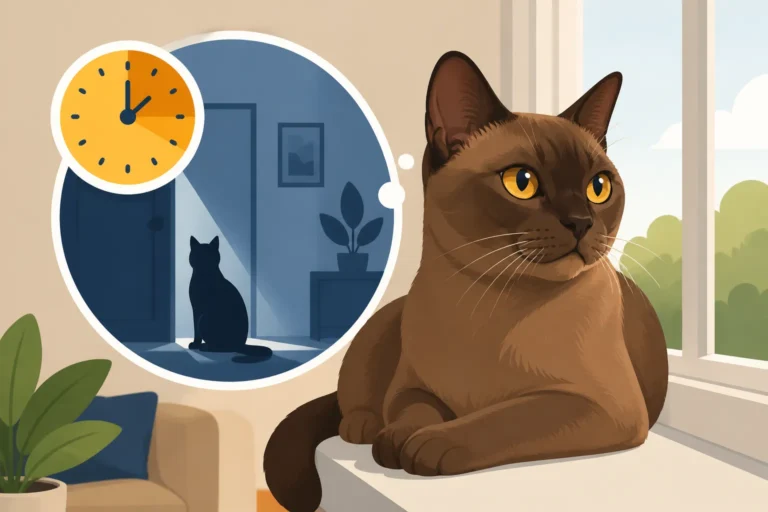
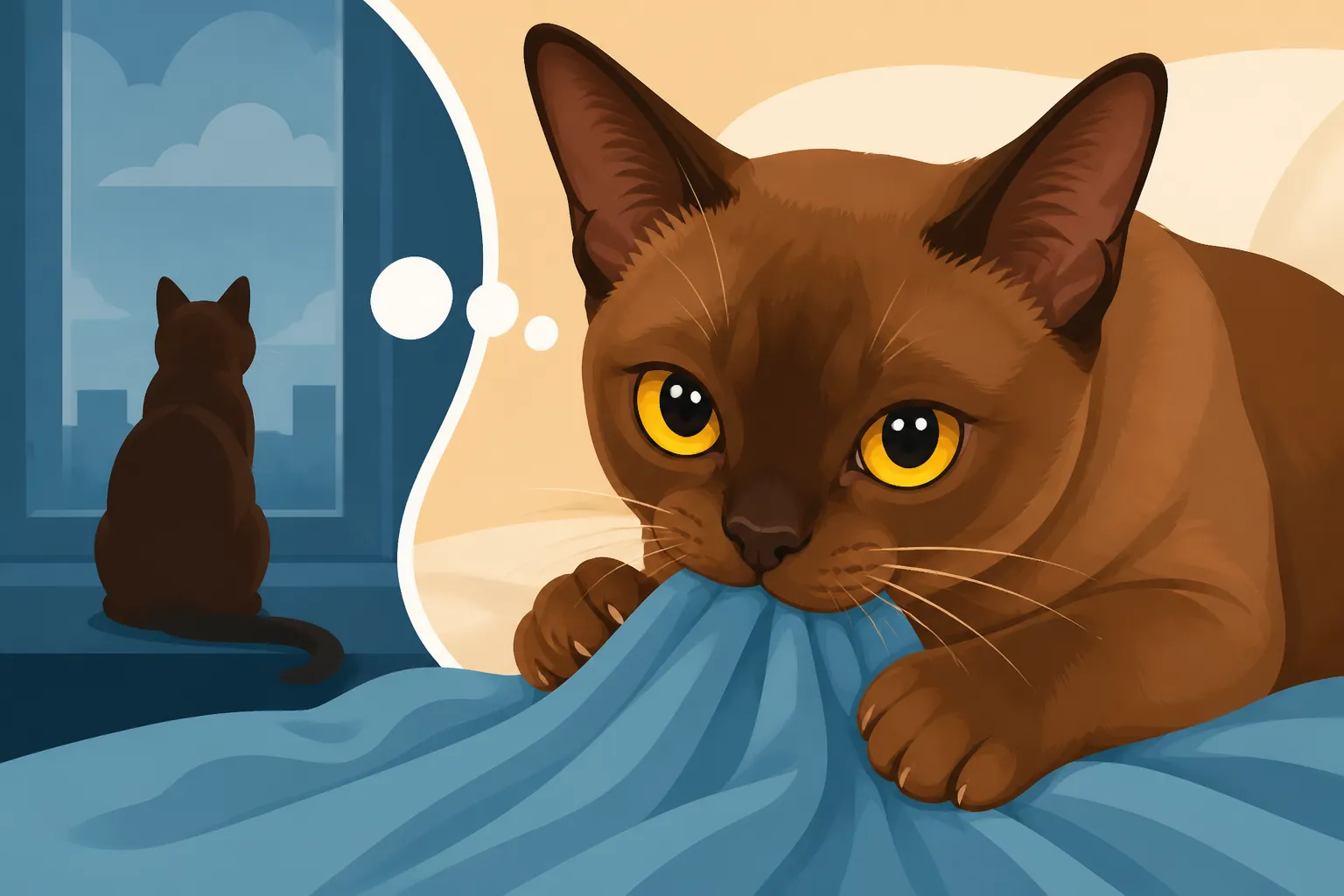
Because of this profound need for connection, Burmese are highly susceptible to separation anxiety and boredom when left alone for extended periods. Imagine a highly social human being suddenly isolated without meaningful interaction; they might start pacing, developing nervous habits, or seeking out distractions, however inappropriate. For a Burmese, fabric chewing can serve a similar purpose. It can be a self-soothing mechanism, an attempt to alleviate the stress and anxiety caused by loneliness. The act of chewing itself can release endorphins, providing a temporary sense of relief. It might also be a desperate attempt to gain attention, even negative attention, if they've learned that destroying things brings you running.
Why Fabric? The Texture and Scent Connection
So, why fabric specifically? There are a few theories. Firstly, fabrics often carry your scent. A shirt, a blanket, or a pillowcase smells distinctly of you, their favorite human. When you're not around, chewing on something that smells like you can be a way for your Burmese to feel closer to you, to self-soothe with a familiar, comforting aroma. It's almost like a child clinging to their parent's sweater when they're scared. This is particularly true for items made of wool or soft fleece, which might offer a comforting texture.
Secondly, the texture itself can be appealing. Fabrics, especially softer ones, offer a pliable, yielding sensation that can be satisfying to chew. Some cats might be drawn to the fibrous nature of textiles, finding the process of shredding and tearing inherently rewarding. This is especially true for kittens or younger cats who are still exploring the world with their mouths, but it can persist into adulthood if the underlying emotional needs aren't met. It’s a very primal behavior that, in the wild, might be linked to preparing prey or exploring new materials, but in a domestic setting, it's misdirected.
Differentiating Chewing from Grooming
It's important to distinguish fabric chewing, which is often destructive, from regular grooming or even a cat suckling on fabric. While a Burmese has a beautiful, The Burmese Satin Coat Is the Shortest in the Cat Fancy, they still groom themselves fastidiously. Sometimes, a cat might appear to "groom" a blanket, but if it involves actual tearing, ingesting fibers, or leaving clear damage, that's chewing.
Suckling, on the other hand, is usually a kitten behavior, often seen in cats weaned too early or those with a strong comfort-seeking drive. They'll typically knead and suckle on a soft blanket, much like they would their mother. While suckling can occasionally lead to ingestion of fibers, the primary motivation is different. Fabric chewing is usually more aggressive, involves more tearing, and has a more direct correlation with periods of stress or being left alone. If you notice actual holes, thinning spots, or threads pulled out, it’s chewing, and it's a sign your cat is struggling. Why a Lonely Burmese Pulls Its Satin Coat Out is a related, equally concerning behavior that indicates significant stress.
The Impact of Loneliness on Burmese Behavior
Understanding the profound effect of loneliness on a Burmese is crucial to addressing fabric chewing. These aren't independent, aloof creatures; they are deeply intertwined with their human families and thrive on interaction.
The "Velcro Cat" Persona and Its Downside
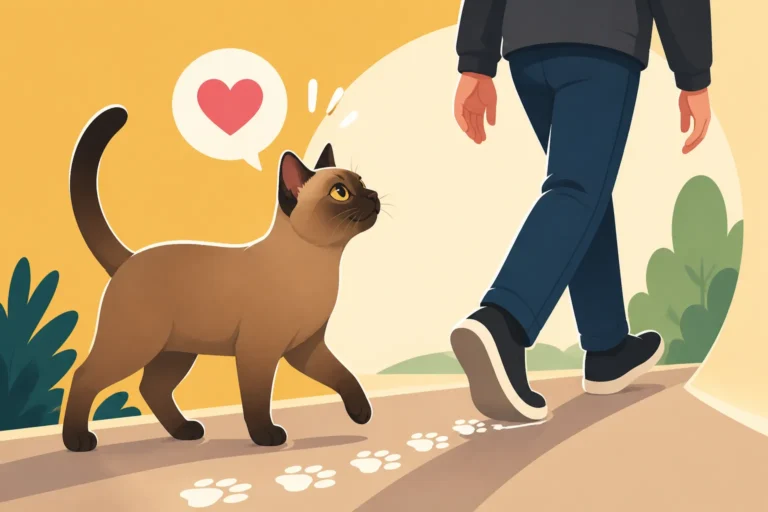
The very trait that makes Burmese so endearing – their intense desire for companionship – is also their Achilles' heel when it comes to being alone. A Burmese doesn't just tolerate company; they actively seek it out, demanding attention and participation in whatever you're doing. Why a Burmese Cannot Let You Leave the Room is a common experience for owners, as these cats will follow you from room to room, sit on your lap while you work, or curl up right next to you on the sofa.
This "Velcro cat" nature means they are not equipped to handle solitude well. While other breeds might nap peacefully or entertain themselves for hours, a Burmese left alone often experiences genuine distress. This isn't just a preference; it's an inherent part of their temperament. When their need for connection is unmet, it can quickly lead to anxiety. This anxiety isn't always obvious; a Burmese might purr through a vet visit, for example, masking deeper unease. Why a Burmese Purrs Through a Vet Examination is a testament to their affectionate nature even in stressful situations, but it also highlights their ability to appear calm when they might be internally stressed.
How Lack of Stimulation Manifests
Beyond just companionship, Burmese cats are intelligent and playful animals that require significant mental and physical stimulation. They remain remarkably kittenish even into old age, with many still demanding play sessions at ten or even fifteen years old. A Burmese Is Still Playing at Fifteen speaks volumes about their enduring energy.
When a Burmese lacks appropriate stimulation, whether it's interactive playtime, puzzle toys, or just the presence of another living being, they can become profoundly bored. This boredom, combined with their strong social drive, creates a fertile ground for problem behaviors. Fabric chewing can be one such outlet, but it's not the only one. A bored and lonely Burmese might also start excessive vocalization, pacing, inappropriate urination, or even destructive scratching of furniture. They might become hyperactive when you are home, trying to "catch up" on all the missed interaction, or they might become withdrawn, which is an even more serious sign of distress. How Many Hours Before a Burmese Starts to Suffer is a vital question for any owner to consider.
The Link Between Stress and Compulsive Behaviors
Fabric chewing, particularly when it becomes repetitive and seemingly uncontrollable, can escalate into a compulsive behavior. Compulsive behaviors in animals are repetitive, exaggerated, and often performed out of context, seemingly without any obvious purpose. They are essentially coping mechanisms for stress, anxiety, or internal conflict.
For a Burmese, the chronic stress of loneliness or separation anxiety can lead to such behaviors. The act of chewing releases endorphins, creating a temporary sense of relief. The cat then learns that chewing provides comfort, and a cycle begins. The more stressed they feel, the more they chew, solidifying the habit. Over time, what started as a simple response to boredom can become deeply ingrained, making it harder to stop. This is why early intervention is so critical. Ignoring the behavior in hopes it will go away often leads to it becoming more severe and challenging to manage. The anxiety isn't just about missing you; it can be a feeling of being unsafe or insecure. What Separation Anxiety Looks Like in a Burmese is a deeper dive into the symptoms.
Strategies to Prevent Fabric Chewing
Addressing fabric chewing in a Burmese requires a multi-faceted approach that targets both the immediate behavior and the underlying emotional needs. It's about building a richer, more secure environment for your cat.
Increasing Environmental Enrichment
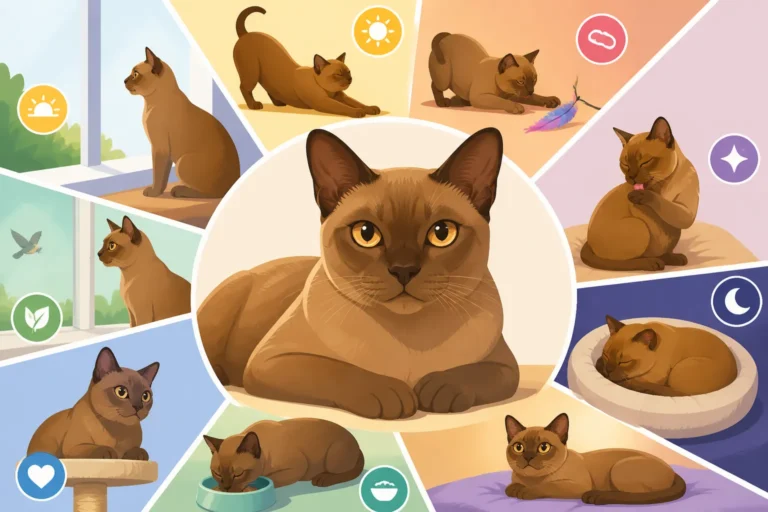
One of the most effective ways to combat boredom and anxiety is to enrich your cat's environment. This means more than just a bowl of food and a litter box; it means providing opportunities for mental stimulation, physical activity, and a sense of security.
Consider implementing these changes:
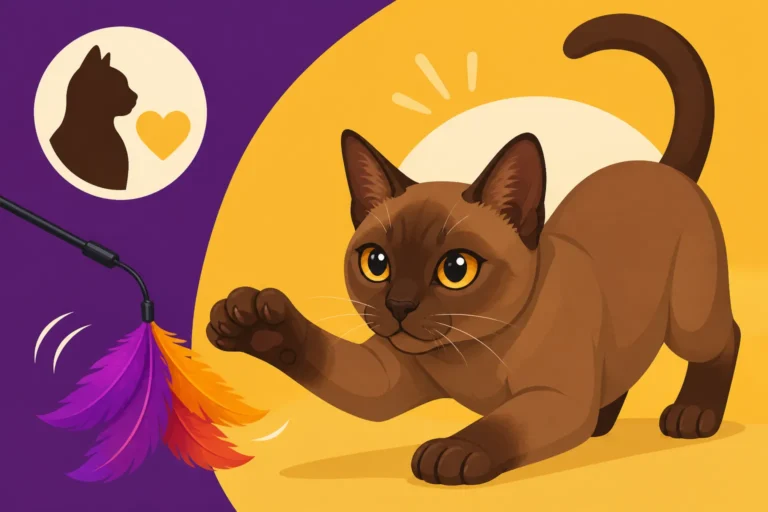
- Interactive Toys: Invest in a variety of toys that mimic prey. Wand toys are fantastic for engaging your Burmese in active play, allowing them to chase, pounce, and "kill" their prey. Rotate toys regularly to keep things fresh and exciting. You can find a huge selection of durable wand toys and small, interactive toys that roll or dispense treats on platforms like Amazon.
- Puzzle Feeders: Since Burmese are often highly food-motivated, puzzle feeders can be an excellent way to engage their minds and slow down their eating. Instead of just devouring a meal in seconds, they have to work for it, which provides mental stimulation. There are many types, from simple treat balls to more complex feeders. Which Puzzle Feeder Slows a Greedy Burmese Down is a great read for more ideas.
- Climbing Structures and Vertical Space: Cats love to climb and observe their territory from a high vantage point. Cat trees, shelves, or even window perches provide valuable vertical space, allowing your Burmese to feel safe and entertained. A tall cat tree near a window can offer hours of bird-watching entertainment.
- Regular Play Sessions: Dedicate specific times each day for interactive play. Even 15-20 minutes, two or three times a day, can make a huge difference. Use wand toys, throw soft balls for them to retrieve (many Burmese love to retrieve!), and engage them fully. This also strengthens your bond.
Providing Appropriate Chewing Alternatives
While you're working on the root causes, it's also helpful to offer acceptable alternatives to fabric chewing. This can redirect the behavior to something appropriate and safe.
Here are some options:
| Alternative Chew Item | Description | Benefits | Considerations |
|---|---|---|---|
| Silvervine Sticks/Chews | Natural wood sticks from the silvervine plant, known to have an stimulating effect on cats (similar to catnip). | Safe to chew and ingest in small amounts, provides dental benefits, highly appealing. | Not all cats react, can be messy with shredded wood. Replace when worn down. |
| Edible Dental Chews | Specifically designed chews to promote dental health and satisfy chewing urges. | Promotes gum health, redirects chewing, often flavored to entice. | Ensure they are appropriate for your cat's size and dietary needs. Check ingredients carefully. |
| Firm Rubber Toys | Durable toys made from pet-safe rubber, often with textures or nubs. | Very long-lasting, good for aggressive chewers, can be filled with treats. | Ensure size is safe to prevent choking. Some cats may not be interested. |
| Cat Grass | A pot of safe, growing grass (like wheatgrass or oat grass). | Natural fiber source, provides a safe chewing/grazing option, helps with digestion. | Needs regular watering, some cats might not be interested. |
Always supervise your cat with new chew toys to ensure they are safe and not ingesting large pieces. Look for products on Amazon that are specifically marketed as durable chews for cats.
Considering a Companion
This is often the most impactful solution for a lonely Burmese. As truly social creatures, a second cat can literally change their life. Why a Burmese Breeder Recommends Buying a Pair for a reason – they thrive on having another feline companion to play with, groom, and sleep alongside.
The ideal companion is often another Burmese, as their energy levels and social needs are so similar. However, other playful and affectionate breeds can also be a good match. The key is finding a cat with a similar temperament who is likely to engage in mutual play and companionship. When two Burmese cats are left alone, they typically entertain each other, reducing boredom and anxiety significantly. They'll chase, wrestle, and cuddle, providing the constant interaction they crave. Why a Second Cat Fixes Most Burmese Problems because it addresses the core issue of loneliness directly.
If you introduce a second cat, do so slowly and carefully to ensure a smooth transition. Provide separate resources initially and allow them to get used to each other's presence gradually. While it’s an investment, the reduction in stress for your original Burmese and the joy of watching them interact often makes it incredibly worthwhile. How to Keep Two Burmese on Different Diets if they have differing needs, but the main benefit is the companionship.
When to Seek Professional Help
While many cases of fabric chewing can be managed with environmental enrichment and companionship, there are times when professional intervention is necessary. Don't hesitate to reach out if you're struggling to make progress.
Recognizing Escalating Behavior
It's crucial to pay attention to the intensity and frequency of the chewing, as well as any other accompanying behaviors. If the fabric chewing is:
- Intense and destructive: Destroying multiple items quickly, or consuming large quantities of fabric.
- Frequent: Happening daily, or for long periods.
- Causing physical harm: If your cat is ingesting enough fabric to cause digestive issues, vomiting, constipation, or lethargy (these are medical emergencies).
- Accompanied by other severe anxiety signs: Excessive vocalization, aggression, inappropriate elimination, self-mutilation (like pulling out fur), or extreme withdrawal. Why an Anxious Burmese Pulls Its Own Fur Out is another critical symptom to watch for.
If you observe these escalating signs, it's time to seek professional guidance. This isn't a problem that will simply resolve itself, and it indicates a deeper level of distress for your cat.
Consulting Your Veterinarian
Your first stop should always be your veterinarian. They can rule out any underlying medical conditions that might be contributing to the chewing. For example, some gastrointestinal issues or nutritional deficiencies can sometimes manifest as pica. Your vet will perform a thorough physical examination and may recommend blood tests or other diagnostics to ensure there isn't a physiological cause.
They can also discuss potential anxiety-reducing medications if the behavior is severe and impacting your cat's quality of life. While medication isn't a standalone solution, it can be a valuable tool to help reduce anxiety enough for behavioral modification techniques to be more effective. Your vet can also advise on safe deterrents (if any) or refer you to a reputable feline behaviorist.
Working with a Feline Behaviorist
For persistent or severe fabric chewing, especially when linked to separation anxiety or other complex behavioral issues, a certified feline behaviorist can be invaluable. These professionals specialize in understanding cat behavior and developing tailored plans to address specific problems.
A behaviorist will conduct a detailed history, often asking about your cat's routine, environment, interactions, and the precise circumstances surrounding the chewing. They'll look at the whole picture to identify triggers and underlying motivations. They can then create a comprehensive behavior modification plan that might include:
- Environmental adjustments: Specific recommendations for enriching your home.
- Training techniques: Ways to redirect your cat's attention and reinforce positive behaviors.
- Stress reduction strategies: Including pheromone diffusers (available on Amazon), specific types of play, or dietary adjustments.
- Graduated exposure: For separation anxiety, gradually increasing the time your cat is left alone in a way that minimizes stress.
Working with a behaviorist requires commitment and consistency, but the results can be life-changing for both you and your beloved Burmese. They can help you unravel the mystery of your cat's distress and guide you toward a calmer, happier household where everyone thrives.
Disclaimer
This article is for general informational purposes only and does not constitute professional advice. Laws, prices and regulations vary by location and change over time. Consult a qualified professional for guidance on your specific situation.