Why an Old Burmese Still Climbs Onto You
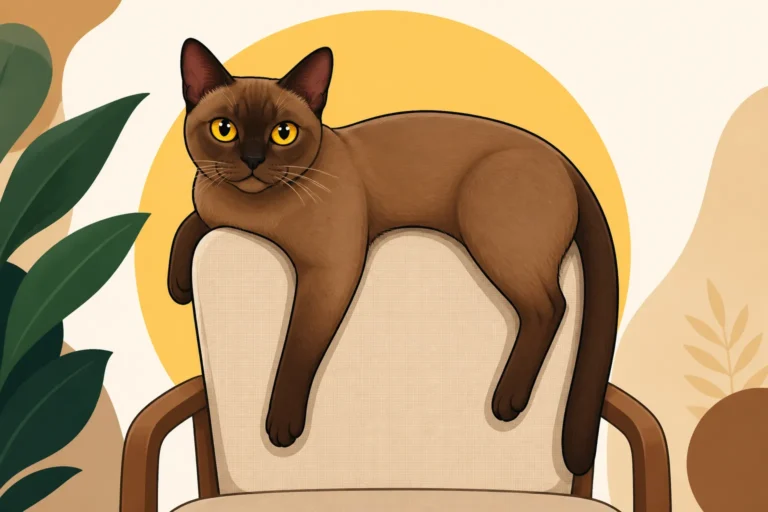
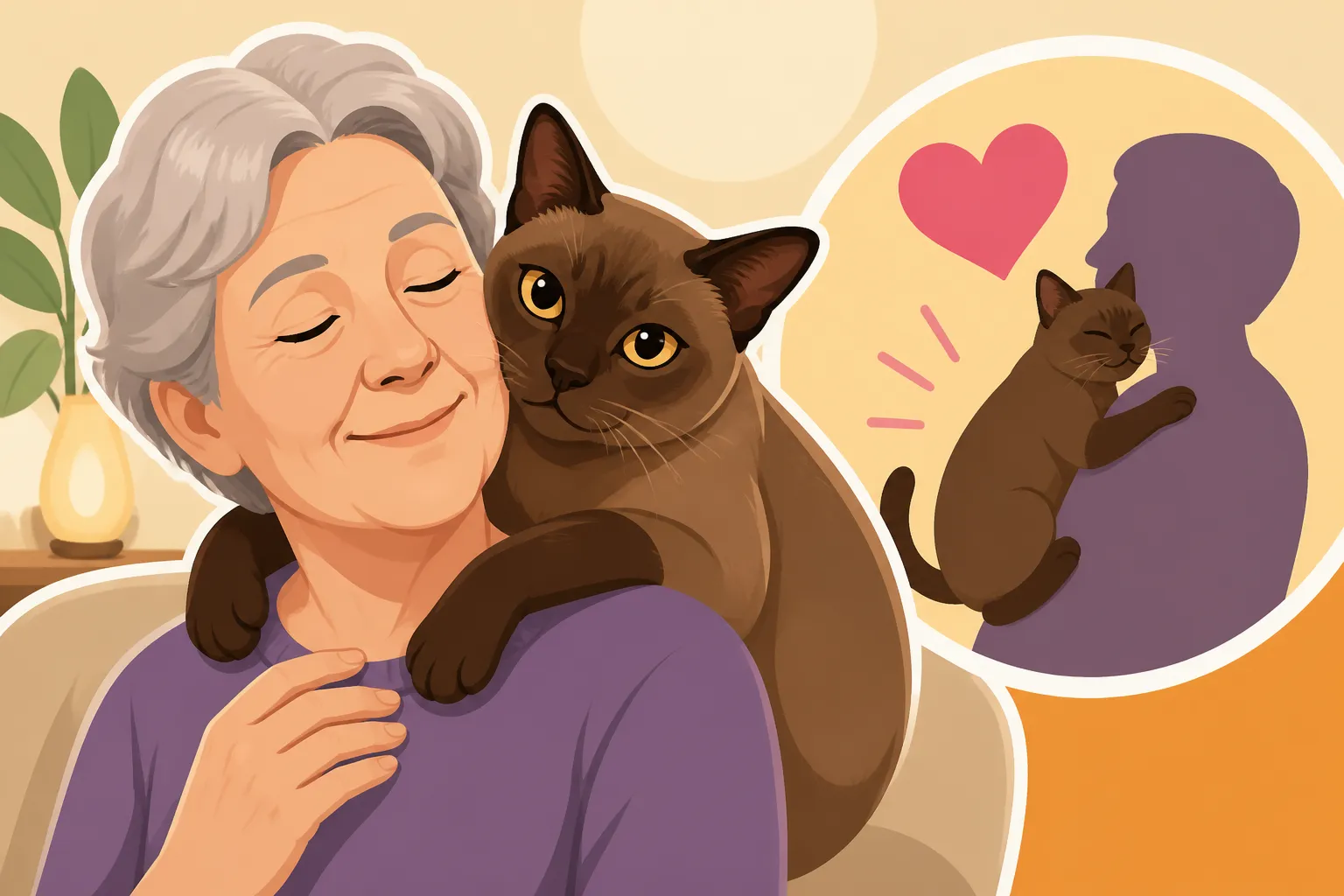
It’s a truly heartwarming, yet sometimes surprising, experience to find your senior Burmese, even at ten, twelve, or fifteen years old, still trying to clamber onto your shoulder, snuggle into your lap, or demand to be picked up. Many cat breeds slow down considerably in their golden years, becoming more independent or less physically demonstrative. But the Burmese? They often defy this pattern, holding onto that "Velcro cat" reputation with a tenacity that can amaze. This guide will delve into the beautiful reasons why your old Burmese continues to seek such close physical contact, exploring both their innate personality and how aging can actually reinforce these behaviors.
The Enduring Velcro Nature of the Burmese
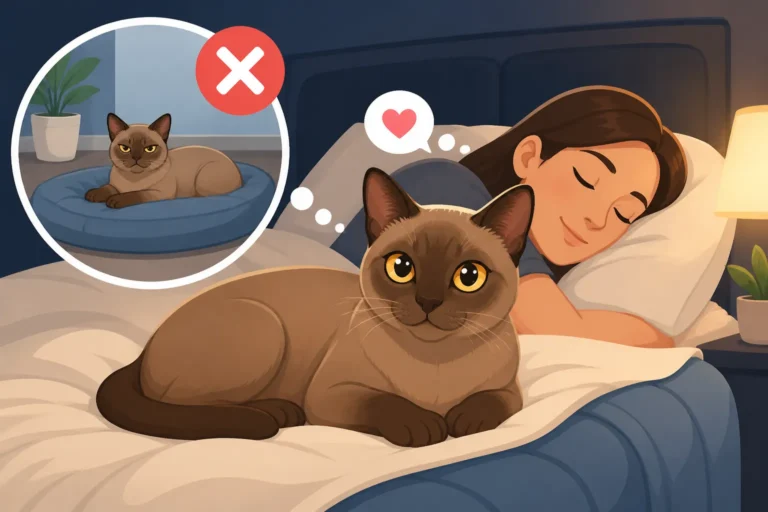
The Burmese is renowned for its dog-like devotion and unparalleled need for human companionship. This isn't just a cute quirk; it's a fundamental part of their breed identity. While other cats might enjoy a quiet cuddle on the sofa next to you, a Burmese, young or old, often wants to be on you, under the covers with you, or draped across your shoulders like a living scarf. This deep-seated desire for connection doesn't simply fade with age; if anything, it can intensify, as the cat relies even more on the comfort and security their human family provides.
Lifelong Affection and Bond Reinforcement
From the moment they're tiny kittens, Burmese are wired for interaction. They are not the type of cat that tolerates being ignored or left alone for long periods. This intense need for companionship builds a profoundly strong bond with their owners that lasts a lifetime. You see it in how they greet you at the door, how they follow you from room to room, and especially in their persistent demands for physical contact. It's a relationship built on constant validation and mutual affection.
As your Burmese ages, this established routine of closeness becomes a deeply ingrained comfort. It's not just a habit; it’s a core part of their emotional well-being. They've spent years communicating their love and need for attention through physical presence, and they see no reason to stop just because a few grey hairs have appeared around their muzzle. Why a Burmese Attaches to Whoever Is Home Most explains how this bond is formed. They want to be part of every moment, whether you're reading, working, or simply relaxing, and the most effective way they know to do that is to be literally on you.
Seeking Comfort and Security
Imagine a lifetime of being the most important creature in a room, the center of your human's universe. Then, as age creeps in, things might feel a little less certain. Your vision might not be as sharp, your hearing a little less acute, and your steps perhaps not as steady. In this context, your presence becomes an even greater source of security for your aging Burmese. Climbing onto you isn't just about affection; it's about finding their anchor in a world that might be subtly shifting around them.
The warmth of your body, the familiar scent, the rhythmic sound of your breathing – these all provide a profound sense of calm and safety. When they nestle into your neck or settle on your chest, they are seeking reassurance. It's a way for them to confirm that you're still there, still loving them, and still their safe space. This innate need for security is something we often see in younger cats, but it remains a powerful motivator for our senior felines.
Physical Reasons for Closeness in Senior Burmese
While their emotional needs are paramount, there are also very real physical reasons why an older Burmese might become even more insistent about snuggling up. Their bodies change as they age, and seeking out their human can often be a way to self-medicate or find comfort for various age-related ailments.
Managing Joint Pain and Mobility Issues
One of the most common challenges for senior cats, including the robust Burmese, is the onset of arthritis and other joint pains. You might not always see obvious limping; sometimes, it manifests as a reluctance to jump as high as they once did or a stiffer gait after a nap. Getting onto your lap or shoulder, for some, might still be within their physical capabilities, but it often involves less strenuous movement than, say, navigating a tall cat tree.
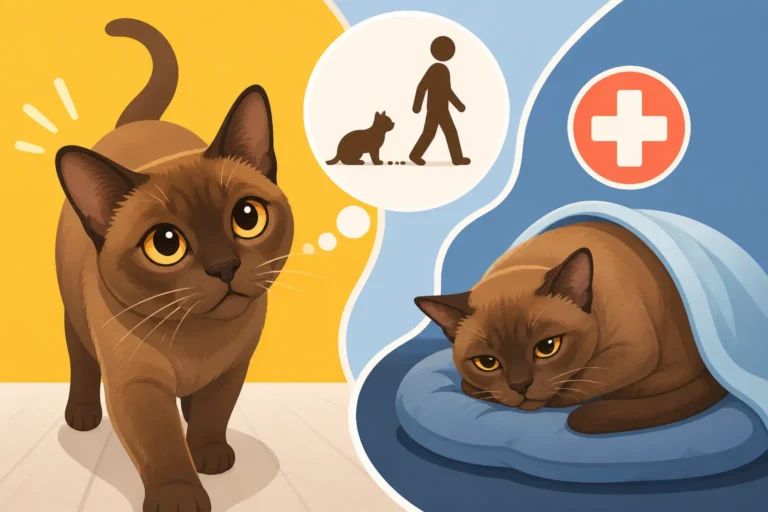
Once they're with you, the warmth from your body can actually offer a soothing effect on aching joints. It’s like a natural heating pad! They might shift around to find the perfect spot that minimizes pressure on a sore hip or shoulder. If you notice your Burmese struggling to get up onto furniture but still determined to climb you, it’s a good sign that they're finding more comfort in your direct contact. This is why paying attention to subtle cues is crucial; How Arthritis Shows in a Burmese That Still Plays can give you more insight into these signs. Providing soft, supportive surfaces around the house, like a cozy blanket from Amazon draped over your favorite armchair, can also help them find comfortable spots.
Maintaining Body Temperature
Burmese cats have incredibly short, fine coats that feel like satin. They have very little undercoat, which makes them feel the cold more acutely than many other breeds. This is why you often find them curled up in the sunniest spot, nestled under blankets, or, yes, glued to your side. As cats age, their ability to regulate their body temperature can sometimes become less efficient. Their metabolism might slow down, and they might lose some of the muscle mass that helps generate heat.
So, when your old Burmese decides to become one with your lap, they're not just being affectionate; they're likely seeking warmth. Your body is a wonderful, mobile heat source! They'll burrow in, seeking out that prime spot where they can absorb as much warmth as possible. This is particularly noticeable in colder months or if your home tends to be a bit chilly. Providing them with heated beds or extra soft blankets can help, but nothing quite beats the personal warmth of their favorite human. Why a Short Coated Burmese Seeks Body Heat delves deeper into this inherent trait.
The Mental and Emotional World of an Older Burmese
Beyond the physical, the mental and emotional landscape of an aging Burmese is equally important in understanding their persistent clinginess. As their world potentially narrows due to physical limitations or cognitive changes, their reliance on you as a constant, comforting presence can grow stronger.
Battling Cognitive Decline and Anxiety
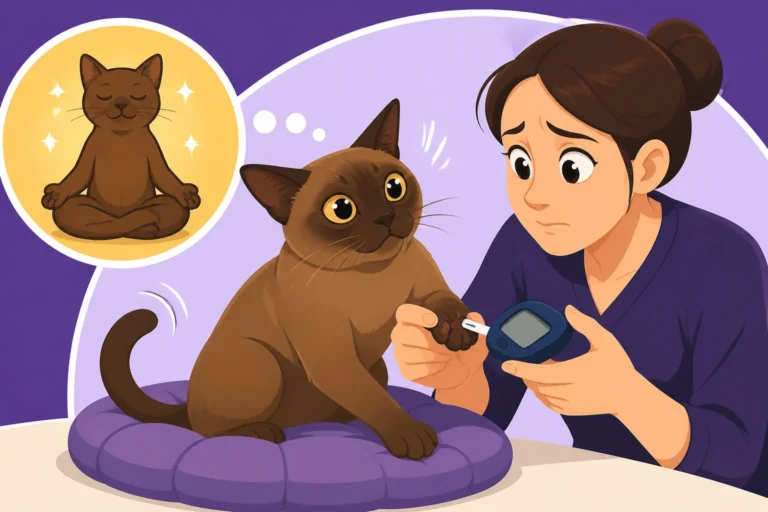
Just like humans, cats can experience cognitive decline as they age. This might manifest as disorientation, altered sleep-wake cycles, changes in social interaction, or increased anxiety. An older Burmese might find themselves feeling a bit more confused or anxious about their surroundings. Familiar faces, voices, and especially physical contact become vital anchors in a potentially bewildering world.
Climbing onto you, especially onto your shoulder or chest where they can be close to your face and hear your heartbeat, can be a way for them to counteract these feelings of anxiety. It's a form of self-soothing, using your presence as a focal point to re-establish their sense of security. They might seek you out more frequently, or for longer periods, if they are feeling particularly unsettled. Regular, gentle interaction helps reassure them and keeps their world feeling predictable and safe. Even Why an Old Burmese Still Wants a Lap speaks to this need for constant, grounding comfort.
The Comfort of Familiar Routine and Presence
Burmese cats thrive on routine and predictability. They are creatures of habit, and their days are often structured around interaction with their humans. As they get older, maintaining these familiar routines becomes even more important. Any deviation can be unsettling. Their desire to be physically close to you is often part of a deeply ingrained daily ritual.
For an old Burmese, your consistent presence and availability for physical contact are powerful affirmations of their routine. They know that when you sit down, your lap is their designated spot. When you stand up, your shoulder is the next best thing. This predictable interaction, this assurance that you are there and accessible, is deeply comforting. It reinforces their place in the family and validates their emotional needs. A Burmese Is Still Playing at Fifteen reminds us that their youthful spirit often persists, and with it, their desire for interaction.
Practical Ways to Support Your Climber
While an older Burmese's desire to climb onto you is endearing, it's essential to ensure they can do so safely and comfortably, especially if mobility is becoming a concern.
Providing Accessible Perches and Ramps
Your Burmese might still have the will to climb, but their aging body might make it harder or riskier. Instead of them struggling to leap onto a high bookshelf or the back of a sofa, consider providing accessible alternatives. Low-to-the-ground cat trees or pet stairs/ramps can offer them easier access to their favorite elevated spots – including your lap! Place these next to your chair or bed to give them a boost.
For those Burmese who absolutely must be on your shoulder, ensuring you're seated or stable when they attempt their ascent is key. Make sure there are no slippery surfaces nearby where they could lose their footing. A plush pet bed or a soft blanket strategically placed on a low, stable piece of furniture (like a sturdy ottoman) can be an excellent "pre-launch pad" for their journey onto your lap, making the transition smoother and safer. You can find many suitable options on Amazon, from pet steps to orthopedic beds.
Here's a quick comparison of ways to make climbing easier for your senior Burmese:
| Support Type | Description | Benefits | Considerations |
|---|---|---|---|
| Pet Ramps | Gentle incline for easy walking up to elevated surfaces. | Reduces strain on joints, safe for all mobility levels. | Takes up floor space, may need to be secured. |
| Pet Stairs | Individual steps leading to higher areas. | Good for cats with moderate mobility, less space than ramps. | Can still be tricky for severely arthritic cats. |
| Low Furniture | Ottomans, sturdy footstools, low-slung chairs. | Natural, blends with decor, acts as an intermediate step. | May not be high enough for all desired locations. |
| Soft Landing Pads | Thick beds, pillows, or blankets on the floor. | Cushions accidental falls, provides comfortable resting spot. | Doesn't assist climbing, only mitigates risk. |
Safe Handling and Interaction
Given their enduring need for closeness, it’s vital to continue interacting with your older Burmese gently and attentively. They still crave that physical touch, so make sure you're providing it in a way that respects their aging body.
When picking them up, always support their chest and hindquarters completely. Avoid grabbing them solely by the midsection, as this can put painful pressure on their spine or abdomen. Encourage them to settle comfortably in your lap or draped over your shoulders, but be mindful of how long they stay there, especially if they are heavy or you need to move. Offer gentle massages, particularly around their back and hind legs, which can help soothe any arthritic discomfort. How to Carry a Burmese Around Without Dropping It can offer more tips on safe handling.
Even though they're older, they might still enjoy a short play session. What an Old Burmese Still Wants to Play emphasizes that their playful spirit often remains strong. Use wand toys or laser pointers to encourage low-impact play that doesn't put stress on their joints. The key is continued engagement and affection, adapting to their changing needs while still cherishing their uniquely affectionate nature.
Disclaimer
This article is for general informational purposes only and does not constitute professional advice. Laws, prices and regulations vary by location and change over time. Consult a qualified professional for guidance on your specific situation.