Why a Burmese Sits on the Warmest Person in the Room
If you've ever found your beloved Burmese cat inexplicably drawn to you, even when there's a perfectly warm, sun-drenched spot on the rug, you're not alone. It’s a common scenario for Burmese owners to feel like a personal heating pad, and while it might seem like pure affection (which it definitely is!), there's a strong, practical reason why your Burmese insists on snuggling up to the warmest person in the room. This guide will help you understand the blend of genetics, physiology, and personality that makes your Burmese the ultimate heat-seeking missile.
The Burmese's Innate Need for Warmth
It's not just a preference; for a Burmese, seeking warmth is deeply ingrained. Their unique coat and physiology make them more susceptible to feeling cold, leading them to gravitate towards the coziest spot imaginable – which is often right on top of you.
Why Their Satin Coat Isn't Enough
The Burmese cat is renowned for its short, sleek, satin-like coat. It feels absolutely glorious to stroke, but what makes it so beautiful also makes it less insulating than the coats of many other breeds. Unlike cats with denser fur or a thick undercoat, the Burmese essentially has a single layer of very fine hair that lies flat against their body.
Imagine stepping outside on a chilly day wearing only a silk shirt versus a wool sweater. That's essentially the difference for a Burmese compared to a long-haired or even a standard domestic shorthair cat. This lack of an insulating undercoat means their body heat dissipates more quickly, leaving them feeling the chill even in what we might consider a comfortable room temperature. They aren't equipped to trap and retain warmth as effectively as other breeds, and so they have to seek it out from external sources. You'll often find them draped over the back of a sofa, right where a beam of sunlight hits, or burrowed under a blanket, constantly searching for that perfect temperature sweet spot.
A Historical Preference for Tropical Climates
To truly understand why your Burmese is such a heat-seeker, it helps to look back at their origins. The Burmese breed traces its ancestry to a cat named Wong Mau, who came from Burma (modern-day Myanmar), a country with a decidedly tropical climate. These cats evolved in environments where warmth was abundant, and there wasn't a strong evolutionary pressure to develop dense, insulating coats. They were used to basking in the heat and sun.
When we bring these beautiful felines into our homes, especially in regions with distinct seasons or air-conditioned environments, they're still wired to prefer that inherent warmth. Their bodies are simply not adapted for cooler temperatures in the same way, say, a Siberian or a Maine Coon might be. This ancestral preference isn't something they can simply override; it's part of their biological makeup. It's why they'll often be found clinging to you even on a relatively mild day, because their internal thermostat is set to a higher baseline than you might expect for a pet.
The Comfort of Body Heat
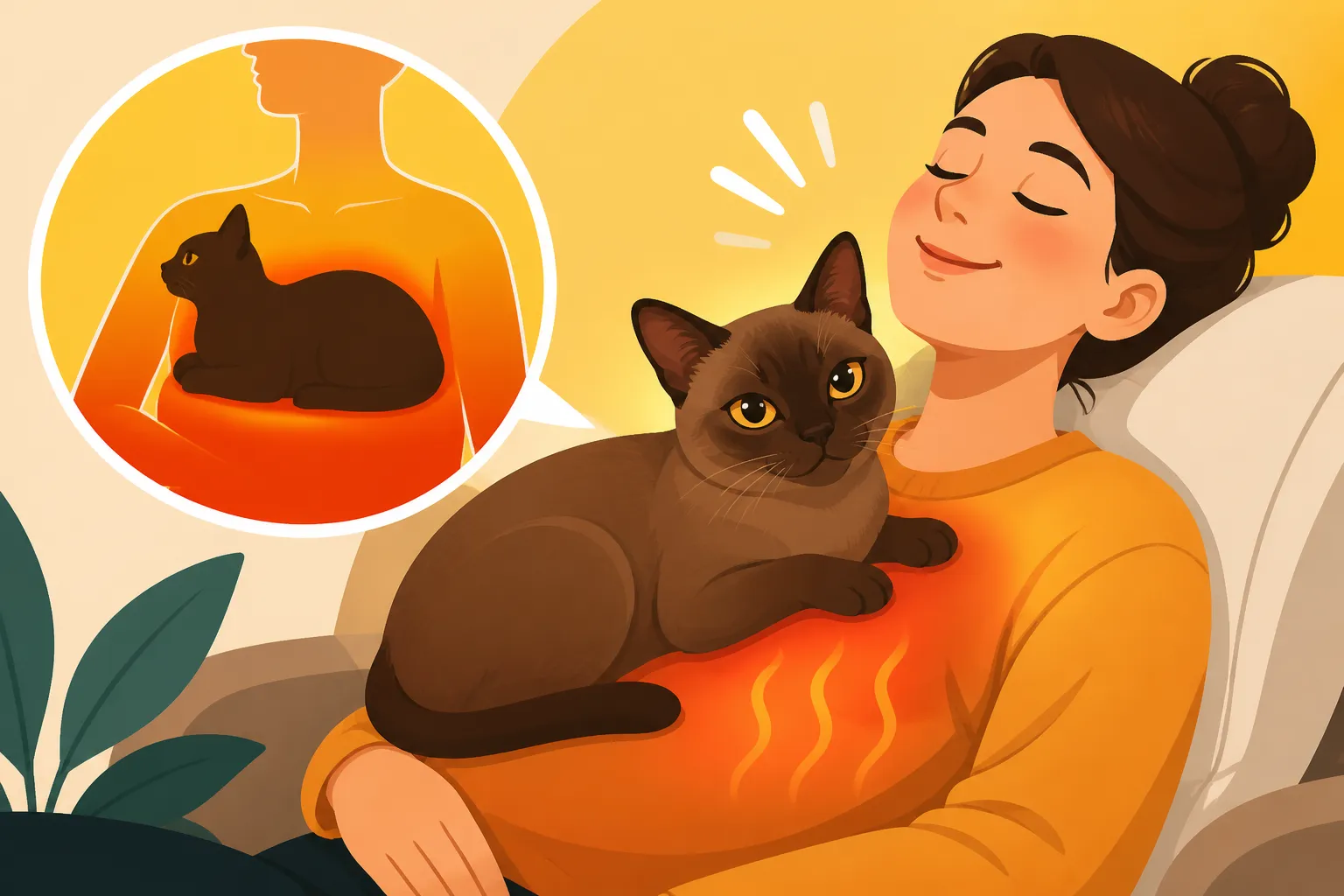
While there are many wonderful, warm spots in any home – sun puddles, heated beds, warm blankets – none quite compare to the consistent, radiating warmth of a human body. Our bodies are essentially living, breathing, purring-cat-magnet heaters, operating at a steady, inviting temperature that's just right for a chilly Burmese.
A heated cat bed might be lovely, but it cools down when unplugged or if there's a power flicker. A sunny spot shifts as the day progresses. Your lap, however, is a stable, reliable source of gentle warmth, always available (or so your Burmese hopes!). This isn't just about the heat itself; it's about the security and predictability of that warmth. There's a certain primal comfort in snuggling into a large, warm entity, and for a Burmese, that entity is typically their favorite human. It’s a combination of physical comfort and emotional reassurance, all rolled into one toasty package.
More Than Just Temperature: The Social Aspect
While warmth is a huge draw, it’s only half the story. The Burmese isn’t just looking for heat; they're looking for you. Their incredibly social nature plays a massive role in why they seek out the warmest person, blending their physical needs with their deep emotional desire for connection.
The "Velcro Cat" Tendency
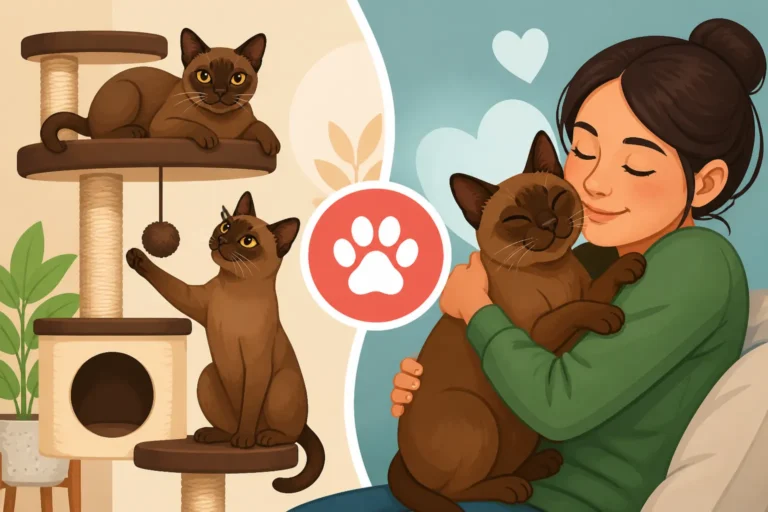
If you've ever owned a Burmese, you know exactly what I mean by "Velcro cat." They earn this nickname honestly because they truly stick to their people like glue. They aren't content to simply be in the same room; they want to be on you, next to you, or at the very least, touching some part of you. This isn't just about receiving attention; it's about giving it too. They thrive on interaction and being an integral part of your daily life.
This strong attachment means that when they feel a chill, their first instinct isn't just to find any heat source, but to find the human heat source. It combines their physiological need for warmth with their deep-seated desire for companionship and affection. So, when your Burmese climbs onto your lap, it's a double win for them: instant warmth and invaluable cuddle time. It’s their way of staying connected, literally and figuratively. They will follow you from room to room, often finding a way to drape themselves over your shoulder or settle into your lap the moment you sit down. It's one of the most endearing traits of the breed, and it's why they are so often described as having The Burmese Is the Velcro Cat of the Cat Fancy.
The Lap as a Prime Real Estate
For a Burmese, your lap isn't just a convenient perch; it's prime real estate. It's the perfect intersection of warmth, security, and attention. Think about it: when you're sitting, your lap is usually a stable, elevated, and most importantly, warm surface. It's perfectly contoured for a cat to curl up in, allowing them to maximize body contact and absorb every bit of heat.
Beyond the warmth, being on your lap means they are at the center of your world. They get pets, gentle scratches, and a constant flow of human interaction. A Burmese isn't usually content to just watch from afar; they want to be immersed in your presence. This is why they’ll often choose a lap over a perfectly plush, warm cat bed that’s only a few feet away. The bed offers warmth, but the lap offers you. And for a Burmese, you are the ultimate comfort. This extends to sleeping arrangements too; many Burmese will insist on being Why a Burmese Gets Right Under the Duvet, burrowing deep for maximum warmth and closeness.
Who Gets the Snuggles?
While a Burmese loves all their people, they do have a knack for identifying the "warmest" person in the room. This isn't always about who they love most, but often about who is currently providing the most appealing conditions. The "warmest person" could be:
- The one who has been sitting still for a while: Less movement means less heat dissipation from the human, creating a stable, warm platform.
- The one wearing the coziest clothes: A soft sweater or a fleece blanket draped over someone can make them an even more enticing warm spot.
- The one who's running a bit warm: Maybe you just came in from a brisk walk, or you naturally run a little warmer than others. Your Burmese notices!
- The one paying them the most attention: If you're petting them, you're interacting, and that reinforces the lap as a good place to be.
It's a clever, instinctual calculation. They're not being fickle; they're being efficient in their pursuit of optimal comfort and companionship. So, if your Burmese seems to favour one family member for lap-sitting, it might just be that person is currently offering the best combination of warmth and stillness.
Practical Implications for Burmese Owners
Understanding why your Burmese is so drawn to warmth and companionship can help you create an even more comfortable and enriching environment for them, while also keeping an eye on their well-being.
Providing Alternative Heat Sources
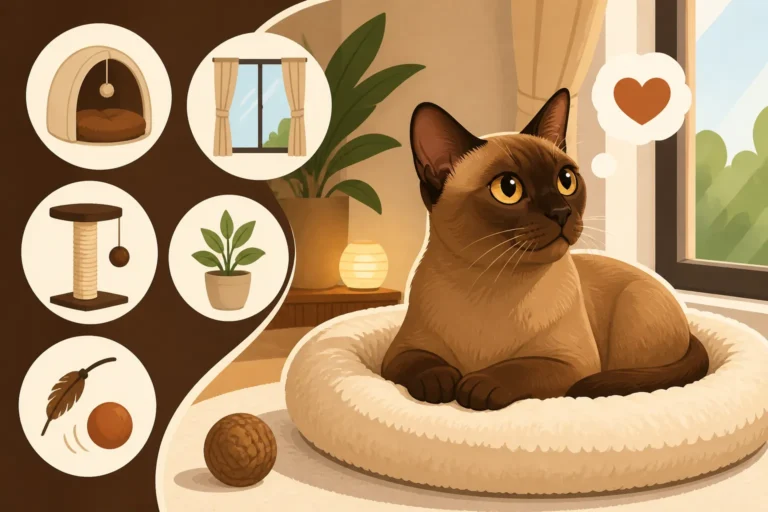
While your lap will always be a top choice, it's wise to offer other appealing warm spots for your Burmese, especially when you're not available or if they need a different kind of warmth. This is particularly important because Why a Short Coated Burmese Feels the Cold. Consider:
- Heated cat beds: Many electric cat beds are designed to stay just above body temperature, providing consistent warmth. Look for models with automatic shut-off features for safety.
- Soft, fleecy blankets: Place these in their favorite napping spots – on sofas, in baskets, or even in a sunny window. They love to burrow. You can even find ones with a reflective thermal layer on Amazon that bounce their own body heat back.
- Sunny window sills: Natural sunlight is a powerful, free heat source. Ensure they have a comfortable perch where they can bask safely.
- Sheltered spots near radiators or vents: As long as it's not directly on a hot vent, a spot near a heat source can be very inviting. Just make sure it's not too hot to touch.
Even with all these options, don't be surprised if they still prefer your company. These alternatives are more about giving them choices and ensuring they're comfortable even when you're busy. Providing a variety of warm spots can also help prevent them from getting too cold during periods when you're not home, which is especially important for this heat-loving breed.
Embracing the Warmth-Seeking Behavior
The Burmese's desire for warmth and constant companionship is one of their most defining and endearing characteristics. It's part of what makes them such unique and beloved pets. Rather than trying to "train" them out of it, embracing this behavior can deepen your bond.
Accept that your Burmese will likely be your shadow, following you from room to room, and will seize any opportunity to be in your lap or right next to you. Make space for them. If you're working, try a cat bed on your desk or a warm blanket on your chair beside you. Enjoy the purrs, the headbutts, and the comforting weight of them snuggled close. It’s a clear sign of their trust and affection. This inherent need for warmth also explains Why a Burmese Refuses to Go Out in Cold Weather; they are simply not built for chilly outdoor adventures. Instead, they prefer the snug comfort of your indoor presence.
Monitoring for Illness (Changes in Behavior)
While seeking warmth is a normal and healthy Burmese trait, any sudden and drastic change in this behavior could be a subtle sign that something is amiss. For instance:
- Excessive heat-seeking: If your Burmese, who usually loves to bask, suddenly becomes unusually obsessed with finding extreme heat, even panting or seeming uncomfortable, it could indicate fever or an underlying health issue.
- Lethargy despite warmth: If they seek warmth but are unusually listless, withdrawn, or unwilling to interact, even when warm, it's a concern.
- Avoiding warmth: Conversely, a Burmese suddenly shunning warm spots and acting agitated or uncomfortable could also be a sign of illness.
Burmese cats are known for their ability to mask illness, often continuing to be affectionate even when unwell. They want to be close to you, and they might even seek more comfort when feeling poorly. This means you need to be observant of how they are seeking warmth and if their overall demeanor has shifted. Any significant change warrants a call to your vet. Remember, Why a Burmese Hides Illness Behind Its Affection, so a shift in their usual warmth-seeking patterns combined with other subtle changes could be your earliest clue.
The Role of Diet and Metabolism
While the outside world might think of warmth-seeking as purely external, what your Burmese eats and how their body works internally also play a significant role in their comfort and ability to regulate temperature. A healthy metabolism contributes to their overall well-being, including how they perceive and manage cold.
Internal Thermoregulation and Food
A cat's metabolism is like their internal furnace. The process of converting food into energy naturally generates heat. This is a fundamental aspect of thermoregulation in all living creatures, and your Burmese is no exception. A well-balanced diet, rich in appropriate nutrients, supports a healthy metabolism, which in turn helps their body generate some of its own warmth.
However, for a Burmese, whose coat provides minimal insulation, this internal heat generation needs to be supplemented by external sources more often than for other breeds. If a Burmese isn't receiving adequate nutrition, or if their diet is imbalanced, their metabolic efficiency can be compromised, potentially making them feel colder or more sensitive to temperature fluctuations. This is Why Portion Control Is Medical Care in a Burmese – it's not just about weight, but about ensuring their body has the consistent, correct fuel to operate optimally, which includes producing internal warmth.
Maintaining a Healthy Weight for Comfort
Maintaining a healthy body weight is crucial for your Burmese's overall health and comfort, including their ability to stay warm.
- Underweight cats: A cat that is too thin has less body mass and potentially less fat insulation, making them more prone to feeling cold. Their bodies might also be expending energy trying to maintain temperature, rather than on other vital functions.
- Overweight cats: While an overweight cat might seem like they have more insulation, excess weight can lead to other health problems that impact their overall vitality and ability to move comfortably. Obese cats often have less efficient metabolism and can struggle with mobility, impacting their ability to seek out warm spots or interact as freely.
A healthy weight ensures that their body is working efficiently, both in terms of metabolism and mobility. This allows them to generate a baseline of warmth and easily move to seek out additional heat (like your lap!) when needed. Regular weighing at home can help you monitor their condition. For tips on this, refer to How to Weigh a Burmese Accurately at Home. A well-nourished, appropriately weighted Burmese is a comfortable Burmese, ready to snuggle up and enjoy your warmth.
| Warmth Source | Pros | Cons | Burmese Preference (Likelihood) |
|---|---|---|---|
| Human Lap | Consistent body heat, constant attention, security, soft | Human might move, limited space, not always available | Very High (often preferred) |
| Heated Cat Bed | Consistent, controlled warmth, dedicated space | Requires electricity, might be too warm for some, not interactive | High (good alternative) |
| Sunbeam | Natural, free, pleasant warmth | Moves throughout the day, not always available, can be too hot | High (especially for napping) |
| Fleece Blanket | Soft, burrowing potential, traps body heat | Cools quickly, no active heating | Medium-High (good for nesting) |
| Another Pet | Shared body heat, companionship, interactive | Pet might move, not all pets tolerate snuggling | Medium (if bond is strong) |
Disclaimer
This article is for general informational purposes only and does not constitute professional advice. Laws, prices and regulations vary by location and change over time. Consult a qualified professional for guidance on your specific situation.