Why a Cat Flap Is Wrong for a Trusting Burmese
Bringing a Burmese cat into your home means welcoming a furry shadow that wants to be involved in absolutely everything you do. They are known for their profound affection and trust, which is a huge part of their charm. However, this very trait, as lovely as it is, means that a seemingly innocent cat flap can actually be a serious risk for your beloved Burmese, turning what should be a convenience into a potential gateway to danger. This guide will help you understand why your Burmese’s trusting nature makes a cat flap a poor choice and explore safer alternatives to keep them happy and secure.
The Heart of a Burmese: Why They Trust So Deeply
Burmese cats aren't just affectionate; they are profoundly trusting creatures. Unlike many other cat breeds that might exhibit a cautious or even aloof demeanor, a Burmese thrives on interaction and connection, often approaching the world with an open heart. This isn't just a cute quirk; it's a fundamental aspect of their personality that influences every aspect of their behavior, from how they greet visitors to how they perceive the great outdoors. Understanding this deep-seated trust is the first step in realizing why certain common cat-care practices, like installing a cat flap, simply aren't suited for them.
The "Velcro Cat" Phenomenon
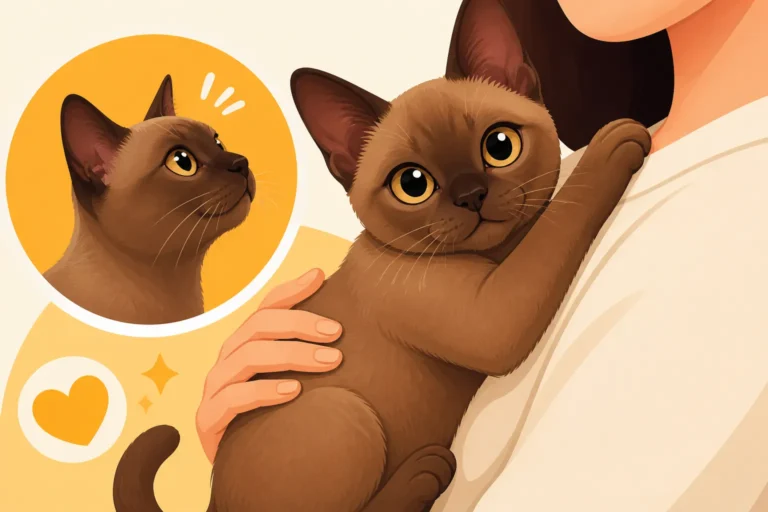
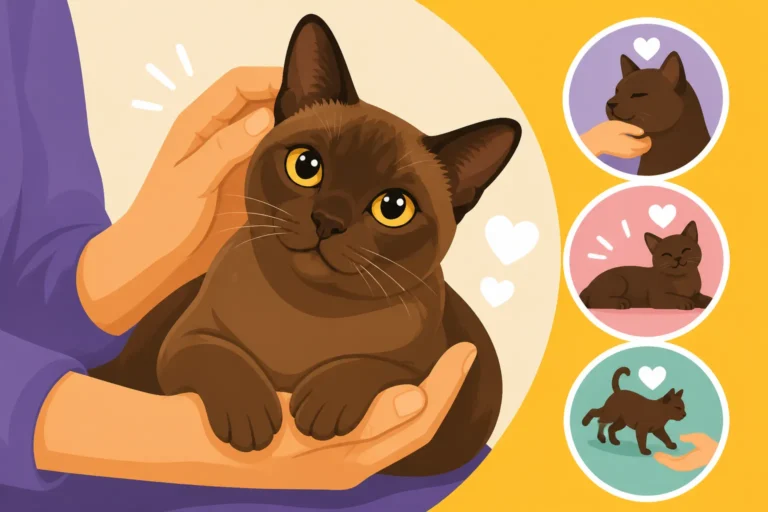
If you've spent any time with a Burmese, you'll know exactly what I mean by the "velcro cat" phenomenon. These are not cats content to simply share a house with you; they want to share your lap, your bed, your shoulder, and often, your conversations. They follow you from room to room, supervising your activities with keen interest. This constant desire for proximity stems from their deep need for companionship and security. They form incredibly strong bonds with their human family members, often choosing one person as their primary attachment figure, though they're usually happy to spread the love around.
This intense attachment means they see you as their protector and their world. They learn to trust completely within their home environment, feeling safe and loved. This bond is so strong that the idea of them venturing off into the unknown alone, through a cat flap, feels almost antithetical to their very being. They want to be with you, not exploring a solitary world. When a Burmese is left alone, even for too long, they can exhibit signs of distress, making it clear that their primary joy comes from interaction, not independent adventure. You might even find yourself looking for ways to distract them when you need to focus, perhaps with engaging toys available on Amazon that keep their keen minds busy. Why a Burmese Cannot Be Left Alone All Day delves deeper into their need for constant company.
Seeing the World Through Rose-Tinted Paws
Most cats have a healthy dose of skepticism, especially when it comes to strangers or unfamiliar environments. Not so with the typical Burmese. They tend to greet new people with an almost childlike curiosity and an assumption of goodwill. This isn't to say they're unintelligent; quite the opposite. But their intelligence often manifests in their ability to understand and manipulate their human companions for attention, rather than in developing street smarts or a suspicious nature towards the unknown.
For a Burmese, a new face is simply another potential source of affection and play. They're often described as having "no stranger danger," which, while endearing indoors, becomes a significant liability outdoors. They won't naturally hide from a passerby or be wary of someone calling them over. This lack of inherent wariness means they are incredibly vulnerable to anyone with less-than-kind intentions. This trusting outlook on the world, while a beautiful aspect of their personality, is the very reason why an unsupervised outdoor life, facilitated by a cat flap, is a gamble you simply shouldn't take with a Burmese. Why a Burmese Trusts Strangers Too Much to Roam explores this trait further.
The Stark Reality: Dangers That Trusting Nature Invites
While the idea of your cat enjoying the fresh air and sunshine might be appealing, the reality for a trusting Burmese allowed unsupervised outdoor access via a cat flap is often far from idyllic. Their unique personality traits, combined with the inherent risks of the outside world, create a perfect storm of potential dangers that could have devastating consequences. It's not about being overprotective; it's about being realistic about the threats your trusting companion might face.
Traffic and the Trusting Trot
One of the most immediate and common dangers for any outdoor cat is traffic, but for a Burmese, this risk is amplified. Their playful and trusting nature means they lack the inherent road sense that some other, more street-savvy breeds might develop. They aren't likely to freeze or dart away quickly when a vehicle approaches. Instead, they might view a moving car with curiosity, or simply not register it as a threat until it's too late.
Imagine a curious Burmese, seeing a new smell or hearing an interesting sound across the street. They're far more likely to bound across without looking, assuming the world is a safe place, than to pause and assess the danger. This isn't a deficiency in their intelligence; it's a difference in their instinctual wiring. Their focus is on interaction and exploration, not on self-preservation in the face of fast-moving objects. Many heartbroken owners have learned this lesson the hard way, wishing they had taken precautions to keep their beloved, trusting Burmese safely indoors. Why a Burmese Has No Road Sense elaborates on this specific vulnerability.
The Threat of Strangers and Unkind Intent
This is perhaps the most heartbreaking reality of allowing a trusting Burmese free outdoor access. Because they approach strangers with an open, friendly demeanor, they are incredibly susceptible to theft or intentional harm. A beautiful, friendly Burmese cat is an attractive target for someone looking to take a cat, either for breeding purposes, to sell, or simply out of malice. They won't hiss or run from a person who calls to them; they'll likely walk right up, rub against legs, and solicit pets, making them easy to pick up and carry away.
It's a harsh truth that not everyone in the world has good intentions, and a cat flap effectively provides an open invitation for your vulnerable Burmese to encounter these dangers unsupervised. They simply lack the innate caution to discern a kind stranger from someone who might wish them harm. Losing a Burmese this way is a nightmare scenario, and their trusting nature, which makes them such wonderful companions, is precisely what puts them at risk in the hands of the wrong person. Why a Trusting Burmese Would Follow a Stranger discusses how easily they can be enticed away.
Other Feline Encounters
The outdoor world is a complex ecosystem, and while your Burmese might be a sweetheart, not all other cats are. Territory disputes are common among outdoor felines, and your friendly Burmese, who might try to make friends with any cat it meets, could easily find itself in a fight it's ill-equipped to handle. These encounters can lead to serious injuries, abscesses, and the transmission of diseases like Feline Immunodeficiency Virus (FIV) or Feline Leukemia Virus (FeLV).
Beyond other cats, there are also wildlife risks. Depending on your location, coyotes, foxes, large birds of prey, or even aggressive dogs can pose a significant threat. A Burmese, with its strong build but relatively small size, is not an apex predator and can quickly become prey. Their trusting nature extends to approaching other animals, which, while sometimes endearing with a well-socialized dog at home, can be perilous with wild animals. A cat flap provides unfettered access to these unpredictable and often dangerous interactions, where your Burmese's charming personality offers no protection.
Why a Cat Flap Is a Misguided Gateway for a Burmese
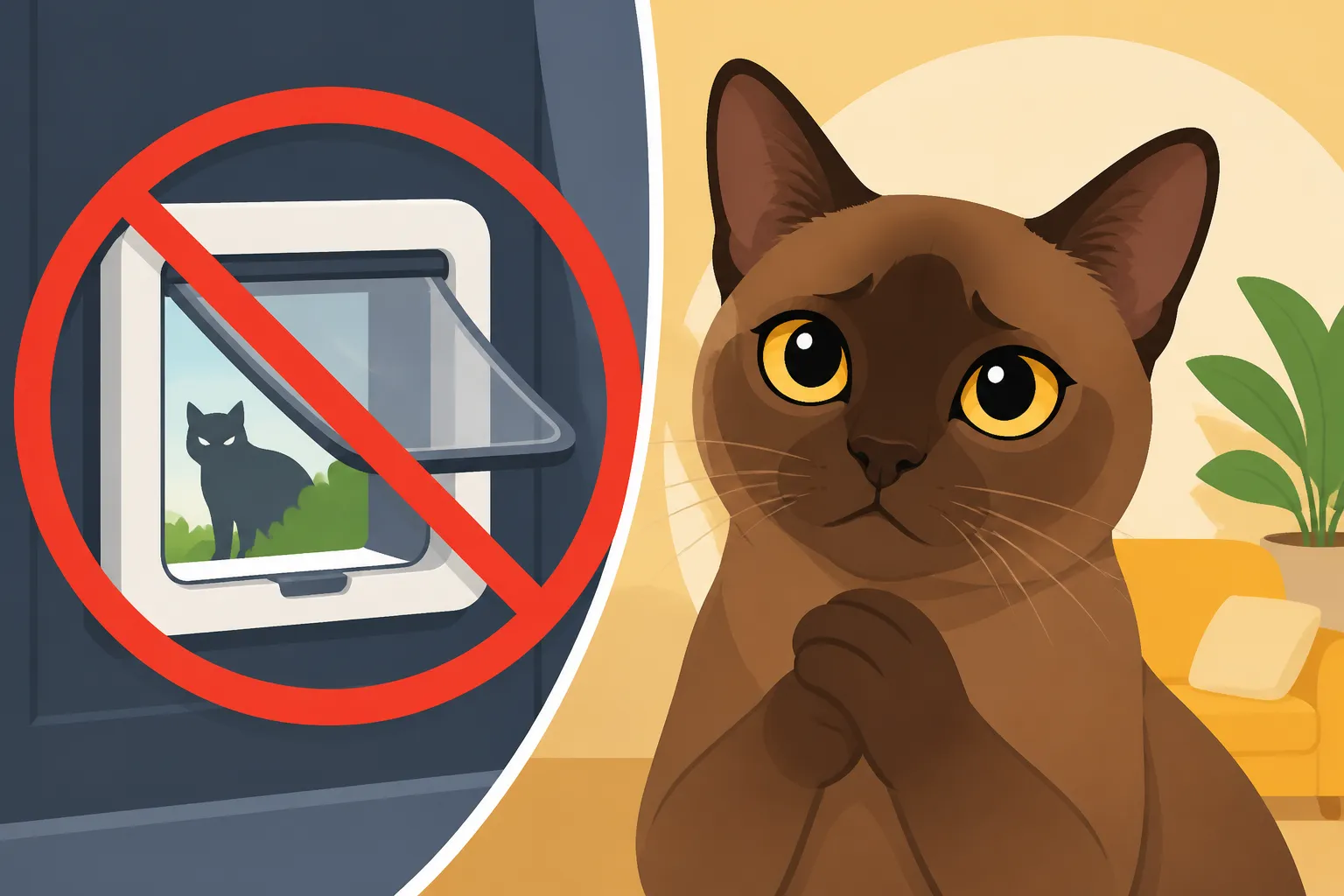
Given their unique blend of affection and trust, a cat flap, intended to offer freedom and convenience, actually fundamentally misaligns with a Burmese cat's core needs and puts them at unnecessary risk. It creates an illusion of independence that a Burmese neither truly desires nor is equipped to handle safely. For this particular breed, a cat flap doesn't just open a door to the outside; it opens a door to potential anxiety and danger.
Undermining Their Innate Need for Security
Burmese cats thrive on a stable, predictable, and secure environment, heavily reliant on their human companions for that sense of safety. A cat flap, by its very nature, encourages self-reliance and solo exploration. This goes against the grain of a Burmese's deep-seated need for companionship and their status as a "velcro cat." While some cats might enjoy the ability to come and go as they please, a Burmese is more likely to use the flap to go out, only to immediately look for you, or become anxious if you're not there to greet them.
The idea that a cat flap grants them "freedom" is often a human projection. For a Burmese, true freedom is feeling secure and loved within their family unit. Being able to access the potentially overwhelming and unpredictable outdoor world on their own can actually increase their anxiety, rather than fulfill them. They are not independent adventurers; they are loyal companions who want to share every experience with you. What Separation Anxiety Looks Like in a Burmese sheds light on how deeply they feel the absence of their people.
A Door to Disaster, Not Adventure
The design of a typical cat flap inherently assumes a level of street smarts and self-preservation instincts that a Burmese largely lacks. It assumes they will recognize danger, avoid strangers, navigate traffic, and defend themselves if necessary. As we've discussed, these are not the strong suits of the trusting Burmese. Instead of leading to joyful adventures, a cat flap for a Burmese often leads to:
- Getting Lost: A Burmese might wander further than intended, distracted by a new scent or sound, and then struggle to find its way back. Their attachment to people means they might try to follow a kind stranger home, assuming they're simply finding a new lap.
- Injury and Illness: Fights with other animals, accidents with cars, or encounters with toxic plants are all heightened risks when there's unsupervised access. The veterinary bills that follow such incidents can be substantial, not to mention the emotional toll.
- Theft: This remains a significant concern. A friendly Burmese is an easy target for someone who wants to take them, and a cat flap facilitates their easy exit and interaction with the public.
Consider the potential heartache against the perceived benefit. A cat flap offers convenience for the owner, but for a Burmese, it's less about convenience and more about exposure to risks they're uniquely unequipped to handle. It's truly a door to disaster for this trusting breed.
Here's a quick comparison of general cat flap considerations versus those specific to a Burmese:
| Feature/Consideration | General Cat Perspective | Burmese Cat Perspective |
|---|---|---|
| Independence/Freedom | Allows self-directed exploration and bathroom breaks. | Often leads to anxiety as they prefer companionship; increases vulnerability. |
| Convenience for Owner | No need to manually open/close doors. | Convenience is outweighed by significant safety risks and potential heartache. |
| Security | Can be microchip-activated to prevent strays entering. | Does not prevent your trusting Burmese from leaving and encountering dangers. |
| Outdoor Risks | Acknowledged, but many cats develop caution. | Amplified due to their extreme trust in strangers, lack of road sense, and eagerness to socialize. |
| Environmental Enrichment | Provides varied stimuli from the outdoors. | Can be achieved more safely and effectively indoors or in secure outdoor spaces. |
| Behavioral Impact | Can reduce indoor marking or boredom. | Can increase separation anxiety and lead to dangerous encounters without supervision. |
Crafting a Safe, Fulfilling Life for Your Burmese Indoors
So, if a cat flap is out of the question for your trusting Burmese, how do you ensure they lead a happy, enriched life? The answer lies in creating a stimulating and secure indoor environment, possibly coupled with carefully managed outdoor experiences. Remember, a Burmese's core need is companionship and engagement, which can be entirely fulfilled without the risks of unsupervised roaming.
The Power of Indoor Enrichment
An indoor Burmese doesn't have to be a bored Burmese. In fact, a thoughtfully designed indoor environment can provide all the stimulation and exercise they need. It’s all about intentionality.
- Interactive Play: Burmese cats are highly intelligent and retain their playful, kitten-like energy well into old age. Regular, vigorous play sessions are essential. Use wand toys, laser pointers (with a solid "catch" at the end to prevent frustration), and puzzle feeders. Amazon offers a vast array of interactive cat toys, from automatic lasers to treat-dispensing balls that can challenge their minds and keep them active. A good 20-30 minutes of dedicated play twice a day can make a huge difference. A Burmese Is Still Playing at Fifteen illustrates their enduring playfulness.
- Vertical Space: Cats naturally love to climb and observe from high vantage points. Provide cat trees, shelves, or wall-mounted perches. This not only gives them exercise but also a sense of security and territory.
- Window Watching: A safe window perch, especially one overlooking a bird feeder or busy street, can be hours of entertainment for a curious Burmese. It allows them to engage with the outside world visually without any of the risks.
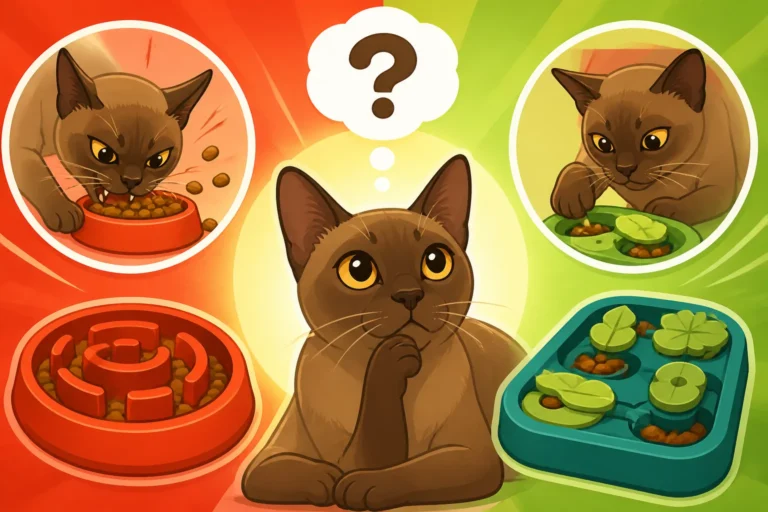
- Puzzle Feeders: These are fantastic for slowing down greedy eaters and engaging their minds. Instead of just putting food in a bowl, make them work for it. This simulates hunting behavior and can reduce boredom.
- Rotational Toys: Cats often get bored with toys if they're always available. Rotate their toys weekly to keep things fresh and exciting.
Secure Outdoor Experiences: Catios and Harnesses
While unsupervised outdoor access is a no-go, that doesn't mean your Burmese can never feel the grass beneath their paws or the sun on their satin coat. There are excellent, safe ways to provide controlled outdoor enrichment.
- Catios (Cat Patios/Enclosures): A catio is a secure, enclosed outdoor space that allows your cat to enjoy fresh air and sights without any risk of escape or exposure to dangers. They can range from small window boxes to elaborate, multi-level structures. Many DIY kits are available, or you can hire a professional to build one. This offers the best of both worlds: outdoor stimulation in a completely safe environment. Your Burmese can bask, watch birds, and even nap in the sun without you worrying about traffic or strangers. Whether a Catio Is Enough Company for a Burmese explores this option further. You can find ready-made catio kits or components on Amazon to get started.
- Harness and Leash Walks: Believe it or not, many Burmese cats can be leash trained and thoroughly enjoy short, supervised walks in safe, quiet areas. Their "dog-like" personality means they often take well to a harness and enjoy exploring new scents with their human by their side. Start training indoors with a comfortable harness, gradually introducing the leash, and then short excursions in a very secure, low-traffic area like your backyard. Always prioritize their comfort and safety.
- Supervised Garden Time: If you have a secure, enclosed garden, allow your Burmese supervised time outdoors with you. This means being actively present and watching them, not just letting them out and heading indoors. This ensures you can intervene if any danger arises or if they attempt to escape.
The Best Companion: Another Burmese
One of the most profound ways to enrich a Burmese's life and mitigate the challenges of being an indoor-only cat is to get them a companion. Burmese cats thrive in pairs, and a second Burmese often solves many potential behavioral issues that can arise from loneliness or boredom. They entertain each other, groom each other, and provide constant companionship, especially when you're not home.
Many reputable breeders will even recommend, or prefer, that you acquire two kittens together. This isn't just about making a second sale; it’s genuinely in the best interest of the cats. Two Burmese will keep each other company, play together, and snuggle, ensuring they always have a companion. This can drastically reduce the chances of them developing separation anxiety, pulling out their fur, or engaging in destructive behaviors due to boredom or loneliness. Why Burmese Breeders Sell Them in Pairs and Why Two Burmese Cost Less Than One Anxious One offer more insights into the benefits of having a pair.
Ultimately, the decision to forgo a cat flap for your Burmese isn't about restricting their life, but about protecting it. By understanding their unique, trusting nature and proactively creating a safe, stimulating indoor world, you ensure your beloved companion lives a long, happy, and secure life right by your side, exactly where they want to be.
Disclaimer
This article is for general informational purposes only and does not constitute professional advice. Laws, prices and regulations vary by location and change over time. Consult a qualified professional for guidance on your specific situation.