Why a Burmese Enjoys Being Handled From the Start
Many first-time Burmese owners are utterly charmed, and sometimes a little overwhelmed, by just how hands-on and physically affectionate these cats are from day one. You might have envisioned a cat that enjoys a quiet lap, but your Burmese kitten wants to be on you, under the duvet, and constantly in your arms. This guide will explore the fascinating reasons behind the Burmese's unparalleled love for being handled and how you can nurture this wonderful trait for a lifetime of happy companionship.
The Deep Roots of Burmese Sociability
It's no accident that your Burmese kitten practically melts into your arms the moment you pick them up. This isn't just a fluke; it's deeply ingrained in their very being, a combination of their unique genetic heritage and the meticulous way responsible breeders raise them. Unlike some more independent breeds, the Burmese was essentially designed for human connection, a characteristic that defines their endearing nature.
A History of Human Closeness
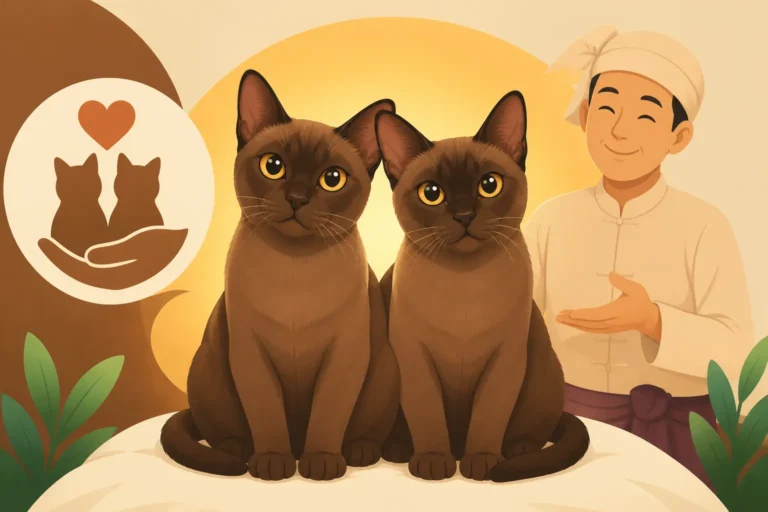
The story of the Burmese cat breed starts with a single cat called Wong Mau, brought from Burma (now Myanmar) to San Francisco in 1930 by Dr. Joseph Thompson. Wong Mau was distinctly different from the Siamese cats that were common at the time, particularly in her rich brown coloration and stocky build. Dr. Thompson, intrigued by her unique appearance and incredibly affectionate personality, embarked on a breeding program to understand and establish this unique feline.
Initially, Wong Mau was bred to a Siamese cat, which was a strategic move to understand the genetic components of her unique traits. The resulting kittens were a fascinating mix, some resembling Siamese in appearance and others sharing Wong Mau's distinct brown hue and sturdy physique. What truly stood out, however, was their temperament. These cats were consistently described as friendly, outgoing, and extremely devoted to their human companions, a remarkable consistency across the litters. This initial breeding program wasn't just about establishing a specific look; it was also, perhaps inadvertently, about solidifying a deeply sociable nature. The very foundation of the breed was built on a cat who thrived on human interaction, and subsequent selective breeding purposefully focused on perpetuating these desirable behavioral traits. Breeders deliberately chose individuals who exhibited the most outgoing, people-oriented personalities for their breeding lines, thereby reinforcing the "Velcro cat" reputation that Burmese are famous for today. This early dedication to both physical characteristics and an exceptional temperament meant that the desire for handling became a hallmark of the breed, a defining quality passed down through generations.
The Importance of Early Kittenhood
Beyond genetics, the way Burmese kittens are raised in their crucial early weeks plays an enormous role in their comfort with handling. Reputable breeders understand that socialization is paramount for these sensitive and people-oriented felines. From the moment they are born, Burmese kittens are typically handled extensively and gently. They are picked up, cuddled, and talked to daily, often by multiple family members, including children, which exposes them to various voices and types of touch. This constant positive exposure to human touch teaches them early on that hands are good, being held is safe, and people are a consistent source of comfort and affection.
Think about it: a kitten that is regularly scooped up for cuddles, held against a warm chest, and gently stroked quickly learns to associate human contact with security and pleasure. This early imprinting is vital, especially during their critical socialization window. By the time a Burmese kitten is ready to go to its new home, typically around twelve to fourteen weeks of age, they've had weeks of consistent, loving handling. They're already used to being held for nail trims, having their ears checked, and being examined, all done with patience and kindness from their breeder. This robust foundation makes the transition to a new home much smoother, and they arrive already expecting and thoroughly enjoying human interaction. A breeder who allows kittens to grow up without this vital handling might unintentionally produce a Burmese that is more wary, but this is incredibly rare for the breed, as their innate sociability usually overrides even less-than-ideal early environments to some extent. However, a well-socialized kitten is truly a treasure, ready to embrace all the cuddles you have to offer. Why a Burmese Kitten Insists on Being Handled delves deeper into these crucial early experiences that shape their temperament.
Understanding the Burmese 'Velcro' Nature
The term "Velcro cat" isn't just a cute nickname for the Burmese; it's a remarkably accurate description of their profound desire for physical closeness and constant interaction. Their enjoyment of being handled stems from a deep-seated need for companionship, expressed primarily through touch and proximity. It's a hallmark of the breed that truly sets them apart from many other feline companions, making them wonderfully interactive pets.
Physicality and Trust
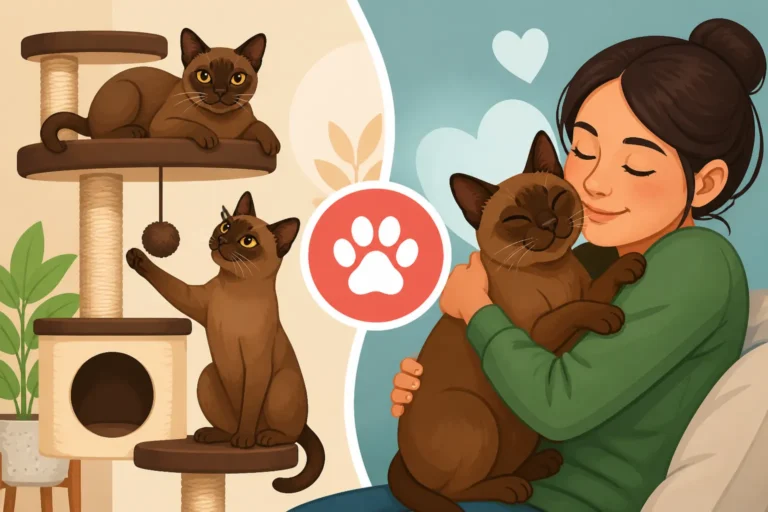
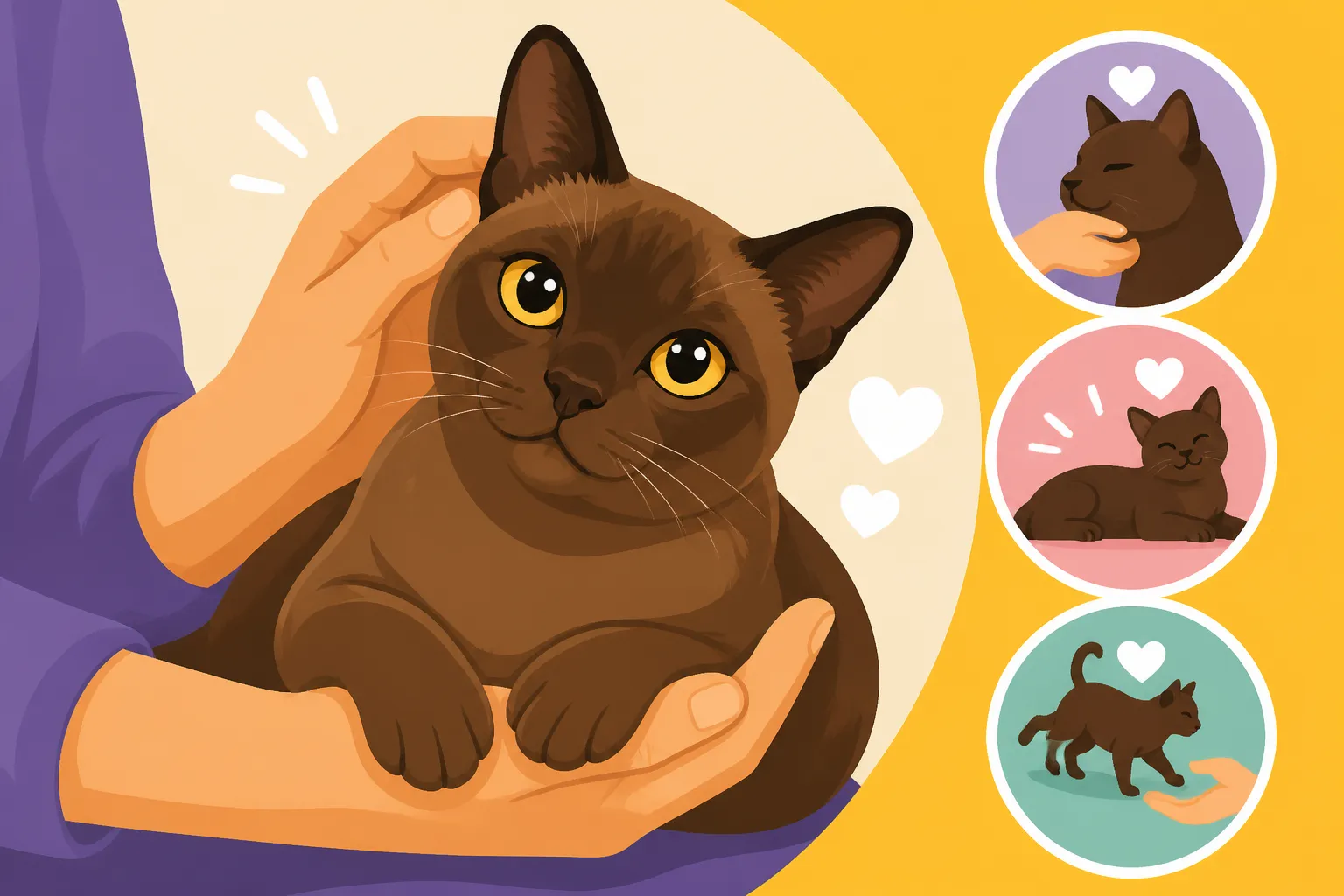
Burmese cats are known for their muscular, compact bodies, often affectionately described as a "brick wrapped in silk." This robust yet sleek build means they feel substantial and comforting in your arms, and they seem to revel in this physical connection. They'll often actively seek out opportunities to be picked up, nestling deeply into your shoulder or draped across your chest, making themselves as close as possible. This isn't just passive acceptance; it's active participation in the cuddle. You'll often notice them purring deeply the moment they're held, kneading their paws contentedly against you, and pushing their face into your hand or cheek in a clear gesture of affection and contentment.
Their trust in humans is quite extraordinary. They don't just tolerate being held; they actively demand it, often initiating the interaction themselves. Picture this scenario: you're sitting on the couch, engrossed in a book, and your Burmese leaps up, then immediately starts trying to climb your chest to settle onto your shoulder, purring loudly all the while. Or perhaps they walk alongside you, rubbing against your legs with insistent purrs, then stop and look up with wide, trusting eyes, clearly soliciting to be picked up and held. This isn't solely about seeking warmth, although their short, satin coat does mean they appreciate a cozy spot. It's fundamentally about companionship, security, and expressing their deep bond with you through physical contact. This profound trust makes them incredibly easy to handle for practical tasks too, like giving medication or applying flea treatment, which can be a significant struggle with less amenable or more independent breeds. Why a Burmese Pushes Its Face Into Your Palm further explores these intimate gestures of affection and trust.
Seeking Contact Over Solitude
One of the most defining characteristics of the Burmese is their absolute aversion to solitude. They are not the kind of cat content to simply share a house with you; they want to be with you, always, in the same room, preferably touching you. This intense need for constant companionship translates directly into their love for handling. If you're working at your desk, they'll often be on your lap or draped over your shoulder. If you're watching TV, they'll be curled up beside you, or often, directly on your chest or even snuggled under the duvet with you, seeking maximum closeness. They genuinely prefer being physically connected to you rather than occupying a separate space, even if it's just a few feet away.
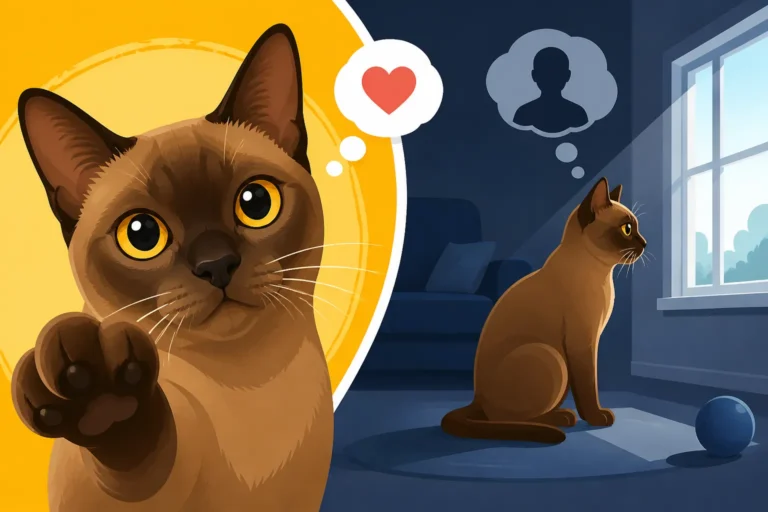
This preference for contact is so strong that leaving a Burmese alone for long periods can, unfortunately, lead to anxiety and sometimes even destructive behaviors. They need that interaction, that touch, that constant reassurance of your presence to feel secure and happy. A Burmese left alone all day while everyone is at work might exhibit signs of separation anxiety, such as pulling its fur out, chewing fabric, or becoming withdrawn, precisely because their fundamental need for companionship through physical contact is not being met. This is why many reputable breeders and seasoned Burmese owners strongly recommend acquiring two Burmese, or ensuring they have another compatible pet companion, so they are rarely, if ever, truly alone. The joy they get from being handled isn't just a fleeting moment of affection; it's a continuous, underlying current in their daily lives, a fundamental part of their happiness and overall well-being. Why a Burmese Cannot Be Left Alone All Day explains the profound consequences of this unmet need for companionship.
Nurturing Their Love for Handling Throughout Life
Since your Burmese already comes wired to enjoy physical affection, your role as an owner is largely to reinforce and integrate this natural inclination into their daily routine. This approach will not only strengthen your already deep bond but also make practical aspects of their care much easier and more enjoyable for both of you.
Gentle Introduction and Positive Reinforcement
Even though Burmese cats are predisposed to loving handling, it's still essential to always make it a positive experience, especially with a new kitten adjusting to its home or a rescue cat who might have had less consistent early socialization. Always begin with gentle strokes and soft, reassuring vocalizations. When you pick them up, do so confidently and securely, ensuring their body is well-supported to make them feel safe and comfortable. Talk to them in a calm, soothing voice, creating a peaceful atmosphere. Crucially, never force interaction; always allow them to initiate contact or quietly opt out if they're feeling overwhelmed, though with a Burmese, this desire to opt out is thankfully rare!
Positive reinforcement is your best friend in building on their natural affection. Every time they willingly engage in handling, reward them instantly with praise, a gentle scratch in their favorite spot (often under the chin or behind the ears), or a tiny, low-carbohydrate treat that fits into their daily weighed ration. This immediate reward creates a strong, positive association between being handled and feeling good. For instance, if you're gently brushing their incredibly sleek The Burmese Satin Coat Is the Shortest in the Cat Fancy with a soft chamois cloth—which is usually all their minimalist grooming needs—and they're purring contentedly, offer a small reward. Consistent, gentle handling from an early age will build an unbreakable bond of trust and affection. You can easily find small, cat-safe treats suitable for training purposes on platforms like Amazon, ensuring they are low in carbohydrates to support their health.
Integrating Handling into Daily Life
The true beauty of a Burmese enjoying being handled from the start is how seamlessly you can incorporate necessary care into your everyday cuddles and playtime. This thoughtful integration transforms routine tasks from potential struggles into bonding experiences, making them less stressful for both you and your feline companion.
- Grooming: Their short, satin coat needs minimal grooming, but a weekly wipe-down with a chamois cloth or a soft grooming glove can be turned into a delightful bonding session. Instead of it feeling like a chore, it becomes another cherished opportunity for gentle touch and affection. While they are on your lap, purring away, you can easily check their ears for cleanliness or gently wipe their eye corners to prevent staining.
- Nail Trims: Learning Trimming a Burmese's Claws While It Sits on You becomes significantly easier. They might even tolerate nail trims while draped comfortably over your shoulder or cradled securely in your arms, purring away, especially if the session is followed by a tasty reward. Their calm demeanor is a huge advantage here.
- Teeth Brushing: Given that Burmese are prone to gum disease and dental issues, regular teeth brushing from a young age is vitally important. Starting this routine early, while they are still kittens and inherently happy to be handled, can make it a stress-free, lifelong habit. A soft finger brush and cat-specific toothpaste can be introduced during cuddle time, associating it positively with attention and comfort. Brushing a Burmese's Teeth From Twelve Weeks offers excellent guidance on how to establish this crucial routine.
- Vet Visits and Health Checks: This is where their love for handling truly pays off in spades. A Burmese that is comfortable being touched and held will be far less stressed during veterinary examinations. They're much more likely to allow the vet to palpate their abdomen, check their joints, or even take their temperature with minimal fuss or resistance. This proactive comfort with handling means potential health issues, like early signs of gum disease or changes in body condition, can be detected sooner and more easily. How to Handle a Burmese for Insulin Injections details how this early comfort with handling can literally be life-saving if they develop conditions like diabetes. Even everyday tasks like weighing your Burmese regularly, a crucial step in managing their inherent diabetes risk, is much simpler with a cooperative cat. You can find reliable digital kitchen scales suitable for weighing small pets on Amazon, making this important routine straightforward.
Here's a quick look at how their handling preference benefits specific care tasks:
| Care Task | Benefit of Enjoying Handling |
|---|---|
| Grooming | Turns routine into a bonding experience, easier coat checks. |
| Nail Trimming | Less struggle, safer for cat and owner, less stress. |
| Teeth Brushing | Allows early introduction, vital for dental health. |
| Vet Examinations | Less stress, more thorough checks, early problem detection. |
| Medication | Easier administration, less trauma for both parties. |
| Weight Monitoring | Consistent and accurate weekly weigh-ins are feasible. |
The Profound Benefits of a Well-Handled Burmese
The effort—or rather, the sheer joy—you put into handling your Burmese from the start pays dividends throughout their entire life. It transforms daily care, deepens your connection, and contributes significantly to their overall health and happiness, making them truly exceptional companions.
Easier Care and Medical Examinations
A Burmese cat that genuinely enjoys being handled is a dream to care for. Imagine the stress relief for both you and your feline friend during routine health checks or unexpected vet visits. When a cat is calm and cooperative during an examination, the procedures are typically quicker, less invasive, and far more thorough. This proactive approach to care means potential health issues, such as early signs of gum disease, changes in body condition, or the onset of diabetes, can be detected sooner and addressed promptly. Why a Burmese's Gums Recede Early highlights the importance of meticulous oral care, which is made immeasurably simpler with a cat accustomed to mouth handling.
This inherent ease of handling extends well beyond the vet's office. If your Burmese ever needs ongoing medication, whether it's a daily pill or critically, insulin injections for diabetes, a calm, trusting cat makes the entire process infinitely less daunting. The fear and struggle often associated with medicating a resistant cat are largely absent with a well-handled Burmese. You can often administer treatments while they're relaxed in your lap, minimizing their discomfort and your own frustration. Investing in a good quality, comfortable cat carrier, perhaps one from Amazon with plenty of ventilation and easy top access, also makes travel to the vet less stressful, as they associate being picked up and placed inside with positive experiences, rather than just scary trips. Their calm demeanor under scrutiny is truly remarkable, as detailed in Why a Burmese Purrs Through a Vet Examination.
Enhanced Bond and Companionship
Beyond the practical benefits, the most significant reward of a Burmese that loves being handled is the unparalleled bond you form with them. These cats are not just pets; they are deeply integrated family members who thrive on closeness and affection, becoming an indispensable part of your household. Their intense desire for physical contact fosters a unique, almost palpable connection, creating a constant, comforting presence of warmth and unconditional love in your home.
This intense companionship means they are always there, a furry shadow, eager to share your space and receive your touch. They'll greet you at the door with their distinctive rasping rumble, follow you from room to room with an unwavering loyalty, and settle into any available lap or shoulder at a moment's notice. Their remarkable ability to remain playful and incredibly affectionate well into their senior years further enriches this bond, proving their enduring youthful spirit. A Burmese Is Still Playing at Fifteen illustrates just how long this spirited companionship can last. A Burmese quickly becomes an emotional anchor, a soft, purring presence that offers comfort and reduces stress with their constant demands for attention. Their open affection and enjoyment of physical contact make them incredibly responsive companions, always ready for a cuddle or an engaging game. This constant, loving interaction is not just good for them; it's incredibly enriching for you, solidifying their role as one of the most loving, intelligent, and engaged cat breeds you could ever hope to share your life with.
Disclaimer
This article is for general informational purposes only and does not constitute professional advice. Laws, prices and regulations vary by location and change over time. Consult a qualified professional for guidance on your specific situation.