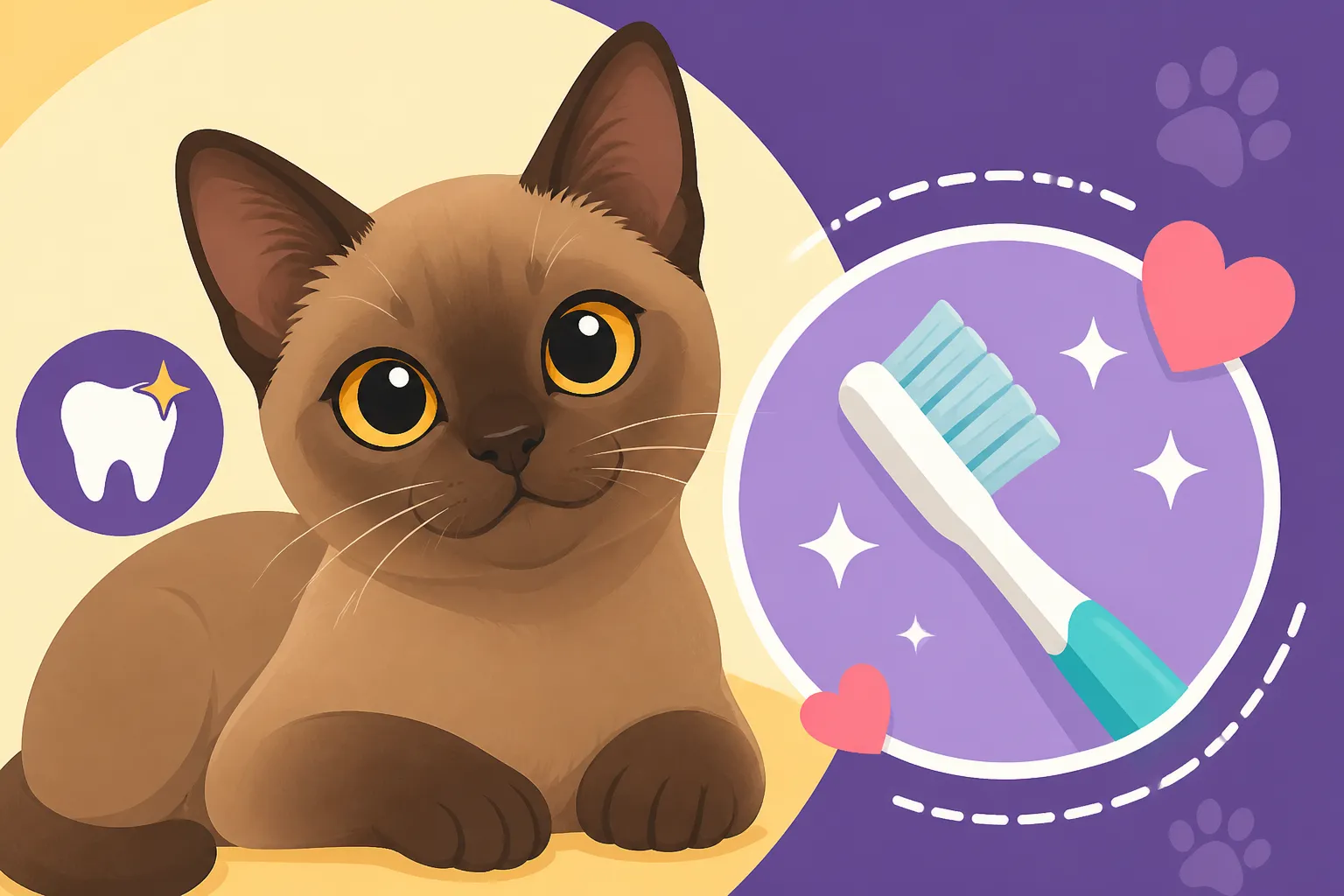
Getting a Toothbrush Into a Burmese Kitten’s Routine
It’s a task many cat owners dread, or simply put off, often until it’s too late: brushing their cat’s teeth. But for us Burmese enthusiasts, getting a toothbrush into our kitten’s routine isn't just a nicety; it's a critical component of their long-term health, helping to prevent painful and costly dental disease down the line. This guide will walk you through making dental care a positive and stress-free experience for your adorable Burmese kitten, setting them up for a lifetime of healthy smiles.
Understanding Why Dental Care Isn't Optional for Your Burmese Kitten
Let’s be honest, the thought of brushing a cat’s teeth can sound absolutely wild to some. Aren't cats supposed to take care of themselves? While our feline friends are fastidious groomers, their oral hygiene often needs a helping human hand, especially for breeds like the Burmese. Ignoring their dental needs from a young age can lead to a host of problems that nobody wants to deal with later on.
The Burmese Predisposition to Dental Disease
Our beloved Burmese cats, with their charming personalities and sleek coats, unfortunately, come with a genetic predisposition to certain health issues, and dental problems are high on that list. Unlike some breeds that might go years without a major dental concern, Burmese cats often develop gum disease and other oral issues much earlier in life. This isn’t just about bad breath; it can lead to pain, infection, and even impact their overall health. You might wonder, Why a Burmese Is Prone to Gum Disease? It often boils down to genetics and the way their mouths are structured, making them more susceptible to plaque and tartar buildup.
Without regular brushing, that soft plaque quickly hardens into tartar, which can only be removed by a veterinarian under anesthesia. Tartar irritates the gums, leading to gingivitis – inflamed, red, and often painful gums. If left untreated, this progresses to periodontitis, which can cause tooth loss, jawbone damage, and allow bacteria to enter the bloodstream, potentially affecting organs like the heart and kidneys. It’s a cascading effect that starts with something as simple as plaque. Starting early means you're building a preventative shield against these future battles.
Laying the Foundation for a Healthy Life
Introducing toothbrushing during kittenhood is really about positive association and habit formation. A kitten, generally from around twelve weeks, is far more receptive to new experiences than an adult cat who might have already formed strong opinions on what they like (and don't like!). Think of it as teaching a child good habits – the earlier you start, the more ingrained it becomes, and the less resistance you’ll face. This isn't just about their teeth; it's about conditioning them to accept handling, which is crucial for all kinds of vet visits and How to Get a Burmese Used to a Glucose Check if that ever becomes necessary.
By making brushing a calm, rewarding experience, you're not just preventing dental problems; you're strengthening your bond and helping your kitten feel secure with your touch. They'll come to associate the routine with gentle attention and tasty treats, rather than a scary ordeal. This early training can literally add years of comfort and health to their life, reducing the need for extensive (and expensive!) professional dental cleanings later. It really is an investment in their well-being, paving the way for The Sixteen to Eighteen Years a Well Bred Burmese Gets in good health.
Gathering Your Arsenal: Choosing the Right Tools for Tiny Teeth
Before you even think about putting a brush near your kitten's mouth, you need to assemble the right tools. This isn’t a one-size-fits-all situation; what works for a large dog certainly won’t work for a delicate Burmese kitten. The key here is comfort for your kitten and ease of use for you.
Selecting the Perfect Kitten Toothbrush
When it comes to toothbrushes, you’ll find a few options, but the goal is always a small, soft brush that won’t hurt their sensitive gums. Forget your own toothbrush; it's far too large and abrasive. For kittens, many owners start with a finger brush, which slips over your finger. This allows you to feel exactly what you're doing and offers a gentle introduction to the sensation. It also uses the familiar scent and touch of your finger, which can be comforting.
As they get a bit older and more accustomed, you can graduate to a small, soft-bristled toothbrush specifically designed for cats. These often have a tiny head that can navigate around their small mouths. Look for ones that are extra-soft. You might be surprised at the variety available; you can find excellent options on Amazon. Some popular choices include dual-ended brushes with different head sizes, or brushes with an angled neck for better reach. Which Brush Head Fits a Burmese's Short Muzzle is a crucial consideration, as a head that's too big will be uncomfortable and ineffective.
Here’s a quick overview of toothbrush types suitable for a Burmese kitten:
| Toothbrush Type | Pros | Cons | Best For |
|---|---|---|---|
| Finger Brush | Very gentle, direct feel, good for beginners | Can be chewed, limited reach | First introductions, very young kittens |
| Small Cat Toothbrush | Better reach, more effective cleaning | Can be intimidating initially | Kittens accustomed to finger brushing, older kittens |
| Electric Cat Toothbrush | Highly effective, some cats tolerate well | Noise/vibration can scare some, more expensive | Very tolerant cats, experienced brushers |
Remember, the best toothbrush is the one your kitten tolerates best and that allows you to clean effectively.
Finding the Right Feline Toothpaste
This is perhaps even more critical than the brush itself: never use human toothpaste on your cat. Human toothpaste contains fluoride and other ingredients that are toxic if swallowed, and cats, of course, swallow what’s in their mouth. You need a veterinary-approved enzymatic toothpaste made specifically for cats. These come in flavors cats love, like poultry, fish, or malt, making the experience much more appealing.
Enzymatic toothpastes also have the added benefit of containing enzymes that help break down plaque even with minimal brushing, so even if you don't get a perfect scrub every time, it's still doing good work. These specialized toothpastes are widely available at pet stores or online retailers like Amazon. Don't skimp here; Which Toothpaste a Burmese Will Actually Accept will be a game-changer for successful brushing. Experiment with a couple of flavors if your kitten is particularly picky. The goal is to make it a treat, not a chore.
Creating a Calm and Positive Environment
The success of your dental routine hinges significantly on the environment you create. This isn't a task to rush through when you’re stressed or in a hurry. Choose a time when your kitten is relaxed and a bit sleepy, maybe after a play session or a meal. A quiet corner of the house, away from distractions like other pets or loud noises, is ideal. You want this to be a moment of calm connection.
Have your treats ready! High-value treats are essential for positive reinforcement. It could be a dab of wet food, a tiny piece of cooked chicken, or their favorite commercial cat treat. The point is that they associate the dental routine with something incredibly rewarding. This calm, consistent approach builds trust and reduces anxiety, making the entire process far more pleasant for both of you.
The Gentle Art of Introduction: Starting the Brushing Routine
Now that you have your tools, it’s time to start the actual process. Remember, patience is your greatest ally here. This isn't a sprint; it's a marathon, broken down into tiny, manageable steps.
Step 1: Acclimation to Touch
Before any brush comes out, your kitten needs to be comfortable with you handling their mouth. Start by gently stroking their face and chin, praising them softly. Gradually, move to lifting their lips, exposing their gums and teeth. Do this for just a few seconds at a time, followed immediately by a treat and praise. Do this several times a day for a few days until they seem completely relaxed with the touch. Think of it as a massage. The more accustomed they are to gentle facial handling, the easier the next steps will be. A kitten that’s used to being handled from birth, as many well-socialized Burmese kittens are, will have a distinct advantage here, thanks to What a Burmese Kitten Has Already Learned by Twelve Weeks.
Once they're comfortable with you touching their muzzle, introduce a tiny bit of the enzymatic toothpaste on your finger. Let them lick it off. Most cats find the flavored toothpaste delicious, which helps create a positive association right away. Do this for a few days, letting them get used to the taste and texture. This simple step can really lower their guard.
Step 2: Introducing the Brush (and Toothpaste)
Once your kitten is happy with the taste of the toothpaste on your finger, it’s time to bring in the finger brush or soft kitten toothbrush. Put a pea-sized amount of toothpaste on the brush. Let your kitten sniff it, maybe even lick a little off. Then, gently lift their lip and try to rub the brush very briefly against one or two teeth, focusing on the outside surfaces where plaque accumulates most. You don't need to get every tooth right away.
The first few sessions might just involve touching the brush to their gums for a second or two. The moment they tolerate it, even briefly, stop, praise them effusively, and give them a treat. This is crucial for positive reinforcement. Keep sessions extremely short, perhaps 10-15 seconds at first, and gradually increase the duration over days or even weeks. It’s better to have a short, positive interaction than a long, stressful one.
Step 3: Mastering the Brushing Technique
As your kitten becomes more accepting, you can start to gently brush with small, circular motions, focusing on the gum line. Aim for about 30 seconds per side of their mouth, if possible, but don't force it. The outside surfaces of the teeth are the most important, as this is where food and bacteria tend to accumulate. Don't worry too much about the inside surfaces; their tongues usually do a decent job there.
Try to get to the molars at the back, as these are often prime spots for plaque buildup. Again, keep it gentle. This isn't a scrubbing session; it's more of a gentle massage to disrupt plaque. If your kitten starts to resist, stop immediately. End on a positive note, even if you only managed a few strokes. Always follow up with a reward. Consistency is more important than perfection at this stage. You’ll find that Whether a Burmese Can Be Brushed at Home becomes a resounding 'yes' with this consistent, gentle approach.
Solidifying the Habit: Making Dental Care a Lifelong Joy
The goal isn’t just to introduce brushing but to integrate it into your Burmese’s daily life so it becomes as routine as mealtime. This takes dedication, but the payoff in their health and comfort is immense.
Consistency is Key: Building a Routine
Just like humans need to brush daily, so too should your Burmese. Aim for once a day, or at least every other day. Establishing a regular schedule helps your kitten anticipate the routine, reducing anxiety. Maybe it’s right before their favorite evening cuddle, or immediately after their morning play. Choose a time that works for both of you and stick to it. Over time, your kitten will understand that this is just part of their day.
If you miss a day, don't fret! Just pick up where you left off. The occasional missed session won't undo all your hard work. What matters is the overall consistency and the positive association. This routine will become a cornerstone of their long-term health, helping to prevent the kind of issues that can lead to Why a Burmese Loses Teeth in Its Teens.
Troubleshooting Common Challenges
Even with the best intentions, you might hit some bumps in the road.
- Resistance: If your kitten suddenly becomes resistant, take a step back. Revisit the earlier steps of simply handling their mouth or letting them lick the toothpaste. Rule out any pain; if they’re suddenly very sensitive, a vet check might be in order to ensure there’s no underlying issue.
- Biting: A kitten that bites or mouths the brush isn't necessarily being aggressive; they might be playing or uncomfortable. Try a different type of brush, or increase the positive reinforcement. Ensure your fingers are protected if using a finger brush. If it persists, ensure you end the session before they get to that point, reinforcing calmness.
- Time Constraints: We all lead busy lives. If daily brushing isn't feasible, aim for every other day. Even a few times a week is significantly better than nothing at all. Remember, this is about progress, not perfection.
The Role of Diet and Other Dental Aids
While brushing is the gold standard, diet also plays a critical role in dental health for a Burmese. A high-quality, low-carbohydrate wet food diet can help reduce the buildup of plaque. Dry kibble, despite common myths, generally does very little to clean teeth and can contribute to dental problems due to its carbohydrate content. Why Low Carbohydrate Food Matters for a Burmese extends beyond diabetes prevention; it's good for their oral health too.
There are also dental treats and water additives available, but these should always be considered supplemental to brushing, not a replacement. Always check with your vet before introducing any new dental products, as some may not be suitable for your Burmese, especially given their predispositions.
By making brushing a priority, consistently practicing gentle techniques, and pairing it with positive reinforcement, you’ll give your Burmese kitten the best possible start for a healthy, comfortable life. You're not just brushing teeth; you're building a foundation of care and trust that will last for years.
Disclaimer
This article is for general informational purposes only and does not constitute professional advice. Laws, prices and regulations vary by location and change over time. Consult a qualified professional for guidance on your specific situation.