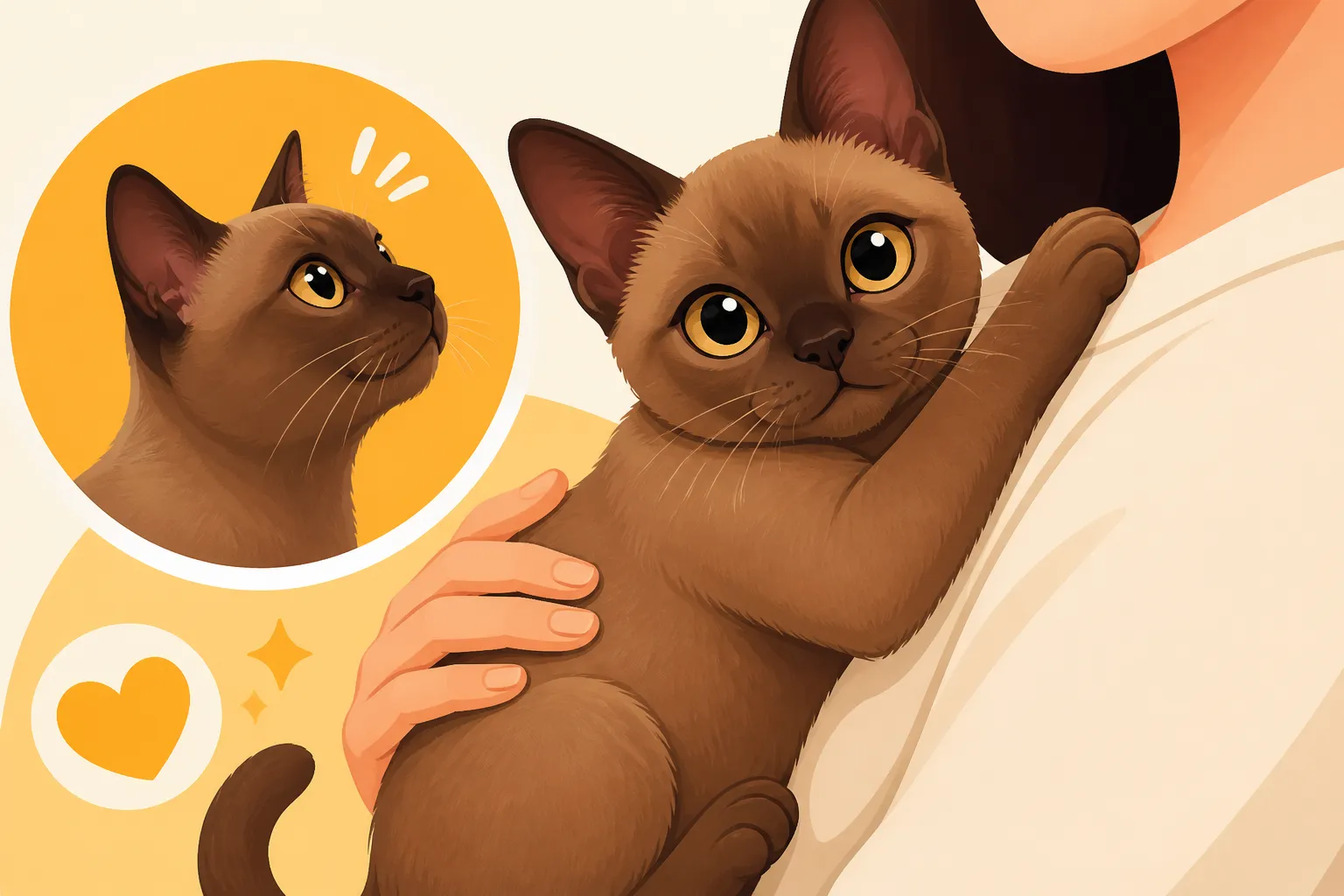
Why a Burmese Kitten Insists on Being Handled
If you've welcomed a tiny, purring bundle of Burmese joy into your home, you've probably noticed something pretty quickly: this isn't a cat that's content to observe from a distance. A Burmese kitten insists on being handled, demanding your attention and physical closeness with an almost relentless charm that can be both endearing and, at times, a little bewildering. This comprehensive guide will explore the profound reasons behind this intense need for human contact, helping you understand, appreciate, and lovingly manage your highly affectionate new family member.
The Deep-Rooted Affection of the Burmese Breed
It’s no secret that the Burmese cat is renowned for its people-oriented nature. From the moment they arrive, these kittens demonstrate a profound desire for physical interaction, often surprising first-time owners with their level of insistence. This isn't just a quirky personality trait; it's a fundamental characteristic woven into the very fabric of the breed.
A Legacy of "Velcro Cat" Affection
The Burmese cat didn't just stumble into being a "Velcro cat"; this trait was, to a degree, selectively bred for. Early breeders cherished and encouraged the intensely social and human-focused aspects of their developing lines. This intentional focus on temperament means that modern Burmese kittens are born with an innate predisposition to seek out and thrive on human interaction. They aren't just friendly; they are truly hardwired for companionship.
Imagine a tiny, compact kitten, not much bigger than your hand, wiggling its way across the floor with single-minded determination, straight for your feet. It purrs loudly, bumps its head against your ankle, and then, if you kneel down, it attempts to scale your leg like a tiny, furry mountaineer. This isn't just curiosity; it's a deep-seated need for physical touch and acknowledgment. They don't just want to be near you; they want to be on you, in your lap, or even riding on your shoulder. They genuinely believe they are part of you, and any distance between you is an oversight they are determined to correct. This unwavering devotion is precisely why many refer to them as The Burmese Is the Velcro Cat of the Cat Fancy. They stick to you, following your every move, and if you stop, they expect you to be available for cuddles.
Seeking Warmth and Security
Another significant factor contributing to a Burmese kitten's insistence on being handled is their physical makeup. These cats have incredibly short, fine coats that feel like satin, and very little undercoat to provide insulation. While this makes for a stunningly sleek appearance, it also means they can get cold quite easily. Human laps, arms, and bodies are wonderfully warm and provide a living, breathing heat source that is deeply comforting.
Think about it from their perspective: they've just left the warmth and constant physical contact of their mother and littermates. Your hands, your lap, and your chest are the next best thing – a safe, warm haven. When a Burmese kitten burrows into your side, or stretches out along your arm as you stroke them, it’s not just about getting attention. It’s a profound quest for comfort and security. This physical closeness mimics the secure environment they experienced in their earliest days, fostering a sense of safety and belonging. It’s a primal instinct, really. Being held firmly yet gently signals that they are protected and cared for, reducing any anxieties they might have about their new, vast world. This constant seeking of warmth and reassurance is a testament to their sensitive nature and their physical needs.
The Crucial Role of Early Socialization and Handling
For any kitten, early socialization is vital, but for a Burmese, it's absolutely paramount. The breed's inherently social nature means that consistent, positive handling during their formative weeks deeply imprints on their developing personalities, shaping them into the confident, affectionate adults they are meant to be.
Imprinting on Human Caregivers
Burmese kittens are incredibly receptive to human interaction from a very young age. They quickly learn that human hands bring all the good things in life: delicious food, gentle strokes, engaging play, and comforting warmth. This forms a powerful positive association, creating an indelible imprint on their minds. A well-socialized Burmese kitten will see your hands not as something to fear or avoid, but as a source of immense pleasure and security.
This early period, roughly from birth up to around 12-14 weeks, is a critical window for learning. Breeders often spend countless hours handling their Burmese litters, ensuring each kitten is accustomed to being picked up, cradled, and interacted with. This isn't just a nice-to-have; it's essential for their emotional development. By the time they come home to you, a Burmese kitten has already built a foundational understanding of human interaction, often surprising new owners with How a Burmese Kitten Has Already Learned by Twelve Weeks. They are ready to attach themselves to you with an impressive speed, eager to continue that bond. Your consistent, gentle handling reinforces this positive imprinting, teaching them that you are their ultimate source of safety, comfort, and fun.
Learning Boundaries and Trust Through Handling
Consistent handling isn't just about making them feel loved; it's also how Burmese kittens learn crucial boundaries and develop trust. During play, kittens naturally use their paws and mouths. Through gentle handling and redirection, they learn what is acceptable behavior when interacting with humans. If a kitten gets too boisterous, a moment of stillness or a gentle "no" can teach them that sharp claws or teeth aren't welcome on human skin.
It’s a dance of communication. When you gently hold your kitten, you're teaching them about appropriate physical interaction. You're showing them that your hands are safe, and that while play can be vigorous with toys, human skin is delicate. This process helps them temper their natural playful instincts, ensuring they grow into adults that are careful and affectionate rather than prone to roughhousing with your bare arms. This is especially important when they are in their "mouthy" stage, learning about their environment through their teeth, which is when Why a Burmese Kitten Mouths Your Hands becomes very relevant. By maintaining consistent and calm handling, even when they're being a little wild, you build a profound layer of trust. They learn that you are a benevolent, consistent presence in their lives, someone they can always rely on for comfort and guidance, not just fleeting attention.
What Insistent Handling Looks Like and How to Respond
For those new to the breed, the sheer persistence of a Burmese kitten can be a revelation. Understanding their cues and knowing how to respond effectively will strengthen your bond and ensure their emotional needs are met, even if you can't be a human chair 24/7.
Recognizable Cues for Wanting Attention
A Burmese kitten isn't shy about making its desires known. Their insistence on being handled manifests in a variety of clear and charming behaviors. You’ll notice them following you from room to room, a tiny shadow that weaves between your legs. If you sit down, they’ll be in your lap within seconds, often purring like a tiny motor and kneading contentedly. If you're standing or walking, they might jump up onto your leg or chest, clearly indicating they want to be picked up. Many will give you The Signal a Burmese Gives Before It Climbs You, usually a focused gaze and a little spring in their step, before attempting to scale you. They are masters of persuasion!
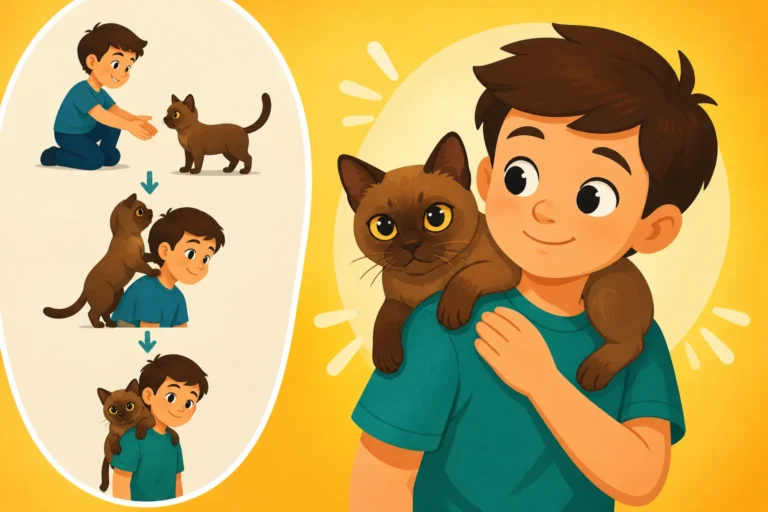
They'll also use their unique vocalizations – a throaty, rasping rumble that is distinct from the typical meow. This isn't a demand, exactly, but a persistent plea for engagement. They might rub their faces against your hand or cheek, an affectionate gesture of scent marking and bonding. And don't be surprised if they try to get Why a Burmese Rides on Your Shoulder – it's their favorite vantage point and a way to be as close to your head as possible. They thrive on physical contact and will use every tactic in their adorable arsenal to secure it. Observing these cues allows you to understand their profound need for connection and respond in ways that affirm your bond.
Balancing Their Needs with Your Routine
While their affection is undeniably heartwarming, it's not always practical to hold your Burmese kitten all the time. Life, after all, must go on! The key is to find a balance between meeting their intrinsic need for contact and maintaining your own routine. Instead of constantly picking them up, try creating opportunities for closeness and interaction. When you are sitting, invite them onto your lap or next to you on the sofa. If you’re working at a desk, consider a cat tree or a cozy bed nearby where they can be close to you without being on you. An orthopedic pet bed found on Amazon, for example, can provide warmth and comfort similar to a lap, encouraging them to rest near you.
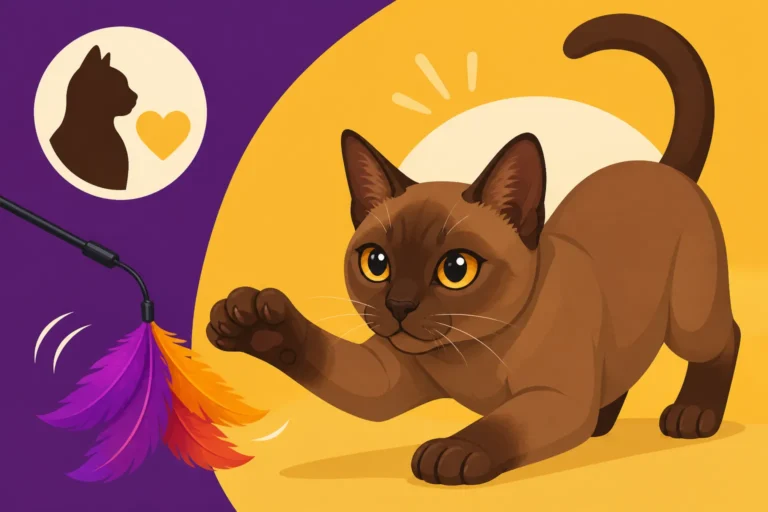
Structured play sessions are also incredibly important. Dedicate 10-15 minutes, several times a day, to active play with wand toys or laser pointers. This fulfills their need for interaction and exercise. Even when you're not actively holding them, simply being in the same room and offering an occasional stroke or a kind word can go a long way. If you find your Burmese kitten is truly struggling with periods of solitude, despite your best efforts, you might notice Why a Burmese Cannot Let You Leave the Room. This intense attachment is why many breeders strongly recommend acquiring Burmese kittens in pairs. Why Burmese Breeders Sell Them in Pairs because two Burmese cats can provide each other with much-needed companionship when you're busy, reducing their reliance on you for all their social needs and ensuring How Fast a Burmese Attaches to a New Household to its new feline companion. This helps mitigate separation anxiety and allows them to continue their playful, affectionate nature with a peer.
It’s also important to get them used to being handled for necessary care from a young age. While their inclination to be held makes this easier, it’s still a training process. Think about What a Burmese Kitten's First Exam Should Cover at the vet – your kitten will be poked and prodded, and being used to handling makes this less stressful. Even mundane things like getting them used to a carrier, perhaps by leaving it open with a soft blanket inside (you can find many cozy options on Amazon), can make future travel less daunting. And if you have children, gentle guidance on Teaching a Child to Carry a Burmese on a Shoulder correctly and safely will ensure positive interactions for everyone. By proactively integrating their needs into your lifestyle, you create a harmonious environment where your Burmese kitten feels loved, secure, and confident, even when they're not physically in your arms.
| Characteristic | Burmese Kitten Handling Needs | Other Independent Breed Kitten Handling Needs |
|---|---|---|
| Innate Desire for Touch | High; seeks constant physical contact | Moderate to low; may prefer to observe |
| Vocalization | Persistent, throaty rumbling for attention | Varied, but often less insistent |
| Following Behavior | Will actively follow and seek proximity | May follow, but often maintains distance |
| Warmth Seeking | Strong; drawn to laps/bodies for heat | Less pronounced, may seek sunbeams/beds |
| Response to Being Held | Generally melts into hands, purrs deeply | May tolerate, squirm, or prefer ground |
| Learning Boundaries | Learns quickly through consistent handling | Requires more deliberate training |
| Acceptance of Strangers | High; often approaches new people for pets | More reserved, may hide or be wary |
Ultimately, a Burmese kitten insists on being handled because it is deeply ingrained in their very nature. They are born with a predisposition for intense connection, reinforced by their physical needs for warmth and security, and shaped by early, consistent socialization. Understanding these factors allows you to not only meet their needs but also to deepen the incredible bond you share with this truly special and endlessly affectionate companion.
Disclaimer
This article is for general informational purposes only and does not constitute professional advice. Laws, prices and regulations vary by location and change over time. Consult a qualified professional for guidance on your specific situation.