Why a Burmese Sleeps Against a Dog
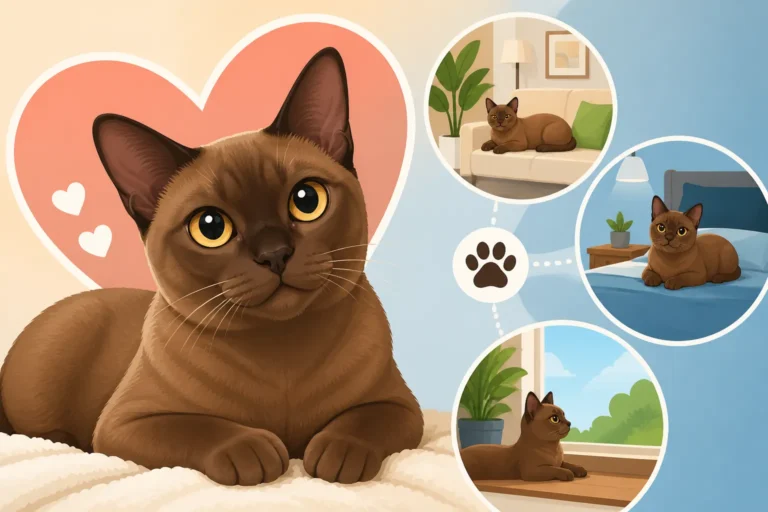
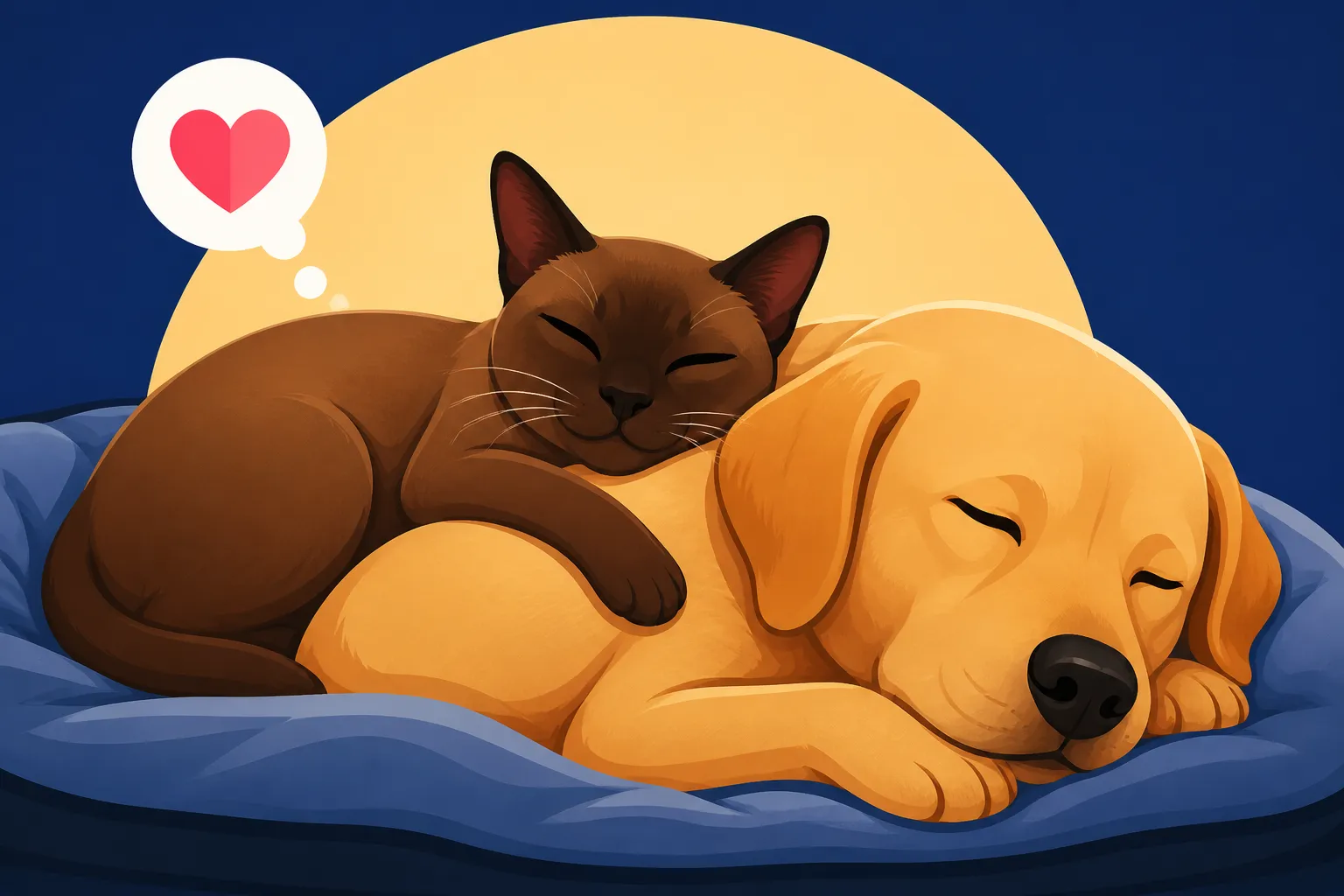
Seeing your sleek, elegant Burmese cat curled up tight against your beloved dog might seem a little unusual if you're used to the traditional cat-and-dog rivalry narrative. But for anyone who knows the Burmese, it makes perfect sense. These cats are absolute magnets for warmth and companionship, and sometimes, a big, furry, warm dog fits that bill perfectly. This guide will explore the deep-seated reasons why your Burmese finds such solace and comfort in snuggling up to its canine housemate, from their unique personality traits to their physical needs.
The Burmese: A Cat That Craves Company
Burmese cats are not your typical aloof felines. They are renowned for their intense need for interaction and physical closeness, a trait that often earns them the nickname "dog-like" in the cat world. This isn't just a quirky preference; it's a fundamental aspect of their being that shapes how they interact with their environment and its inhabitants.
More Than Just a Lap Cat
If you own a Burmese, you know they don't just like being near you; they need it. They are famous for being "Velcro cats," constantly sticking by your side, following you from room to room, and often perching on your shoulder like a parrot. This profound social drive isn't reserved solely for humans. It extends to any consistent, comforting presence in their home. They thrive on connection, and a dog, if properly introduced and gentle, can become a crucial part of their social circle. The Burmese Is the Velcro Cat of the Cat Fancy
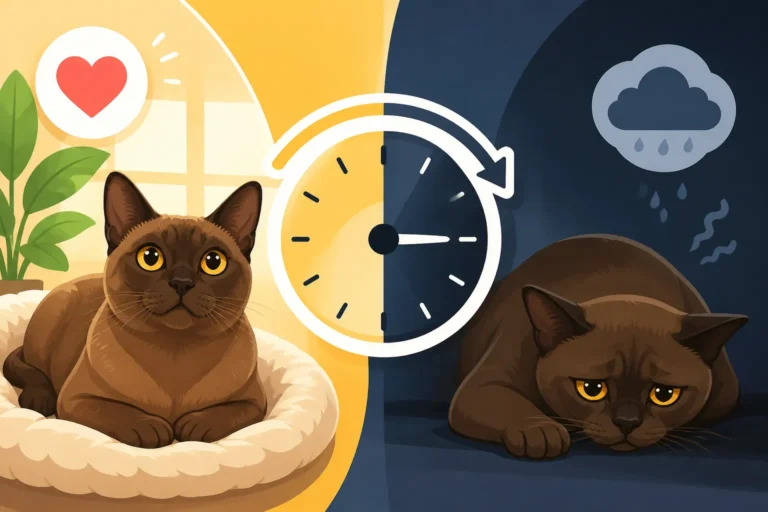
This intense need for companionship means that a Burmese left without interaction can quickly become distressed. They are not suited to being left alone all day, and solitude can lead to noticeable signs of anxiety, from excessive vocalization to destructive behaviors. In such scenarios, another pet, especially a calm and available dog, can fill a significant void, providing the constant, reassuring presence that a Burmese craves. It's not about replacing you, but about ensuring they are never truly alone, which is a major comfort for this breed. Why a Burmese Cannot Be Left Alone All Day
The Instinct to Cuddle for Security and Comfort
From the moment they are born, Burmese kittens are wired for closeness. They are often sold in pairs by responsible breeders precisely because they thrive with constant interaction and shared warmth. This deep-rooted instinct to huddle together for both physical and emotional security doesn't fade as they mature. It simply shifts its focus from littermates to their new family members.
A dog, with its larger size and often consistent, reassuring presence, can fulfill this inherent need for security. When your Burmese tucks itself against your dog, it's often seeking that primal comfort, that sense of being part of a warm, safe huddle. It’s a way for them to feel secure and protected, especially during quiet times or when their human companions are otherwise occupied. This connection can become a powerful bond, offering mutual comfort and stability. Think of it as a deep, wordless understanding of mutual support. Why Burmese Breeders Sell Them in Pairs
Seeking Warmth and Physical Comfort
Beyond emotional security, there's a very practical, physical reason why your Burmese might choose a dog as its personal heating pad: their distinctive coat and corresponding sensitivity to temperature.
The Burmese's Unique Coat and Temperature Sensitivity
The Burmese is celebrated for its incredibly short, fine, and exquisitely soft coat that feels like satin. While stunning, this coat lacks the thick undercoat that many other cat breeds possess. This means they offer very little insulation against the cold. Consequently, Burmese cats are notoriously sensitive to cooler temperatures and are constantly on the hunt for warm spots. You'll often find them draped over radiators, basking in sunbeams, or burrowing deep under blankets and duvets. Why a Short Coated Burmese Seeks Body Heat
Enter the dog: a living, breathing, furry furnace! Dogs generally have a higher body temperature than cats, and many breeds come equipped with thick, insulating fur that radiates heat. For a temperature-sensitive Burmese, a large, warm dog isn't just a friend; it's a strategically chosen heat source. Nestling against a dog's warm flank or tucking themselves under a furry limb provides an immediate, consistent, and wonderfully comfortable source of warmth. This practical benefit is a huge motivator for the Burmese to seek out canine companionship, particularly during cooler weather or in air-conditioned homes. It’s simply the most efficient way to stay cozy. Why a Burmese Gets Under the Duvet
The Art of Shared Snuggling Spaces
Burmese cats are masters of comfort and convenience. If a dog's bed is plush, warm, and currently occupied by a large, heat-generating canine, a Burmese sees an opportunity, not a boundary. They don't typically see it as invading territory, but rather as optimizing their own comfort. This often leads to adorable scenes of your Burmese nestling right in, sometimes using your dog's back as a pillow, or tucking themselves into the curve of their body.
These shared snuggling arrangements often become a cherished ritual for both animals. The dog gets a warm, purring companion, and the cat gets its desired warmth and proximity. To encourage this, you can invest in large, plush pet beds, perhaps even one designed for multiple pets, readily available on Amazon. These provide ample space for both your Burmese and dog to comfortably share, making it an inviting spot for their joint siestas. You might even find your Burmese occasionally opting for a different kind of warmth, like a self-heating cat bed found on Amazon, when the dog is off chasing squirrels.
Fostering a Harmonious Cross-Species Relationship
While the Burmese's nature lends itself well to multi-pet households, a successful and heartwarming friendship between your cat and dog doesn't just happen. Thoughtful planning and consistent effort are essential to ensure both animals feel safe, secure, and happy.
Introducing Cats and Dogs Thoughtfully
The key to a peaceful cohabitation, and ultimately, shared napping, lies in gradual and positive introductions. Rushing the process can create stress and fear, making long-term bonding much harder. Start by allowing them to get used to each other's scents before any direct visual contact. You can swap blankets or bedding, or simply allow them to smell each other under a closed door.
Once scents are familiar, move to supervised visual contact through a baby gate or screen, rewarding calm behavior with treats. Gradually increase the time they spend in the same room, always with you present, ready to intervene if needed. Ensure your Burmese has high places to retreat to if it feels overwhelmed, like a cat tree or a shelf. Positive reinforcement, such as giving them special treats or playing with an interactive toy, can help build positive associations. Consider a puzzle feeder from Amazon for your Burmese during these initial meetings, so they associate the dog's presence with something rewarding and distracting.
Choosing the Right Canine Companion
Not all dogs are equally suited to sharing a home, let alone a bed, with a highly social cat like a Burmese. Breeds known for their lower prey drive, gentle nature, and calm demeanor typically make the best candidates. Think of dogs that are more interested in napping and cuddling than in high-energy chasing games. Golden Retrievers, Greyhounds (often surprisingly gentle), and many older, well-socialized dogs can be wonderful companions. Which Dogs Will Let a Burmese Sleep on Them
The individual dog's personality is paramount. A calm, tolerant dog that understands and respects feline body language is far more likely to accept a Burmese snuggling up to them. If you’re considering adding a dog to your Burmese household, observe how the prospective dog interacts with other small animals or cats. A dog that is patient, respectful, and enjoys quiet companionship will be a much better match than one with an overly boisterous or predatory nature. Remember, a peaceful co-existence is built on mutual respect and comfort.
Providing Ample Resources and Space
Even in the most harmonious multi-pet household, it's crucial that each animal has its own dedicated resources and personal space. This minimizes any potential for competition or stress. Ensure there are multiple litter boxes (the general rule is one per cat plus one extra), separate food and water bowls, and individual sleeping spots. While they might choose to share the dog's bed, your Burmese should always have alternative, safe places to retreat.
High perches, such as tall cat trees or cat-friendly shelves, are vital for your Burmese. These elevated spots offer a sense of security and allow your cat to observe the household from a safe vantage point, away from the dog if needed. Cozy tunnels, enclosed beds, or soft blankets in quiet corners also provide comfort. Investing in a variety of soft beds and blankets, perhaps a plush donut bed or a warm fleece blanket from Amazon, can give your Burmese options for snuggling, whether with the dog or solo. Even the closest companions appreciate having their own space for quiet reflection or a solitary nap. Why a Burmese Sleeps Against Another Cat
Here’s a quick overview of why your Burmese might gravitate towards sleeping against your dog:
| Factor | Burmese Instinct | How a Dog Fulfills It |
|---|---|---|
| Companionship | Intense need for constant physical presence; dislikes solitude and craves interaction. | Provides a consistent, warm, and reassuring body to snuggle against, mitigating loneliness and satisfying social needs. |
| Security | Seeks comfort and reassurance in proximity to others, feeling safe within a 'huddle'. | Acts as a calm, stable presence, offering a sense of protection and emotional anchor in the home. |
| Warmth | Short, single coat offers minimal insulation; actively seeks out heat sources. | Generates ample body heat and provides a large, furry surface for insulation, acting as a natural 'heating pad'. |
| Physical Comfort | Enjoys soft, plush surfaces and close physical contact for napping. | Offers a soft, often large, and malleable surface perfect for leaning, cushioning, and intimate napping. |
Ultimately, a Burmese choosing to sleep against a dog is a beautiful testament to their incredibly social nature and their innate drive for warmth and comfort. It's a relationship built on trust, mutual benefit, and the deep, silent understanding that sometimes, the best place to be is right next to a warm, furry friend.
Disclaimer
This article is for general informational purposes only and does not constitute professional advice. Laws, prices and regulations vary by location and change over time. Consult a qualified professional for guidance on your specific situation.