Which Treats Fit Inside a Burmese’s Weighed Ration
It’s a universally acknowledged truth among Burmese cat parents: your sweet, affectionate, shoulder-riding companion is also a tiny, adorable food fiend. Their intense love for food can make giving treats a real balancing act, especially when you know the breed's predisposition to health issues like diabetes. This guide is all about navigating that tricky terrain, helping you understand how to choose treats that don't derail their carefully managed diet and how to fit those special morsels into their already weighed and measured daily ration.
The Burmese Love Affair with Food: Why Treats Are a Minefield
Let's be honest, your Burmese probably acts like they've never been fed in their life, even five minutes after a hearty meal. This intense food drive is part of their charming, if sometimes frustrating, personality. They're smart, they're persistent, and they will try every trick in the book – from headbutts to purring theatrics – to convince you they need just one more bite. But for a breed with such a high risk of diabetes, every calorie and every carbohydrate counts, turning the simple act of giving a treat into a thoughtful decision.
Understanding the Carbohydrate Connection
The biggest challenge with many commercial cat treats isn't just the calorie count, it's the carbohydrate load. Burmese cats are genetically prone to developing diabetes, a condition that can often be managed, or even put into remission, through strict dietary control, particularly focusing on low carbohydrates. Why a Burmese Is Four Times More Likely to Become Diabetic This means those crunchy, often grain-filled treats that line pet store shelves can be far more detrimental to a Burmese than they would be to a cat of another breed.
Imagine you're trying to keep your car's fuel tank from overflowing, but every time you add a little, you're not sure if you're putting in gas or something that will clog the engine. That's a bit like giving a high-carb treat to a Burmese. Their bodies are less efficient at processing sugars, and a constant influx of carbohydrates can stress their pancreatic insulin production over time. Even a tiny, seemingly innocent biscuit can have a disproportionately high carbohydrate content, accumulating quickly when your persistent kitty begs for several throughout the day.
The Calorie Conundrum: Weight Management is Key
Beyond carbohydrates, treats add calories, pure and simple. We often underestimate how many calories are in a small treat, and when you have a cat as efficient at begging as a Burmese, those tiny additions can stack up fast. It’s easy to think "it's just a little piece," but if your Burmese gets several of these "little pieces" each day, they can quickly go over their daily caloric needs.
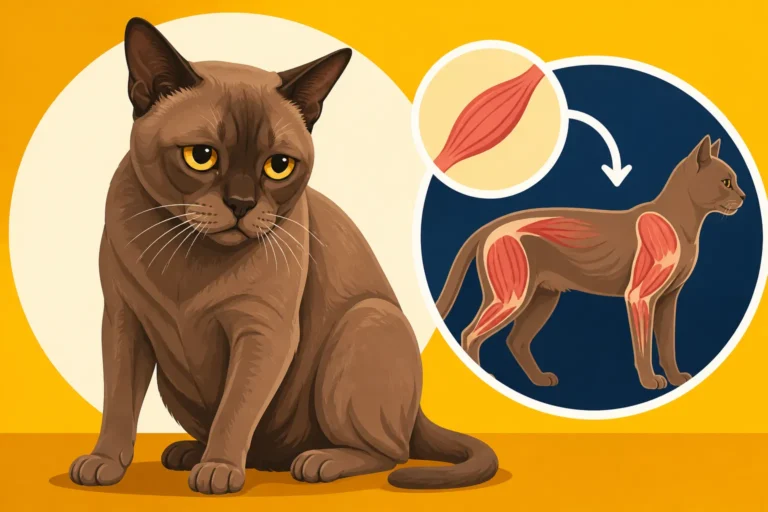
Weight gain is a significant risk factor for diabetes in Burmese cats, and it's something owners must actively manage. Why Weight Is the Only Lever a Burmese Owner Has An extra pound or two might not seem like much on a larger cat, but for the compact, muscular Burmese, it can mean the difference between a healthy weight and being overweight. This is why a weighed ration is so crucial for these cats; it ensures they get exactly what they need to maintain a healthy weight without excess. Every treat, therefore, needs to be considered part of that daily calorie budget. If you give treats, you might need to slightly reduce the main meal portion to compensate, ensuring their overall intake remains consistent.
Rethinking Treats: More Than Just Food
Given the challenges, does this mean your Burmese must live a treat-free life? Absolutely not! The key is to redefine what a "treat" means. For a Burmese, a treat isn't just about the food; it's about the interaction, the attention, and the mental stimulation. They crave your company and engagement, and often, their begging for food is as much about getting you to interact with them as it is about satisfying hunger.
High-Value, Low-Carb Alternatives
The good news is there are plenty of treat options that are low in carbohydrates and can even be beneficial. The trick is to think like a carnivore, because that's what your cat is. Lean protein sources are generally your best bet.
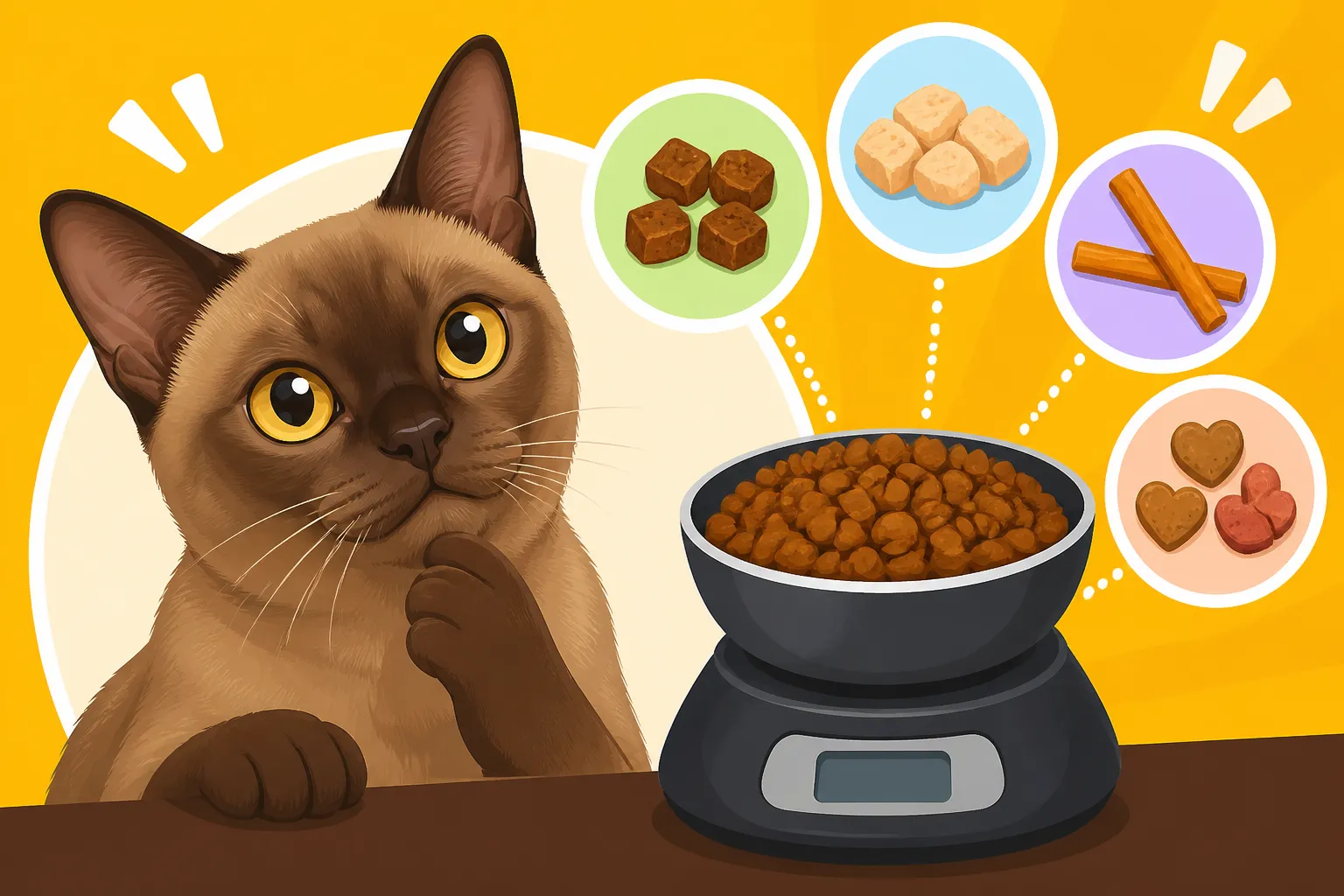
Here are some fantastic, low-carb, high-protein alternatives:
- Freeze-Dried Single-Ingredient Meats: These are often pure chicken, salmon, tuna, or beef, with no added fillers or carbohydrates. They're lightweight, intensely flavorful, and a little goes a long way. Brands like PureBites or Orijen often have excellent options that you can find readily available on platforms like Chewy or Amazon. Just double-check the ingredient list to ensure it’s truly single-ingredient.
- Cooked, Plain Meats: Small pieces of cooked chicken breast (no skin, no bones, no seasoning), lean beef, or even a bit of cooked salmon can be incredibly high-value treats. These are human-grade and you know exactly what’s in them. You can cut them into tiny, bite-sized pieces and offer them sparingly. Always ensure they are thoroughly cooked and cooled.
- Commercial Low-Carb Wet Food: Sometimes, a tiny dollop of their favorite wet food, offered outside of meal times, can serve as a treat. If you feed a high-quality, low-carb wet food, a teaspoon of it won't upset their diet and provides that special extra taste they crave.
- Limited Dairy (Very Sparingly): While most cats are lactose intolerant, a tiny lick of plain, unsweetened yogurt or cottage cheese is sometimes tolerated and can be a high-value treat for some. This should be an absolute rarity and used with extreme caution, observing for any digestive upset.
Table: Burmese-Friendly Treat Options
| Treat Type | Carbohydrate Level | Calorie Density | Burmese Suitability | Notes |
|---|---|---|---|---|
| Freeze-Dried Meat | Very Low | Moderate | Excellent | Pure protein, intense flavor, easy to portion. |
| Cooked Plain Meat (Chicken) | Very Low | Moderate | Excellent | Human-grade, no fillers, control seasoning. |
| Low-Carb Wet Food | Low | Low to Moderate | Good | Use a tiny dollop, part of existing diet. |
| Crunchy Kibble Treats | High | High | Poor | High in carbs, quickly adds calories, contributes to diabetes risk. |
| Cat Milk/Cream Treats | Moderate to High | Moderate | Poor | Often contains sugars or lactose, high carb. |
| Tuna in Oil/Brine | Very Low | High | Use Sparingly | High fat/sodium; small amount as very occasional high-value reward. |
Play and Attention as the Ultimate Treat
Remember, your Burmese is a "Velcro cat" – they live for your attention. Often, what they truly want when they beg for food is simply to engage with you. So, consider substituting some food treats with interactive play sessions. A feather wand toy, a laser pointer, or even just a crumple ball can be a fantastic way to bond and provide mental and physical exercise. A Burmese Is Still Playing at Fifteen
Instead of automatically reaching for the treat pouch, try engaging them in a quick game. See if they'll chase a toy mouse or pounce on a dangling feather. Often, they'll be just as satisfied, if not more so, by the interaction. This is especially true for younger Burmese cats who are brimming with energy. For an older Burmese, a gentle grooming session with a soft chamois cloth, which they often adore, can be a wonderful, calorie-free treat. How Much Play a Burmese Still Demands at Ten
Integrating Treats into the Weighed Ration
The crucial part of offering treats to a Burmese is ensuring they don't throw off their meticulously planned diet. For a breed so susceptible to weight gain and diabetes, every single morsel must be accounted for within their overall daily calorie intake. This isn't just about preventing obesity; it's proactive health management. Why Portion Control Is Medical Care in a Burmese
The 10% Rule and Calorie Calculation
A good rule of thumb for any cat, but especially a Burmese, is that treats should make up no more than 10% of their total daily caloric intake. This 10% still needs to be subtracted from their main meals. For example, if your adult Burmese needs 200 calories per day, no more than 20 of those calories should come from treats. This means those 20 calories then need to be deducted from the main food portion you give them.
Calculating this can feel a bit like being a mad scientist in the kitchen, but it's vital. Most quality treats will list their calorie content per piece or per serving. For homemade treats like plain chicken, you'll need to do a quick online search for "calories in plain cooked chicken breast" and weigh out tiny portions. This might seem extreme, but it's the responsible way to manage a Burmese's diet and prevent long-term health issues. How Many Calories a Diabetes Prone Burmese Should Get
Structured Treat Times
Free-feeding treats is just as detrimental as free-feeding main meals for a Burmese. Why a Burmese Should Never Be Free Fed It encourages constant grazing, makes calorie counting impossible, and can lead to a cat who is perpetually begging because they know food is always available. Instead, implement structured treat times.
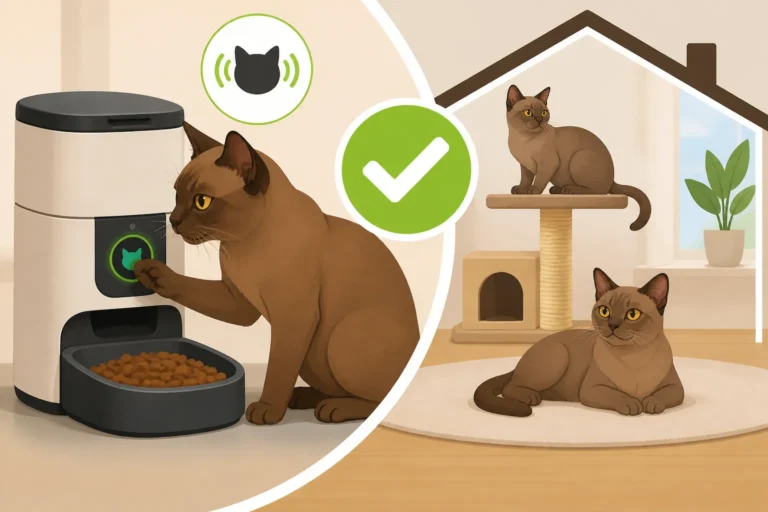
Think of it like this: your Burmese gets two main meals, so maybe they get one "treat session" in the afternoon, or a few tiny pieces spread throughout the day as rewards for positive behavior, like using the scratching post or coming when called. This teaches them that treats aren't constantly available, but rather a special, intentional interaction. It also helps you track exactly how much they're getting and adjust their main meal portions accordingly. For instance, if you're using a microchip feeder for their main meals, a small, measured amount of freeze-dried chicken could be given by hand during your coffee break, serving as both a treat and a bonding moment.
Monitoring and Adjusting
Even with the best intentions and the most carefully chosen treats, consistent monitoring is essential for your Burmese. Their metabolism can change, their activity levels might fluctuate, and what worked last month might need a slight tweak this month.
Weekly Weigh-Ins and Body Condition Scoring
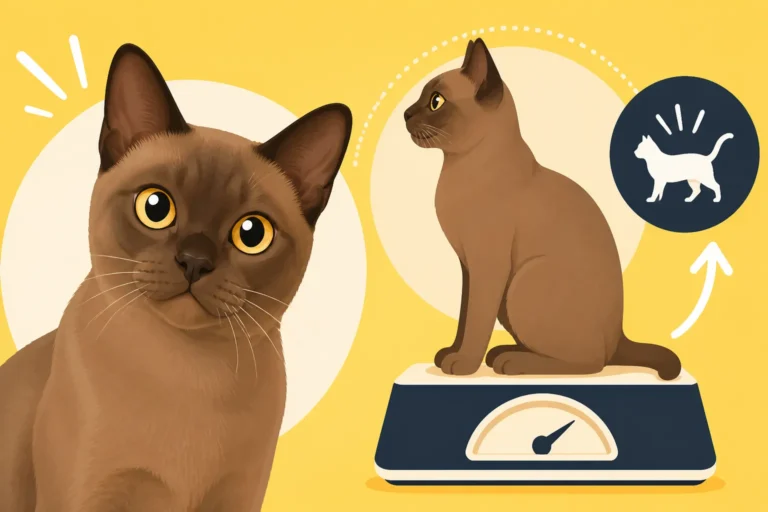
Make weekly weigh-ins a non-negotiable part of your routine. A digital kitchen scale works perfectly for this. Note their weight in a journal or on your phone. Even small fluctuations can give you early warning signs that their caloric intake (including treats) might be off. How to Weigh a Burmese Accusately at Home Alongside weighing, regularly assess their body condition score. You should be able to easily feel their ribs without seeing them, and they should have a discernible waist when viewed from above. If you notice weight creeping up, it’s time to re-evaluate all food intake, especially treats.
This proactive approach can literally save you thousands in vet bills down the line, as preventing obesity is often the best defense against conditions like diabetes. What Diabetes Costs a Burmese Owner a Year You're not just feeding a cat; you're nurturing their long-term health, and treats are a part of that larger picture.
Communication with Your Vet
Always keep your veterinarian in the loop about your Burmese's diet, including what treats you're giving. They can offer personalized advice based on your cat's specific health profile, age, and activity level. If your Burmese is already showing signs of pre-diabetes or is managing the condition, your vet can provide precise guidance on suitable treats and carbohydrate limits. Why a Burmese's Glucose Should Be Checked From Seven
They might even suggest specific veterinary-prescription treats if your cat has very strict dietary needs. Remember, a trusted vet is your best partner in ensuring your Burmese lives a long, healthy, and happy life – full of affection, play, and carefully chosen treats.
Disclaimer
This article is for general informational purposes only and does not constitute professional advice. Laws, prices and regulations vary by location and change over time. Consult a qualified professional for guidance on your specific situation.