Why a Diabetic Burmese Fills Its Box Faster
It's incredibly distressing to notice sudden, significant changes in your beloved Burmese cat's habits, especially when it comes to something as fundamental as their litter box use. Many owners find themselves puzzled and worried when their usually tidy companion is suddenly producing an alarming amount of urine, soaking through litter faster than ever before. This guide will walk you through the very real reasons why a diabetic Burmese cat fills its litter box much faster than usual, helping you understand the underlying medical process and what you need to do next.
The Alarming Increase in Litter Box Use: Why Quantity Becomes a Concern
When your Burmese starts using the litter box with an unusual frequency and volume, it's natural to feel a knot of anxiety tighten in your stomach. For owners of Burmese cats, this change in habit is often one of the first, most noticeable red flags pointing toward a serious health issue: diabetes. Unlike other breeds, Burmese cats are unfortunately predisposed to this condition, making any shift in their routine worth immediate attention. The sheer amount of urine, sometimes leaving the box soaked and needing a full change far more often, is not just an inconvenience; it's a vital symptom that requires you to act quickly.
Why a Diabetic Burmese Drinks More
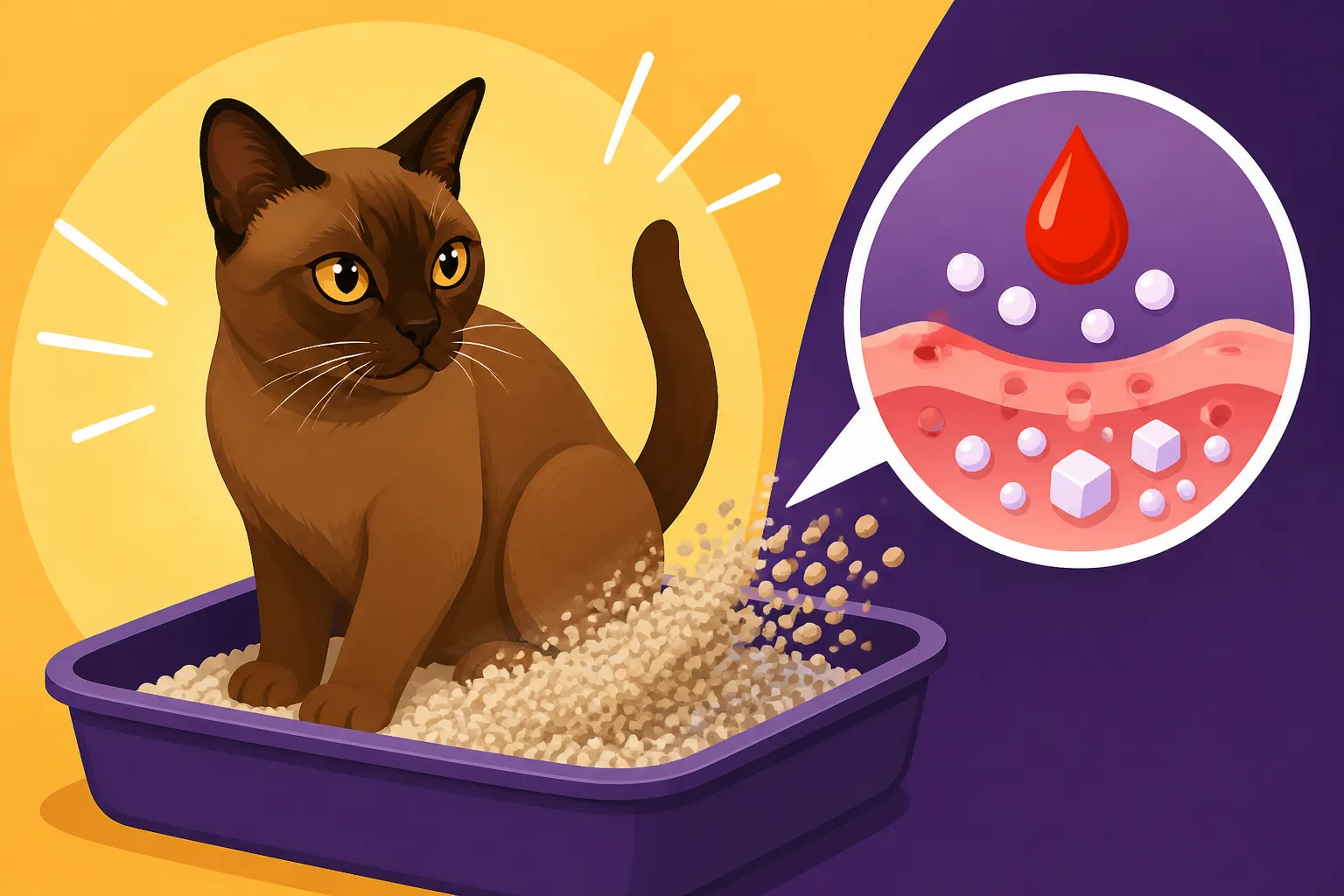
The root cause of your diabetic Burmese producing more urine lies in a process called polydipsia, which simply means excessive thirst. But why does a cat with diabetes get so thirsty? It all starts with glucose, or sugar, in their bloodstream. In a diabetic cat, the body either doesn't produce enough insulin, or its cells don't respond properly to the insulin that is produced. This means that glucose, which should be entering the cells to be used for energy, remains trapped in the bloodstream.
As these high levels of glucose circulate, the kidneys, which are always working hard to filter waste from the blood, try desperately to get rid of the excess sugar. Imagine your kidneys like a finely tuned filter. When there's too much sugar to process, they start to excrete it into the urine. Here's the kicker: sugar is osmotically active, meaning water naturally follows it. So, as the kidneys try to flush out the glucose, they pull an excessive amount of water along with it, leading to a much larger volume of urine being produced. To compensate for this fluid loss and prevent dehydration, your Burmese will feel an intense, constant thirst, leading them to drink far more water than they normally would. This increased drinking is a direct, physiological response to their body trying to correct a metabolic imbalance. Why a Burmese Drinking More Needs Testing That Week is a clear indicator that something is amiss and needs immediate veterinary attention.
The Domino Effect on the Litter Box
Once your Burmese starts drinking significantly more water to counteract the fluid loss from excessive glucose excretion, the result is an unavoidable and dramatic increase in the amount of urine they produce – a condition known as polyuria. This isn't just a slight increase; we're talking about substantially larger puddles in the litter box, often leading to it becoming saturated much faster than usual. What might have previously lasted a day or two between full cleanings now might be needing attention multiple times a day.
For dedicated Burmese owners, who often keep a close eye on their cat's habits, this change can be startling. You might find yourself scooping clumps that are larger, more numerous, and sometimes even wetter than you've ever seen before. The litter itself might not be able to absorb it all, leading to a soggy mess at the bottom of the tray. This isn't a behavioral issue or a sign of poor litter choice; it's a direct consequence of their body's struggle to manage glucose. It’s a clear and undeniable physical manifestation of the internal metabolic disarray caused by diabetes, making the litter box an unexpected but crucial diagnostic tool.
Beyond Just More Pee: Other Signs to Watch For
While a suddenly overflowing litter box is often the first alarm bell, it's rarely the only sign of diabetes in a Burmese. These intelligent and affectionate cats, unfortunately, can hide their discomfort well, but their bodies often tell a story if you know what to look for. When combined with excessive urination, other symptoms create a more complete picture, making it easier for you and your vet to confirm a diagnosis. Understanding these additional clues can help you identify the problem sooner and get your beloved companion the care they need.
Weight Loss Despite a Voracious Appetite
This particular symptom can be incredibly confusing and distressing for owners. You might notice your Burmese acting hungrier than ever, constantly begging for food, perhaps even trying to steal snacks off the counter. Their food bowl might be emptied in record time, and you might even be refilling it more often. Yet, despite this seemingly insatiable appetite, your cat is losing weight. You might feel their ribs more easily, or notice their waistline becoming more defined.
The paradox of eating more but losing weight is a classic sign of diabetes. Here's why: even though your Burmese is consuming plenty of food, the glucose from that food isn't being effectively delivered to their cells. Without insulin doing its job, the cells are essentially "starving" for energy, no matter how much sugar is floating in the bloodstream. In response, the body starts breaking down its own fat and muscle stores to try and find an alternative energy source. This constant catabolism (breaking down of tissues) leads to weight loss, even while the brain is screaming for more fuel, hence the increased hunger. It's a cruel cycle that depletes your cat's body while leaving them feeling perpetually hungry. Which Signs Come First in a Diabetic Burmese often include this baffling combination of symptoms.
Changes in Energy Levels and Coat Condition
Beyond the noticeable changes in appetite and litter box habits, a diabetic Burmese may also exhibit a decline in their overall vitality and appearance. One of the most common observations is a general lethargy. Your normally playful and active Burmese, who might usually be found scaling cat trees or chasing toys with gusto, may become noticeably quieter, spending more time sleeping or simply lounging around. They might be less enthusiastic about playtime or even appear generally weaker. This decrease in energy is directly related to the cells not receiving the glucose they need for fuel. Imagine feeling constantly drained, even after eating; that's essentially what your diabetic cat is experiencing.
Furthermore, you might observe a change in their famous satin coat. The beautiful, sleek, and close-lying fur that is a hallmark of the Burmese breed might start to look dull, less vibrant, or even a bit greasy. Some owners report a subtle roughening of the coat, or that it just doesn't feel as luxurious as it once did. This decline in coat quality is often a reflection of the body's overall metabolic distress. When an animal is unwell, the resources that would normally go towards maintaining a pristine coat are redirected to more critical bodily functions, or simply aren't available due to nutritional deficiencies at a cellular level. It's another quiet but significant clue that your Burmese's health is compromised. How Diabetes Develops in a Burmese is a complex process, but these outward signs are often the ones we pick up on first.
What to Do When You Notice the Changes
Discovering these changes in your Burmese can feel overwhelming, but the most important thing is to remember that you're not alone and there are clear steps you can take. Early intervention is absolutely key in managing feline diabetes, and your proactive approach can make a world of difference for your cat's long-term health and well-being. Don't let fear paralyze you; instead, channel that worry into decisive action.
Tracking and Communicating with Your Vet
The first and most crucial step is to contact your veterinarian immediately. When you call, be prepared to share specific observations, as this detailed information will be invaluable to their diagnostic process. Before your appointment, try to gather as much data as you can. This includes:
- Water Intake: Try to estimate how much water your Burmese is drinking daily. If they drink from a bowl, you can measure how much water you put in and how much is left after 24 hours. Note any new drinking spots, like faucets or toilets.
- Litter Box Frequency and Volume: Keep a log of how many times your cat uses the box and describe the size of the urine clumps. Is it more frequent? Are the clumps noticeably larger? Is the litter becoming saturated more quickly?
- Appetite Changes: Document if your cat is eating more, less, or if their hunger seems insatiable.
- Weight: If you have a pet scale or can accurately weigh your cat at home (perhaps by weighing yourself, then weighing yourself holding your cat, and subtracting the difference), note any recent weight loss. How to Weigh a Burmese Accurately at Home can provide helpful tips.
- Behavioral Changes: Any changes in energy levels, playfulness, or social interaction should be noted.
When you speak with your vet, share all of these details. They will likely want to perform a thorough physical exam and recommend blood and urine tests. These tests are essential for How a Diabetic Burmese Is Diagnosed and can confirm high glucose levels in both blood and urine, as well as checking for other issues that might mimic diabetes or complicate the diagnosis. A fructosamine test is particularly useful, as it provides an average blood glucose level over a few weeks, giving a more accurate picture than a single glucose reading which can be elevated by stress. What a Fructosamine Test Shows in a Burmese is critical for a definitive diagnosis.
Dietary Considerations and Management
Once diabetes is diagnosed, diet becomes a cornerstone of treatment. For Burmese cats, especially those prone to or diagnosed with diabetes, moving to a very specific type of diet is usually recommended. The primary goal is to significantly reduce carbohydrate intake, as carbohydrates break down into glucose, which is problematic for a diabetic system. Your vet will guide you on the ideal carbohydrate percentage, but generally, a high-protein, low-carbohydrate wet food diet is preferred over dry kibble.
This dietary shift isn't always easy, as cats can be notoriously picky, but it's a medical necessity. You might explore various brands that meet the strict low-carb requirements. Major online retailers like Chewy and Amazon often carry a wide selection of prescription and non-prescription low-carb wet foods that your vet might recommend. It's crucial to select foods that align with the specific nutritional profile required to help manage blood sugar levels effectively. Why Low Carbohydrate Food Matters for a Burmese cannot be overstated, as it can be a primary lever in achieving glucose control, and in some cases, even remission.
You'll need to work closely with your veterinarian to establish the right portion sizes and feeding schedule. Free-feeding is typically discouraged for diabetic cats, as controlled meals help to regulate blood sugar levels, especially if insulin injections are part of the treatment plan. Your vet might suggest specific meal times that coincide with insulin administration to maximize efficacy and prevent dangerous blood sugar spikes or drops. What a Diabetic Burmese Eats will be a critical part of their daily routine, and consistency is vital.
Long-Term Implications and Management of Diabetes in Burmese Cats
A diagnosis of diabetes is certainly a life-changing event for both you and your Burmese, but it's not a death sentence. With dedication and consistent care, many diabetic Burmese cats live long, fulfilling lives. The key is to embrace the long-term commitment to management, which will involve a partnership with your vet and a shift in your daily routine. Understanding what this commitment entails can help you prepare mentally and practically for the journey ahead.
Managing a Diabetic Burmese at Home
Bringing home a diabetic Burmese means stepping into a new role as their daily health manager. For many cats, this involves daily insulin injections. This might sound daunting at first, but with proper instruction from your vet, it quickly becomes a routine. Most cats tolerate injections remarkably well, especially a sweet-natured Burmese, often purring through the process as long as they feel comfortable and safe with you. How to Give a Burmese Its Insulin at Home is a skill you'll quickly master, and it's a profound act of love for your pet.
Beyond injections, home management often includes monitoring your cat's blood glucose levels. This can involve periodic visits to the vet for glucose curves, or even learning to do at-home blood glucose monitoring. While it requires patience and a gentle touch, home monitoring can provide invaluable data to your vet, allowing for more precise adjustments to insulin dosage. You'll also continue to monitor their water intake, litter box output, appetite, and general demeanor, noting any changes that could indicate their condition is fluctuating. Consistency in feeding times, insulin administration, and observation is paramount.
Creating a routine that is predictable and calm will benefit your Burmese greatly. You might find yourself setting alarms for injections and meals, becoming more attuned to their subtle cues, and making sure their environment is stable. Resources from trusted pet supply companies like Chewy or even general online marketplaces like Amazon can be useful for finding specialized diabetic food, testing supplies, or even comfort items that help your cat feel secure during their routine. This constant, loving attention is what helps a diabetic Burmese thrive.
The Importance of Early Diagnosis
We've talked about the signs, the changes in the litter box, the confusing weight loss, and the altered energy levels. What ties all of this together is the absolute necessity of early diagnosis. When diabetes is caught early in a Burmese, the chances of achieving diabetic remission significantly increase. Remission means that with strict dietary management and initial insulin therapy, some cats can reach a point where they no longer require daily insulin injections to maintain normal blood sugar levels.
The longer diabetes goes undiagnosed and unmanaged, the more damage it can do to your cat's body, and the harder it becomes to achieve remission. Chronic high blood sugar can lead to a host of other health problems, including nerve damage (diabetic neuropathy), weakened immune systems, and increased susceptibility to infections. By paying close attention to those initial warning signs, like the rapidly filling litter box and insatiable hunger, and acting quickly, you give your Burmese the best possible chance at a healthier future. So, if you're noticing your Burmese drinking more, eating more, losing weight, or producing an alarming amount of urine in the litter box, please don't wait. A prompt vet visit is the kindest and most responsible action you can take. Why a Burmese's Glucose Should Be Checked From Seven years of age, or even earlier if symptoms arise, highlights this preventative mindset.
Here's a quick comparison of common observations in a healthy vs. diabetic Burmese:
| Trait | Healthy Burmese | Diabetic Burmese (Early Signs) |
|---|---|---|
| Water Intake | Moderate, consistent | Significantly increased (Polydipsia) |
| Litter Box Use | Regular frequency, moderate urine volume | Increased frequency & volume (Polyuria), soaked litter |
| Appetite | Consistent, satisfied | Increased, often ravenous |
| Weight | Stable, well-muscled | Weight loss despite increased eating |
| Energy Levels | Playful, active, alert | Lethargic, less playful, generally weaker |
| Coat Condition | Silky, satin-like, glossy | Dull, rougher, sometimes greasy |
| Overall Demeanor | Engaged, affectionate, content | More withdrawn, seeking warmth |
Disclaimer
This article is for general informational purposes only and does not constitute professional advice. Laws, prices and regulations vary by location and change over time. Consult a qualified professional for guidance on your specific situation.