Whether a Microchip Feeder Works in a Two Burmese House
If you share your home with two beautiful Burmese cats, you've likely experienced the challenges of mealtime. These incredibly affectionate and food-motivated felines often have appetites that belie their svelte appearance, and managing their individual dietary needs in a multi-cat household can feel like a constant battle, especially if one is a gobbler and the other a grazer, or if distinct dietary requirements are in play. This guide will delve into whether microchip feeders can be the game-changer you're looking for, helping you maintain harmony and health at the food bowl.
Understanding the Burmese Appetite and Social Dynamics
Before we dive into the technology, let's talk about what makes feeding Burmese cats, particularly in pairs, such a unique experience. Their delightful personalities come with a few quirks that are important to consider.
The Ever-Present Burmese Hunger
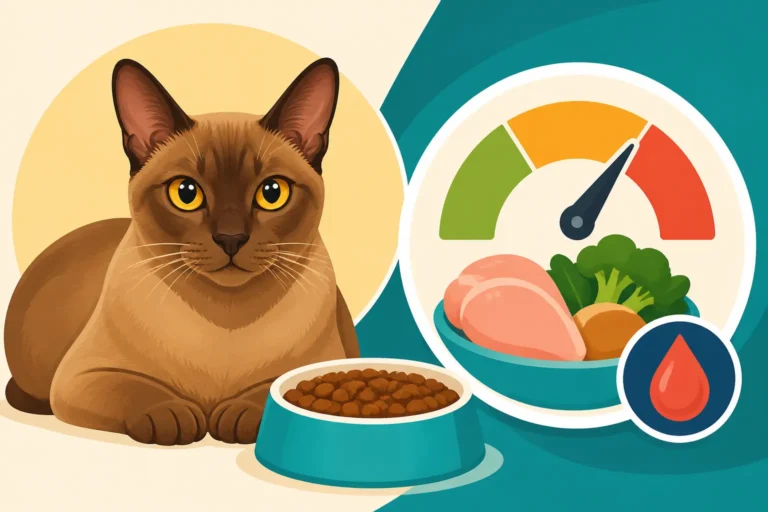
It’s no secret that Burmese cats are notoriously food-motivated. You might hear their distinctive, raspy rumbling purr as soon as you open the pantry, or find them weaving figure-eights around your legs with an intensity that suggests they haven't eaten in days, even if they just finished a meal. This isn't just a charming trait; it's deeply ingrained. They tend to have robust appetites, and if left to their own devices with an unlimited food supply, many would happily eat until they're uncomfortably full. This perpetual hunger can make free-feeding impossible in a multi-cat home, leading to one cat monopolizing the food or both cats overeating. The reality is, Why a Burmese Never Stops Asking for Food is a question many owners ponder daily, and it directly impacts their health.
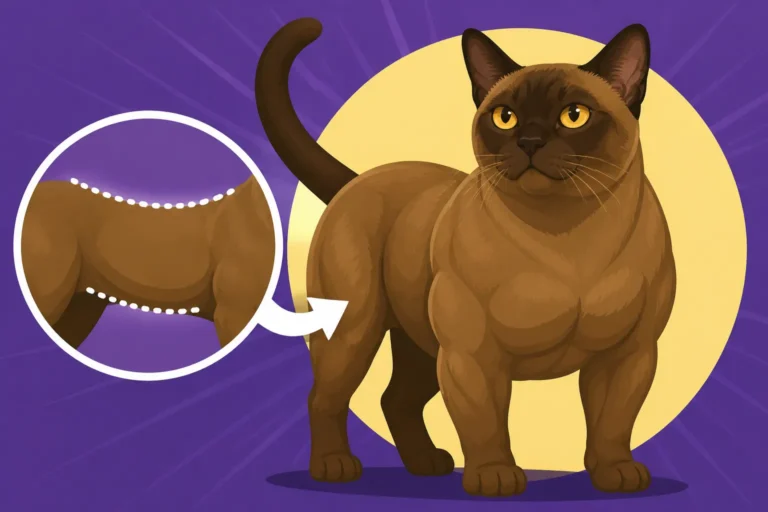
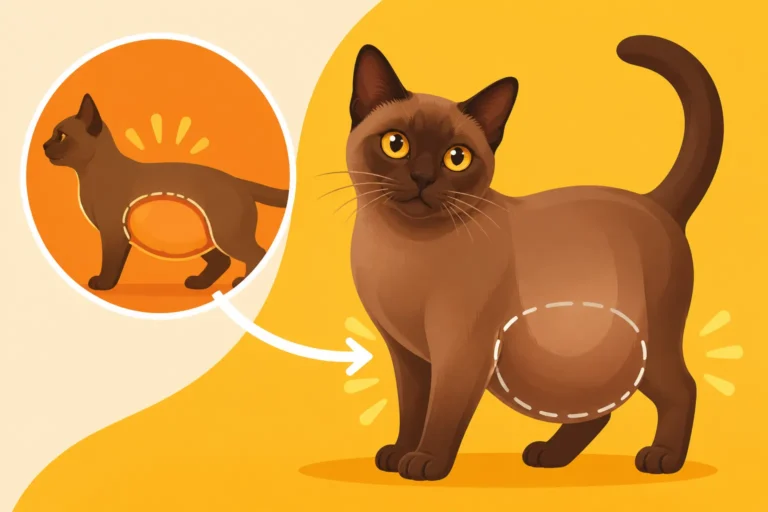
This intense drive for food is also Why Portion Control Is Medical Care in a Burmese. Overeating can quickly lead to weight gain, and for Burmese, excess weight isn't just a cosmetic issue; it significantly increases their risk of developing serious health conditions, most notably diabetes. If you're currently wrestling with managing calorie intake for two highly food-driven cats, you know the frustration of trying to ensure each gets exactly what they need without raiding the other's plate.
Burmese Pair Dynamics and Food Hierarchy
Most Burmese breeders will tell you that Why Burmese Breeders Sell Them in Pairs is down to their profound need for companionship. These are not solitary creatures; they thrive on interaction, whether with humans, other cats, or even friendly dogs. This social nature often means they form strong bonds with their housemates. However, even in the most harmonious feline friendships, a subtle hierarchy or difference in eating habits can emerge at meal times.
You might have one Burmese who is a speedy eater, hoovering down their meal in seconds, while the other prefers to take their time, savoring each bite. What often happens next is predictable: the fast eater finishes their own portion and then, with boundless optimism and persistence, attempts to help themselves to their sibling's still-full bowl. This dynamic often means that Why a Burmese Finishes the Other Cat's Bowl Too is a daily occurrence. The slower eater either goes hungry, feeling stressed and rushed, or the faster eater consumes double the calories, putting them on a direct path to weight gain and associated health problems. It's a lose-lose situation that can cause both stress and health concerns for your beloved companions.
What a Microchip Feeder Is and How It Works
So, with these common Burmese feeding challenges in mind, how can technology help? Enter the microchip feeder.
The Technology Behind Microchip Feeders
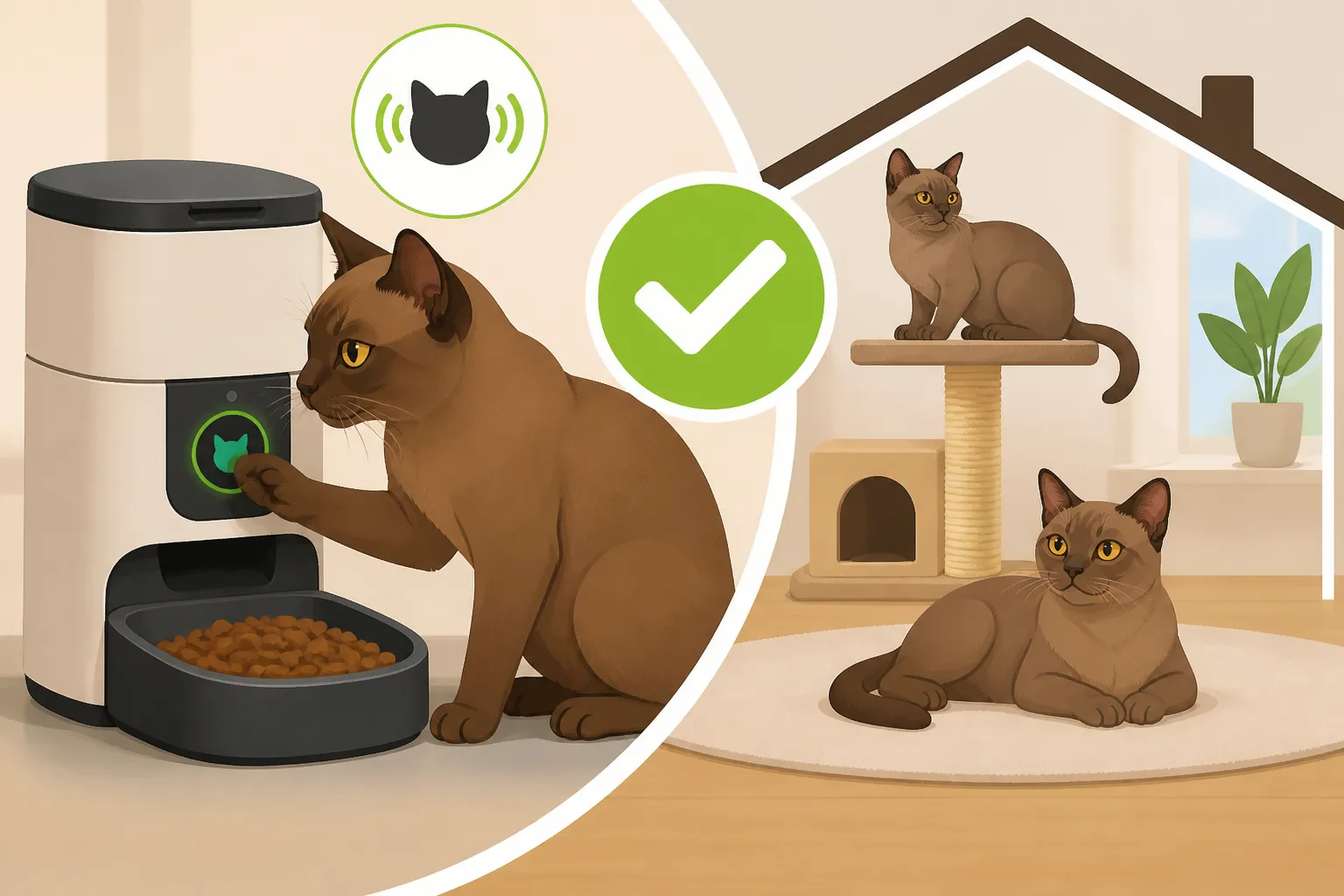
A microchip feeder is essentially a clever food bowl with a lid that remains closed until it detects the unique microchip of an authorized pet. Think of it like a personalized dining room for your cat. Each feeder is programmed to recognize specific microchips (or sometimes an accompanying RFID tag worn on the collar). When the designated cat approaches, the feeder's sensor reads their chip, and the lid automatically opens, granting access to their food. Once the cat moves away, the lid closes again, keeping the food fresh and preventing unauthorized access.
The basic mechanism is straightforward: a sensor reads the tiny passive transponder chip under your cat's skin, sends a signal to the lid mechanism, and it quietly slides or lifts open. When the chip is no longer detected, the lid retracts back into its closed position. You can find several reputable brands offering these feeders on platforms like Chewy or Amazon, giving you plenty of options to compare features and reviews. They are designed to be user-friendly, allowing you to easily program your cat's microchip ID into the device.
Setting Up for Two Burmese Cats
For a two-Burmese household, the setup for microchip feeders is quite simple in concept: you'll need one feeder per cat. Each feeder will be programmed to recognize only one specific cat's microchip. So, Fluffy's feeder will only open for Fluffy, and Mittens' feeder will only open for Mittens.
The real key to success with two highly social and curious Burmese cats lies in placement and initial management. While the feeders are designed to prevent stealing, a clever or determined cat might try to sneak a bite from their sibling's bowl by shoving their head in right after the legitimate cat, before the lid fully closes. To mitigate this, consider placing the feeders in slightly separate areas, perhaps a few feet apart, or even in different rooms if space allows. This creates distinct dining spaces and makes it harder for one cat to "hover" and pounce on the opportunity. You'll program each feeder individually, ensuring that only the correct feline friend has access to their specific meal plan.
Benefits of Microchip Feeders for a Two-Burmese Household
The advantages of adopting microchip feeders, especially for two Burmese cats, are significant and can lead to a healthier, happier household.
Ensuring Individualized Diets
This is arguably the most crucial benefit. With microchip feeders, you gain complete control over each cat's diet, even if their needs are wildly different. If one of your Burmese needs a prescription diet for a sensitive stomach, or if a vet has prescribed a specific low-carbohydrate food because they are at risk for or are managing diabetes, this system ensures they get precisely what they need. Meanwhile, their sibling can eat their own diet without any cross-contamination.
For example, if one of your Burmese needs a carefully managed weight loss plan, Why a Burmese's Portion Is Weighed, Not Scooped becomes much easier when you know only they can access their measured meal. And for a Burmese with diabetes, a microchip feeder is invaluable for ensuring they stick to Which Diet Puts a Burmese Into Remission, which is typically very low in carbohydrates. This precision feeding is nearly impossible to achieve with shared bowls or even timed feeders in a multi-cat household, as the more dominant or faster eater often consumes both portions.
Preventing Food Stealing and Overeating
Remember the scenario where the fast eater polishes off their meal then moves on to their sibling's? Microchip feeders put a stop to this common problem. The lid snapping shut as soon as the authorized cat moves away acts as an impenetrable barrier for the opportunistic food thief. This means your slower, more delicate eater won't be bullied or go hungry, and your more enthusiastic eater won't accidentally (or intentionally) double their calorie intake.
By preventing one cat from eating another's food, you eliminate the primary cause of overeating in multi-cat households. This is particularly vital for a breed like the Burmese, where maintaining a healthy weight is paramount to preventing diabetes. If you've been wondering How to Slow a Fast Eating Burmese to give the other cat a chance, this is your answer. It takes the stress out of mealtime, ensuring each cat consumes only what's intended for them, contributing to better weight management and overall health.
Reducing Mealtime Stress
Cats are creatures of habit and can be sensitive to perceived competition, even if they're the best of friends. In a free-feeding or shared-bowl situation, the act of eating can become a source of anxiety, especially for more timid cats or those who eat slowly. They might feel rushed, or constantly on edge, worrying that their food will be taken away. This stress can lead to digestive issues or even cause them to avoid eating altogether.
Microchip feeders create a calm, private dining experience for each cat. Knowing that their food is secure and won't be stolen allows them to eat at their own pace, free from competition. This fosters a more relaxed environment, improving their digestion and making mealtime a positive experience rather than a hurried ordeal. Less stress around food contributes significantly to their overall well-being and strengthens their bond with you, as you're providing them with a secure resource.
Potential Challenges and Considerations
While microchip feeders offer fantastic solutions, they aren't without their quirks. Like any new technology, there might be a small learning curve for both you and your furry companions.
Initial Training and Adaptation
Introducing anything new to a cat, even a food bowl, can sometimes be met with suspicion. Some cats take to microchip feeders immediately, while others need a bit of coaxing. The lid opening and closing can be startling for some at first. Many owners find success by leaving the lid permanently open for a few days initially, allowing the cats to get used to eating from the bowl itself. Then, you can gradually introduce the automatic lid function. Using high-value treats to lure them to the feeder and rewarding them for approaching or eating from it can also help.
Be prepared for a period of adjustment. A nervous Burmese might initially hesitate or even bat at the moving lid. Patience is key! Don't force them. Positive reinforcement and making the feeder seem like a source of good things will eventually win them over. It's similar to when you need to How to Change a Burmese's Food Without It Refusing – slow, steady, and positive steps yield the best results.
The "Head in the Way" Problem
One of the more common anecdotes from multi-cat households using microchip feeders involves a clever cat trying to "piggyback" on their sibling's access. The scenario goes like this: legitimate cat approaches, lid opens, legitimate cat starts eating, then opportunistic cat tries to sneak their head in alongside or immediately after the first cat, before the lid can fully close.
While feeders are designed to prevent this, very determined or agile cats can sometimes pull it off. This is why placement matters. Placing feeders in separate, slightly secluded areas can make it harder for one cat to stalk the other's meal. Some owners even use furniture or strategic barriers to create a small "booth" around each feeder, ensuring only one cat can be present at a time. It's a bit like having a divider in a school cafeteria to prevent lunchbox raids!
Cost and Maintenance
Let's be realistic: investing in two microchip feeders is a financial commitment. They are generally more expensive than standard food bowls, especially since you need one for each cat. Prices can vary significantly based on brand, features (like portion control timers, battery life, or smart app connectivity), and where you purchase them. You can easily compare options and read reviews on sites like Chewy or Amazon to find models that fit your budget and needs.
Beyond the initial purchase, consider ongoing maintenance. Most feeders run on batteries, which will need regular replacement, or they require access to a power outlet. They also need to be cleaned regularly, just like any food bowl, to prevent bacteria buildup and keep things hygienic. Some models have dishwasher-safe parts, making this easier. It's a small trade-off for the benefits, but certainly something to factor into your decision-making process.
Making the Decision: Is It Right for Your Burmese Duo?
Now that you understand the ins and outs, it's time to consider if microchip feeders are the right choice for your specific Burmese household.
Assessing Your Cats' Needs
The first step is to really observe your cats. Do they have different dietary needs? For example, is one cat on a specific vet-prescribed diet, while the other can eat a regular maintenance food? Is one significantly overweight or prone to overeating, while the other struggles to maintain weight or is a slow grazer? If one of your Burmese needs to manage their weight, knowing How Much Weight Raises a Burmese's Diabetes Risk might push you toward a more controlled feeding system. If you notice one cat is consistently hungrier than the other, or if one is getting chunky while the other stays slender despite eating from the same communal bowl, a microchip feeder is likely a wise investment.
Consider their personalities too. Is one a dominant food bully? Is the other timid around food? These dynamics are prime indicators that separate, controlled feeding environments could dramatically improve their quality of life. The ideal situation is that both cats can eat at their leisure, without stress or competition.
Practical Setup and Commitment
Beyond their individual needs, think about the practicalities in your home. Do you have enough space for two separate feeders? While they don't take up a huge amount of room, placing them side-by-side isn't always the most effective strategy to prevent food theft. Ideally, they should have a bit of distance or even a visual barrier between them. Also, are you prepared for the initial training period? It takes patience and consistency to introduce a new feeding method, particularly if your cats are set in their ways.
Ultimately, a microchip feeder is a tool that supports careful feeding; it's not a set-it-and-forget-it solution. You'll still need to portion out the food accurately and monitor your cats' eating habits, especially during the initial transition. However, for households struggling to manage two Burmese cats with differing dietary requirements or competitive eating habits, these feeders can be a genuine game-changer, fostering harmony and ensuring the long-term health of both your beloved pets. It's all about making sure each of your special feline friends gets exactly what they need, especially if you need to know How to Keep Two Burmese on Different Diets.
Conclusion
Managing mealtime for two adoring, food-obsessed Burmese cats can certainly be a challenge. Their inherent hunger drive, combined with the social dynamics of a multi-cat household, often means that traditional feeding methods fall short, leading to overeating, under-eating, or mealtime stress. Microchip feeders offer a smart, effective solution, granting each of your Burmese companions exclusive access to their own precisely portioned meals.
By investing in microchip feeders, you’re not just buying a bowl; you’re investing in peace of mind, individualized nutrition, and a healthier future for your cats. They eliminate food theft, ensure specialized diets are maintained, and create a calm, stress-free dining experience for both your purring pals. While there's an initial cost and a small training period, the long-term benefits for your Burmese cats' health and the overall harmony in your home are truly invaluable.
Disclaimer
This article is for general informational purposes only and does not constitute professional advice. Laws, prices and regulations vary by location and change over time. Consult a qualified professional for guidance on your specific situation.