Whether a Burmese Has Any Undercoat
One common question I hear from prospective Burmese cat parents, or even those who’ve had their beloved felines for a while, is about their coat. Specifically, people often wonder if these stunning cats, with their unique satin-like fur, actually have an undercoat. It’s a valid question, as the presence or absence of an undercoat can significantly impact everything from shedding to grooming needs and even how they handle different temperatures. This guide will dive deep into the distinctive characteristics of the Burmese coat, clarifying once and for all its undercoat (or delightful lack thereof!) and what that means for you and your cherished companion.
The Unique Structure of the Burmese Satin Coat
When you run your hand over a Burmese, you immediately notice something different. That sensation isn't just about softness; it's about a specific coat structure that sets them apart. Unlike many other breeds, the Burmese doesn't have the typical double coat that most cats sport, and understanding this difference is key to appreciating their unique needs and charm.
Distinguishing Between Guard Hairs and Undercoat
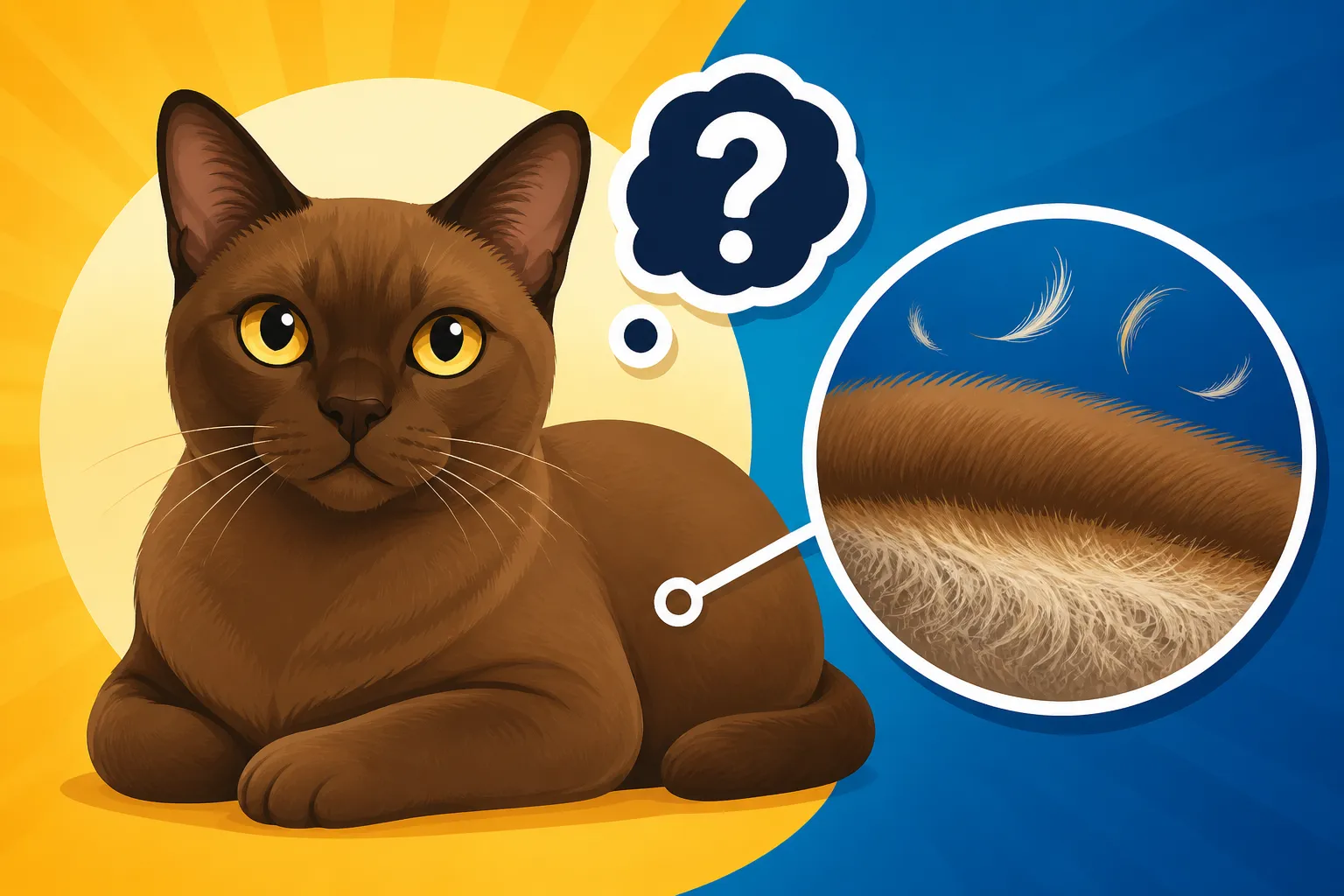
To truly grasp what makes a Burmese coat special, let's break down what most cat coats are made of. A typical cat has what's called a double coat. The outer layer consists of 'guard hairs.' These are the longer, coarser hairs that give a cat its color, provide primary protection from the elements, and contribute to the overall texture you see. They're like the shingles on a roof, designed to be resilient and repel moisture.
Beneath these guard hairs, most cats have an 'undercoat.' This is a layer of much finer, softer, often downy fur that grows close to the skin. Think of it as a thick, insulating sweater. Its primary job is to provide thermal regulation, keeping the cat warm in cold weather and sometimes helping to insulate against heat. This undercoat is also the main culprit behind the seasonal "shedding explosions" many cat owners experience, as it's heavily shed to adapt to changing temperatures. When you brush a cat and pull out handfuls of fluffy, lighter-colored fur, that's usually the undercoat.
The Burmese's Near-Absence of an Undercoat
Here's where the Burmese truly stands out: they possess virtually no discernable undercoat. Their coat is made up almost entirely of those sleek, fine guard hairs. If you were to examine a single strand of Burmese fur, you'd find it incredibly fine, lying close and flat against their body. This unique characteristic is what gives their coat that famous "satin" or "silk" feel – a smooth, incredibly soft texture with an almost iridescent sheen, much like a finely woven fabric. There's no fluffiness, no dense woolly layer underneath to disrupt the smooth flow.
This absence of a significant undercoat is a defining trait of the breed and contributes to their distinctive appearance. The hairs are short, fine, and uniform in length, hugging every curve of their muscular body. It's a marvel of feline genetics, resulting in a coat that truly feels like no other. This is why when people describe the sensation of petting a Burmese, they often use words like "velvet" or "satin" – it's due to this very particular, minimalist coat structure. It's also one of the reasons why the breed standard emphasizes a short, fine, close-lying coat. You can really dive into the tactile experience of their fur by exploring Why a Burmese's Coat Feels Like Satin.
Implications of the Minimal Undercoat for Burmese Owners
The specific characteristics of the Burmese coat aren't just for show; they have practical implications that every owner should be aware of. From keeping your home tidier to understanding your cat's comfort in different climates, the lack of an undercoat shapes their daily lives and your care routine.
Reduced Shedding and Grooming Needs
For many cat owners, shedding is a constant battle. That fluffy undercoat, as mentioned earlier, is the main culprit for the mountains of fur that accumulate on furniture, clothes, and floors. Because the Burmese lacks this dense underlayer, they are generally considered low-shedding cats. Now, let's be realistic: no cat is entirely non-shedding. All cats lose some hair as part of their natural hair growth cycle, just like humans do. However, with a Burmese, the amount of hair you find around your home will be significantly less than what you'd encounter with a breed that has a thick undercoat, like a Maine Coon or even many common domestic shorthairs.
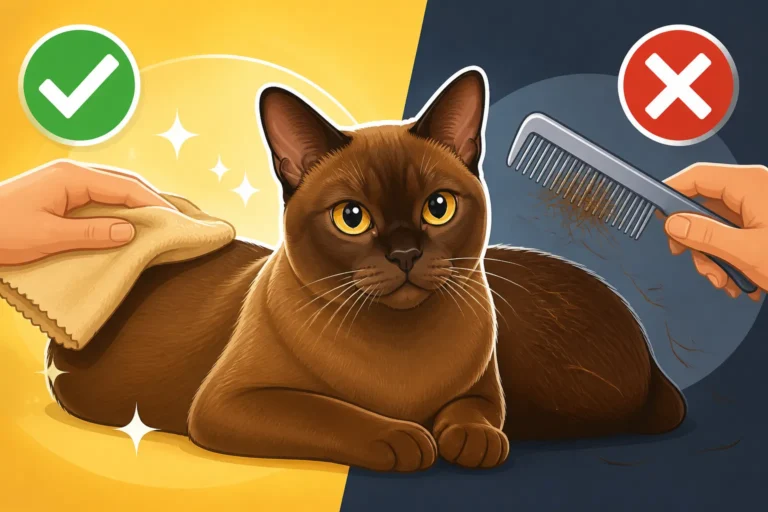
This reduced shedding is a huge bonus for cleanliness. You'll likely spend less time vacuuming up cat hair and lint-rolling your clothes. Grooming also becomes wonderfully simple. You won't need specialized deshedding tools designed to rake out dense undercoats, because there simply isn't one to rake. A gentle wipe-down with a soft cloth or a quick brush with a rubber mitt is usually all that's required to keep their coat gleaming and to pick up any loose guard hairs. It's genuinely a low-maintenance coat in terms of grooming effort. If you're curious about just how little hair you'll be dealing with, check out How Little a Satin Coated Burmese Sheds, and for a glimpse into their grooming routine, read How Many Minutes a Month a Burmese's Coat Takes.
Temperature Regulation Challenges
While the minimal undercoat is a boon for reduced shedding, it does come with a trade-off: thermal regulation. That dense undercoat in other breeds acts as a natural insulator, keeping them warm in chilly weather. Without it, the Burmese is much more susceptible to feeling the cold. Their short, fine coat simply doesn't provide the same level of protection.
This means Burmese cats are often quite keen on finding warm spots in the house. You'll frequently find them curled up in sunbeams, nestled under blankets, snuggled against you on the couch, or even trying to get under the duvet in bed. They are true heat-seekers, appreciating any source of warmth. This isn't just a preference; it's a physiological need. If your home is generally cool, you might notice your Burmese seeking out heating vents or even appreciating a heated cat bed. It's a common trait for them to want to be physically close to their humans, and part of that is often for shared body warmth. Understanding this characteristic is important for keeping your Burmese comfortable, especially during colder months. For more on this, consider Why a Short Coated Burmese Feels the Cold and Why a Burmese Seeks Out the Warmest Spot.
Grooming and Care for the Burmese's Unique Coat
Caring for a Burmese cat's coat is wonderfully straightforward, primarily because of its unique structure. You won't need an arsenal of specialized grooming tools, but understanding the best practices will help maintain that signature satin sheen and ensure their comfort.
Simple Routines for Maintaining Coat Health
Given the minimal shedding and lack of an undercoat, the grooming routine for a Burmese is incredibly low-key. Forget the elaborate brushing sessions or professional grooming appointments many other breeds require. For your Burmese, the goal is less about removing tangles or undercoat, and more about enhancing their natural luster and bonding with them.
A weekly once-over with a soft chamois cloth is often all they need. The chamois works wonders by gently buffing the coat, removing any stray hairs, and distributing the natural oils across the fur, which really brings out that stunning satin shine. Think of it less as "grooming" and more as "polishing" your cat! If you don't have a chamois, a soft rubber grooming mitt or even just your bare, slightly damp hand can achieve similar results. Many Burmese adore this attention, turning it into a pleasant petting session rather than a chore. It’s a fantastic opportunity for bonding. You can find excellent chamois cloths or soft grooming gloves easily through retailers like Chewy or Amazon. To learn more about this simple yet effective routine, read Why a Weekly Chamois Is All a Burmese Needs and Which Chamois Brings Up a Burmese's Satin Shine. These brief sessions also allow you to do a quick visual check for any skin irritations or unusual lumps, which is always a good habit.
Addressing Common Misconceptions e.g., "Hypoallergenic"
Because of their short, fine coat and reduced shedding, Burmese cats are sometimes mistakenly labeled as "hypoallergenic." It's a common wish for allergy sufferers, but unfortunately, no cat breed is truly 100% hypoallergenic. The primary allergen that causes reactions in humans isn't the cat hair itself, but a protein called Fel d 1, which is found in a cat's saliva, urine, and dander (dead skin flakes). When a cat grooms itself, this protein-laden saliva dries on their fur, becomes airborne, and can trigger allergic reactions.
While a Burmese might cause fewer reactions in some individuals due to less dander being spread around (because they shed less hair, which carries less dander), they still produce Fel d 1. Therefore, it's more accurate to say they are less allergenic for some people, rather than truly hypoallergenic. If you or a family member has cat allergies, spending time with a Burmese before committing to adoption is always a wise step to gauge individual sensitivity. Don't let their low-shedding nature give you false hope if your allergies are severe. It's an important distinction to make for responsible pet ownership. You can find more detail on this by reading Whether a Burmese's Short Coat Helps With Allergies.
Long-Term Coat Health and Considerations
A Burmese cat's coat is more than just a beautiful feature; it's often a mirror reflecting their overall health and well-being. Even with their low-maintenance fur, understanding how to monitor and support their coat's health throughout their lives is crucial for a happy, healthy companion.
Monitoring for Skin and Coat Issues
Despite their seemingly robust and easy-care coats, it's still vital for Burmese owners to regularly check for any changes that might indicate underlying health problems. A healthy Burmese coat should be glossy, smooth, and lie flat. The skin underneath should be clean, pliable, and free from redness, flakes, or bumps.
Changes in coat quality can be early warning signs of various issues. If your Burmese's coat starts to look dull, greasy, excessively dry, or you notice patches of hair loss, it's worth investigating. Increased scratching or licking could point to allergies, parasites, or even anxiety. Sometimes, a poor diet can manifest as a lacklustre coat. In older Burmese cats, you might notice a natural dulling of the satin coat, which can be normal, but any significant changes warrant a vet visit. Remember, Burmese cats are notoriously stoic and can be quite adept at hiding illness, so a change in their coat or skin might be one of the few outward signs that something is amiss. Their affectionate nature can sometimes mask deeper issues, making it even more important to pay attention to subtle cues. This is especially true as they age, as highlighted in Why an Old Burmese's Satin Coat Dulls and Why a Burmese Hides Illness Behind Its Affection.
Nutritional Support for a Healthy Coat
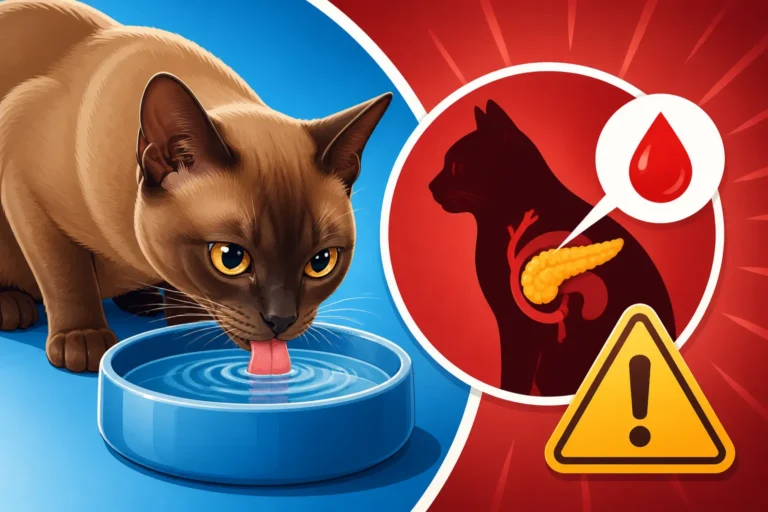
While genes give the Burmese their unique coat structure, nutrition is the fuel that keeps it vibrant and healthy. A high-quality diet is paramount for maintaining that signature satin sheen and ensuring strong, healthy hair follicles. This is especially relevant for Burmese cats, who have a well-documented predisposition to certain health conditions, particularly diabetes.
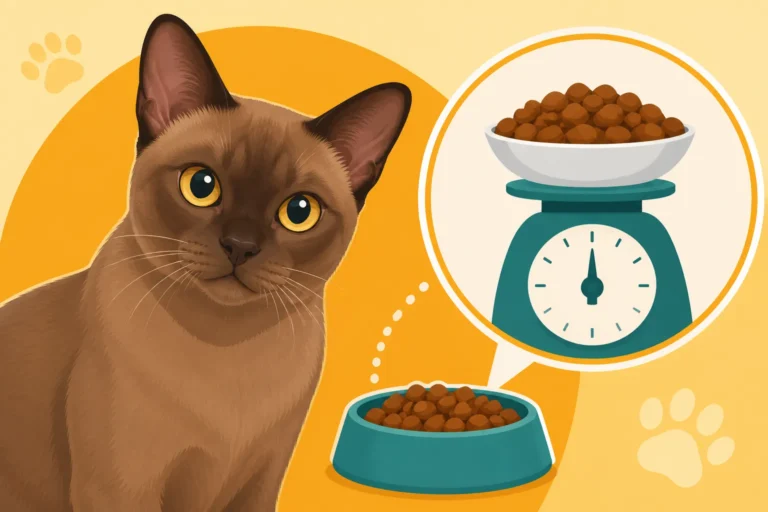
Focus on a diet rich in high-quality animal protein, as this provides the essential amino acids needed for healthy hair growth. Look for cat foods with good sources of Omega-3 and Omega-6 fatty acids (like fish oil or flaxseed), which are crucial for skin health and a shiny coat. Many reputable pet food brands offer high-protein, low-carbohydrate options that are ideal for Burmese cats, not just for their coat, but for managing their diabetic risk. Carbohydrate load matters significantly for this breed, so making informed dietary choices is truly a medical decision, not just a preference. Understanding Why a Burmese's Food Bill Is a Health Decision and Why Low Carbohydrate Food Matters for a Burmese will reinforce just how critical diet is for their overall well-being, including their stunning coat.
A healthy coat isn't just about aesthetics; it's a strong indicator of internal health. By providing excellent nutrition and performing routine, gentle checks, you'll ensure your Burmese maintains its beautiful, healthy coat for years to come.
Here’s a quick overview of how the Burmese coat stacks up against a typical cat's coat:
| Feature | Typical Cat Coat | Burmese Coat |
|---|---|---|
| Undercoat | Present, dense, fluffy, insulating | Nearly absent, minimal to none |
| Shedding | Moderate to heavy, especially seasonally | Low to minimal, mostly fine guard hairs |
| Texture | Varies from soft to coarse, often fluffy | Silky, satin-like, lies flat against the body |
| Grooming Needs | Regular brushing, deshedding tools often necessary | Minimal, gentle buffing with a chamois or soft mitt |
| Insulation | Good natural insulation from hot/cold | Poor insulation, sensitive to cold |
| Allergen Spread | More dander/Fel d 1 spread due to shedding | Less dander/Fel d 1 spread, but not truly hypoallergenic |
Disclaimer
This article is for general informational purposes only and does not constitute professional advice. Laws, prices and regulations vary by location and change over time. Consult a qualified professional for guidance on your specific situation.