Whether a Burmese’s Short Coat Helps With Allergies
It's a common, and deeply frustrating, experience for cat lovers who also happen to struggle with allergies: you adore felines, but your body just doesn't agree. Many people, understandably, look for "hypoallergenic" breeds, hoping to find a furry companion that won't leave them sneezing and itching. The Burmese, with its incredibly short, fine coat, often pops up in these discussions, leading to the hopeful question: does its unique fur mean it's safe for allergy sufferers? This guide dives deep into that very question, exploring the reality behind cat allergies and whether the beautiful Burmese genuinely offers relief.
The Truth About "Hypoallergenic" Cats and the Burmese
Let's cut right to the chase: the term "hypoallergenic cat" is, unfortunately, a bit of a misnomer. It's a marketing term, really, that sets up a lot of people for disappointment. If you've been dreaming of a cat that won't trigger your sneezes and watery eyes, it's vital to understand what's actually causing your allergic reactions.
Understanding Cat Allergies: It's Not Just the Fur
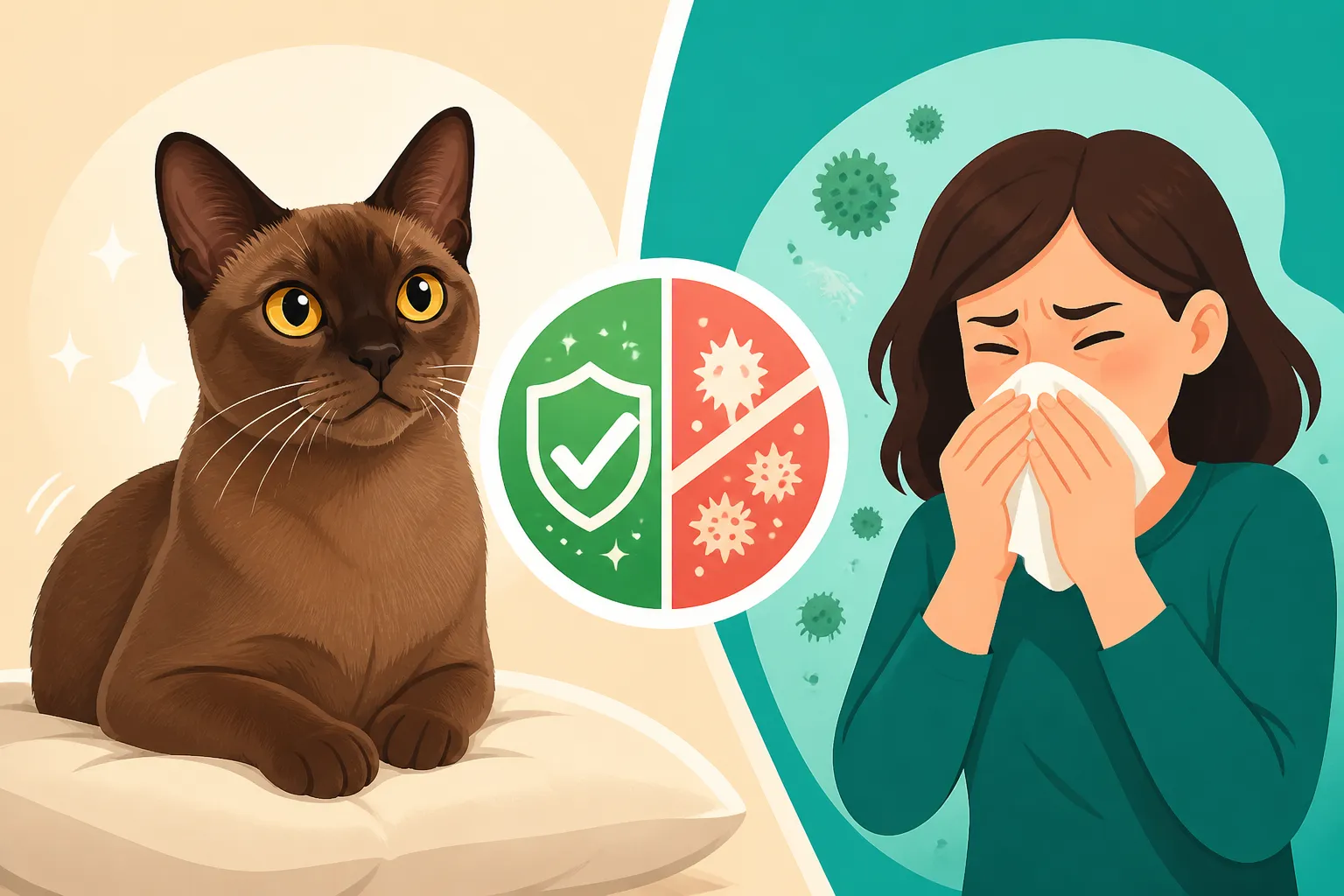
When you react to a cat, it's generally not the length or even the amount of fur itself that's the primary problem. While fur can certainly carry allergens, the real culprit for most people is a protein called Fel d 1. This tiny protein is primarily produced in a cat's saliva, skin glands (which means it's in their dander), and urine. When a cat grooms itself, it spreads this protein-laden saliva all over its fur. As the saliva dries, the Fel d 1 protein flakes off as dander, which is microscopic skin particles, and becomes airborne.
Imagine a cat meticulously cleaning its gorgeous coat – it's actually coating itself in the very substance that triggers your allergic response! This dander then sheds, floats around in the air, lands on furniture, carpets, clothes, and pretty much everywhere else in your home. Even if a cat has very little fur, if it produces a significant amount of Fel d 1, you're still going to react. This is why some people find themselves just as allergic to hairless breeds as they are to long-haired ones.
Why the Burmese Coat Seems Like a Good Candidate
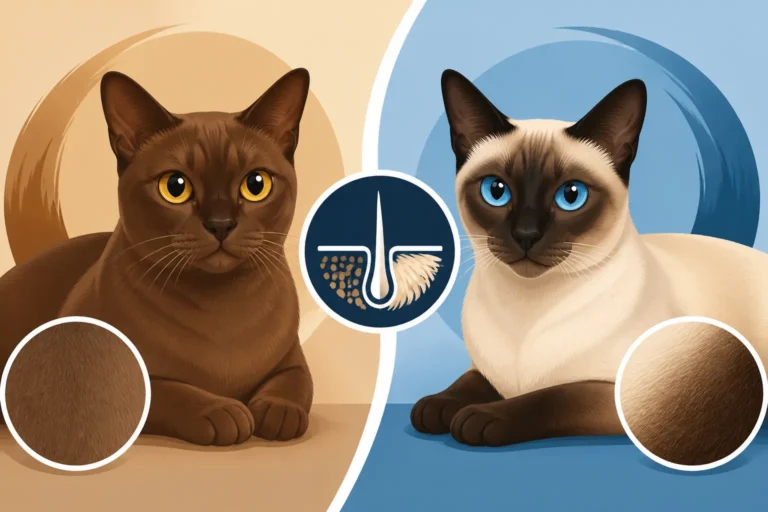
Given what we now know about Fel d 1, why do people often point to the Burmese as a potential "hypoallergenic" option? It really comes down to their remarkable coat. The Burmese has what's often described as a "satin" or "silk" coat – it's incredibly short, lies exceptionally flat against their muscular body, and has very little to no undercoat. This means two things:
- Minimal Shedding: Compared to many other breeds, a healthy Burmese sheds very little. You won't find tumbleweeds of fur rolling across your floor after a good play session. How Little a Satin Coated Burmese Sheds
- Less Visible Dander: Because the fur is so short and doesn't shed heavily, the dander it carries might not be as widely distributed or as visible as it would be with a fluffier cat.
It's easy to look at this smooth, sleek coat and think, "Aha! Less hair, less allergy!" But this is where the common misconception lies. While less visible fur might seem like less allergen, it doesn't necessarily mean less Fel d 1 protein is being produced or is present in the environment.
The Science Behind Fel d 1 and Burmese Cats
To truly understand if a Burmese might work for you, we need to delve a bit deeper into the science of allergens and what specific factors make a difference.
The Fel d 1 Protein: The Real Allergen Culprit
Every single cat, regardless of breed, size, or coat length, produces the Fel d 1 protein. It's a natural part of their biology. However, the amount of Fel d 1 produced can vary significantly from one cat to another, even within the same breed. Factors like sex (males tend to produce more than females, especially unneutered males), age, and individual genetics can influence production.
The important point here is that there's no known genetic mutation or characteristic in the Burmese breed that specifically leads to a significantly lower production of Fel d 1. Their short coat doesn't somehow reduce the protein output from their skin or salivary glands. It simply means that the protein that is produced has less long fur to cling to before it disperses into the environment.
What Studies (and Experience) Show About Burmese and Allergies
Unfortunately, there's no robust scientific data to definitively prove that Burmese cats produce significantly less Fel d 1 than other breeds. While individual cats might produce less, this isn't a breed-wide trait. Some people do report having milder reactions to Burmese cats, or even none at all, but this is highly individual and often anecdotal. It's possible that for these individuals, the combination of lower shedding and perhaps a naturally lower Fel d 1 producer simply aligns well with their specific sensitivity threshold.
Think of it this way: if your allergies are mild, and you get a Burmese that happens to be a naturally low Fel d 1 producer, you might feel fine. But if your allergies are severe, even a low-shedding cat with average Fel d 1 production could still cause a significant reaction. The short coat might mean that the dander, when it does become airborne, might not linger as long in the air, or might be easier to clean from surfaces. However, it certainly doesn't eliminate the allergen from your home. This is why it's crucial to manage expectations and not rely solely on the breed's reputation when dealing with allergies.
Practical Steps for Allergy Sufferers Considering a Burmese
If you're an allergy sufferer and still captivated by the Burmese (and honestly, who wouldn't be? Their personalities are just enchanting!), there are some very practical steps you can take to assess your compatibility and manage potential reactions.
Spending Time with a Burmese Before Commitment
This is, hands down, the most important step you can take. Do not buy a Burmese kitten or adopt an adult cat without spending significant, prolonged time with the breed first. A quick visit to a breeder's home for 15 minutes simply isn't enough. You need to expose yourself to the cat's dander in a realistic home environment.
Consider visiting a reputable Burmese breeder and explaining your situation. Ask if you can spend an hour or two in their cattery, perhaps even on multiple occasions. Sit on their furniture, let the cats interact with you, and generally allow yourself to be exposed. Better yet, if a friend has a Burmese, spend time at their home. Pay attention to how your body reacts over time – not just immediately, but hours later, and even the next day. Sometimes, reactions are delayed. A shelter, while wonderful, might not provide a clear picture because you'll be exposed to dander from many different cats, making it hard to pinpoint your reaction to a specific Burmese.
Managing Allergens in Your Home
If you decide to bring a Burmese into your life, proactive allergen management will be your new best friend. This isn't just about the cat's coat; it's about creating an allergy-friendly environment.
Here's a comprehensive approach:
- Air Filtration: Invest in high-quality HEPA air purifiers for key rooms, especially your bedroom and living areas. Brands that offer subscription filter replacements through places like Amazon can make maintenance easier. These can help capture airborne dander before it settles.
- Frequent Cleaning: Vacuum regularly with a vacuum cleaner equipped with a HEPA filter. Damp mop hard floors to pick up settled allergens rather than spreading them. Wash bedding, curtains, and throw rugs frequently in hot water.
- Restrict Access: Make your bedroom a cat-free zone. This gives you a sanctuary where you can sleep without constant allergen exposure.
- Surface Selection: Opt for hard-surface flooring (wood, tile, laminate) over carpets, as carpets trap dander. Choose leather or synthetic furniture over upholstered fabrics, which are harder to clean.
- Cat Grooming: While bathing a cat isn't always practical or popular with the cat, some owners find it helps. Even more effective, and often more tolerated by the cat, is regularly wiping your Burmese down with a damp chamois or microfiber cloth. This physically removes loose dander and saliva from their coat before it sheds. Why a Weekly Chamois Is All a Burmese Needs Many Burmese adore the attention this provides.
- Handwashing: Wash your hands immediately after petting or handling your cat. Avoid touching your face or eyes.
These steps, though seemingly extensive, can make a huge difference in your comfort level and allow you to enjoy your Burmese without constant allergic reactions.
Dietary and Grooming Considerations That Might Help (or Not)
You might have heard about specific diets or grooming routines that claim to reduce allergens. It's worth a quick look, but always with a healthy dose of skepticism.
Some cat food brands have started to offer diets that claim to reduce Fel d 1 in a cat's saliva. These typically contain an egg-based protein that binds to Fel d 1, neutralizing it. While some early studies show promise, the effectiveness can vary, and it's not a guaranteed solution. If you choose to explore this, brands available from retailers like Chewy might offer options, but always discuss any dietary changes with your vet.
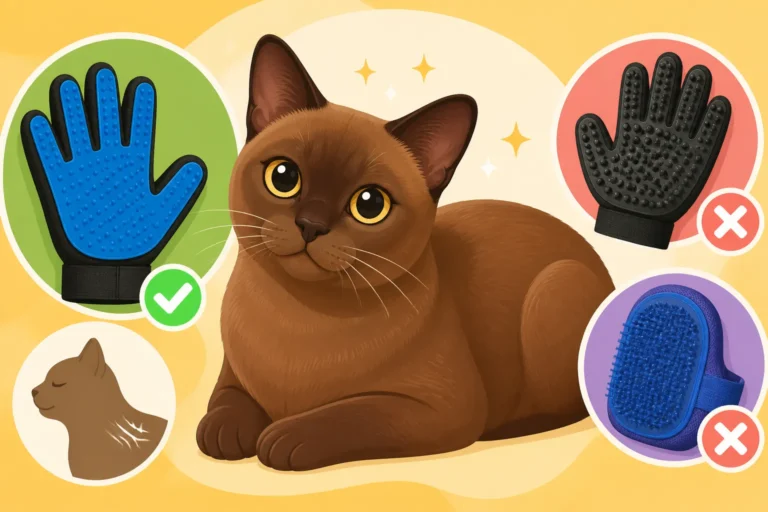
In terms of grooming, beyond the damp cloth technique mentioned earlier, regular brushing (even for a short-coated Burmese) can help remove loose hair and dander, preventing it from becoming airborne. However, avoid "deshedding" tools that are designed for cats with thick undercoats, as a Burmese really doesn't need them and they can be too harsh on their delicate skin. Focus on gentle techniques that your Burmese enjoys, making grooming a bonding experience rather than a chore. Many Burmese love being rubbed with a damp cloth; they see it as extra cuddles! How Many Minutes a Month a Burmese's Coat Takes
Setting Realistic Expectations and Making an Informed Decision
Bringing a cat into your home is a huge commitment, especially when allergies are a factor. It's essential to approach this decision with open eyes and realistic expectations.
The Risk of Disappointment
The hardest part of this journey for allergy sufferers is the risk of disappointment. If you go into it hoping the Burmese will be a miracle "hypoallergenic" cat and your allergies persist, it can be heartbreaking. Rehoming a cat because of allergies is a tough situation for everyone involved, especially the cat.
Remember that no cat is 100% hypoallergenic. The goal isn't necessarily to eliminate all allergens, but to reduce them to a level that your individual immune system can tolerate comfortably. Your personal sensitivity plays a huge role here. Someone with mild allergies might find the Burmese perfectly tolerable, while someone with severe allergies might still struggle.
Embracing the Burmese for Their Personality, Not Just Their Coat
Ultimately, if you're considering a Burmese, you should be doing so because you're drawn to their incredible personality, their affectionate nature, and their intelligence, not just because of their coat. The Burmese is famous for being a "Velcro cat," sticking close to their humans, riding on shoulders, and engaging in conversations with their distinctive rasping rumble. The Burmese Is the Velcro Cat of the Cat Fancy They are playful well into old age and thrive on interaction and companionship.
If you are sensitive to cat allergens, the Burmese might be a better option than some other breeds due to their low shedding. But it will likely require a diligent approach to home allergen management and a careful pre-adoption trial period. If you fall in love with their charming character, and you're prepared for the commitment of allergen reduction, then a Burmese can certainly bring immense joy to your life. Just don't expect their short coat to be the magical solution to all your allergy woes.
Allergy Considerations: Common Beliefs vs. Reality
Here's a quick summary of what people often believe about "hypoallergenic" cats and the scientific reality, particularly relevant for Burmese owners.
| Common Belief | Scientific Reality |
|---|---|
| "Hypoallergenic" cats don't cause allergies. | No cat is 100% hypoallergenic. They all produce Fel d 1 protein, the primary allergen. |
| Long-haired cats are worse for allergies. | Coat length is not directly correlated with Fel d 1 production. Dander (skin flakes) is the main carrier, not just fur. |
| The Burmese's short coat means fewer allergens. | The short coat means less shedding fur, but not necessarily less Fel d 1 production. |
| Grooming will eliminate allergens. | Regular grooming (especially wiping with a damp cloth) can reduce surface allergens, but won't eliminate production. |
| You can never own a cat if you have allergies. | Many allergy sufferers successfully live with cats by managing allergens and choosing cats carefully. |
Disclaimer
This article is for general informational purposes only and does not constitute professional advice. Laws, prices and regulations vary by location and change over time. Consult a qualified professional for guidance on your specific situation.