Whether a Diabetic Burmese Can Eat Treats
It’s heartbreaking, isn't it? You’re trying your absolute best to manage your beloved Burmese's diabetes, meticulously weighing food, giving injections, and monitoring their every move. Then, they gaze up at you with those huge, soulful eyes as you reach for a snack, and your heart just melts. You want to give them a treat, a little something extra, but the fear of upsetting their delicate blood sugar balance is always there. It feels like a cruel dilemma – denying them a small pleasure versus safeguarding their health. This guide is here to walk you through the complexities of giving treats to a diabetic Burmese, helping you understand what's safe, what's not, and how to make those moments of indulgence work for you both.
The Treat Conundrum: Can Diabetic Burmese Indulge?
The short answer is yes, a diabetic Burmese can have treats, but it comes with significant caveats and a whole lot of careful consideration. This isn't about simply tossing them a piece of kibble or a sugary commercial snack. For a cat living with diabetes, every single morsel they consume impacts their blood glucose levels, and treats are no exception. The goal isn't to completely strip joy from their lives, but to integrate any "extra" food thoughtfully and safely into their medical management plan.
The Critical Role of Diet in Diabetic Management
For a Burmese, especially, managing diet isn't just about weight control; it's a cornerstone of their diabetes treatment. This breed is unfortunately Why a Burmese Is Four Times More Likely to Become Diabetic, making proactive dietary management even more vital. Their metabolism is wired in such a way that high carbohydrate intake can easily send their blood sugar soaring, making insulin regulation a constant battle. A consistent, low-carbohydrate diet is often the first line of defense, and for some Burmese, it can even lead to How Many Diabetic Burmese Go Into Remission. This means that every food item, including treats, must be scrutinized through the lens of its carbohydrate content and its potential impact on their glucose levels. Skipping this crucial step can undo days of careful management, leading to frustration for you and potential health complications for your cat.
Why Treats Are Not "Just a Little Something"
It's easy to dismiss a small treat as negligible, a tiny morsel that couldn't possibly make a difference. However, for a diabetic Burmese, "just a little something" can indeed throw off their delicate metabolic balance. Many common cat treats are surprisingly high in carbohydrates, often containing grains, starches, and even added sugars. These ingredients are metabolized quickly, causing a rapid spike in blood glucose that their compromised pancreas struggles to handle, even with insulin. This means your carefully administered insulin dose might suddenly be insufficient, or their blood sugar could swing wildly, making them feel unwell. Think of it like a ripple effect: one seemingly innocent treat can create a cascade of metabolic instability, complicating their daily care and your peace of mind.
Understanding the Enemy: Carbohydrate Load and Your Burmese
When it comes to diabetes, carbohydrates are the primary dietary component we need to watch. Cats, as obligate carnivores, are naturally designed to thrive on a diet rich in protein and fat, with very minimal carbohydrates. Their bodies are not efficient at processing large amounts of carbs, and in diabetic cats, this inefficiency is exacerbated. Understanding which treats are high in carbs and why they're detrimental is crucial for making informed decisions.
What Makes a Treat High-Carb?
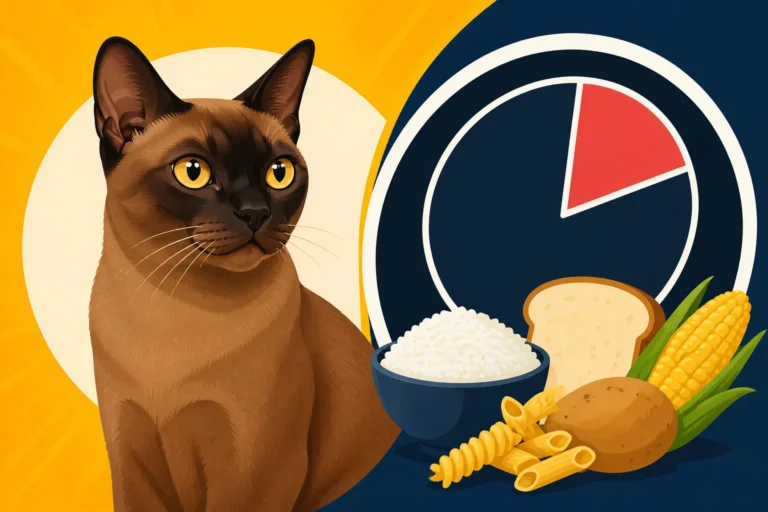
Many popular cat treats are, regrettably, packed with ingredients that are cheap fillers but problematic for diabetic felines. Look at the ingredient list of most commercial crunchy treats, and you'll often see corn, wheat, rice, potatoes, or various forms of sugar (like corn syrup, dextrose, or maltodextrin) listed prominently. These are all high in carbohydrates. Even some "healthy" sounding treats, like those with fruit or certain vegetables, can contribute to a significant carb load. The processing methods for many treats also contribute; baking and extrusion often involve starches to hold the treat together, inadvertently boosting their carb count. Why Low Carbohydrate Food Matters for a Burmese for optimal health and diabetes management.
The Impact on Blood Glucose
When a Burmese, especially a diabetic one, consumes high-carbohydrate treats, their body quickly breaks down these carbs into glucose. This rush of glucose floods their bloodstream, causing a rapid and often significant spike in blood sugar levels. For a healthy cat, their pancreas would release insulin to usher this glucose into cells for energy. However, in a diabetic Burmese, their pancreas either doesn't produce enough insulin or their body doesn't respond effectively to the insulin it does produce. This means the glucose remains elevated in the bloodstream, leading to hyperglycemia. Consistently high blood sugar can damage organs over time and make your cat feel lethargic, excessively thirsty, and prone to urinary tract infections. It also makes it incredibly difficult for your vet to determine the correct insulin dosage when the cat's diet is inconsistent.
The Search for Safe, Low-Carb Indulgences
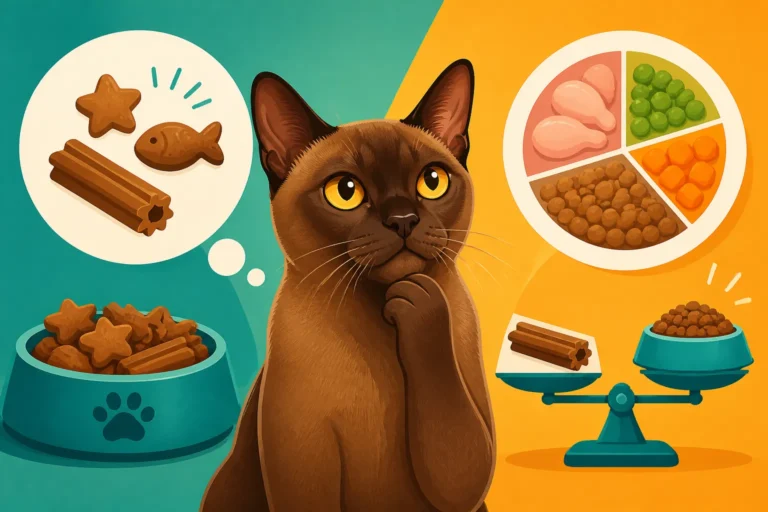
So, what's a loving Burmese owner to do? The good news is that there are absolutely safe and appropriate treat options available. The key is to think "protein-rich" and "single-ingredient," and always consider them part of your cat's overall daily caloric and carbohydrate intake.
Acceptable Treat Ingredients
When selecting treats for your diabetic Burmese, focus on pure protein sources. These are metabolized much more slowly and have a minimal impact on blood glucose. Here are some top choices:
- Freeze-dried single-ingredient meat: This is often the gold standard. Look for treats that are just chicken, salmon, beef, or liver, with no added fillers, preservatives, or starches. These are pure protein and provide a satisfying crunch or chew without the carb load. You can find many excellent options from brands like PureBites or Orijen, often available through online retailers like Chewy or Amazon.
- Cooked, unseasoned lean meat: Small pieces of cooked chicken breast, turkey, or even lean beef, prepared without any salt, spices, or oils, can make fantastic treats. Always ensure they are thoroughly cooked and cut into bite-sized, digestible pieces.
- Boiled egg white: A tiny piece of boiled egg white can be a protein boost with virtually no carbs.
- Canned tuna or salmon in water (drained): A very small flake of tuna or salmon, packed in water and thoroughly drained to remove excess sodium, can be a high-value treat. Use sparingly due to potential mercury levels and sodium.
Always introduce new treats slowly and in tiny amounts, observing your cat for any adverse reactions or changes in blood sugar readings if you are monitoring at home.
Portion Control Is Non-Negotiable
Even with the safest, lowest-carb treats, portion control remains paramount. A treat, by definition, should be a small reward, not a significant portion of their daily food intake. For a diabetic Burmese, this often means literally a single flake of freeze-dried chicken or a pea-sized piece of cooked meat. Too much of even a good thing can add unnecessary calories and potentially impact their blood sugar or weight management. Remember, Why Portion Control Is Medical Care in a Burmese – it's not just about managing current weight, but about preventing obesity, which is a significant risk factor for diabetes recurrence or difficult management. When giving treats, make sure to factor them into your cat’s daily calorie budget. If they get a treat, they might need a slightly smaller portion of their main meal.
Commercial Low-Carb Options
The market for cat treats is vast, but finding truly low-carb options for diabetic felines requires vigilance. As mentioned, single-ingredient freeze-dried meats are excellent. Many reputable pet supply retailers, like Chewy and Amazon, categorize treats by ingredients, making it easier to search for "freeze-dried chicken treats" or "single-ingredient salmon." When looking at labels, aim for treats where the guaranteed analysis shows carbohydrate content as close to 0% as possible. This usually means high protein (50%+) and moderate fat. Brands like Whole Life, Vital Essentials, and Stella & Chewy's often offer suitable freeze-dried options.
While not typically “treats” in the traditional sense, some fresh food services offer recipes that can be very low in carbohydrates. If considering something like this, it is absolutely essential to examine the specific feline formulations, check their full nutritional analysis for carb percentage, and always discuss it with your veterinarian first, as “human-grade” doesn't automatically mean “diabetic-safe” without careful carb consideration.
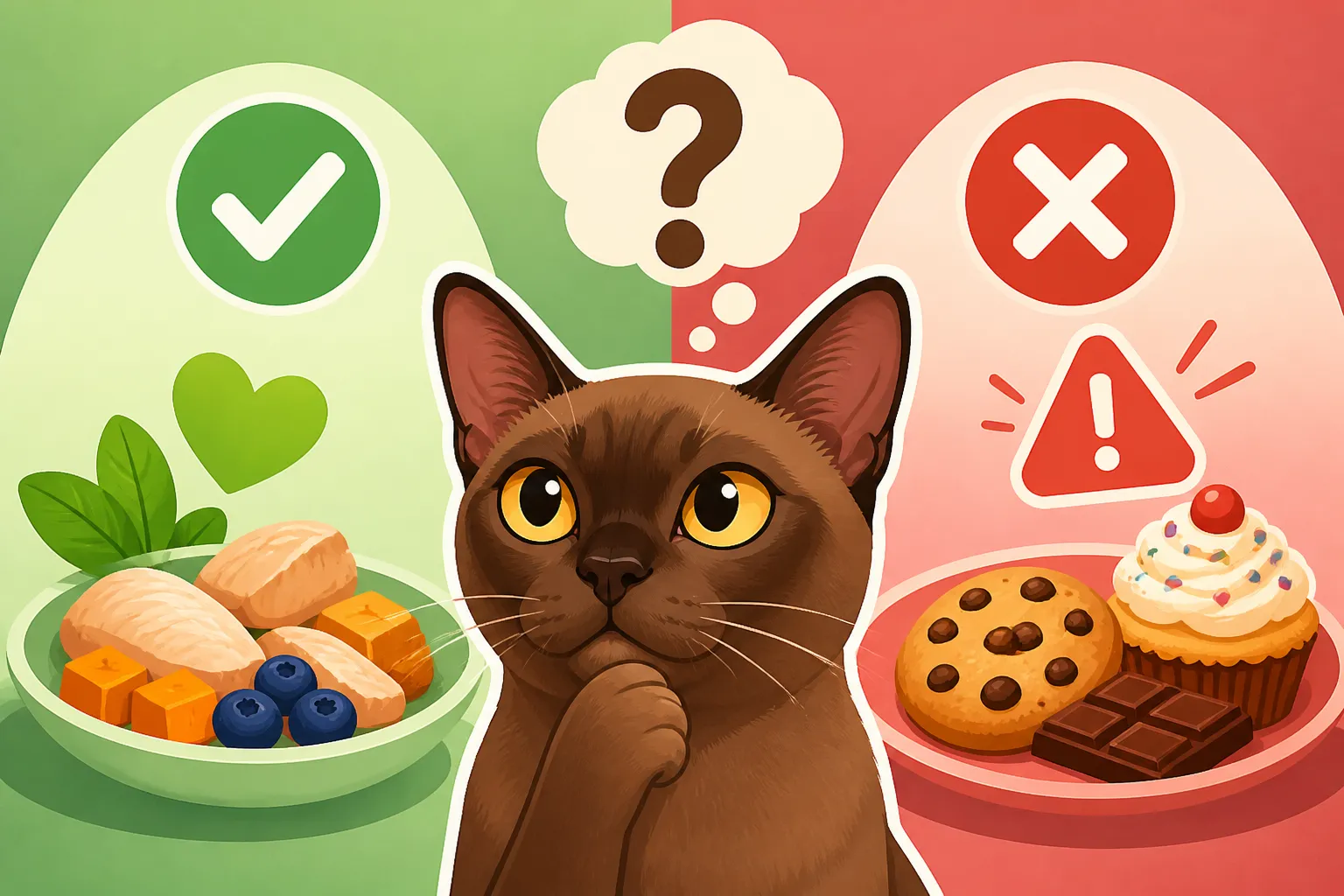
Here’s a quick comparison of common treat types:
| Treat Type | Common Ingredients | Carbohydrate Impact | Suitability for Diabetic Burmese (with caveats) |
|---|---|---|---|
| Crunchy Kibble-like | Grains (corn, wheat, rice), starches, sugar | High | Avoid |
| Soft Chews | Glycerin, starches, various sugars | Moderate to High | Avoid |
| Dental Chews | Grains, plant fibers, starches | Moderate | Avoid (or consult vet very carefully) |
| Malt Pastes | Sugar, malt syrup | High | Avoid |
| Cooked Lean Meat | Chicken breast, turkey, beef (unseasoned) | Very Low | Excellent (small portions) |
| Freeze-Dried Meat | Single-ingredient (chicken, salmon, liver) | Very Low | Excellent (small portions, check label) |
| Boiled Egg White | Egg white | Very Low | Good (tiny portions) |
| Canned Fish (in water) | Tuna, salmon (drained, unseasoned) | Very Low | Good (tiny portions, sparingly) |
Treats as Tools: Enhancing Life Without Compromising Health
Beyond just an occasional reward, treats can actually be a valuable tool in managing your diabetic Burmese, turning potentially stressful medical procedures into positive experiences. The trick is to use high-value, safe treats strategically.
Positive Reinforcement for Medical Care
Administering insulin injections and performing regular glucose checks are daily realities for a diabetic Burmese owner. These procedures can be stressful for both you and your cat. This is where appropriate treats shine as positive reinforcement. A tiny, highly palatable piece of freeze-dried chicken offered immediately after an injection or a successful ear prick for a glucose reading can help create a positive association. Your cat learns to tolerate, and perhaps even look forward to, these moments because they know a delicious reward is coming. This can significantly reduce stress and make your daily routine smoother. Imagine being able to Teaching a Burmese to Sit Still for a Glucose Check or give How to Give a Burmese Its Insulin at Home with minimal fuss, all thanks to a carefully chosen treat.
Maintaining the Human-Animal Bond
Our cats are more than just pets; they're family members. Sharing food, even in tiny amounts, is a fundamental way we bond with them. For owners of diabetic cats, the fear of "poisoning" their beloved pet with an inappropriate treat can sometimes lead to an overly strict approach that removes these bonding opportunities. But it doesn't have to be that way. By selecting safe, low-carb treats and practicing strict portion control, you can still share these small moments of joy and affection. These moments reinforce trust and strengthen your connection, which is incredibly important for your Burmese's emotional well-being, especially since they are such affectionate and people-oriented cats. Denying them all treats can sometimes make them feel deprived, and finding appropriate avenues for these small rewards can improve their overall quality of life.
Always Consult Your Vet
This cannot be stressed enough: always discuss any treat additions or changes to your diabetic Burmese's diet with your veterinarian. Every cat's diabetes is unique, and what works for one might not work for another. Your vet knows your cat's specific health status, insulin regimen, and blood glucose trends. They can provide tailored advice on appropriate treat types, quantities, and even timing, especially in relation to insulin injections. They might suggest monitoring blood glucose more closely when introducing new treats to see their impact. It’s a partnership, and your vet is your most important resource in ensuring your Burmese lives a long, happy, and well-managed life despite their diabetes. They can help you understand how often to administer insulin and how food, including treats, plays into that routine.
Disclaimer
This article is for general informational purposes only and does not constitute professional advice. Laws, prices and regulations vary by location and change over time. Consult a qualified professional for guidance on your specific situation.