How to Keep an Old Burmese Warm
It's heartbreaking to see our beloved Burmese cats, once so energetic and full of life, start to feel the chill more intensely as they age. Many owners notice their senior Burmese seeking out sunbeams or burrowing deeper under blankets, and it's a clear sign that they need a little extra help staying cozy. This guide is here to walk you through exactly why your older Burmese might be feeling the cold more and, more importantly, how you can create the perfect warm, comfortable environment to ensure their golden years are as snug as can be.
Understanding Why Older Burmese Get Cold
As our cherished Burmese companions mature, their bodies undergo various changes that can significantly impact their ability to regulate temperature. What once seemed like a minor preference for a warm spot can become a genuine need, and recognizing these shifts is the first step in providing the best care. It's not just about them getting older; it's about specific physiological changes unique to their breed and aging process.
The Thinning Satin Coat
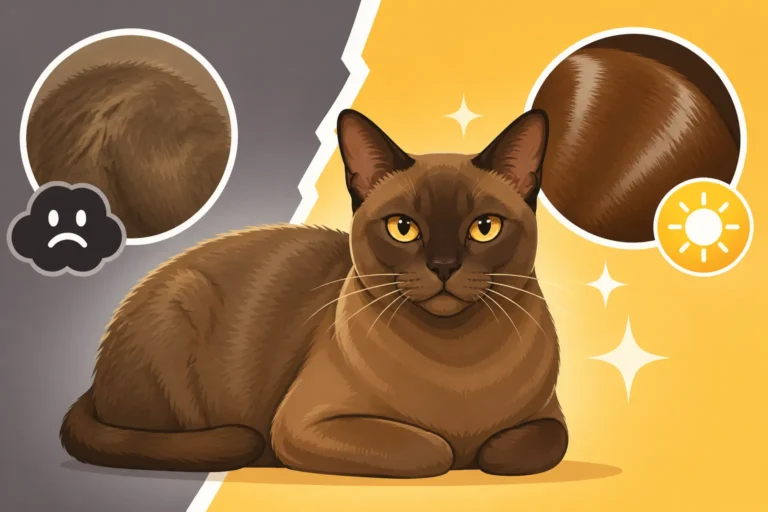
One of the most defining characteristics of a Burmese is their exquisite, short, satin-like coat. It’s dense and sleek, but unlike some breeds, it doesn’t boast a thick, insulating undercoat. When your Burmese is young and active, this short coat is perfectly sufficient, providing enough warmth while allowing them to maintain their athletic agility. However, as they age, even this relatively sparse coat can thin further. You might notice their fur becoming a little less dense, especially along their spine or flanks. This natural thinning reduces the already limited insulation their coat provides. Imagine wearing a light jacket in winter that suddenly gets even thinner – that's what's happening. Why a Short Coated Burmese Seeks Body Heat explains this inherent need for warmth even in their younger days, and this only becomes more pronounced with age.
Metabolic Changes and Reduced Activity
Another significant factor in an older Burmese feeling the cold more acutely is a slowdown in their metabolism. Just like us, as cats get older, their internal furnace doesn't burn as hot. Their bodies become less efficient at generating heat, and this can be compounded by a natural decrease in activity levels. A younger Burmese might zoom around the house, burning calories and generating body heat, but an older one is more likely to be found napping in a sunny spot or perched quietly on your lap. This reduced movement means less muscle activity generating warmth, leaving them more susceptible to ambient temperatures. This is a crucial aspect of Caring for a Burmese Past Twelve, where their overall physical changes need careful consideration.
Arthritis and Joint Pain
Arthritis is a common ailment in senior cats, and unfortunately, it can make cold weather or drafts particularly uncomfortable for a Burmese. If your cat is experiencing stiff or painful joints, they might be less inclined to move, find warm spots, or even shift positions if they're in a draft. The cold can exacerbate the inflammation in their joints, leading to a vicious cycle where discomfort discourages movement, which in turn reduces body heat and makes them feel even colder. It's a tough situation for them, and one that requires us to be extra vigilant. We often notice this as they become a little less graceful, or hesitant to jump. How Arthritis Shows in a Burmese That Still Plays delves into identifying these subtle signs.
Creating a Warm Haven: Practical Home Solutions
Knowing why your senior Burmese is feeling the cold is essential, but the real work lies in creating an environment that actively combats the chill. It's about more than just turning up the thermostat; it's about thoughtful placement, comfortable bedding, and sometimes, a little technological help to ensure they're always cozy.
Strategic Placement of Beds and Lounging Spots
Think about where your Burmese naturally gravitates. Chances are, it's a spot where sunlight streams in, or perhaps near a heat vent. We need to amplify these instincts and make sure their designated rest areas are truly warm.
- Avoid Drafty Areas: Pay close attention to windows and doors. Even if they feel sealed to you, older homes can have subtle drafts that are easily felt by a cat closer to the floor. Move beds away from these areas. If your cat likes to look out the window, consider adding a thick blanket or even a draft stopper to the sill.
- Elevate Sleeping Areas: Heat rises, so a bed placed directly on a cold tile or hardwood floor isn't ideal. Raising their bed a few inches, perhaps on a sturdy cat tree (if they can still comfortably access it) or a low, stable pet bed frame, can make a world of difference. This also helps them get off those chilly surfaces that draw heat away from their bodies.
- Sunbeam Hotspots: Observe your home throughout the day. Where do the sunniest spots appear? Make sure there's a comfortable bed or soft blanket in these locations. Many older Burmese will still actively seek out these warm patches, so making them inviting is key. Why a Burmese Seeks Out the Warmest Spot is a clear indicator of their preference.
Heated Beds and Warming Pads
These are truly game-changers for older cats. A simple, plush bed is good, but one that provides consistent, gentle warmth can be a godsend for an arthritic or cold-sensitive Burmese.
- Electric Heated Beds: These come in various styles, from small pads to full beds. They typically have a low wattage and a thermostat to maintain a safe, comfortable temperature, often just above body temperature. It's crucial to choose one specifically designed for pets and to follow the manufacturer's instructions carefully. You can find excellent options on retailers like Chewy or Amazon, with different sizes and shapes to fit your cat's favorite napping spots.
- Self-Warming Beds: These don't use electricity but have insulating layers or reflective materials that trap your cat's body heat and radiate it back to them. They're a great non-electric option, particularly for areas where you don't have an outlet or want to avoid cords. While they don't provide active heat, they certainly enhance natural warmth.
- Microwaveable Warming Pads: These are gel packs that you heat in the microwave and then place under a blanket or within a bed. They provide warmth for several hours. This can be a good choice for short-term warmth, like an hour before bed, but ensure it's not too hot and always has a fabric barrier between the pad and your cat.
Remember, whatever option you choose, always check for safety features, read reviews, and supervise your cat initially to ensure they are comfortable and safe.
Soft Bedding and Cozy Hiding Spots
Beyond active heating, insulation is paramount. Think about how many blankets we pile on ourselves in winter!
- Layer Up: Provide plenty of soft, thick blankets in their beds. Fleece, faux fur, or wool blankets are excellent insulators. Your Burmese will love to knead and burrow into them. Regularly wash these blankets to keep them fresh and inviting.
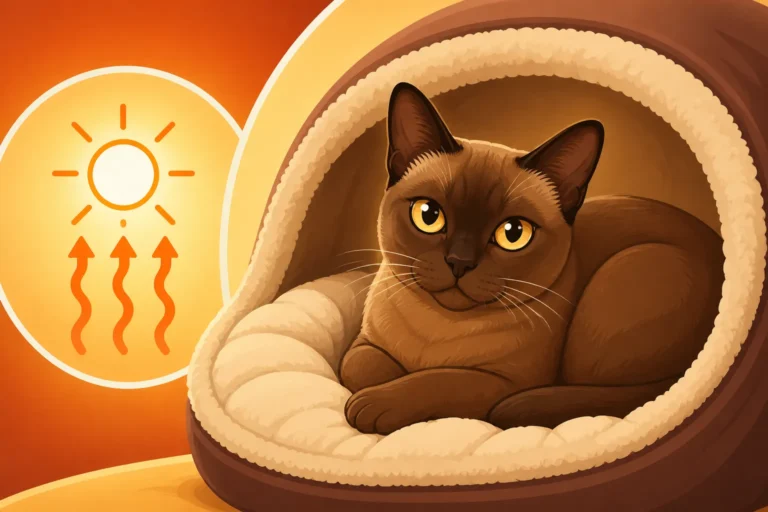
- Enclosed Beds: Many older cats appreciate the security and warmth of an enclosed bed or a cat cave. The walls help trap body heat, and the den-like feel provides a sense of safety, which is especially comforting for a senior cat who might feel a little more vulnerable.
- Cardboard Boxes: Don't underestimate the power of a simple cardboard box lined with a soft blanket. Cardboard is a surprisingly good insulator, and many cats love the snug, private feeling of a box. Place these in warm, draft-free areas around the house.
Dietary and Health Considerations for Warmth
While external warmth is vital, a truly warm Burmese also needs internal support. Nutrition, hydration, and overall health play a significant role in their ability to stay comfortable and generate their own body heat. This is where your daily care routine can make a huge difference.
Maintaining a Healthy Weight
It might sound counter-intuitive, but ensuring your older Burmese maintains a healthy, lean weight is crucial for their warmth, not packing on extra pounds. While a little fat can provide some insulation, being overweight puts undue stress on their joints, making movement more painful and reducing their natural activity—which, as we discussed, generates body heat. An overweight cat is also more prone to other health issues that can compromise their overall vitality and ability to stay warm. Focus on feeding a high-quality, protein-rich diet appropriate for their age and activity level. Why an Old Burmese Loses Its Muscle First highlights the importance of maintaining muscle mass, which is key for a healthy metabolism. Regularly weighing your Burmese and adjusting their food intake is a vital part of their senior care, as detailed in What a Burmese Weighs at One on a Weighed Ration.
Hydration and Circulation
Good hydration is essential for overall cellular function and blood circulation, both of which contribute to your cat's internal warmth. If a cat is even mildly dehydrated, their bodily functions can slow down, impacting their ability to regulate temperature effectively.
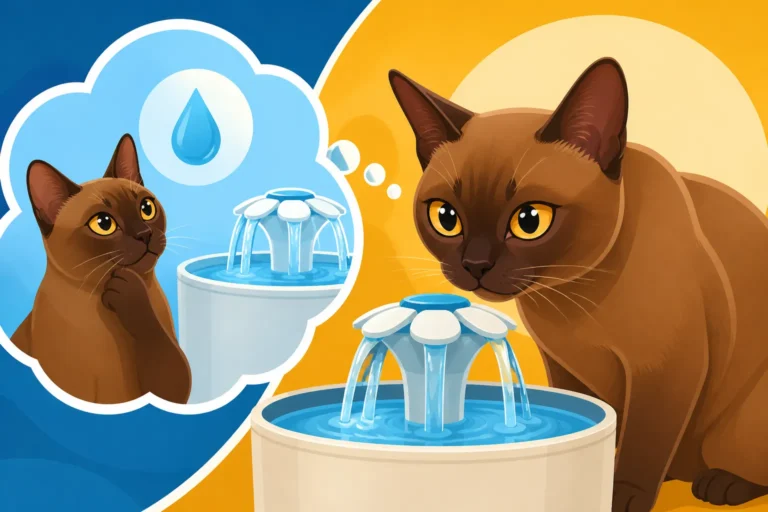
- Fresh Water: Always provide multiple sources of fresh, clean water around the house. Some cats prefer ceramic or stainless steel bowls, while others are enticed by the running water of a pet fountain.
- Wet Food: A diet rich in wet food significantly increases a cat's water intake. This is especially beneficial for older cats, who may not drink enough on their own, and also helps support kidney function, a common concern in senior felines. Why an Old Burmese's Appetite Should Be Watched Closely can often be linked to underlying health issues, including dehydration.
Regular Vet Checks for Underlying Issues
Sometimes, feeling cold isn't just about age; it can be a symptom of an underlying health problem. A senior Burmese who is constantly seeking warmth, even in a comfortable environment, warrants a trip to the vet.
- Thyroid Issues: Hypothyroidism, though less common in cats than hyperthyroidism, can lead to a lower metabolic rate and a decreased ability to generate body heat.
- Kidney Disease: Chronic kidney disease can affect a cat's overall energy levels and body temperature regulation. How Kidney Disease Arrives in an Old Burmese often shows subtle symptoms that only a vet can accurately diagnose.
- Anemia or Heart Conditions: Conditions that affect blood circulation can also make a cat feel colder.
A routine senior check-up, usually twice a year for cats over seven, can catch these issues early. Your vet can perform blood work and a thorough physical exam to rule out any medical reasons for your Burmese's increased sensitivity to cold.
| Warming Solution | Description | Pros | Cons |
|---|---|---|---|
| Electric Heated Bed/Pad | Uses low wattage electricity to provide consistent, thermostatically controlled warmth. | Provides reliable, active heat; deeply comforting for arthritic cats. | Requires electricity; cords can be a chew hazard (secure them!). |
| Self-Warming Bed | Contains reflective material or insulating layers to capture and return body heat. | No electricity needed; safe, passive warmth; portable. | Only as warm as the cat's own body heat allows; less intense warmth. |
| Soft, Thick Blankets | Fleece, wool, or faux fur blankets placed in beds or on favorite spots. | Inexpensive; easy to wash; customizable for burrowing; highly comforting. | No active heat; only provides insulation. |
| Enclosed Cat Bed/Cave | Beds with high sides or a roof, creating a den-like space. | Traps body heat effectively; provides a sense of security and privacy. | Might not be appealing to all cats; can be bulky. |
| Microwaveable Warming Pad | Gel pack heated in microwave, placed under bedding. | Provides intense, quick warmth; good for short-term relief. | Heat dissipates over time; requires reheating; ensure safe temperature. |
Interactive and Environmental Enrichment
Even in their senior years, Burmese cats retain a vibrant personality and a need for engagement. Thoughtful interaction and maintaining a stimulating home environment can indirectly contribute to their warmth by keeping them active, alert, and emotionally content. A happy, engaged cat often has a better appetite and overall vitality.
Gentle Play and Movement
While an old Burmese might not scale the drapes like they used to, gentle, consistent movement is still beneficial. It helps maintain muscle tone, improves circulation, and can generate a small amount of internal body heat.
- Short, Frequent Play Sessions: Instead of one long, exhausting play session, opt for several shorter ones throughout the day. A feather wand, a laser pointer (used carefully to avoid frustration), or rolling a soft toy can pique their interest. Focus on games that encourage stretching and gentle movement rather than high-impact jumps. How Much Play a Burmese Still Demands at Ten is a testament to their enduring playful nature, even if the intensity changes.
- Food Puzzles: These can encourage movement and mental stimulation without being overly strenuous. A puzzle feeder that requires them to bat at or nudge pieces to release food can keep them engaged and active, even when you're not directly playing with them.
- Encourage Vertical Space: If your Burmese still enjoys being up high, ensure there are easily accessible ramps or steps to their favorite elevated spots, like a cat tree or a sunny window perch. Climbing and descending these can provide gentle exercise. Remember, Why an Old Burmese Still Climbs Onto You shows their instinct to seek height and warmth.
The Comfort of Company
Burmese cats are renowned for their affectionate, "Velcro cat" nature. This isn't just about emotional comfort; it can also be a source of physical warmth. Your lap, or snuggling against another pet, is one of the warmest places for them to be.
- Lap Time: Your body heat is a natural and comforting source of warmth. Encourage your old Burmese to cuddle on your lap or under a blanket with you. This not only keeps them warm but also reinforces your bond, providing immense emotional well-being. Why an Old Burmese Still Wants a Lap speaks volumes about this fundamental need.
- Companion Animals: If you have other pets, especially another Burmese or a cat with a similar temperament, they might naturally seek each other out for warmth and companionship. Watching them curl up together is a beautiful sight and a testament to their social nature.
- Consistent Presence: Burmese thrive on human interaction. Being around their people helps reduce stress, which can indirectly impact their physical well-being. An anxious or stressed cat might have a compromised immune system or reduced appetite, both of which can make them feel the cold more. Ensure they aren't left alone for excessively long periods. Why a Burmese Cannot Let You Leave the Room highlights their deep attachment and need for company.
Monitoring Home Temperature
While you don't need to turn your home into a sauna, maintaining a consistent, comfortable ambient temperature is important.
- Avoid Extremes: Sudden drops in temperature can be particularly jarring for an older cat. Aim for a stable temperature, ideally between 68-75°F (20-24°C).
- Nighttime Warmth: Pay special attention to overnight temperatures. Houses often cool down significantly after dark. Ensure their sleeping areas are extra cozy, perhaps with a heated bed or an extra blanket, to see them comfortably through the night.
- Use Thermostats and Timers: If you're out during the day, consider setting your thermostat to maintain a comfortable temperature rather than letting the house get very cold and then rapidly heating it up when you return. This consistency is better for an older cat.
By combining internal health support with external warming solutions and continued affectionate care, you can ensure your beloved senior Burmese remains wonderfully warm, comfortable, and cherished throughout their golden years.
Disclaimer
This article is for general informational purposes only and does not constitute professional advice. Laws, prices and regulations vary by location and change over time. Consult a qualified professional for guidance on your specific situation.