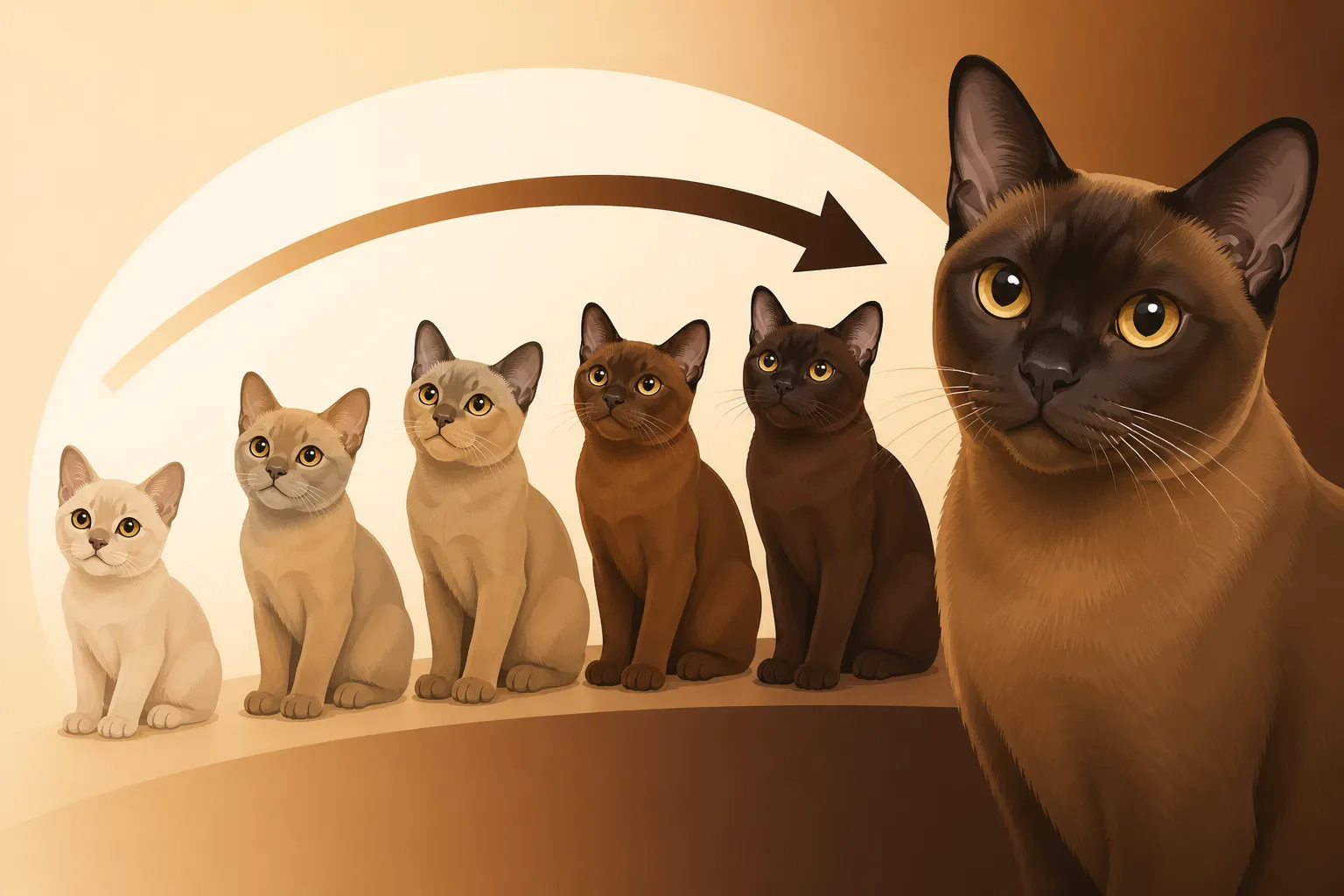
How a Burmese’s Sable Darkens or Lightens With Age
It’s a truly common experience for us Burmese cat owners: you bring home this adorable, pale little sable kitten, and over the months, you watch in fascination as their coat deepens and transforms. Then, years later, you might notice that same rich, warm brown seems a touch lighter, a bit less intense than it once was. It’s not just you imagining things, I promise! The sable coat of a Burmese cat is a dynamic, living canvas, and its shade absolutely does evolve with age and other factors. This guide will walk you through the delightful science and everyday observations behind why your Burmese’s beautiful sable coat changes its hue over time.
The Genetic Dance Behind the Burmese Sable Coat
Understanding why your Burmese’s coat changes color starts with a peek into their genetic makeup. It’s truly fascinating how a tiny strand of DNA can dictate such a beautiful, specific coat color. The Burmese breed is famous for its unique coloring, and the sable (often called 'brown' in other parts of the world) is the original and most recognized shade. This distinctive color isn't just arbitrary; it's a direct result of a specific gene.
The Mystery of the cb Allele and Temperature Sensitivity
At the heart of the Burmese's sable coat lies a gene known as the cb allele, a variant of the gene responsible for color density. This allele is what gives the Burmese its classic "sepia" or "toned" appearance, rather than a solid, uniform brown. Unlike fully pigmented cats, Burmese cats carry two copies of this cb gene, meaning they are homozygous for Burmese color restriction. This gene is responsible for a partial restriction of pigment, which is influenced by temperature.
Think of it like this: your Burmese cat's body produces an enzyme that's crucial for melanin (pigment) production. However, this enzyme is heat-sensitive. It works most efficiently in cooler areas of the body and less so in warmer areas. This is why you’ll notice that your sable Burmese is always darkest on their "points" – their face, ears, paws, and tail – which are the coolest extremities of their body. The warmer core of their body, like their belly and back, will be a lighter, warmer brown. It's a natural masterpiece of genetics and thermoregulation, constantly at play, even when you don't realize it. This temperature sensitivity is key to understanding every shift in their glorious coat.
Why Kittens Arrive Looking Paler Than Their Parents
It's always a surprise to first-time Burmese owners: those newborn kittens often look so much paler than their deep sable parents! They typically emerge from the womb in shades of pale fawn, cream, or even a very light, milky chocolate. You might even wonder if you’ve got a platinum Burmese kitten on your hands, especially if you’re new to the breed. This initial lightness is a direct consequence of the temperature-sensitive gene we just discussed.
While growing inside their mother, kittens are kept wonderfully warm and cozy at a consistent body temperature. This warm environment inhibits the full expression of the color-producing enzyme. There's simply too much warmth for the darker pigment to properly develop. It's only once they are born and exposed to the cooler ambient air that their bodies, particularly those cooler extremities, begin to activate the enzyme more effectively. Over the first few weeks and months, you'll witness this incredible transformation as their true sable color starts to bloom, deepening from a light fawn to the rich, warm brown we adore. It's truly one of the most visible developments in a Burmese kitten's early life. A Burmese Kitten's First Year of Never Being Alone delves deeper into their early development, but the coat color change is certainly one of the most striking.
The Beautiful Evolution: Sable Shades Through the Years
The journey of your Burmese's coat color is a lifelong adventure, with distinct phases from their playful kittenhood right through to their wise senior years. Each stage brings subtle shifts and sometimes more noticeable transformations.
The Deepening Hue of Kittenhood to Adulthood
After those first pale weeks, the most dramatic color change in a sable Burmese happens during their first year of life. From about eight weeks old, when they're bouncing around and exploring the world, their coat will rapidly start to deepen. That initial pale fawn will give way to a warm, rich brown, often described as a 'walnut' or 'sable' chocolate. Their points will become distinctly darker, creating that lovely contrast.
This darkening isn't just a simple one-and-done process; it's a gradual enrichment that continues as they mature. By the time your Burmese reaches their first birthday, and certainly by two years old, their adult sable color will largely be set. The intensity of this color, the warmth of its tone, and the contrast between their points and body will be clearly established according to their genetic blueprint. It’s a joy to watch them mature, and their coat is a wonderful visual marker of that journey. This is also when you'll truly appreciate why What a Burmese Looks Like Against the Standard focuses so much on that rich, deep coloration.
Stabilized Adult Color and Subtle Shifts
Once your Burmese reaches full maturity, typically around one to two years of age, their sable coat will generally stabilize. You’ll see that deep, rich, warm brown that is the hallmark of the breed. However, "stabilized" doesn't mean "static." Even as an adult, their coat can still show subtle variations depending on various factors.
For instance, if your adult Burmese spends more time in a cooler environment during winter, you might notice their body color becoming slightly darker overall, as the enzyme responsible for pigment production gets a little more active. Conversely, if they bask frequently in warm sunbeams or sleep in particularly cozy, heated spots, their coat might appear a touch lighter. These are typically subtle shifts, often only noticeable to a keen-eyed owner like yourself who sees them every single day. The consistent warmth in their core body temperature means the overall color tends to stay within a beautiful, warm brown range. Why a Short Coated Burmese Seeks Body Heat explains more about their preference for warmth, which can indirectly influence their coat.
The Fading Charm of the Golden Years
As your beloved Burmese enters their senior years, typically around eight to ten years old and beyond, you might start to notice another shift in their sable coat. Just like humans can go grey, older Burmese cats often experience a general lightening or softening of their coat color. The rich, deep sable might mellow into a slightly paler brown, sometimes with a faint hint of greyish undertones.
This lightening is a natural part of the aging process. As cats get older, their metabolism slows down, and the pigment-producing cells can become less active or efficient. It's not a dramatic change, like going from black to white, but more of a subtle fading of that intense youthful richness. Their points might still retain some depth, but the overall body color can become softer. It's a charming transformation that reflects their journey through life, adding to their distinguished senior look. Providing consistent, high-quality nutrition for older cats can help support overall coat health and sheen, even if the color itself is naturally fading. This is just one aspect of Caring for a Burmese Past Twelve.
Environmental and Care Factors Influencing Sable Coat Color
Beyond genetics and age, several external factors and aspects of daily care can play a significant role in how your Burmese's sable coat presents itself. While you can't fundamentally change their genetic color, you can influence its vibrancy and shade.
The Sun's Tanning Effect on Burmese Fur
Just like human skin, a cat's fur can be affected by sun exposure, though in a slightly different way. For a sable Burmese, prolonged exposure to direct sunlight can actually cause their coat to lighten. This isn't exactly a "tan" in the human sense, but rather a bleaching effect where the sun's UV rays can break down the melanin pigments in the hair shafts.
If your Burmese loves to sunbathe for hours by a window or, if permitted, enjoys supervised time in a catio, you might notice their back and sides, the areas most exposed to the sun, appear a bit more faded or reddish-brown compared to areas that are usually shaded. It’s a subtle change, but it’s there. So, if you prefer your Burmese to retain the deepest possible sable, consider providing shaded sun spots or limiting prolonged direct sun exposure. For cats who enjoy lounging, a comfy window perch that offers partial shade, perhaps purchased from Amazon, could be a great compromise.
The Impact of Temperature and Warmth on Color Intensity
We've already touched upon the temperature-sensitive nature of the cb allele, and this principle continues to apply throughout your Burmese's life. Temperature is one of the most significant environmental factors influencing the intensity of their sable coat.
- Cooler Temperatures = Darker Coat: When your Burmese lives in a generally cooler environment, the enzyme responsible for melanin production can work more effectively over a larger surface area of their body. This means their core body color might appear a richer, deeper sable, with less contrast between their body and their points. Think of how a Siamese cat's points can darken considerably if they live in a very cold climate; the Burmese gene works on a similar principle, just with less extreme results.
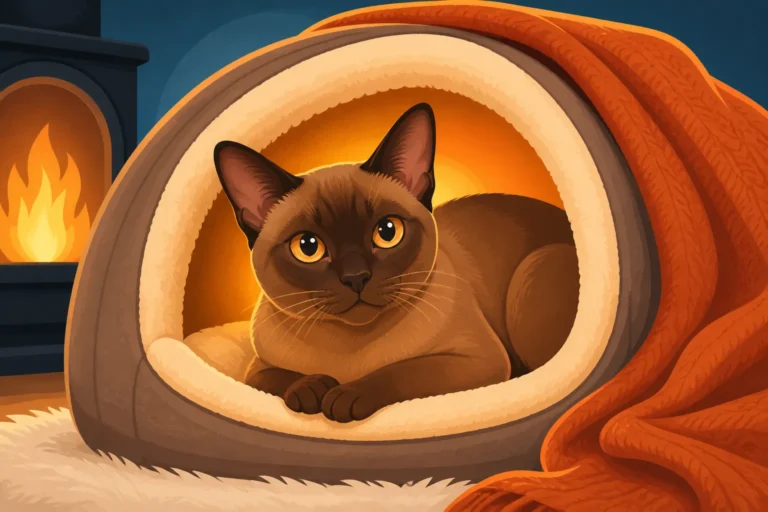
- Warmer Temperatures = Lighter Coat: Conversely, if your Burmese spends most of its time in a very warm house, or if it has a penchant for snuggling under blankets and in heated cat beds, the warmth can inhibit pigment production across more of their body. This might result in a slightly lighter, warmer-toned overall sable, with the point restriction being more pronounced. Many owners find their Burmese prefers to sleep in heated beds or on radiators, especially given Why a Short Coated Burmese Feels the Cold. If you're looking for comfortable, warm sleeping spots, Chewy offers a wide selection of heated cat beds.
The Role of Diet and Overall Health
While diet isn't going to turn a sable Burmese into a blue one, it absolutely plays a role in the overall health and vibrancy of their coat. A healthy coat is a glossy, well-pigmented coat, regardless of its exact shade.
- Nutrient Deficiencies: A diet lacking in essential nutrients, particularly specific amino acids like tyrosine (which is a precursor to melanin), or certain fatty acids and vitamins, can lead to a dull, lackluster coat. While it might not drastically lighten the sable, it can certainly make it appear less rich and vibrant, impacting its overall visual depth.
- High-Quality Protein: Burmese cats thrive on high-quality animal protein, which is crucial for healthy skin and fur. Ensuring your cat receives a balanced diet with ample protein helps maintain the structural integrity of their hair shafts and supports healthy pigment production. If you're considering a diet change, always consult with your vet, especially since Why Portion Control Is Medical Care in a Burmese due to their diabetes predisposition.
- Hydration: Proper hydration is also vital for skin and coat health. Cats who are chronically dehydrated might have drier, more brittle fur that appears duller. Encourage water intake with fresh water bowls or fountains.
Maintaining excellent health through a proper diet and regular vet check-ups will ensure your Burmese’s coat remains as stunning as possible for their age. If you notice any drastic changes in coat texture, excessive shedding, or dullness alongside color shifts, it's always wise to consult your veterinarian to rule out underlying health issues. Feeding a Burmese Is a Medical Decision, Not a Preference highlights the importance of diet for their overall well-being, not just their coat.
Normal Changes vs. Cause for Concern
It’s completely normal for a sable Burmese's coat to go through various phases of deepening and subtle lightening throughout their life. However, being an observant owner also means knowing when a change might warrant a closer look.
What to Expect as Normal Coat Progression
You can confidently expect your Burmese kitten's coat to darken significantly from birth to about one year of age, becoming that rich, warm sable. Throughout their adult life, subtle shifts related to seasonal temperature changes are also normal – perhaps a slightly darker hue in winter, a touch lighter in summer if they're a sunbather. As they age into their senior years, a general softening or lightening of the overall coat color is a natural, graceful progression, reflecting their wisdom and years.
These normal changes typically happen gradually and are consistent across the cat's body. The coat should remain glossy, smooth, and full, reflecting the "satin coat" characteristic of the breed. Regular grooming, even just a gentle rub with a chamois cloth as suggested in Which Chamois Brings Up a Burmese's Satin Shine, can help you monitor these natural changes and keep their coat looking its best.
| Age Range | Typical Sable Color Description | Key Influencing Factors | Expected Normalcy |
|---|---|---|---|
| Newborn to 8 Weeks | Very pale, almost cream or fawn, minimal points | Womb temperature, initial pigment development | Rapid darkening over first months |
| 8 Weeks to 1 Year | Progressive darkening, rich warm brown emerges | Environmental temperature, enzyme activity, full development | Stabilizes into deep adult sable |
| 1 Year to 7 Years | Deep, stable sable; rich, warm brown tones | Stable body temperature, genetics, consistent environment | Subtle seasonal variations possible |
| 7 Years and Older | Subtle lightening, possible greyish undertones | Slower metabolism, general aging, reduced pigment production | Gradual and uniform lightening |
When to Consult Your Vet About Coat Changes
While most coat color shifts are perfectly normal, there are instances when a change in your Burmese's fur might signal an underlying health concern. It's always best to err on the side of caution and consult your veterinarian if you notice any of the following:
- Sudden, Dramatic Color Changes: If your cat's coat suddenly lightens or darkens dramatically over a short period (weeks rather than months or years), especially if it's accompanied by other symptoms, it warrants investigation.
- Patchy or Uneven Discoloration: If only certain patches of fur are changing color, or if the change is very uneven and not linked to typical point restriction, this could be a sign of skin issues, hormonal imbalances, or other medical conditions.
- Changes in Coat Texture or Quality: A healthy sable coat should feel like satin. If you notice it becoming dry, brittle, greasy, matted, or if there's excessive shedding, these are red flags. This could indicate nutritional deficiencies, parasites, allergies, or systemic illness. For instance, Why a Lonely Burmese Pulls Its Satin Coat Out suggests anxiety might lead to self-grooming that impacts coat quality.
- Accompanying Symptoms: Any coat change that comes with other signs of illness, such as lethargy, changes in appetite or thirst, weight loss or gain, vomiting, diarrhea, or behavioral shifts, should prompt an immediate vet visit. Given the breed's predisposition, The Burmese Has the Highest Diabetes Rate of Any Cat Breed, and increased thirst or urination that might accompany diabetes can affect overall coat health.
- Failure to Develop Color: If your Burmese kitten remains unusually pale past six months of age and doesn't develop the expected rich sable, this could indicate a genetic anomaly or a health issue impacting pigment development.
Your veterinarian can perform a thorough examination, and potentially blood tests or skin scrapings, to determine the cause of any concerning coat changes. They can also offer tailored advice on diet and supplements if a nutritional deficiency is suspected. Being proactive is always the best approach when it comes to your beloved Burmese's health and well-being.
Disclaimer
This article is for general informational purposes only and does not constitute professional advice. Laws, prices and regulations vary by location and change over time. Consult a qualified professional for guidance on your specific situation.