How Much a Platinum Burmese Kitten Costs
Bringing a new kitten into your home is an incredibly exciting time, but if you're setting your heart on a specific color like a Platinum Burmese, you're likely wondering how the unique shade impacts the cost. It's frustrating when you see vague price ranges online, especially for such a special and sometimes harder-to-find color. This guide will walk you through the factors that determine the purchase price of a Platinum Burmese kitten, and crucially, what other financial commitments you're signing up for well beyond that initial adoption fee.
Understanding the Platinum Burmese and Its Rarity
The allure of a Platinum Burmese is undeniable. That soft, silvery-grey coat with warm undertones is simply exquisite, and it’s no wonder so many prospective owners fall in love with it. But unlike the more common Sable (brown) Burmese, Platinum is one of the rarer color dilutions, and this scarcity plays a significant role in its price.
What Makes a Burmese "Platinum"?
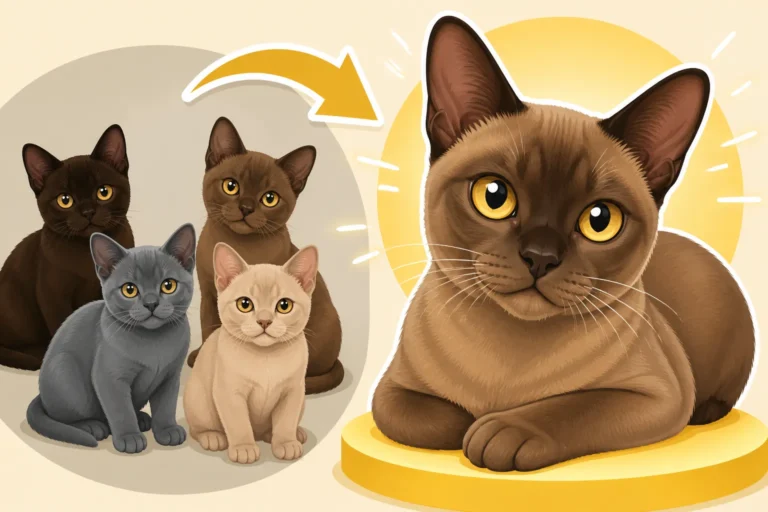
To truly understand why a Platinum Burmese might cost more, you need a little peek into the genetics behind it. Platinum is essentially a dilute of the Champagne (chocolate) color. This means that a kitten must inherit two copies of a specific recessive gene for dilution, and two copies of the gene for chocolate. It's a precise combination that doesn't happen in every litter, even if both parents carry the genes. Breeders often have to carefully plan pairings, sometimes over several generations, to consistently produce these rarer colors. It's not just a lucky dip; it's the result of diligent genetic understanding and responsible breeding practices. The color develops as the kitten grows, often starting lighter and deepening slightly, but always retaining that distinct cool, silvery-taupe hue.
Why Rarity Drives the Price
It's a simple case of supply and demand, really. If a color is harder to produce, and there's a strong desire for it, the price naturally goes up. Breeders invest a significant amount of time, effort, and money into their lines. This includes health testing, ensuring proper nutrition for queens and kittens, providing exceptional early socialization, and maintaining pedigrees. When a breeder successfully produces a rare color like Platinum, it reflects their expertise and the depth of their breeding program. You're not just paying for the color itself, but for the years of dedication and genetic knowledge that went into making that color possible. This is why Why a Platinum Burmese Is the Dearest of the Four compared to other accepted Burmese colors.
The Difference Between European and American Platinum
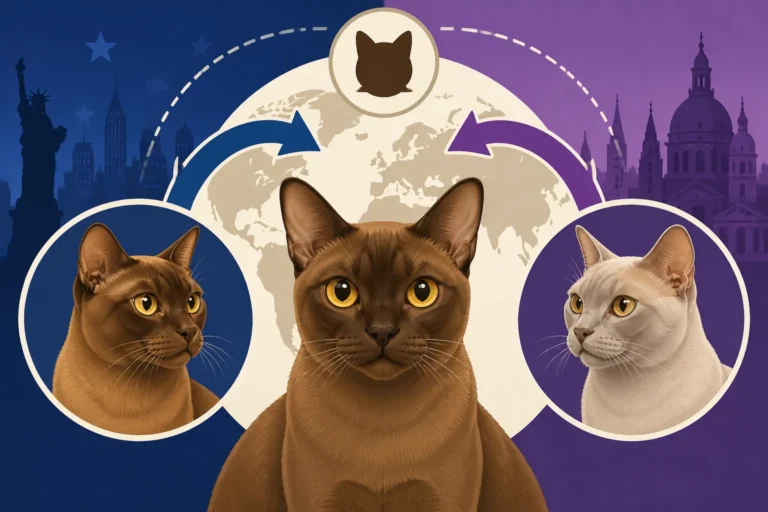
It's also worth noting that there are distinct differences between the American and European Burmese types, and this can subtly influence pricing, even for specific colors. The European Burmese often has a slightly more elegant, wedge-shaped head and a more athletic body, while the American Burmese typically has a rounder head and a more compact, cobby build. Both types can produce the Platinum color, but demand and availability within each lineage can vary. A European Platinum Burmese, for example, might command a different price point depending on whether the breeder is importing lines or working with a well-established local European-type pedigree. Understanding that There Are Two Burmese and They Are Priced Apart is key to appreciating the nuances of pricing across the breed.
Factors Influencing the Initial Purchase Cost of a Platinum Burmese Kitten
The sticker price for a Platinum Burmese kitten isn't just pulled out of thin air. There are several significant factors that breeders consider, all contributing to the overall value and, yes, the cost you'll see. It's a reflection of the quality, care, and responsible practices behind the kitten.
Breeder Reputation and Health Guarantees
A reputable breeder doesn't just sell kittens; they offer a commitment to the health and well-being of their animals. This means extensive health testing for both parent cats. For Burmese, this includes DNA panels for known genetic conditions like Hypokalemia and Gangliosidosis. While there isn't a specific test for the predisposition to diabetes, a responsible breeder will track their lines meticulously and be transparent about any history of the disease in their cats. When you ask to see the parents' genetic test results, you’re not being nosy; you’re ensuring you’re getting a kitten from a program that actively works to reduce the incidence of these issues. A breeder who offers a health guarantee, often for the first year or two against life-threatening genetic defects, is also building that trust. This kind of due diligence costs the breeder time and money, but it saves you potential heartbreak and massive vet bills down the line. You want a breeder who can show you Which Tests Belong on a Burmese DNA Panel and discuss them openly.
Pedigree and Show Quality Potential
Just like in other purebred animals, a kitten's pedigree can play a role in its cost. If a Platinum Burmese kitten comes from a long line of Grand Champions or Regional Winners, and displays exceptional conformation to the breed standard, its price will naturally be higher. Even if you're looking for a pet-quality kitten and have no intention of showing, a strong pedigree indicates consistent quality and adherence to breed standards. Show-quality kittens, those deemed to have the potential to excel in the show ring, will always be at the top end of the price spectrum due to their superior genetics and conformation. This isn't about snobbery; it's about the dedication to preserving and improving the breed that such pedigrees represent. Why Color Adds to a Burmese's Price is important, but so is the overall quality of the cat.
Inclusions with Your Kitten
What exactly comes with your Platinum Burmese kitten when you take it home? A reputable breeder will provide a comprehensive package to ensure a smooth transition. This typically includes:
- Veterinary Care: Your kitten should have received its first series of vaccinations, usually at around 8-9 weeks and then again at 12 weeks. They should also be dewormed and have had at least one full veterinary check-up.
- Microchipping: Most responsible breeders will microchip their kittens before they leave for their new homes, registering it either to themselves (with transfer to you upon proof of neuter/spay) or directly to you.
- Spay/Neuter Contract: Pet-quality kittens are usually sold with a spay/neuter contract, meaning you agree to have them altered by a certain age. Some breeders even perform early spay/neuter themselves before the kitten goes home.
- Initial Food and Care Pack: Expect a small bag of the food the kitten has been eating, a few favorite toys, and perhaps a blanket with the scent of its littermates and mother to ease the transition. Some breeders use welcome kits or starter packs to ensure the kitten's dietary needs are met with high-quality options.
- Registration Papers: You should receive a copy of your kitten’s pedigree and registration papers with a recognized cat association like CFA or TICA, usually after proof of spay/neuter.
- Ongoing Support: A good breeder remains a resource for the lifetime of your cat, ready to answer questions and offer advice.
All these inclusions mean that when you bring your Platinum Burmese kitten home, a lot of the initial care has already been taken care of, saving you immediate trips to the vet and providing a solid foundation for your new family member. It's truly a package deal, ensuring that What a Burmese Kitten Has Had Done by Thirteen Weeks is thorough and complete.
Beyond the Purchase Price: Lifetime Costs of a Platinum Burmese
The initial cost of your beautiful Platinum Burmese kitten is just the beginning of your financial journey together. While that unique color might command a premium upfront, the long-term expenses are where the true commitment lies. These are the costs that ensure your Burmese lives a long, happy, and healthy life.
Essential Supplies and Initial Setup
When your Platinum Burmese first arrives, you'll need to have a few basics ready. This includes:
- Food and Water Bowls: Stainless steel or ceramic are generally recommended for hygiene.
- Litter Boxes and Litter: Remember, Burmese are fastidious, and a clean litter box is essential. Many owners opt for high-quality, dust-free litter, which can add up over time. Why a Diabetic Burmese Needs a Bigger Box is also something to consider if you have health concerns.
- Scratching Posts/Trees: Provide various options (vertical, horizontal, sisal, cardboard) to save your furniture. Burmese love to climb people, but they also appreciate a good scratching outlet.
- Carrier: For vet visits and safe travel. Which Carrier Two Burmese Will Share is a consideration if you get a pair.
- Toys: A variety of interactive toys, wand toys, and puzzle feeders to keep their intelligent minds stimulated.
- Grooming Supplies: While the Burmese has a wonderfully low-maintenance satin coat, you'll still need a soft cloth or chamois for polishing, nail clippers, and perhaps a cat toothbrush and enzymatic toothpaste. Why a Chamois Beats a Comb on a Burmese explains why a specialized chamois is often preferred.
Many of these initial supplies can be found at retailers like Chewy, offering a wide selection to suit your Burmese's needs.
Ongoing Food and Nutrition
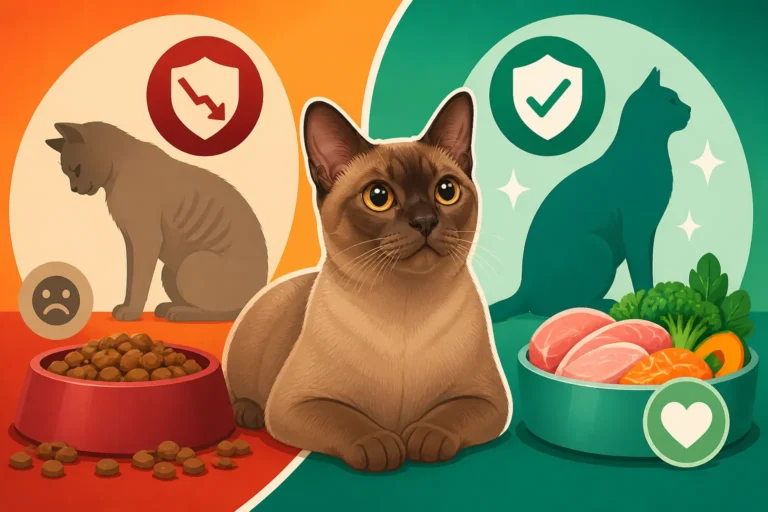
This is arguably the most critical ongoing expense for a Burmese, especially considering their genetic predisposition to diabetes. Feeding a Burmese Is a Medical Decision, Not a Preference, not just a matter of convenience. Burmese thrive on a high-protein, low-carbohydrate wet food diet. This is not a place to cut corners. While premium wet food can seem more expensive upfront than dry kibble, it's an investment in your cat's long-term health, potentially preventing or managing conditions like diabetes.
Many owners choose reputable wet food brands that use high-quality ingredients and clearly state their carbohydrate content. Regularly weighing your cat's food portions is also paramount to maintaining a healthy weight and preventing obesity, which is a major risk factor for diabetes. Over time, consistently feeding a top-tier diet will form a significant portion of your annual budget, but it is money well spent to keep your active and affectionate Burmese in prime condition.
Veterinary Care and Insurance
Routine veterinary care is non-negotiable. This includes annual check-ups, booster vaccinations, and regular dental cleanings as Burmese can be prone to gum disease in their later years. Beyond routine care, you must budget for potential breed-specific health issues. The Burmese breed unfortunately has a The Burmese Has the Highest Diabetes Rate of Any Cat Breed and is also known for Hypokalemia Is the Burmese Disease With a DNA Test.
Managing diabetes can involve daily insulin injections, regular glucose monitoring, and prescription diets, all of which incur significant costs. Hypokalemia requires prompt veterinary attention and potassium supplementation. These potential health challenges make pet insurance a very wise investment for a Burmese owner. Providers like Healthy Paws can offer peace of mind, helping to cover unexpected illnesses and accidents. While a policy might not cover pre-existing conditions (so it's best to get it when your kitten is young and healthy), it can be invaluable for new diagnoses or unforeseen emergencies.
Enrichment and Companionship
Burmese are famously people-oriented, often described as "dog-like" in their devotion. They absolutely thrive on companionship and can suffer from separation anxiety if left alone for extended periods. This characteristic has implications for your budget and lifestyle:
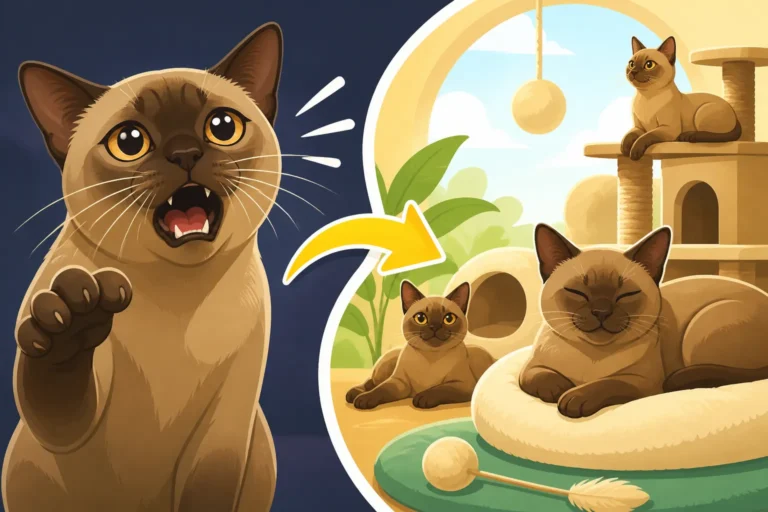
- A Second Cat: Many breeders advocate for buying two Burmese kittens together, or introducing a suitable companion cat, because Why Burmese Breeders Sell Them in Pairs. This halves their loneliness and provides constant stimulation. Of course, two cats mean double the food, litter, and vet bills.
- Interactive Play: They are highly intelligent and need regular, engaging play sessions to prevent boredom and destructive behaviors. This means investing in a variety of durable toys and committing time each day.
- Pet Sitter/Boarding: If you travel, leaving a Burmese alone is not ideal. Budget for a reliable pet sitter who can provide ample attention, or a boarding facility that understands their social needs.
The cost of companionship isn't always monetary; it's also a significant investment of your time and emotional energy. But for a Burmese, that investment pays dividends in affection and a deeply bonded relationship.
Finding a Reputable Breeder for a Platinum Burmese
The journey to finding your Platinum Burmese kitten should be as meticulous as the breeding program itself. Because Platinum is a rarer color, you'll want to be especially diligent in selecting a breeder. This isn't just about finding a kitten; it's about finding a lifelong companion from a source you can trust.
Researching Breeders and Asking Key Questions
Start your search with breed clubs and registries like the CFA (Cat Fanciers' Association) or TICA (The International Cat Association). These organizations often have breeder directories or can point you towards reputable members. Once you identify potential breeders, don't hesitate to reach out and ask a lot of questions.
Here's what you should inquire about:
- Health Testing: Ask to see documentation of health screenings for both parents, including DNA tests for conditions like Hypokalemia and GM2 Gangliosidosis. Inquire about the health history of their lines, especially regarding diabetes. A good breeder will proactively offer this information and be transparent. What a Burmese Breeder Must Test Before Any Mating covers these crucial checks.
- Environment: Ask about where the kittens are raised. Are they in a clean, stimulating home environment with plenty of human interaction? Burmese are highly social and need early socialization.
- Vaccination and Worming Schedule: Ensure they follow a proper veterinary protocol.
- Diet: What are the kittens eating? A breeder committed to proper nutrition will feed a high-quality, low-carbohydrate wet food.
- Contract and Guarantee: Understand the terms of their sales contract, including any health guarantees and spay/neuter clauses.
- Temperament: Ask about the parents' temperaments and the general disposition of the kittens. Burmese should be outgoing and friendly.
A reputable breeder will also have questions for you, wanting to ensure their kittens go to loving, appropriate homes. This two-way interview is a positive sign.
Understanding Waitlists and Deposits
Given the rarity of the Platinum color and the dedicated breeding practices required, don't be surprised if there's a waitlist for a Platinum Burmese kitten. Good breeders often have bookings well in advance. You might be asked to place a deposit to secure your spot on a waiting list or to reserve a specific kitten.
It's important to understand the breeder's policy on deposits – whether it's refundable, transferable, or put towards the final purchase price. This is standard practice in responsible breeding and reflects the commitment on both sides. Be patient; a little wait for a well-bred, healthy Platinum Burmese is far better than rushing into a questionable situation. How Far Ahead a Burmese Litter Is Booked Out can sometimes be months, if not longer.
Avoiding Scams and Unethical Practices
Unfortunately, where there's demand for rare colors, there can be unscrupulous individuals. Be wary of any "breeder" who:
- Cannot provide verifiable health testing results for parents.
- Offers kittens significantly cheaper than other reputable breeders.
- Doesn't allow you to visit their premises or meet the parents (if geographically feasible).
- Pressures you into making a quick decision or demands large sums of money upfront without proper paperwork.
- Advertises "rare" or "teacup" Burmese variants (these are not recognized or healthy).
- Sells kittens too young (before 12-14 weeks) or without initial vaccinations.
- Cannot provide clear information about the kitten's type (American vs. European). Why a Burmese Sold Without a Type Is a Warning if they are vague on this.
Always trust your gut. If something feels off, it probably is. A responsible breeder will be transparent, patient, and focused on finding the right home for their kittens, not just making a sale. They are passionate about their cats and the future of the breed, and they'll want you to be just as confident and well-informed about your Platinum Burmese as they are.
Disclaimer
This article is for general informational purposes only and does not constitute professional advice. Laws, prices and regulations vary by location and change over time. Consult a qualified professional for guidance on your specific situation.