Why Platinum and Blue Burmese Litters Are Smaller
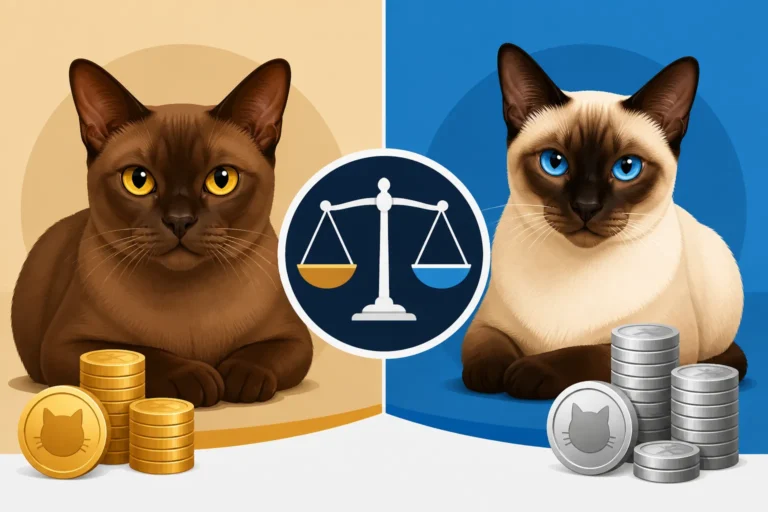
It’s a common observation among Burmese cat enthusiasts and breeders alike: those gorgeous blue and platinum litters often seem a little smaller, don't they? It's not just your imagination; there's a fascinating genetic reason behind why litters carrying these diluted colors tend to be less numerous. This guide will dive deep into the specific genetics at play, explore what this means for breeders and potential owners, and shed light on why these stunning shades might come with a slightly smaller brood.
Understanding Burmese Genetics and Color Inheritance
When you look at a Burmese cat, you’re looking at a carefully crafted tapestry of genetics that determines everything from their distinctive personality to their rich, satin-like coat. The colors we see in Burmese cats aren't just random; they're the result of specific genes inherited from their parents, and understanding these basics is key to grasping why some litters are smaller than others.
The Basics of Burmese Coat Color Inheritance
At the heart of Burmese color is a gene called the "Burmese Restriction Gene," often denoted as 'cb'. This gene is responsible for the unique sepia coloration – a less intense version of the pointed pattern seen in Siamese cats. Essentially, it restricts color to the cooler parts of the body, giving Burmese their characteristic darker points on an otherwise rich, solid-looking coat. All Burmese cats possess at least one copy of this gene, and typically two copies (cb/cb) result in the classic sable, or brown, Burmese. If a cat only has one copy (Cb/cb), it's likely a Tonkinese, an intermediate breed that showcases both Burmese and Siamese traits. The Four Colors a Burmese Comes In are all variations on this fundamental genetic blueprint, influenced by other modifying genes.
Beyond the core sepia gene, other genes come into play, determining whether a cat is black-based (which turns into sable/brown in a Burmese) or red-based. For our discussion today, the crucial factor is the presence of the dilution gene. These genetic factors are carefully considered by breeders. Some may even use genetic testing to ensure they understand the full genetic profile of their breeding cats, a practice that contributes to the overall health and predictability of their litters. Knowing Which Tests Belong on a Burmese DNA Panel can be incredibly helpful for a breeder.
The Dilution Gene and Its Role
Enter the "dilution gene." This little genetic influencer, when present in two copies (d/d), acts like a dimmer switch on a cat's color. It takes a dense pigment and "dilutes" it, scattering the pigment granules in the hair shaft rather than packing them tightly. So, a black-based cat with two copies of the dilution gene becomes blue, and a red-based cat with two copies becomes cream. In the Burmese world, this means our classic sable (brown) color, when paired with two copies of the dilution gene, transforms into a beautiful blue, and the champagne (chocolate) color becomes platinum. These are the stunning, softer shades that many people adore.
The dilution gene is recessive, meaning a cat needs to inherit a copy from both parents to express the dilute color. A cat carrying only one copy of the dilution gene (D/d) will appear as a full-color Burmese (sable or champagne), but can pass on the dilute gene to its offspring. This is why you can sometimes see a blue or platinum kitten appear in a litter from two sable or champagne parents – both parents were carriers!
How Color Affects Litter Size (Initial Thoughts)
At first glance, it might seem odd to connect coat color to litter size. After all, what does pigment have to do with how many kittens a queen carries? However, the connection isn't directly about the color itself, but rather the genetic pathways involved in producing that color, and more importantly, the specific breeding practices and genetic bottlenecks that can sometimes be associated with certain desired traits. It's less about the blue pigment causing fewer kittens, and more about how the blue gene arrived in the breed, and the consequences of breeding for it.
The challenges can sometimes stem from smaller gene pools, or from unintended correlations with other genetic factors that might influence fertility or embryo viability. While a healthy Burmese queen typically has a good-sized litter—often larger than some other breeds, as discussed in How Many Kittens a Burmese Queen Has—there are subtle influences that can shift these averages. For breeders, understanding these nuances is part of the art and science of responsible breeding, ensuring both beauty and vitality in their lines.
The Specifics of Blue and Platinum Burmese
Delving deeper into the genetics of blue and platinum Burmese cats reveals why these particular colors are often associated with smaller litter sizes. It’s a fascinating interplay of genes, and it's not simply the dilution gene alone, but its historical introduction and frequency within certain breeding lines.
The Genetic Combination for Blue Burmese
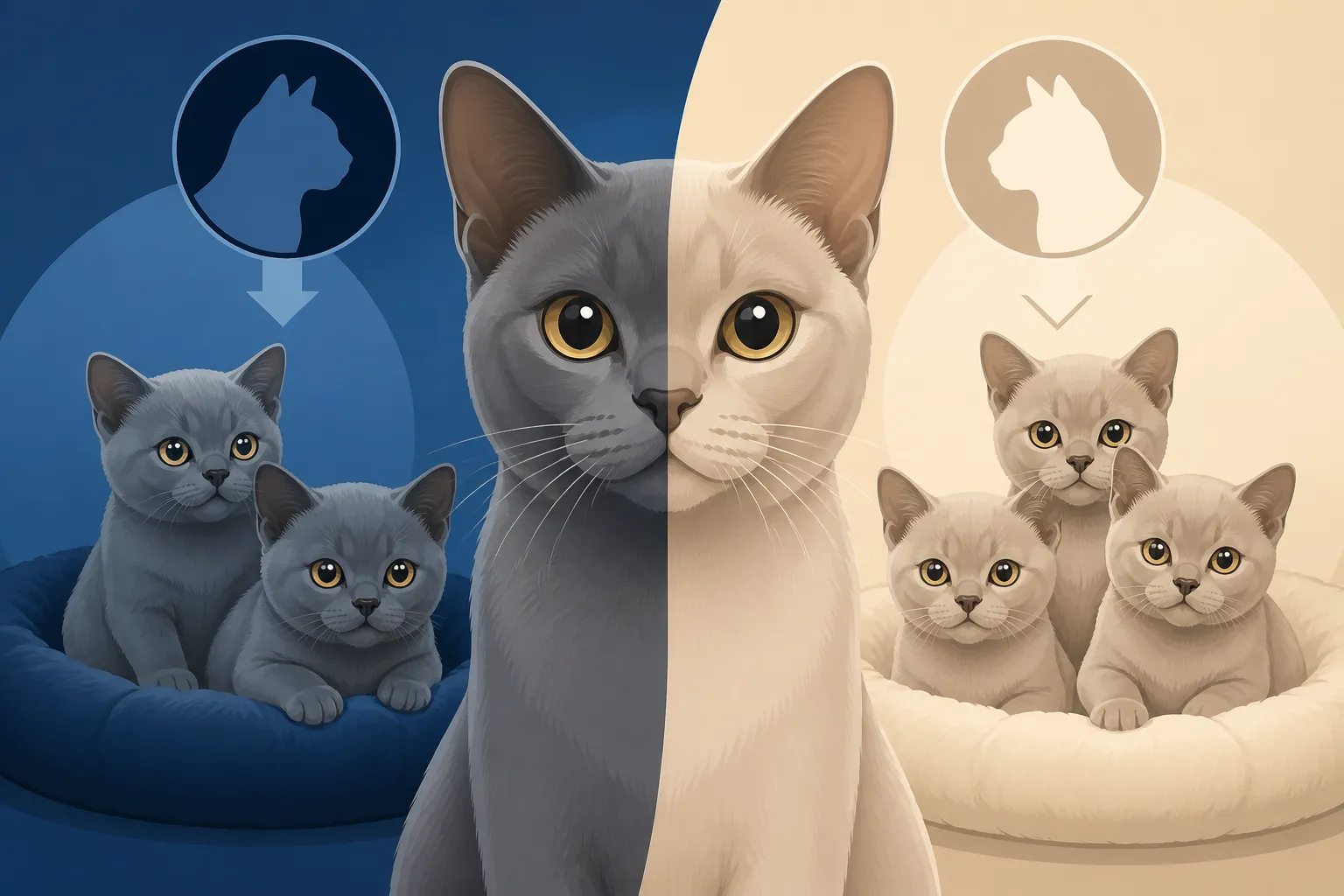
For a Burmese to be blue, it must inherit two key genetic traits: first, the Burmese restriction gene (cb/cb), which makes it a Burmese and not a pointed cat. Second, and crucially for its color, it must inherit two copies of the dilution gene (d/d). This means a blue Burmese's genetic makeup for color is effectively cb/cb d/d. The dilution gene takes what would otherwise be a sable (brown) cat and softens the black pigment to blue. What a Blue Burmese Looks Like is a beautifully muted, elegant version of the classic sable, with a distinct cool-toned grey-blue instead of rich brown.
The challenge in breeding for blue often lies in the fact that the dilution gene is recessive. Both parents must either be blue themselves or carry the dilution gene to produce blue offspring. If you breed two cats that are carriers (D/d), statistically, only 25% of their kittens will be blue (d/d). The other 75% will be either full color (D/D) or carriers (D/d). This immediately means that for a breeder focused on producing blue kittens, a significant portion of any given litter might not be the desired color. This can influence perceptions of litter size if only the blue kittens are being counted towards a specific breeding goal.
The Genetic Combination for Platinum Burmese
Similarly, for a Burmese to be platinum, it also needs the Burmese restriction gene (cb/cb) and two copies of the dilution gene (d/d). However, instead of starting with a black base that becomes sable, the platinum Burmese starts with a chocolate base, which is known as champagne in the American Burmese standard. So, the platinum Burmese has the genetic makeup cb/cb b/b d/d, where 'b/b' represents the chocolate gene. The dilution gene then softens this champagne color to a pale, silvery-lilac shade, which is truly exquisite. What a Platinum Burmese Looks Like is often described as a delicate, ethereal version of the robust Burmese, almost shimmering.
Just like with blue, the double recessive nature of both the chocolate (b/b) and dilution (d/d) genes means that breeding for platinum requires very specific genetic combinations in the parent cats. If a breeder is trying to get platinum kittens from non-platinum parents, both parents must carry both the chocolate gene and the dilution gene. This complex genetic lottery means that the odds of getting a platinum kitten are even lower than getting a blue one from carrier parents. This can naturally lead to smaller numbers of the desired color in any given litter, contributing to the idea that these litters are inherently smaller.
Exploring the Link Between Dilution and Litter Size
While the dilution gene itself isn't directly known to cause smaller litter sizes in cats in general, the perception often comes from a few factors specific to Burmese breeding. One aspect to consider is the gene pool. The original Burmese cat, Wong Mau, was sable. The dilute colors were introduced into the breed through careful outcrossing to other breeds that carried the dilution gene, and then bred back to Burmese to retain the type. This means that the genetic lines carrying blue and platinum might, in some cases, trace back to a narrower set of ancestors compared to the more prevalent sable lines. A smaller gene pool, in general, can sometimes lead to reduced genetic diversity, which can in some breeds, though not always directly in Burmese, have an impact on fertility or litter size over many generations.
Another factor is the demand and desirability of these colors. Because blue and platinum are often highly sought after, breeders focusing on these colors might selectively breed specific lines. This focused breeding, while producing stunning kittens, can inadvertently create smaller effective breeding populations for these specific traits. It's also worth noting that Burmese litters, on average, tend to be quite generous. Why Burmese Litters Are Larger Than Most is often cited, and it refers to the breed as a whole. So, even a slightly smaller litter of blue or platinum kittens might still be a respectable size, but perhaps not as large as the typical sable litter. For owners looking to ensure their cat has good support for any health needs, considering pet insurance from providers like Healthy Paws can offer peace of mind, regardless of their cat's color.
Breeder Observations and Practical Realities
The world of cat breeding is a fascinating blend of genetics, husbandry, and pure passion. For Burmese breeders, especially those working with the beloved blue and platinum colors, there's a unique set of observations and practical considerations that contribute to the perception of smaller litters.
The Realities of Breeding for Dilute Colors
Breeding for dilute colors like blue and platinum isn't always as straightforward as breeding for sable or champagne. As discussed, both parents must carry the recessive dilution gene (and the chocolate gene for platinum). This means breeders must be acutely aware of their cats' genetic heritage. Many responsible breeders utilize DNA testing to confirm carriers and full-color cats. This meticulous approach is essential, but it also means that a breeder might have fewer breeding pairs that can consistently produce blue or platinum kittens. If a breeder has a beautiful queen, but she doesn't carry the dilution gene, she can never produce blue or platinum kittens, no matter how many times she is bred to a dilute male.
This careful selection naturally narrows the pool of potential breeding animals for these specific colors. When you combine this with the general understanding that Why Color Splits the Price Inside One Burmese Litter is also a factor, breeders are making significant investments and choices based on genetics. The focus on specific color genetics can sometimes mean that breeders are prioritizing color over sheer litter size, though never at the expense of health. When considering the best nutrition for a pregnant queen or growing kittens, brands like Chewy offer a wide range of specialized foods and supplements to support optimal health and development, regardless of color.
Why Breeders Might Report Smaller Litters
There are a few key reasons why breeders might report or perceive smaller litter sizes for blue and platinum Burmese:
- Genetic Chance: As explained, the probability of getting dilute kittens from carrier parents is 25%. If a queen has, say, five kittens, only one might statistically be blue or platinum. If a breeder is specifically highlighting these colors, the "effective" litter size for their target color is indeed smaller. It's not that the queen had fewer kittens overall, but fewer of the specific desired color.
- Selective Breeding and Smaller Gene Pools: In some historical lines or specific regions, the gene pool for dilute Burmese might indeed be narrower than for the dominant sable color. While breed clubs strive to maintain genetic diversity, any focused breeding for a specific trait can inadvertently reduce the available diversity for that trait. A smaller overall gene pool can, in some rare cases, be associated with slightly lower fertility rates or smaller litter averages over many generations.
- The "Wow" Factor: Blue and platinum Burmese are undeniably stunning, and their scarcity, in part due to these genetic realities, contributes to their desirability. Breeders might simply be more vocal about the rarity and the effort involved in producing these colors, highlighting the smaller numbers as a point of pride and a reflection of careful breeding.
- Early Pigmentation: Burmese kittens are born much paler than their adult color. A blue kitten will appear light, almost grey-beige, at birth, while a platinum kitten will be an even lighter, almost off-white shade. Why a Burmese Kitten Is Born Paler Than It Ends Up is a fascinating aspect of their development. It means a breeder has to wait for the color to develop fully to accurately assess the final shade, but the genetic markers are there from day one.
Managing Expectations for Dilute Burmese Litters
For prospective owners eagerly awaiting a blue or platinum Burmese kitten, it's important to manage expectations. Firstly, expect a potentially longer waitlist. Because these litters are often "smaller" in terms of the desired color, and because demand is high, you might find yourself waiting a while. Why Color Adds to a Burmese's Price is also a reality, as the rarity and breeding effort are reflected.
Secondly, understand that reputable breeders prioritize health and temperament above all else. They won't compromise the well-being of their cats or kittens just to produce a specific color. This means they will conduct all necessary health screenings, including those listed in What a Burmese Breeder Must Test Before Any Mating, and ensure their breeding queens are in peak condition, supported by high-quality diets. If a breeder tells you that a blue or platinum litter is smaller than usual, it's likely a reflection of these genetic realities and responsible breeding practices, not a sign of any health issues.
Finally, appreciate the uniqueness. A blue or platinum Burmese is a truly special cat, not just for its breathtaking appearance but also for the intricate genetic journey it took to get here. Embrace the wait, understand the science, and know that your dilute Burmese will be a cherished member of your family, just like any other Burmese.
Here's a quick overview of Burmese color genetics as they relate to dilution:
| Base Color Gene (B Locus) | Dilution Gene (D Locus) | Resulting Burmese Color (Phenotype) | Approx. % in Litter from Dd x Dd Parents (for that base color) |
|---|---|---|---|
| Black (B/B or B/b) | Not Diluted (D/D or D/d) | Sable (Brown) | 75% |
| Black (B/B or B/b) | Diluted (d/d) | Blue | 25% |
| Chocolate (b/b) | Not Diluted (D/D or D/d) | Champagne (Chocolate) | 75% |
| Chocolate (b/b) | Diluted (d/d) | Platinum | 25% |
Note: This table simplifies complex genetics; actual percentages depend on the specific genetic makeup of both parents.
Disclaimer
This article is for general informational purposes only and does not constitute professional advice. Laws, prices and regulations vary by location and change over time. Consult a qualified professional for guidance on your specific situation.