Why Color Splits the Price Inside One Burmese Litter
It can be truly perplexing when you're looking for a new Burmese kitten and discover that within the same litter, from the same parents, the prices vary wildly. You might wonder why a beautiful sable kitten costs one amount, while its blue sibling is significantly more expensive, even if they both have the same lovely temperament. This guide is here to unravel the mystery behind why color often splits the price within a single Burmese litter, helping you understand the factors at play beyond just aesthetics.
The Foundation of Burmese Colors and Genetics
When you're admiring a litter of Burmese kittens, you're not just seeing a rainbow of stunning coats; you're witnessing the fascinating interplay of genetics. The color of a Burmese cat isn't just a random occurrence; it's meticulously coded in their DNA, and certain genetic combinations are rarer or more challenging to produce, which directly impacts their value. Understanding these foundational colors is key to comprehending the price differences.
The Core Four: Sable, Champagne, Blue, and Platinum
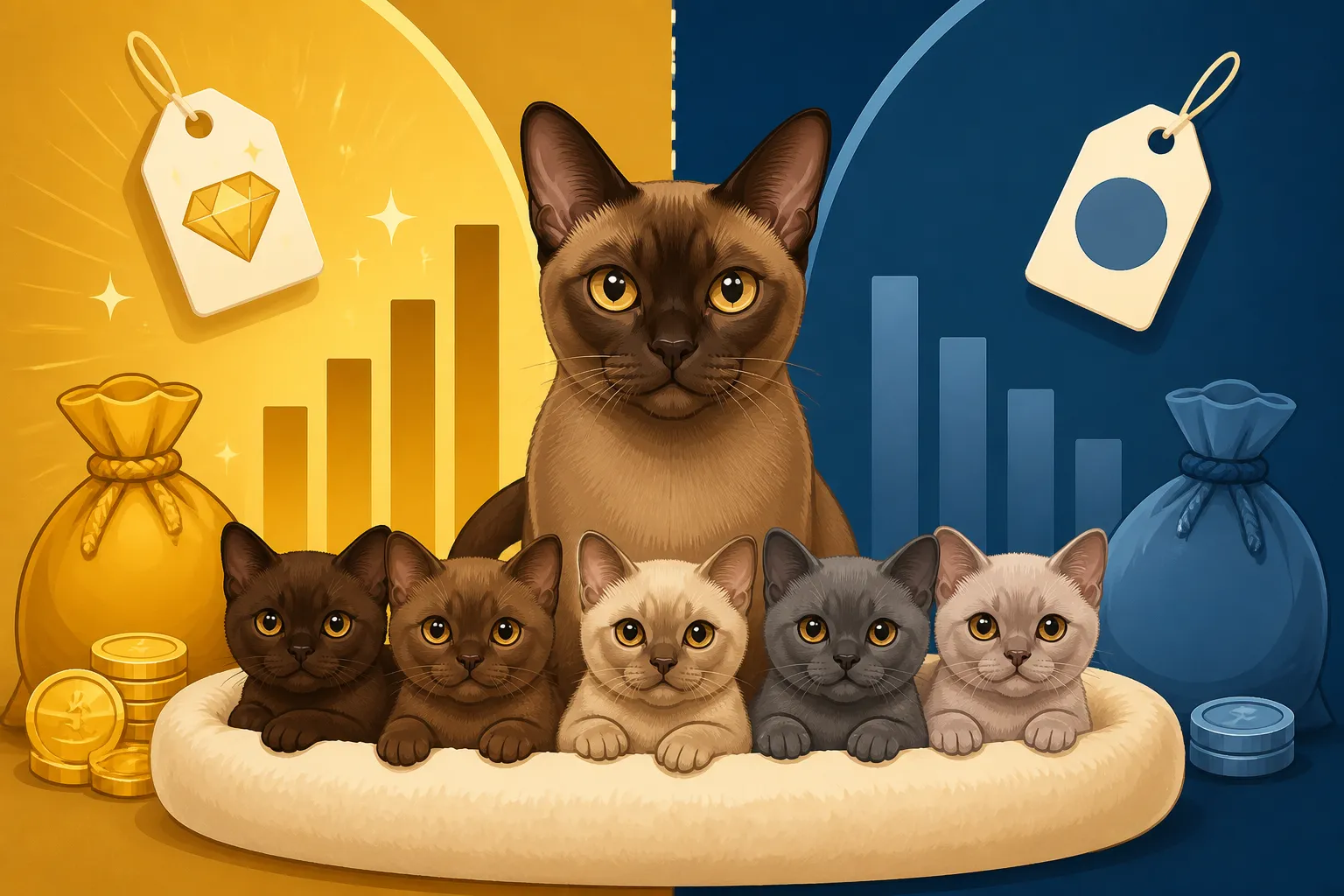
The Burmese breed is primarily recognized for its four core colors: Sable, Champagne, Blue, and Platinum. These aren't just pretty names; they represent distinct genetic expressions, all stemming from a modification of the black pigment gene.
- Sable: This is the original, classic Burmese color, often described as a rich, warm, dark brown. It's the dominant color in the Burmese palette, meaning a cat only needs one copy of the sable gene to express this color. Many people adore the depth and warmth of a sable coat, which can darken further with age, especially in a How a Burmese's Sable Darkens or Lightens With Age.
- Champagne: A diluted version of sable, champagne is a warm, honey-beige color. Genetically, it's a "brown" dilution. If a cat inherits two copies of the dilution gene, in combination with the sable gene, it results in champagne. It's a gorgeous, soft hue that looks almost golden in certain lights.
- Blue: This is a cool, grey color, a dilution of black. Similar to champagne being a dilution of sable, blue is the diluted form of the black pigment. A blue Burmese has a lovely, soft dove-grey coat that can vary in intensity.
- Platinum: The rarest of the original four, platinum is a pale, silvery-grey, almost lilac-beige. It's genetically a combination of the blue dilution and the champagne dilution, meaning a kitten needs two copies of both the dilute gene and the champagne gene to express this stunning, ethereal color. It's truly unique and often catches the eye immediately.
The unique cb allele, which is responsible for the Burmese coat pattern, gives all these colors their distinct "sepia" or "toning" effect, where the points (face, ears, paws, tail) are darker than the body, though the contrast is much softer than in a Siamese. This allele is what makes a Burmese brown, fundamentally influencing how all other color genes are expressed.
How Genes Dictate Rarity (and Price)
The pricing within a litter often reflects the genetic rarity and the difficulty a breeder might face in producing certain colors consistently. It’s a bit like a genetic puzzle, and some pieces are just harder to get.
For instance, sable is genetically dominant, so it's often the most common color in litters where at least one parent carries the sable gene. Champagne, blue, and platinum are all recessive colors. This means a kitten needs to inherit two copies of the specific recessive gene (one from each parent) to express that color. If a kitten only gets one copy, it's a "carrier" for that color but will appear sable or champagne itself.
Consider a pairing where both parents are sable but carry the genes for blue and platinum. Such a pairing can produce all four colors in a single litter. However, the odds of getting a platinum kitten (which requires inheriting the recessive genes for both blue and champagne from both parents) are statistically lower than getting a sable or even a blue. Breeders invest considerable time, effort, and sometimes travel or importing lines to ensure they have the desired genetic diversity and health in their breeding cats, including those that carry these recessive color genes. This upfront investment in What Importing European Burmese Lines Costs or careful selection of breeding pairs contributes to the higher price tag for kittens of rarer colors. The supply of these genetically "rarer" colors is naturally lower within any given litter, driving up their individual price, even if a breeder specifically aimed to produce them.
Understanding Supply and Demand in Color Pricing
Beyond the pure genetics, the simple economic principles of supply and demand play a huge role in how Burmese kitten prices are set within a litter. What people desire, and how readily available it is, directly influences what a breeder can reasonably ask.
The Desirability Factor: Why Some Colors Are More Sought After
It's no secret that some colors just capture people's hearts more quickly or are perceived as more unique and striking. While all Burmese cats are stunning, certain colors often generate more inquiries and interest from potential buyers.
Blue and platinum Burmese kittens, for example, often fall into this category. Their cool, sophisticated hues can appear quite exotic and eye-catching compared to the more traditional sable. Many buyers might already have a preference for these lighter, rarer tones before they even start looking for a kitten. This heightened demand for specific colors means breeders can, and often do, price them higher. It's not about the breeder being greedy; it's about the market value that these colors command due to their aesthetic appeal and perceived uniqueness. A family looking for a pet might be willing to pay a little more for that special platinum kitten they’ve always dreamed of, knowing it might be harder to find. This desirability can sometimes outweigh other considerations, although a good breeder will always prioritize the health and temperament of their kittens above all else. How Much the Blue Dilution Adds to a Burmese and Why a Platinum Burmese Is the Dearest of the Four often reflect this premium.
Breeder Investment in Specific Color Lines
Breeding Burmese cats, especially for specific colors, is a significant undertaking that requires considerable investment. It's not just about having a male and female cat; it's about curating a healthy, genetically sound breeding program that adheres to breed standards and aims to produce strong, well-socialized kittens.
To consistently produce desirable, sometimes rarer, colors like platinum or even blue, breeders often need to acquire specific bloodlines. This might involve importing cats from other regions or countries, which comes with substantial costs for travel, customs, veterinary checks, and registration with international bodies. What Importing a Burmese From Britain Involves is a prime example of such an investment. Additionally, breeders might undertake specific genetic testing to understand the color carrying capabilities of their cats, ensuring they can predict litter colors with reasonable accuracy while also screening for health issues like How the Burmese Hypokalemia Test Is Read. While a What a Full Burmese Genetic Panel Costs for all breeding cats is essential regardless of color goals, the strategic planning around color genetics adds another layer of complexity and expense.
When a breeder has spent years developing a line that can reliably produce healthy kittens in these highly sought-after colors, the increased effort, financial outlay, and specialized knowledge are factored into the kitten's price. They are essentially recovering their investment in genetics, health, and maintaining the highest standards for their cattery. For instance, a breeder might invest in a queen that carries the platinum gene even if she herself is sable, knowing that her offspring will eventually help produce those paler, highly desired shades.
The Impact of Registries and Standards on Color Value
The world of pedigree cats is highly structured, and breed registries play a crucial role in defining what is considered "standard" and, by extension, what is most valued in a purebred cat. For Burmese cats, these standards can directly influence the perceived worth and pricing of kittens based on their color.
Recognized vs. Unrecognized Colors
Major cat registries like the Cat Fanciers' Association (CFA) in America, The International Cat Association (TICA), and the Governing Council of the Cat Fancy (GCCF) in the UK, all have specific breed standards that dictate what colors are accepted for show and registration.
In the American Burmese standard, the four core colors—sable, champagne, blue, and platinum—are universally recognized. These are the colors you'll see winning ribbons in cat shows. If a kitten perfectly matches the description for one of these colors, its value, especially for show potential, is inherently higher. A breeder selling a show-quality kitten of a recognized color will command a premium due to its adherence to the ideal.
However, the breed has evolved, and particularly in the European Burmese lines, additional colors like red, cream, and various tortie patterns are also recognized. If you encounter these colors in an American-bred litter, they might be considered "non-standard" by some registries or within certain show circuits, even if beautiful. A kitten of an unrecognized color, while still a purebred Burmese and a wonderful pet, might be priced differently. Sometimes, they are priced lower because they can't be shown to championship status, but paradoxically, some breeders might price them higher due to their "novelty" or perceived rarity among those less concerned with show standards. It's important for buyers to understand which registry's standards the breeder adheres to and what implications that has for the kitten's potential activities. Which Registry Calls It a European Burmese can provide more context on these distinctions.
The Role of Type and Conformation with Color
While color is a significant pricing factor, it's rarely the only factor, especially for breeders focused on preserving the breed's integrity. The kitten's overall "type" and conformation to the breed standard are equally, if not more, important. This includes elements like head shape, ear set, eye shape and color, body musculature, and coat texture.
A kitten might have a rare and desirable platinum coat, but if its eye color isn't the correct gold/yellow (Which Eye Color a Burmese Should Have), or its head shape deviates significantly from the What an American Burmese's Head Should Look Like standard, its value as a show prospect or future breeding cat will be diminished. Conversely, a sable kitten with impeccable type—perfectly rounded eyes, a strong, muscular body Why a Burmese Is Called a Brick Wrapped in Silk, and a beautifully proportioned head—might be priced higher than a blue kitten with minor conformational faults, even though blue is generally rarer.
Breeders strive for the "whole package." They are looking to produce kittens that embody the Burmese ideal in every aspect. Therefore, when a kitten combines a desired color with excellent type and a fantastic temperament, its price will naturally reflect that superior quality. A true expert breeder is selecting for health, temperament, and conformation, not just color, ensuring the long-term well-being and representation of the breed. This holistic approach means that "why color splits the price" isn't just about the color itself, but also about how that color is presented on a cat that otherwise epitomizes the breed standard.
Navigating Breeder Practices and Pricing Transparency
When you're looking to bring a Burmese kitten into your home, understanding how breeders approach pricing and what they communicate about their litters is incredibly important. Reputable breeders are transparent about their costs and the value they place on each kitten.
Pet Quality vs. Show/Breeding Quality Pricing by Color
One of the most significant factors influencing a kitten's price, irrespective of color, is its intended purpose: pet quality, show quality, or breeding quality.
- Pet Quality: These kittens are sold as companions only, usually with a spay/neuter contract. They may have minor conformational flaws (e.g., ears slightly too large, a less intense eye color) that would prevent them from being highly competitive in the show ring, but they are otherwise perfectly healthy and wonderful cats. A pet-quality kitten of a rarer color like platinum might still be priced higher than a pet-quality sable due to the color's inherent desirability and genetic rarity, as discussed earlier. However, a truly exceptional sable kitten, if deemed "show quality," could easily command a higher price than a pet-quality platinum.
- Show Quality: These kittens closely match the breed standard and are expected to do well in cat shows. They will be priced significantly higher due to their excellent conformation and potential for titles.
- Breeding Quality: These kittens are sold with breeding rights, meaning they can be used to produce future litters. They must be of exceptional health, temperament, and type, and typically come with the highest price tag, reflecting the immense value of their genetic contribution to the breed. Why Breeding Rights on a Tested Clear Burmese Cost Most outlines the high value placed on these cats.
A transparent breeder will clearly explain why a kitten is priced a certain way, detailing any slight “faults” that make it pet quality or highlighting the exceptional traits of a show prospect. They'll also discuss the genetic health testing of the parents and the kitten itself. Many excellent breeders recommend specific low-carbohydrate diets, because Why Low Carbohydrate Food Matters for a Burmese to manage the breed's predisposition to diabetes, demonstrating their commitment to long-term health, which is always worth the investment.
What a Buyer Should Expect Regarding Color Guarantees
While a kitten's color is usually obvious from a young age, especially by the time they are ready to go home around Why Burmese Kittens Are Sold at Thirteen Weeks, a reputable breeder will always be upfront about the genetic background of their litter. They should be able to tell you not just the kitten's color, but also what colors its parents carried, which gives insight into the genetic potential.
A good breeder won't offer "color guarantees" in the sense of promising a specific shade, as natural variations occur, and some colors like sable can deepen over time. Instead, they will guarantee the genetic identity of the color based on the parents' lineage. More importantly, they will offer guarantees related to the health of the kitten. This is where the real value lies, far beyond just the coat color. You should expect a written health guarantee covering genetic conditions like Hypokalemia and diabetes. Whether a Burmese Guarantee Covers Hypokalemia is a critical question to ask. If a kitten unexpectedly develops a serious genetic illness early in life, a responsible breeder will stand by their guarantee. This level of commitment is far more valuable than any specific color.
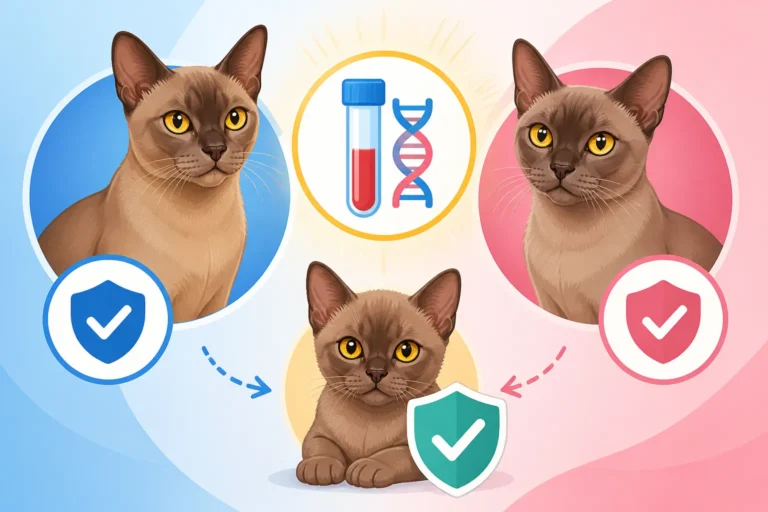
When purchasing, always ask to see the parents' DNA test results, particularly for known Burmese health issues. A breeder who cares will happily provide these, alongside information on the kittens' socialization and initial vet care. Brands like Healthy Paws offer pet insurance, and it's always wise to consider it for a breed with specific health predispositions like the Burmese, especially if you have a kitten of a desirable color whose long-term health is just as important. Knowing Which Blood Panel a Burmese Should Have Yearly for preventive care is part of being a responsible owner, no matter the color of your beloved companion.
Disclaimer
This article is for general informational purposes only and does not constitute professional advice. Laws, prices and regulations vary by location and change over time. Consult a qualified professional for guidance on your specific situation.