How Much a Burmese With European Type Costs
It's incredibly exciting to consider bringing a gorgeous Burmese cat into your home, but if you've started looking around, you've probably noticed a bit of a puzzle: why do some Burmese cats seem to carry a significantly higher price tag than others? Specifically, you might be hearing about a "European type" and wondering what that even means for your budget. This guide is here to untangle the nuances of what influences the cost of a Burmese with European type, helping you understand the factors at play and what to realistically expect when budgeting for one of these magnificent felines.
Understanding the Two Types of Burmese and Their Origins
Before we dive into the nitty-gritty of pricing, it's crucial to understand that the Burmese breed, as recognized today, actually branched into two distinct types decades ago: the American Burmese and the European (or British) Burmese. This split wasn't just a matter of geography; it led to differing breed standards, appearances, and, consequently, varying price points.
The Divergence of American and European Burmese
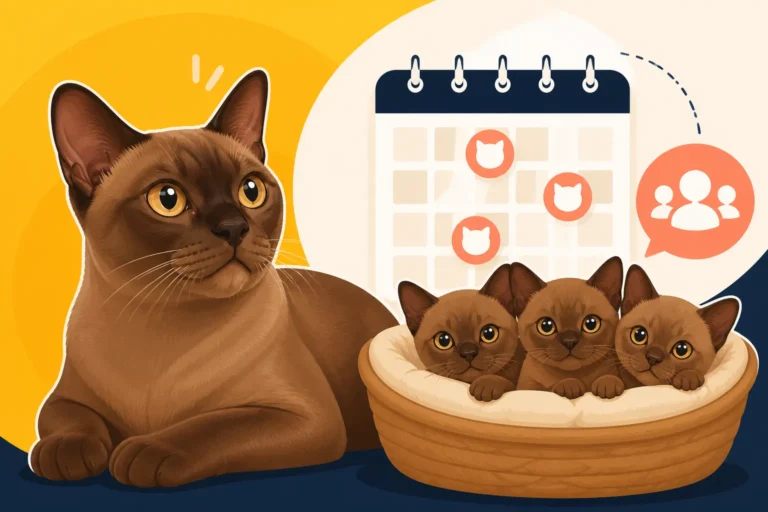
The breed's history is fascinating and began with a single cat named Wong Mau. From her, breeders in the United States worked to establish the breed, favoring a more compact, rounder head with a shorter muzzle and a sturdy, cobby body. This became the American Burmese. Across the Atlantic, British breeders had their own vision, influenced by different breeding lines and preferences. They aimed for a more oriental look, with a slightly longer muzzle, a wedge-shaped head, and a more athletic, elegant body. This established the European Burmese, sometimes also referred to as the British Burmese.
These differing ideals weren't just aesthetic; they led to separate breeding programs and gene pools. Over time, the physical characteristics diverged enough that they are now often considered distinct types, judged by different standards in various cat registries. If you look at photos side-by-side, you'll see noticeable differences in head shape, eye placement, and overall body structure. This foundational split is the primary reason why their costs can differ so dramatically. How the American and European Burmese Split
Why European Lines Are Rarer in Some Regions
One of the biggest factors driving the cost of a European Burmese, especially in North America, is simply their rarity. While they are quite common and well-established in Europe and Australia, finding breeders dedicated to the European type in countries like the United States or Canada can be a real challenge. Many American breeders focus exclusively on the American standard, meaning fewer individuals and fewer lines of the European type are available.
This scarcity creates a classic supply-and-demand situation. When there are fewer breeders and fewer kittens of a specific type available, the price naturally goes up. Breeders who do work with European lines have often invested significant time, effort, and money into importing their foundation cats from overseas, navigating complex regulations, health checks, and travel logistics. These initial costs for establishing their cattery, combined with the smaller number of available kittens, contribute to the higher price point you'll encounter. It's not uncommon for interested buyers to find themselves on lengthy waitlists, further emphasizing their limited availability. How Many European Burmese Breeders Work in America
Factors Influencing the Cost of a European Burmese Kitten
The cost of any purebred kitten isn't just a random number; it's a reflection of many underlying factors. For a European Burmese, these factors are often amplified due to their unique position in certain markets.
Breeder Reputation and Health Testing
A truly responsible and reputable breeder of European Burmese will invest heavily in the health and well-being of their breeding cats and kittens. This isn't just a "nice to have"; it's a non-negotiable part of ethical breeding, especially for a breed known for certain genetic predispositions. This investment includes extensive health screening, not only for the parents but sometimes for the kittens too. For Burmese cats, this means testing for conditions like Hypokalemia (Burmese Head Tilt) and ensuring the absence of the lethal Burmese Head Defect in their lines. They'll also be mindful of the breed's higher propensity for diabetes.
All of these tests come with a cost, and that cost is naturally factored into the price of a kitten. A breeder who proudly shares health certificates, provides a strong health guarantee, and can discuss their lines' health history openly is offering you a kitten that has a much better chance at a long, healthy life. Conversely, a significantly cheaper kitten might be a red flag, suggesting that corners were cut on these vital health screenings, potentially leading to heartbreaking and expensive veterinary bills down the road. It's an upfront investment that pays dividends in peace of mind and potentially fewer vet visits. Which Tests Belong on a Burmese DNA Panel and How Much a Full Burmese Genetic Panel Costs can really make you think about this.
Color and Pedigree
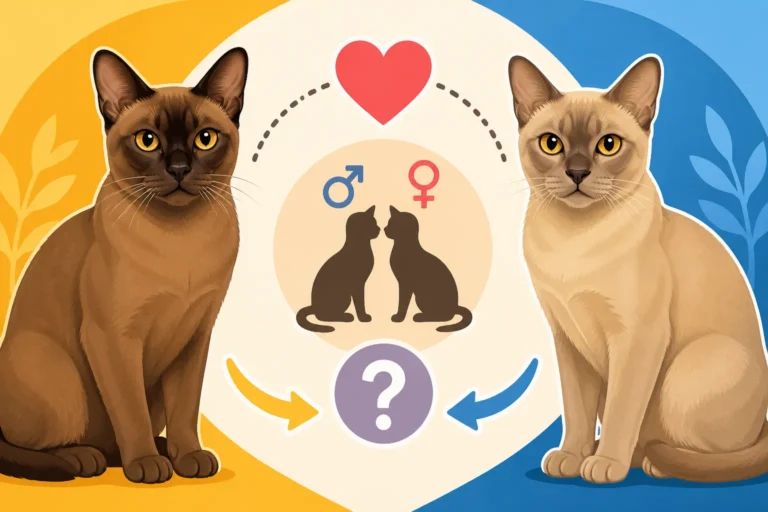
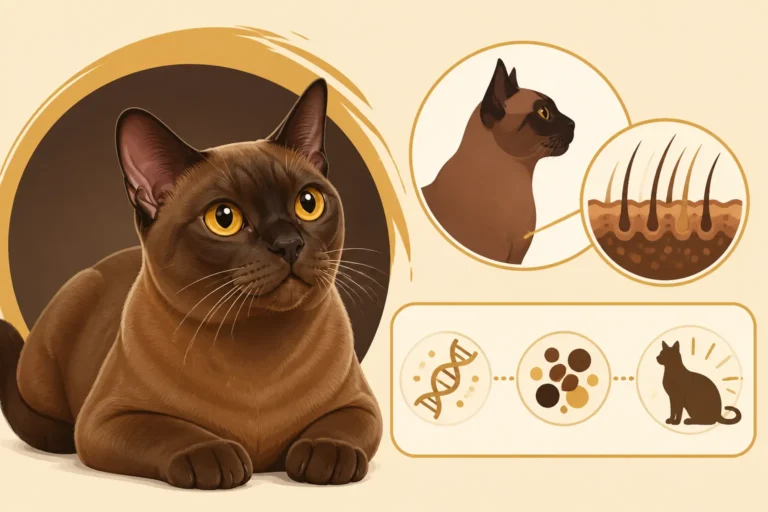
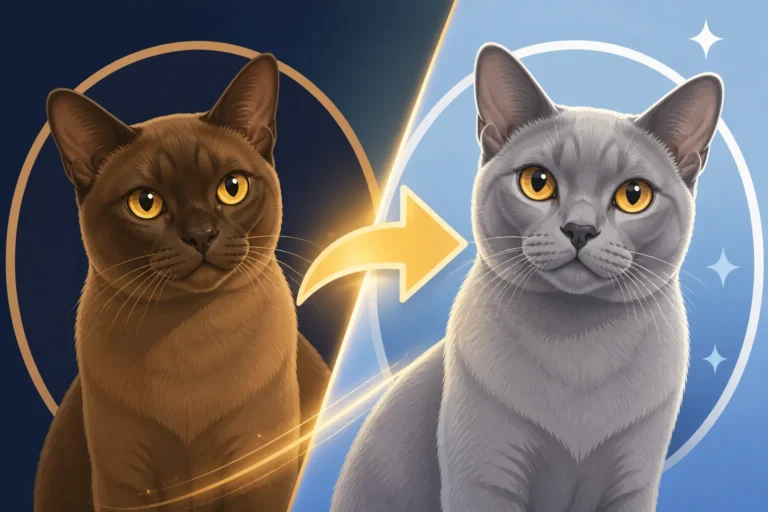
While the primary differentiator for a European Burmese's price is its type and rarity, individual characteristics like coat color can also play a role, albeit a smaller one. The traditional four colors (sable/brown, champagne/chocolate, blue, and platinum/lilac) are all beautiful, but sometimes specific colors are more in demand or less common in a particular breeding program. For example, platinum and blue kittens might be slightly higher priced if a breeder produces fewer of them.
Beyond color, the kitten's pedigree also influences its value. If a kitten comes from a long line of champions or highly regarded show cats, and particularly if it itself has "show potential" according to the breed standard, its price will be higher. Even if you're looking for a beloved pet, a strong pedigree indicates that the breeder is striving to meet the ideal characteristics of the breed, ensuring you get a true representation of the European Burmese type. Breeders might price pet-quality kittens slightly lower than show- or breeding-quality kittens, but both will reflect the overall investment in their lineage. Why Color Adds to a Burmese's Price and How Much a Platinum Burmese Kitten Costs shed more light on this.
Importation Costs and Availability
For a breeder outside of Europe, obtaining authentic European Burmese lines means navigating the often complex and expensive world of international pet transport. Imagine arranging for a kitten or breeding cat to travel from a cattery in the UK or Scandinavia to the United States. This involves not only the initial purchase price of the breeding cat itself, which is already likely higher due to its European type, but also significant costs for airfare, specialized crates, veterinary clearances, potential quarantine periods, and registration fees with new governing bodies.
These expenses are substantial, easily adding thousands of dollars to the breeder's overhead before a single kitten is even conceived. When you purchase a European Burmese kitten, especially in a region where they are less common, a portion of that price reflects the breeder's courage and commitment to bring and maintain these unique bloodlines in your country. It's a testament to their dedication to preserving and promoting the European type, and it's a cost that ultimately translates to the kitten's price. What Importing European Burmese Lines Costs gives a clear picture of this.
What to Expect When Budgeting for a European Burmese
Bringing home any pet is a financial commitment, but for a European Burmese, understanding the full scope of costs, beyond the initial purchase price, is particularly important. Their predispositions to certain health issues mean that responsible budgeting goes hand-in-hand with ensuring a long, happy life for your new companion.
Initial Purchase Price vs. Lifetime Costs
While the initial purchase price for a European Burmese kitten can certainly feel like a significant figure, it's really just the down payment on a much larger, long-term investment. Think of it this way: a European Burmese kitten might cost anywhere from one thousand to several thousand dollars, sometimes even more if imported directly or from champion lines in areas where they are rare. This price reflects the breeder's expertise, health testing, initial veterinary care, and the rarity of the type.
However, the real cost of ownership unfolds over the cat's entire lifespan, which for a well-bred Burmese can be a remarkable The Sixteen to Eighteen Years a Well Bred Burmese Gets. You'll need to budget for high-quality, low-carbohydrate food to mitigate the breed's diabetes risk, routine veterinary check-ups (including annual glucose screenings as they age), vaccinations, dental care, and toys to keep their active minds engaged. Unexpected health issues, despite careful breeding, can always arise. It's crucial to consider the lifetime financial commitment, which far outweighs the initial price, rather than just focusing on the sticker shock of the kitten itself. What a Burmese Costs Over Sixteen Years is a sobering but necessary read.
The Value of Responsible Ownership and Insurance
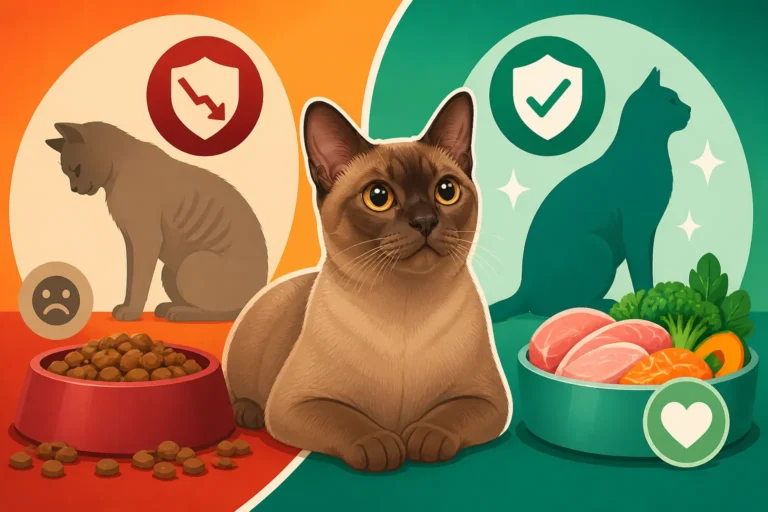
Responsible ownership of a European Burmese means making choices that support their unique health needs. This often starts with diet. Given their predisposition to diabetes, investing in high-quality, wet, low-carbohydrate food is paramount. Carefully formulated, high-quality meals can provide excellent nutritional support. While these premium foods might seem more expensive upfront, they are a proactive measure against future health complications.
Another critical aspect of budgeting is pet insurance. Given the Burmese's genetic predispositions, particularly for diabetes and hypokalemia, having a good pet insurance policy can be a lifesaver. Companies like Healthy Paws offer various plans that can help cover unexpected veterinary expenses, giving you peace of mind that you won't have to choose between your cat's health and your wallet. It's often recommended to get insurance early in your cat's life, before any symptoms of potential breed-specific conditions might appear, as pre-existing conditions are typically excluded. This forward-thinking approach is a hallmark of responsible Burmese ownership. Whether a Burmese Policy Is Worth It Once Diabetes Is Excluded and Why a Burmese's Insurance Should Start Before Symptoms offer excellent insights.
Finding a Reputable European Burmese Breeder
The quest for a European Burmese involves more than just finding a kitten; it's about finding the right partner in a breeder. A good breeder is a lifelong resource and ensures you're bringing home a healthy, well-socialized companion.
Questions to Ask and Red Flags to Watch For
When you're looking for a European Burmese, the breeder is your most important resource. Don't be shy about asking a lot of questions – a reputable breeder will welcome them! Start by inquiring about the specific type they breed and how they maintain their European lines. Ask about the health testing they conduct on their breeding cats, specifically for genetic conditions like Hypokalemia and Burmese Head Defect, and request to see certificates. They should be transparent about any known health issues in their lines, even if their cats test clear. A good breeder will also ask you plenty of questions to ensure you're a suitable home, which is a sign of their dedication to their kittens' welfare.
Red flags include breeders who cannot or will not provide health testing documentation, those who rush the process, or anyone who advertises a Burmese without specifying its type (American or European). Be wary of unusually low prices for a European Burmese, as this often indicates a lack of proper health screening or care. Avoid breeders who refuse to let you see where the kittens are raised or meet the parent cats. Your instinct is a powerful tool here; if something feels off, it probably is. Remember, a cheap kitten is rarely a bargain in the long run. What a Burmese Breeder Must Test Before Any Mating and Why a Burmese Sold Without a Type Is a Warning are essential reads for screening breeders.
Why a Waitlist Is a Good Sign
It might seem counterintuitive to be put on a waiting list, especially when you're eager to bring a kitten home, but for a European Burmese, a waitlist is almost always a positive sign. Reputable breeders don't churn out kittens; they plan their litters carefully, ensuring they have the time, resources, and homes ready for each one. This thoughtful approach means they are prioritizing the health and socialization of their cats over profit.
A breeder with a waitlist indicates that their cats are in high demand, often due to their excellent reputation, the quality of their lines, and their commitment to the breed. It also means the kittens receive optimal care and socialization during their crucial first weeks of life, often staying with their mother and littermates until at least 12-14 weeks of age. This extended period is vital for their development into confident, well-adjusted companions. Patience truly pays off when acquiring a European Burmese; waiting for a kitten from a responsible breeder ensures you're getting a well-started, healthy, and happy addition to your family. Why a Burmese Kitten Stays Until It Is Socialized will give you more insight into this.
Cost Comparison: European vs. American Burmese Kitten (Pet Quality)
| Feature | American Burmese (Pet Quality) | European Burmese (Pet Quality) |
|---|---|---|
| Typical Price Range | Moderate | Higher (often 1.5x – 3x American type) |
| Availability | Widely available in North America | More scarce in North America, more common in Europe |
| Appearance | Cobby body, round head, shorter muzzle | Slinky body, wedge-shaped head, longer muzzle |
| Breeder Base | Larger number of breeders | Fewer breeders, especially in North America |
| Importation Costs | Generally none for local purchases | Often factored into price if lines are imported |
| Health Testing | Essential for reputable breeders | Essential for reputable breeders (same conditions) |
| Waitlist Duration | Shorter to moderate | Often longer, especially for specific colors/genders |
| Why Higher Cost? | (N/A) | Rarity, importation, specialized breeding focus |
This table provides a general comparison; actual prices will vary significantly based on individual breeders, location, specific lineage, and the kitten's qualities. Always consult directly with reputable breeders for their current pricing and policies.
Disclaimer
This article is for general informational purposes only and does not constitute professional advice. Laws, prices and regulations vary by location and change over time. Consult a qualified professional for guidance on your specific situation.