How Much a Pet European Burmese Costs From a Breeder
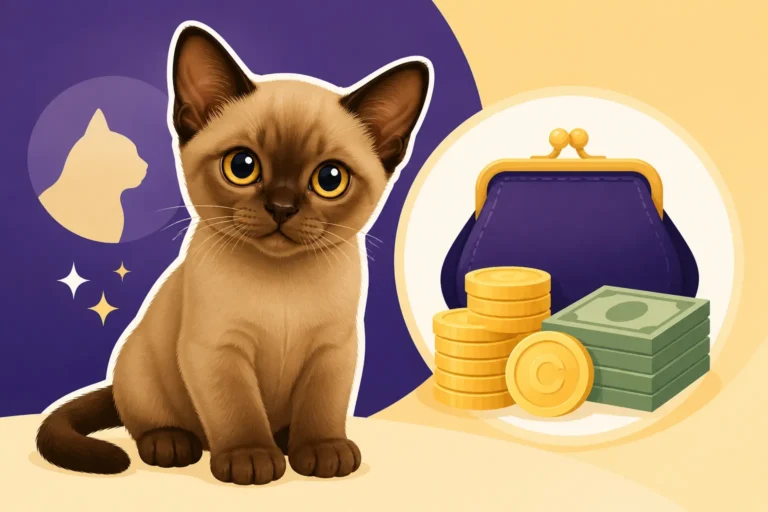
It can be incredibly disheartening when you're deeply set on bringing a particular type of cat into your family, only to find wildly varying price tags that make it feel impossible to budget or even understand what you're truly paying for. The quest for a European Burmese kitten, with its distinct look and temperament, often comes with a unique set of financial considerations that can feel opaque. This guide will walk you through the real costs involved in acquiring a pet European Burmese from a reputable breeder, detailing not just the initial purchase price but also the essential factors that drive these figures and the crucial long-term financial commitments you'll need to consider.
Understanding the European Burmese Price Tag
When you start looking for a European Burmese, one of the first things that might strike you is the price difference compared to many other breeds, or even compared to its American Burmese counterpart. It’s not just a matter of supply and demand; there are deeply ingrained reasons why these beautiful cats command a higher initial investment. This isn't about snobbery in the cat fancy; it's about the unique challenges and dedication involved in breeding and maintaining the European line.
The Rarity Factor and Import Costs
Let's be honest, finding a European Burmese breeder isn't as simple as opening your local classifieds. In many parts of the world, especially North America, European Burmese breeders are few and far between. This scarcity naturally drives up the price. We're talking about a breed that has a much smaller gene pool outside of its original strongholds in places like the UK and Australia. Breeders dedicated to the European standard have often invested significantly in importing lines to maintain genetic diversity and breed true to type. This isn't a casual endeavor; importing a cat involves considerable expense, including air travel, vet checks, quarantine protocols, and often, extensive paperwork to ensure compliance with international regulations. These costs are, understandably, reflected in the price of the kittens. Think of the specialized care and logistics required – it’s a far cry from breeding local stock. You might find it insightful to read What Importing European Burmese Lines Costs to understand the full scope of this. This rarity means demand often outstrips supply, contributing to a higher price point. It also means that waiting lists can be quite long, sometimes stretching over a year for a well-bred kitten. Many dedicated breeders operate on a smaller scale, prioritizing health and temperament over sheer volume, which further limits availability and justifies their pricing structure.
Furthermore, the very distinct lineage that sets the European Burmese apart from the American type means there are fewer available breeding animals. The separate breed standards and distinct physical characteristics have led to different breeding goals over decades. This divergence means that a breeder committed to the European type must be very particular about their breeding stock, often looking internationally for new bloodlines. This level of dedication to preserving the European standard and preventing accidental crosses with the American type is a labor of love that involves significant financial outlay, all of which trickles down to the eventual cost of the kitten.
Pedigree and Breeder Reputation
The price of a European Burmese kitten is also heavily influenced by its pedigree and the reputation of the breeder. A reputable breeder doesn't just produce kittens; they invest in the health, temperament, and genetic future of the breed. This means their breeding cats will have undergone extensive health screening for common Burmese ailments. We’re talking about DNA tests for conditions like Hypokalemia and a thorough understanding of diabetes risk in the breed. A breeder who can provide clear documentation of these tests for both parent cats is offering you a kitten with the best possible start, and that assurance comes at a price. Don't be shy about asking about these tests; it's a mark of a responsible breeder. You can learn more about this by reading What a Burmese Breeder Must Test Before Any Mating.
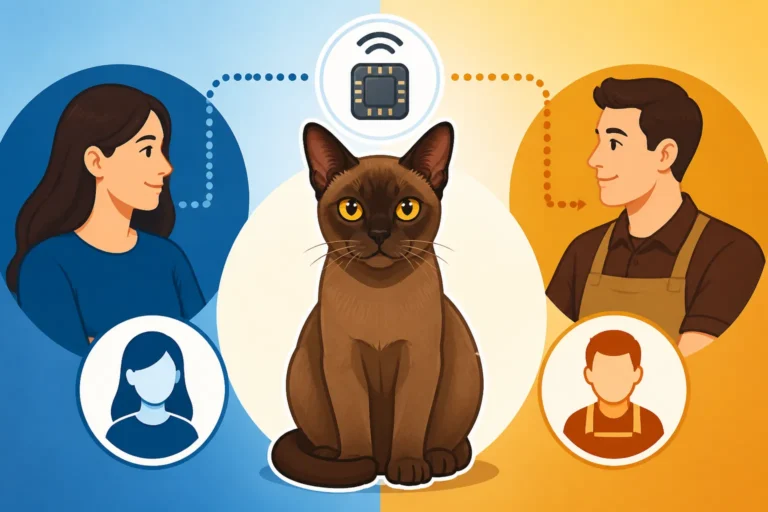
A strong pedigree also indicates that the breeder is adhering to the breed standard, producing cats that truly embody the European Burmese look – the distinctive head shape, eye placement, and body type. While you're buying a pet, not a show cat, the adherence to these standards is a sign of a thoughtful breeding program. Breeders with a long-standing positive reputation have often spent years, if not decades, cultivating healthy lines, participating in shows to validate their breeding choices, and providing extensive support to their kitten buyers. This includes ensuring kittens are well-socialized, vaccinated, microchipped, and litter-trained before they go to their new homes, typically at around 12-16 weeks of age. They also provide ongoing advice and support, a resource invaluable to first-time owners. Such comprehensive care and commitment are rightfully factored into the cost. Always remember, a cheap kitten might come with hidden costs down the line if corners were cut in health testing or early care. This is a good opportunity to understand Why a Cheap Burmese Skipped the Hypokalemia Swab.
Factors Influencing the Price of a European Burmese Kitten
It’s not just about the "European" label; several specific characteristics and practices contribute to the final price tag of your prospective kitten. These elements reflect the care, genetic background, and aesthetic qualities that breeders meticulously work to achieve and maintain. Understanding these can help you appreciate why some kittens might be priced differently even within the same litter.
Color Variations and Their Impact
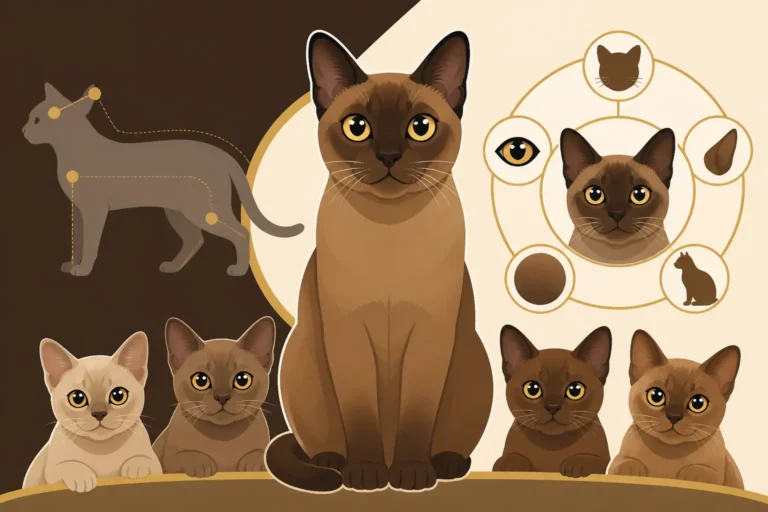
While the European Burmese has a striking appearance regardless of color, certain shades can sometimes influence the price. The recognized colors for the European Burmese are more extensive than for the American Burmese, which primarily focuses on Sable (known as Brown in Europe), Champagne (Chocolate), Blue, and Platinum (Lilac). The European standard also embraces Red, Cream, and Tortoiseshell variations. Rarer colors, or those that are particularly difficult to achieve consistently within a breeding program, might fetch a slightly higher price. For example, a perfectly shaded Platinum or a vibrant Red can sometimes be more sought after. This isn't always a hard and fast rule, as overall quality and demand often trump color, but it can be a factor.
However, it's essential to understand that a reputable breeder prioritizes health and temperament above all else. While a unique color might be an attractive bonus, it should never be the sole determinant of a kitten's price or your choice. The quality of the breeding, the health screenings of the parents, and the socialization of the kitten are far more significant. Be wary of any breeder who excessively hypes a "rare" color as a justification for an exorbitant price without providing proof of genetic health or superior lineage. The color is often a secondary consideration for serious breeders compared to producing a healthy, well-adjusted cat that meets the breed's physical and behavioral standards. This distinction in pricing is often discussed in detail in Why Color Adds to a Burmese's Price.
Health Screening and Genetic Guarantees
Perhaps one of the most significant factors influencing the price of a European Burmese kitten is the extent of health screening performed on the parent cats and, in some cases, the kittens themselves. Burmese cats, while generally robust, are known to carry specific genetic predispositions that responsible breeders work tirelessly to screen against. The two most prominent are Hypokalemia (Burmese Head Tilt) and Diabetes Mellitus. DNA testing for Hypokalemia in the parent cats is absolutely non-negotiable for a reputable European Burmese breeder. Knowing the carrier status of both parents ensures that no affected kittens will be produced, saving future owners from a potentially devastating and expensive condition. The cost of these genetic tests, which might include a full Which Tests Belong on a Burmese DNA Panel, is an investment the breeder makes in the health of their line and, by extension, your future pet.
Beyond genetic tests, reputable breeders will also screen for other potential health issues, such as ensuring good cardiac health. They should offer a comprehensive health guarantee for their kittens, covering congenital conditions for a specified period. This guarantee offers you peace of mind and reflects the breeder's confidence in their breeding program. A breeder who skips these tests to cut costs might offer a cheaper kitten initially, but the potential veterinary bills down the line for an avoidable genetic condition could be astronomically higher. Think of the peace of mind knowing your kitten comes from parents proven clear of certain genetic diseases. This due diligence is a substantial part of the initial cost, but it's an investment in a healthy, long-lived companion. You can delve deeper into specific guarantees by exploring Whether a Burmese Guarantee Mentions Hypokalemia.
Here’s a quick overview of how these factors typically stack up:
| Factor | Impact on Price | Justification | What to Look For |
|---|---|---|---|
| Rarity/Importation | High | Limited gene pool, significant costs for international sourcing. | Proof of imported lines, breeder's experience with imports. |
| Pedigree/Reputation | High | Years of selective breeding, show success, ongoing owner support. | Multi-generational pedigrees, references from past buyers. |
| Color (e.g., Red, Cream) | Moderate | Desirability of less common or perfectly expressed shades. | Focus on overall quality, not just color; consistent type. |
| Health Testing (Parents) | High | DNA tests for Hypokalemia, screening for other conditions, vet checks. | Certified test results for both parents. |
| Kitten Care (Vaccines, etc.) | Moderate | Comprehensive vet checks, vaccinations, microchipping, socialization. | Detailed health records, clear socialization practices. |
| Breeding Rights | Very High | Only for suitable breeding stock, requires extensive health clearance. | Typically not offered for pet-quality kittens. |
Beyond the Initial Purchase: Ongoing Costs to Consider
While the upfront cost of a European Burmese kitten from a breeder is a significant consideration, it's just the beginning of your financial commitment. Owning any pet, especially a purebred cat like the Burmese, involves ongoing expenses throughout its life, which can easily extend to The Sixteen to Eighteen Years a Well Bred Burmese Gets. It's crucial to budget for these long-term costs to ensure you can provide the best possible care for your feline companion.
Dietary Needs and Quality Food
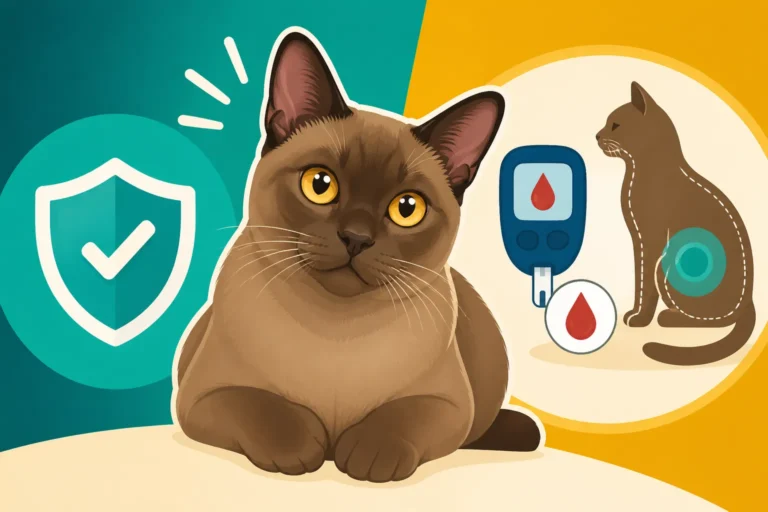
Burmese cats are known for their robust appetites and, critically, their predisposition to diabetes. This means that feeding a Burmese isn't just about throwing down any kibble; it's a medical decision that directly impacts their health and longevity. High-quality, low-carbohydrate wet food is generally recommended for Burmese cats to help manage their weight and mitigate diabetes risk. While often more expensive than dry kibble, this investment in premium nutrition can literally be life-saving. You might find yourself comparing brands like Chewy's selection of specialty wet foods, carefully checking the carbohydrate content. Ignoring this dietary need can lead to significant veterinary bills down the line if your cat develops diabetes, so the initial higher cost of food is truly a preventative measure. It's not just a preference; Why Low Carbohydrate Food Matters for a Burmese is a scientific fact for this breed.
A typical adult Burmese might eat two weighed meals a day, and while they might always seem hungry, sticking to precise portion control is key. This meticulous approach to feeding means your grocery bill for your feline friend will likely be higher than for an average cat. The cost difference between cheap, carbohydrate-heavy kibble and a quality, low-carb wet diet can be substantial over a cat's lifetime, but it’s an investment in their health. Factor in the cost of high-quality treats, too, ensuring they also align with a low-carb philosophy, as even small indulgences can impact their delicate metabolic balance.
Veterinary Care and Insurance
Regular veterinary care is paramount for a European Burmese. Beyond annual check-ups and vaccinations, Burmese cats require specific monitoring. Given their diabetes predisposition, your vet may recommend routine glucose checks, especially as they get older, which adds to the cost of yearly visits. Why a Burmese's Glucose Should Be Checked From Seven outlines the importance of this proactive approach. Dental care is another significant consideration; Burmese are prone to gum disease, and regular professional dental cleanings under anesthesia can become necessary, leading to recurring expenses over their lifetime. These dental procedures, along with potential extractions, can be costly.
To mitigate some of these unpredictable but often inevitable veterinary expenses, pet insurance is a highly recommended investment for a European Burmese owner. Policies from providers like Healthy Paws can offer significant financial relief if your cat develops a chronic condition or experiences an emergency. However, be aware that most insurance policies will exclude pre-existing conditions, so it's vital to get coverage when your kitten is young and healthy. While some policies might have specific exclusions for conditions known in the breed, such as diabetes if it's diagnosed prior to enrollment, a good policy can still cover a wide range of other illnesses, accidents, and even routine care, depending on the plan. Considering Whether a Burmese Policy Is Worth It Once Diabetes Is Excluded is a wise discussion to have with any potential insurer to understand your coverage fully.
Even with insurance, you'll still have co-pays, deductibles, and procedures not covered by your plan. Factor in the cost of parasite prevention, specialized litter (especially if a diabetic cat starts drinking and urinating more), and any other medications or supplements your vet might recommend over the years. These seemingly small expenses add up quickly and are a vital part of responsible pet ownership.
Disclaimer
This article is for general informational purposes only and does not constitute professional advice. Laws, prices and regulations vary by location and change over time. Consult a qualified professional for guidance on your specific situation.