Whether a Burmese Guarantee Reaches Its Diabetic Years
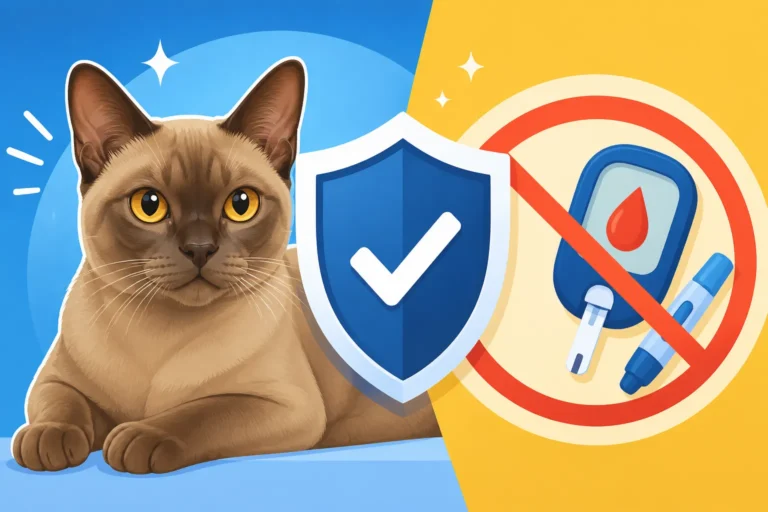
It’s a heart-sinking moment when you realize your beloved Burmese, the sweet, purring shadow who follows you everywhere, might be facing a serious health challenge like diabetes. As a devoted owner, you naturally turn to every piece of protection you thought you had, including that health guarantee from your breeder. But here’s the tough truth: when it comes to conditions that often manifest later in life, like feline diabetes, most breeder guarantees offer little to no financial solace. This guide will help you understand the limitations of these guarantees and, more importantly, empower you with knowledge to proactively protect your Burmese's health and your wallet.
The Harsh Reality of Breeder Guarantees and Chronic Illness
When you bring home a new kitten, especially a purebred like a Burmese, you're often given a health guarantee. This document is meant to provide peace of mind, ensuring you're not left with a massive vet bill for immediate, life-threatening genetic conditions. However, the world of chronic illnesses, particularly those with a complex interplay of genetics and environment, often falls outside the tight definitions of these agreements. It's a frustrating situation that many owners only discover when they're already in a crisis.
The Limited Scope of Most Guarantees
Most breeder guarantees are designed to cover severe, congenital, or inherited conditions that become apparent very early in a kitten's life. Think about things like certain heart defects that show up within the first year, or severe physical deformities that prevent a kitten from thriving. These are conditions that clearly originate from the breeding stock or an issue during gestation. The language in these contracts is usually very specific, often listing particular genetic diseases for which the parents were tested, like Hypokalemia Is the Burmese Disease With a DNA Test or Burmese Head Defect Is Lethal and Recessive. If a kitten develops one of these specific, early-onset conditions, a reputable breeder will often offer a replacement kitten or a refund, typically after veterinary confirmation and possibly a second opinion. It's a system built for swift, undeniable issues.
However, the reality for a long-term condition like diabetes is far more nuanced. A guarantee isn't meant to cover every possible illness your cat might encounter over its entire lifespan. It's a safety net for those initial, foundational health problems, not an all-encompassing health insurance policy that extends for a decade or more. This distinction can be incredibly upsetting when you're facing a diagnosis that feels genetic but isn't covered.
Why Long-Term Conditions Like Diabetes Are a Gray Area
Diabetes in Burmese cats is a perfect example of a condition that falls into a difficult gray area for breeder guarantees. While we know the Burmese breed has a significant genetic predisposition to diabetes – they are Why a Burmese Is Four Times More Likely to Become Diabetic compared to other breeds – it's rarely a condition that manifests in kittenhood. Instead, it's typically an adult-onset disease, often appearing when the cat is middle-aged or senior. This means years of diet, exercise, and general care have passed under the owner's watch.
Because diabetes is not solely genetic but also heavily influenced by lifestyle factors like diet (especially carbohydrate intake) and obesity, it becomes incredibly difficult to pin down the exact cause to a breeder's responsibility. Was it purely genetic, or did environmental factors over several years contribute significantly? Most guarantees cannot account for these external influences. Breeders provide a healthy kitten, but they can't control how that kitten is fed or managed for the next five, ten, or fifteen years. This isn't to say a breeder is absolved of all responsibility for promoting a healthy line, but legally and contractually, it's very hard to enforce a guarantee for a condition with such a complex etiology and late onset.
The Typical Timeline of a Health Guarantee
It's crucial to read your breeder's guarantee carefully, especially the section on timelines. You'll likely find that most health guarantees for serious genetic conditions expire within a relatively short period, often one or two years from the date of purchase. Some might extend to three or even five years for specific, very serious genetic issues. However, Burmese cats typically develop diabetes much later in life. We often see it crop up At What Age a Burmese Usually Turns Diabetic, usually between seven and ten years old, sometimes even later.
By the time your Burmese starts showing signs of increased thirst or urination – classic indicators that Which Signs Come First in a Diabetic Burmese – your breeder's guarantee will almost certainly have expired. This gap between the guarantee's expiration and the usual onset of diabetes is a significant point of frustration for many owners. It feels unfair because you chose the breed knowing its predispositions, but the safety net you thought you had isn't there when you need it most. It underscores the importance of ongoing preventative care and financial planning for your Burmese, rather than relying solely on the initial guarantee.
Understanding the Burmese's Unique Diabetes Susceptibility
To truly grasp why diabetes is such a concern for Burmese owners, and why guarantees rarely cover it, we need to delve into the breed's specific genetic and physiological makeup. It's not just a random occurrence; it's deeply ingrained in their heritage.
The Genetic Component and Breed Predisposition
The Burmese cat stands out in the feline world for many reasons, not least its astonishingly high predisposition to diabetes mellitus. Scientific studies have highlighted that Burmese cats are significantly overrepresented among diabetic felines. This isn't just bad luck; it's rooted in their genetics. Researchers have identified specific genetic markers that appear to increase their risk, suggesting a hereditary component that makes them more susceptible to insulin resistance and pancreatic exhaustion over time. It means that even with perfect care, a Burmese carries a genetic "blueprint" that predisposes them to this condition. This knowledge is widespread within the veterinary and breeding communities, making it an acknowledged breed-specific health challenge. What Genome Studies Found in Australian Burmese has been particularly enlightening in this regard, pointing to strong hereditary links within certain lines.
When Diabetes Typically Manifests in Burmese Cats
Unlike some conditions that are present from birth, diabetes in Burmese cats is almost universally an adult-onset disease. As mentioned, it's uncommon to see a Burmese kitten or young adult diagnosed with diabetes. Instead, the signs typically emerge as they age, with the average age of diagnosis often falling in their middle to senior years. This delayed onset is precisely why it's so difficult to include in a standard breeder guarantee. A kitten sold at 12-16 weeks is years away from the age range where diabetes usually becomes apparent. It takes years for the genetic predisposition, combined with environmental factors, to manifest as clinical symptoms. This extended timeline creates a significant gap between the period covered by most guarantees and the actual emergence of the disease.
Lifestyle Factors That Influence Onset
While genetics load the gun, lifestyle factors often pull the trigger when it comes to Burmese diabetes. A breeder provides a kitten with a genetic predisposition, but the daily choices made by the owner heavily influence whether that predisposition becomes a full-blown illness.
- Dietary Choices: High-carbohydrate diets are a major culprit. Many popular dry kibbles are packed with carbohydrates, which can put a continuous strain on a genetically predisposed Burmese cat's pancreas. Why Low Carbohydrate Food Matters for a Burmese is a principle that every Burmese owner should live by. Feeding a high-quality, low-carbohydrate wet food diet can significantly reduce the risk.
- Weight Management: Obesity is a huge accelerant for diabetes in any cat, but especially in a Burmese. An overweight Burmese is much more likely to develop diabetes than one kept at an ideal body weight. How Much Weight Raises a Burmese's Diabetes Risk is a critical piece of knowledge, emphasizing that even a little extra padding can have severe consequences. Regular weighing and careful portion control are paramount.
- Neutering Status: Interestingly, male Burmese cats, particularly those who are neutered, appear to be at an even higher risk. Why a Neutered Male Burmese Is Highest Risk highlights another layer of complexity. While neutering is important for population control and preventing other health issues, it's another factor that owners must consider in the overall diabetes risk profile for their male Burmese.
Because these lifestyle factors are entirely within the owner's control, a breeder cannot reasonably be expected to guarantee against a disease that can be so heavily influenced by how the cat is fed and cared for over many years. This is why the focus shifts from a breeder guarantee to owner responsibility in long-term health management.
Proactive Steps Beyond the Initial Guarantee
Since the breeder's guarantee for diabetes is unlikely to provide a safety net, your power lies in proactive health management. This means understanding your Burmese's unique needs and implementing preventative strategies from day one. It’s about building a partnership with your vet and making informed daily choices that support a long, healthy life.
The Role of Regular Veterinary Check-ups and Monitoring
Consistent veterinary care is your first line of defense against the silent creep of diabetes. Even if your Burmese seems perfectly healthy, annual check-ups are non-negotiable. For a breed so prone to diabetes, I strongly advocate for starting regular glucose monitoring much earlier than you might for other breeds. Why a Burmese's Glucose Should Be Checked From Seven is a great guideline, but honestly, having a baseline bloodwork panel done around age five or six can give you valuable insights.
Your vet might recommend a fructosamine test, which gives a broader picture of blood sugar control over several weeks, rather than just a snapshot in time. What a Fructosamine Test Shows in a Burmese is a far more reliable indicator of early diabetic changes than a single glucose reading, which can be affected by stress. Discussing your Burmese's breed predisposition with your vet ensures they are extra vigilant for subtle signs like increased thirst or changes in urination, which might otherwise be dismissed. It's about being ahead of the curve, not catching up when symptoms are already pronounced.
Strategic Dietary Choices for Prevention
This is perhaps the single most impactful area where you, as an owner, can make a difference. For a Burmese, feeding isn't just about nutrition; it's a medical decision. The goal is to minimize carbohydrate intake to reduce the strain on their insulin-producing cells.
- Low-Carbohydrate Wet Food: This is the cornerstone of a preventative diet for Burmese cats. Look for wet foods that are high in protein and fat, with very low carbohydrate content. Think of it as mimicking their natural diet as obligate carnivores. Many brands offer excellent low-carb options, and you can find them easily on platforms like Chewy or specialty pet food stores. If you're considering a more curated meal plan, always check its specific carbohydrate percentages for cats.
- Avoid Free-Feeding: Leaving a bowl of food out all day is a recipe for disaster for a diabetes-prone Burmese. Why a Burmese Should Never Be Free Fed cannot be stressed enough. Instead, portion out meals and feed them at set times, ideally two to three times a day. This allows their pancreas to rest between meals and helps you track their appetite and intake.
- Limit or Eliminate Treats: While it’s hard to resist those pleading Burmese eyes, most commercial cat treats are surprisingly high in carbohydrates. Think of treats as a tiny part of their overall daily caloric intake, and choose protein-based, freeze-dried options if you must. Every treat choice contributes to their overall carbohydrate load.
By being meticulous about diet, you're actively working to prevent the onset of diabetes, a far more powerful tool than any guarantee could ever be.
Maintaining an Ideal Body Condition
Hand-in-hand with diet is maintaining your Burmese's ideal body weight. These cats are naturally muscular, often described as a "brick wrapped in silk," which can sometimes make it hard to tell if they're overweight. They are heavier than they look!
- Regular Weigh-ins: Make it a habit to weigh your Burmese at home weekly or monthly. A simple kitchen scale for kittens, or a bathroom scale (weigh yourself, then weigh yourself holding your cat, and subtract) for adults, can make all the difference. How to Weigh a Burmese Accurately at Home is a skill every Burmese owner should master.
- Body Condition Scoring: Learn to feel for their ribs. You should be able to easily feel their ribs with a thin layer of fat over them, without them being visible. They should have a discernible waist when viewed from above. Regularly assessing their How to Score a Burmese's Body Condition helps you catch weight gain early.
- Exercise and Play: A playful Burmese will naturally burn more calories. Engage them in interactive play sessions daily. Whether it's chasing a wand toy or retrieving a ball, keeping them active is vital, especially since A Burmese Is Still Playing at Fifteen. A physically active cat is a healthier cat.
Why Weight Is the Only Lever a Burmese Owner Has to prevent diabetes is a profound truth. You can't change their genetics, but you absolutely can control their caloric intake and activity levels. This direct control means you have immense power in steering their long-term health.
Planning for the Financial Realities of Long-Term Care
Even with the best preventative care, the genetic predisposition means a Burmese can still develop diabetes. When a breeder's guarantee is out of the picture, financial planning becomes paramount. Understanding the costs involved and exploring options like pet insurance can alleviate significant stress should your furry friend receive a diabetes diagnosis.
Navigating Pet Insurance with a Predisposed Breed
Pet insurance can be a lifesaver, but its effectiveness for diabetes largely depends on when you enroll your Burmese. The golden rule with pet insurance is to get a policy before any symptoms or diagnoses appear. If your Burmese is diagnosed with diabetes, it becomes a pre-existing condition, and most insurance providers will not cover treatments related to it. This is why Why a Burmese's Insurance Should Start Before Symptoms is so critical.
Look for comprehensive policies that cover chronic conditions, but be realistic about the exclusions once a diagnosis is made. Some policies might still cover other illnesses if diabetes is excluded, offering some peace of mind for unrelated issues. Companies like Healthy Paws offer policies, but always read the fine print regarding hereditary conditions and waiting periods. It's a complex landscape, and understanding it before you need it is key. Don't wait until your vet tells you your beloved cat is diabetic to start looking into insurance, as it will likely be too late for that specific condition. Whether a Diabetic Burmese Can Be Insured will depend entirely on the timing of your application relative to the diagnosis.
Budgeting for Ongoing Medical and Dietary Needs
A diagnosis of diabetes fundamentally changes your financial outlook for your Burmese. The costs are ongoing and can be substantial.
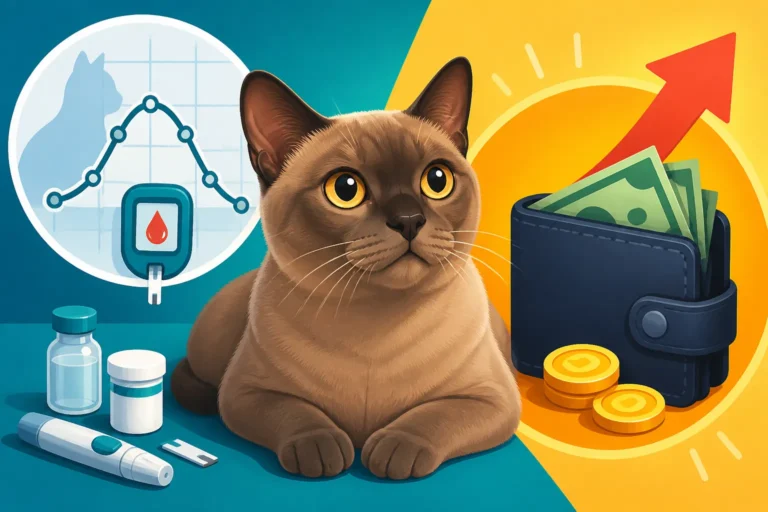
- Insulin and Supplies: Your cat will likely need daily insulin injections. This involves the cost of the insulin itself, syringes, and potentially an automatic pen. What Insulin Costs a Burmese Owner Per Month can add up over years. You'll also need supplies for monitoring, such as a glucometer, test strips, and lancets for home glucose checks.
- Prescription Diet: While a low-carb diet is preventative, a diabetic Burmese often requires a veterinary-prescribed diet formulated to manage blood sugar levels. These foods, available from your vet or through online retailers like Chewy with a prescription, can be more expensive than standard over-the-counter options. What a Prescription Diabetic Diet Does for a Burmese is to provide a consistent, very low-carb meal that helps stabilize glucose.
- Regular Vet Visits and Tests: Initially, a diabetic cat requires frequent vet visits to establish the correct insulin dosage and ensure stability. This might include glucose curves, blood work, and general health assessments. Even once stable, regular check-ups become even more crucial.
- Increased Litter and Care: A diabetic cat often drinks and urinates more, meaning you'll go through litter faster and potentially need larger litter boxes. It's a small detail, but it adds to the ongoing costs.
What Diabetes Costs a Burmese Owner a Year can easily run into thousands of dollars, making it one of the most significant long-term health expenses for this breed. This is why a line item for potential diabetes care belongs in any thoughtful Burmese budget.
The True Value of a Transparent and Health-Conscious Breeder
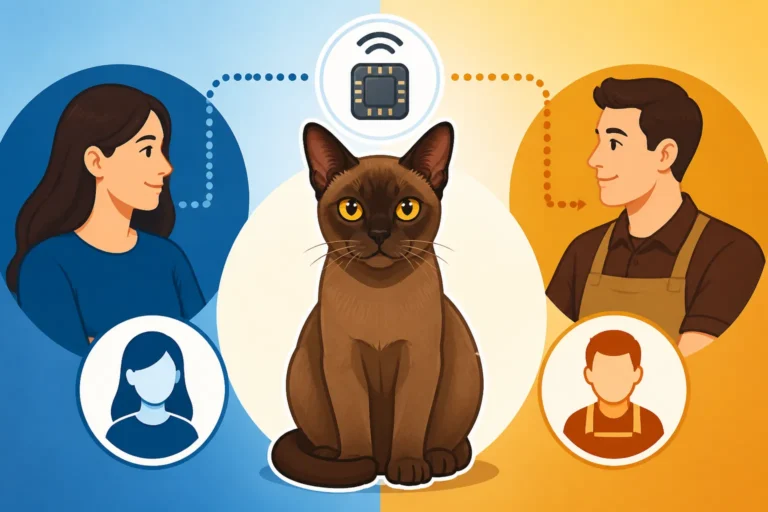
While a breeder's guarantee may not cover adult-onset diabetes, the true value of a reputable and health-conscious breeder cannot be overstated. These breeders go far beyond simply offering a basic health guarantee; they are dedicated to the long-term health of their lines.
- Genetic Testing and Screening: A good breeder will extensively test their breeding cats for known genetic conditions, not just the ones covered by a minimum guarantee. They should be transparent about the health history of their lines, including any incidence of diabetes in the ancestors of your kitten. Which Tests Belong on a Burmese DNA Panel should be a standard question you ask.
- Open Communication: A responsible breeder is willing to discuss the specific health challenges of the Burmese breed, including diabetes, openly and honestly. They will educate you on preventative care, such as the importance of a low-carb diet and weight management, even before you take your kitten home.
- Lifetime Support: Many reputable breeders offer ongoing support and advice for the lifetime of their cats. While they won't cover vet bills for a condition like diabetes that develops later, they often provide invaluable guidance, emotional support, and recommendations based on their extensive experience with the breed. They care about the well-being of the cats they bring into the world.
Choosing a breeder who prioritizes health, transparency, and education is a far more robust safeguard than any written guarantee, especially when dealing with complex, long-term conditions like diabetes in the predisposed Burmese. It’s an investment in a healthier future for your furry family member.
Disclaimer
This article is for general informational purposes only and does not constitute professional advice. Laws, prices and regulations vary by location and change over time. Consult a qualified professional for guidance on your specific situation.