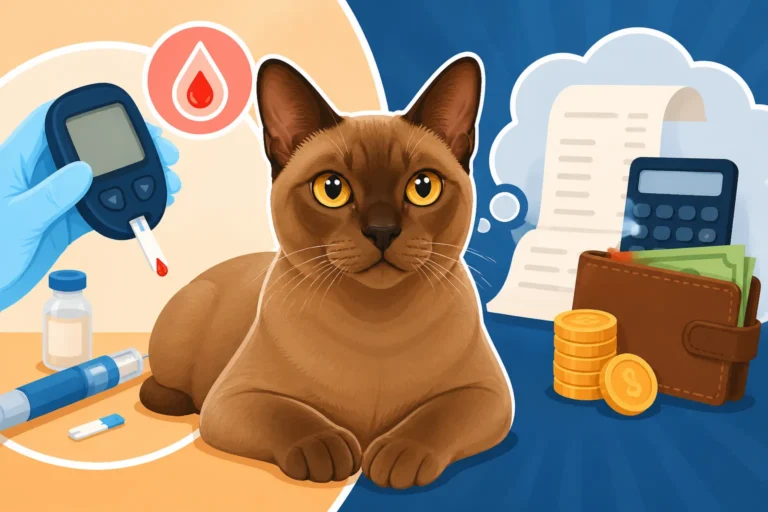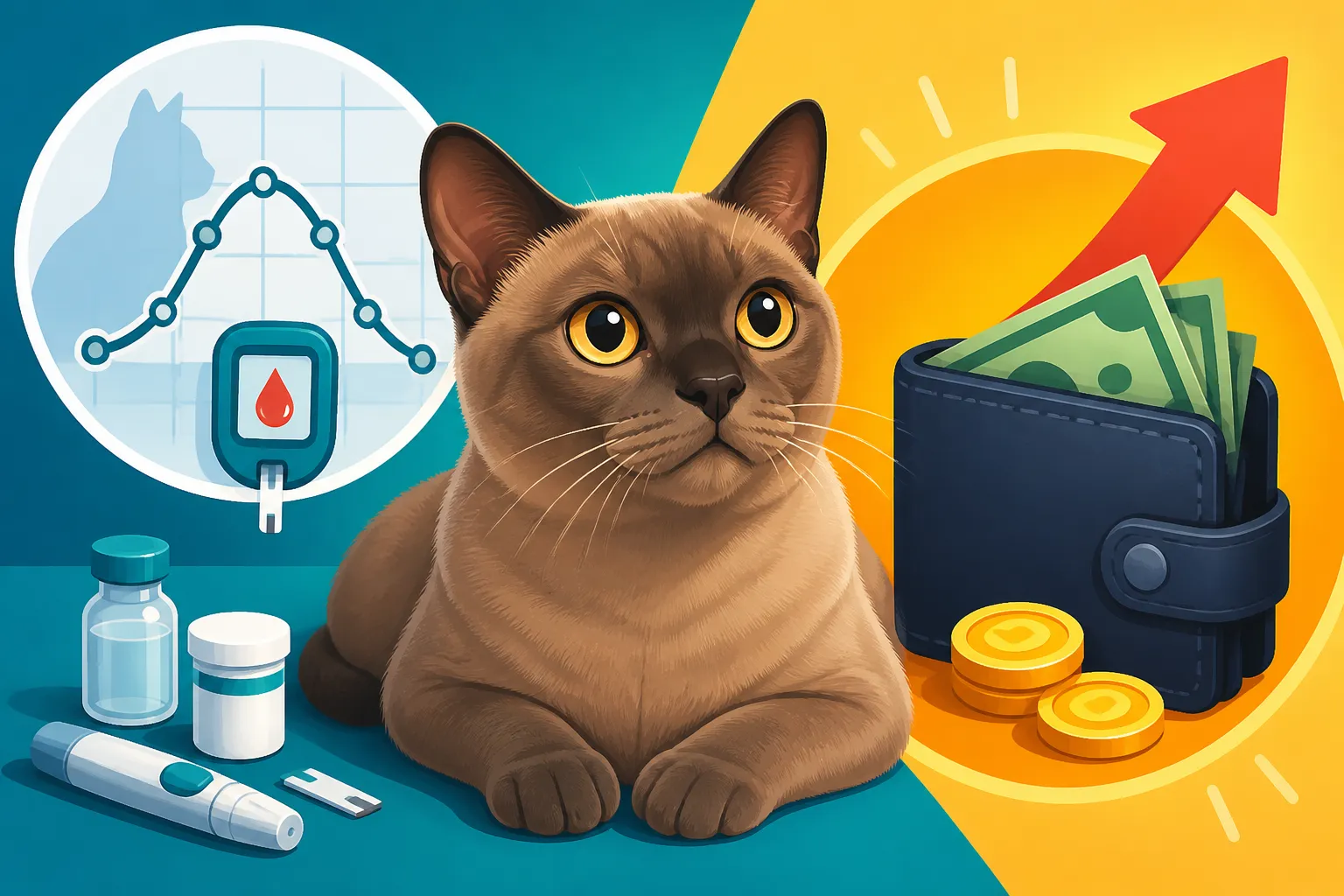
What a Full Day Glucose Curve Costs a Burmese Owner
The moment you notice your beloved Burmese cat drinking more water or making more trips to the litter box, a knot of worry can form in your stomach. These seemingly minor changes can be the first whispers of a significant health concern: diabetes. Facing the possibility of a diabetes diagnosis is daunting, not just emotionally, but financially, and understanding the costs involved, especially for a crucial full-day glucose curve, is essential for any devoted Burmese owner. This guide will walk you through what to expect regarding the expenses associated with diagnosing and managing diabetes in your cherished feline friend.
Understanding the Burmese and Diabetes Risk
It's a tough pill to swallow, but our adorable, affectionate Burmese cats are sadly more predisposed to certain health conditions than many other breeds. Diabetes Mellitus is one of those conditions that casts a longer shadow over the Burmese lineage.
Why Burmese are Prone to Diabetes
There's a genetic component at play here. Research has indicated that Burmese cats have a higher genetic predisposition to developing diabetes compared to other breeds. It’s not just bad luck; it’s rooted in their unique genetic makeup. This means that even if you're doing everything right with diet and exercise, your Burmese still faces an elevated risk. Combine this genetic vulnerability with lifestyle factors like diet and weight, and the risk escalates. An overweight Burmese, for example, is significantly more likely to develop insulin resistance, paving the way for full-blown diabetes. It's why we often say that Why a Burmese Is Four Times More Likely to Become Diabetic. The connection between genetics, lifestyle, and this disease is something every Burmese owner needs to be keenly aware of.
Recognizing the Signs of Diabetes in Your Burmese
Catching diabetes early can make a world of difference for your cat's long-term health and your wallet. The most common signs often involve changes in their drinking and urination habits. You might notice your Burmese constantly seeking out the water bowl, seeming unquenchably thirsty. This increased thirst, known as polydipsia, naturally leads to increased urination (polyuria). You might find the litter box filling up much faster or notice larger, wetter clumps. Other signs can include unexplained weight loss despite a good, or even increased, appetite, a duller coat, or a general lack of energy. They might not be as keen to play or seem more lethargic than usual. Any of these subtle shifts warrant immediate attention, because What Diabetes Looks Like in a Burmese isn't always as dramatic as we might imagine, often starting with these quiet changes. Don't brush them off as just "getting older" or "being lazy."
What a Full Day Glucose Curve Entails
Once you and your vet suspect diabetes, a full-day glucose curve becomes one of the most important diagnostic tools. It's not just a single blood test; it’s a detailed, time-consuming process designed to give a comprehensive picture of your cat's blood sugar fluctuations throughout the day.
The Purpose of a Glucose Curve
The primary purpose of a glucose curve is to accurately diagnose diabetes and, once insulin therapy begins, to monitor its effectiveness. A single glucose reading can be misleading due to stress-induced hyperglycemia (your cat's blood sugar might spike just from the anxiety of being at the vet). A glucose curve involves taking multiple blood samples over a period of several hours – typically 8 to 12 hours, sometimes even longer – to map out how your cat's blood sugar levels rise and fall. This helps the vet understand how your cat's body processes glucose, whether it’s producing enough insulin, and later, how well the administered insulin is working. For a newly diagnosed cat, it helps confirm the diagnosis and establish a baseline. For a cat already on insulin, it helps adjust the dosage to ensure their blood sugar stays within a safe, therapeutic range throughout the day. This detailed snapshot is crucial for setting up an effective treatment plan, especially since How a Diabetic Burmese Is Diagnosed relies on more than just one quick test.
The Vet Visit vs. At-Home Monitoring
When it comes to performing a glucose curve, you generally have two main options, each with its own cost implications and considerations.
Vet Clinic Monitoring:
This is often the first approach, especially for diagnosis. Your cat spends the day at the veterinary clinic, and blood samples are drawn by veterinary staff at regular intervals (e.g., every 2-4 hours). The pros are that professionals handle all the blood draws and readings, ensuring accuracy and minimizing the chance of improper technique. The downside, however, is the significant stress this can place on your Burmese. Cats are creatures of habit and sensitive to environmental changes; a day at the vet, with unfamiliar sights, sounds, and smells, can cause significant anxiety. This stress can artificially elevate blood glucose levels, making it harder to get an accurate reading that reflects their true metabolic state. The cost here covers staff time, multiple blood draws, lab analysis, and potentially a day-stay fee.
At-Home Monitoring:
Many vets are now encouraging at-home glucose monitoring, especially for ongoing management. You're trained to perform the blood draws yourself using a small portable glucometer. This can be less stressful for your Burmese, as they remain in their familiar home environment. This reduces stress-induced hyperglycemia, often leading to more accurate readings for insulin adjustment. The cost here is primarily for the initial equipment and ongoing supplies. While it requires a bit of courage and practice from you, the owner, it can be incredibly empowering and often more effective for long-term care. You'll want to learn How a Burmese Is Monitored on Insulin at Home if this is the route you choose.
Breaking Down the Costs of a Glucose Curve
Understanding the components of the cost will help you budget for this important diagnostic step. It’s rarely a single fee, but rather a combination of services and supplies.
Initial Consultation and Lab Fees
The journey often begins with an initial vet consultation where your concerns are discussed, and a preliminary examination is performed. This consultation itself carries a fee, just like any other vet visit. If the vet suspects diabetes, they'll likely recommend further tests beyond just the glucose curve. This might include a routine blood panel, a urine test, and a fructosamine test. A fructosamine test provides an average blood glucose level over the preceding 2-3 weeks, which helps confirm chronic hyperglycemia and isn't skewed by acute stress. These additional tests each come with their own lab fees.
For the glucose curve itself, whether performed at the clinic or with results analyzed later, you'll incur costs for:
- Multiple Blood Draws: Each time blood is drawn, there's a charge. Over an 8-12 hour period, this can add up.
- Glucose Readings: The actual analysis of each blood sample for its glucose content. If done in-house, it’s a material and time cost; if sent to an external lab, it’s a lab fee per sample.
- Veterinarian's Time: The vet's time to interpret the results, discuss the findings with you, and formulate a treatment plan is also factored into the overall cost. This comprehensive diagnostic process is crucial because How a Vet Confirms Diabetes in a Burmese involves more than just a quick look.
At-Home Glucose Monitoring Equipment
If you decide to monitor your Burmese's glucose at home, which many vets recommend for accuracy and comfort, there's an upfront investment in equipment.
Here's what you'll typically need:
- Veterinary Glucometer: While human glucometers can be used, veterinary-specific ones are calibrated for feline blood and offer more accurate readings. Your vet can recommend a good model.
- Test Strips: These are perhaps the most significant ongoing cost. Each time you test, you use a strip. You’ll go through many of these during a glucose curve, and then regularly for daily monitoring.
- Lancets/Lancing Device: Small, sterile needles used to prick your cat's ear or paw pad to get a tiny blood sample. These are also used one-time per test.
- Cotton Balls/Pads: To apply pressure after the blood draw.
- Glucose Logbook: To meticulously record readings, insulin doses, and meal times.
Many of these supplies can be purchased from online retailers like Chewy, which can sometimes offer competitive pricing. While the initial outlay for a glucometer and a starter pack of strips might seem substantial, it's an investment in your cat's long-term health and your ability to manage their condition effectively and less stressfully from home. Knowing What Glucose Monitoring Equipment Costs a Burmese Owner beforehand helps prepare you.
Potential Additional Costs
Beyond the immediate costs of the glucose curve, there are other financial aspects to consider. Travel to and from the veterinary clinic for multiple visits can add up, especially if your vet is a distance away. If your Burmese becomes particularly stressed during clinic visits, there might be additional charges for calming medications or special handling.
More broadly, a diabetes diagnosis is not a one-off expense. It's a commitment to ongoing care that involves daily insulin injections (if prescribed), a specialized diet, and regular vet check-ups. The cost of insulin, syringes, and a low-carbohydrate, high-protein diet will become regular budget items. This long-term financial commitment is why What Diabetes Costs a Burmese Owner a Year is a significant consideration when a diagnosis is made. It's a marathon, not a sprint.
Here's a general idea of cost components:
| Cost Component | Description | Estimated Range |
|---|---|---|
| Initial Vet Consultation | Examination, discussion of symptoms, preliminary recommendations. | Moderate |
| Blood Panel & Urinalysis | General health check, kidney function, other markers, and urine analysis for glucose and ketones. | Moderate |
| Fructosamine Test | Confirms chronic hyperglycemia by measuring average glucose over weeks. | Low to Moderate |
| Clinic Glucose Curve | Multiple blood draws, in-house readings, staff time for observation over 8-12 hours. | Significant |
| At-Home Monitoring Starter Kit | Glucometer, initial pack of test strips, lancets, lancing device. | Moderate |
| Ongoing Test Strips & Lancets | Replacements for daily/regular testing once a routine is established. | Ongoing Low |
| Vet Interpretation/Follow-up | Discussion of results, insulin prescription, diet advice, adjustment of treatment plan. | Moderate |
Note: These ranges are descriptive. Actual costs will vary significantly based on your geographic location, the specific veterinary clinic, and the complexity of your cat's case. Always consult your vet for precise pricing.
Managing and Mitigating Diabetes Costs for Your Burmese
While the costs associated with diabetes can feel overwhelming, there are proactive steps you can take to manage and potentially mitigate these expenses, both before and after a diagnosis.
The Importance of Early Detection and Prevention
This cannot be stressed enough: prevention and early detection are your best friends when it comes to managing conditions like diabetes in Burmese cats. Because of their genetic predisposition, maintaining an ideal body weight and feeding an appropriate diet are paramount. Overweight cats are at a much higher risk of developing diabetes, so keeping your Burmese lean is a medical intervention in itself. Regular weight checks at home, feeling for ribs, and monitoring their body condition are vital. Why Portion Control Is Medical Care in a Burmese is not an exaggeration; it's a statement of fact for this breed.
A diet that is high in protein and low in carbohydrates is often recommended, even for non-diabetic Burmese, to help manage their weight and blood sugar levels. Many high-quality wet foods fit this profile. Some owners opt for fresh food options, which can be fantastic for nutrient intake and weight control. Fresh options with human-grade ingredients and balanced nutrition might be something to explore with your vet, especially if you're looking for tailored diet solutions to keep your cat at a healthy weight.
Pet Insurance Considerations
Pet insurance can be a lifesaver, but its effectiveness for chronic conditions like diabetes often depends on when you purchase the policy. Generally, pet insurance policies do not cover pre-existing conditions. This means if your cat is diagnosed with diabetes before or during the waiting period of your policy, any expenses related to diabetes management (insulin, syringes, special food, ongoing vet visits, glucose curves) will likely not be covered.
Therefore, the ideal time to get pet insurance is when your Burmese is young and healthy, before any medical conditions manifest. If you have an existing policy, review it carefully to understand what is covered and what isn't, especially concerning chronic illnesses. Some policies might cover diagnostic tests leading up to a diagnosis, but exclude ongoing treatment once the condition is confirmed. Companies like Healthy Paws offer comprehensive plans, but always, always read the fine print regarding pre-existing conditions. It's a crucial consideration, as Whether a Diabetic Burmese Can Be Insured often hinges on the timing of your policy purchase relative to their diagnosis. While pet insurance might not cover diabetes if it's considered pre-existing, it can still cover other unexpected illnesses or accidents your Burmese might encounter throughout their life.
Disclaimer
This article is for general informational purposes only and does not constitute professional advice. Laws, prices and regulations vary by location and change over time. Consult a qualified professional for guidance on your specific situation.