What a European Burmese Kitten Costs in 2026
Bringing a new kitten into your home is an exciting time, but if your heart is set on a European Burmese, you might find yourself doing a double-take at the initial price tag. It's not just about the sticker shock of the purchase itself; the true financial commitment for one of these magnificent, affectionate cats extends far beyond that first transaction. This comprehensive guide will walk you through all the potential costs associated with acquiring and caring for a European Burmese kitten, from the initial breeder fee to the ongoing lifetime expenses, ensuring you're fully prepared for this rewarding journey.
Understanding the European Burmese Price Tag
When you first start looking into European Burmese kittens, you might notice that their prices often seem higher than many other breeds, and sometimes even higher than their American Burmese counterparts. This isn't just arbitrary pricing; it's a reflection of distinct breeding programs, rarity, and specific characteristics that make the European type unique and a significant investment for responsible breeders.
Why European Burmese Are Priced Differently
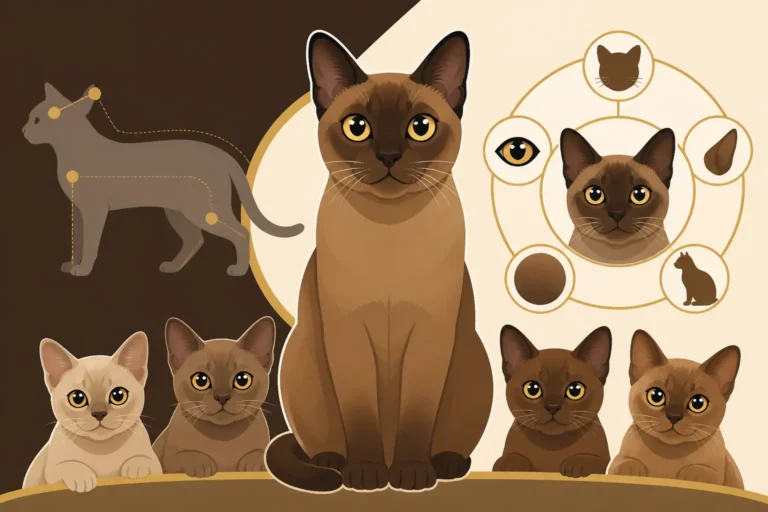
The story of the Burmese breed is a fascinating one, marked by a divergence that created two distinct types: the American and the European Burmese. While both share a common ancestor, Wong Mau, breeders on different continents developed the lines according to slightly different ideals. In America, the focus shifted towards a rounder head, shorter muzzle, and stockier body, whereas in Europe, breeders aimed for a more moderate, elegant cat with a wedge-shaped head and expressive eyes. This divergence means you're essentially looking at two different "styles" of Burmese, and the European variety often comes with a higher price point, especially if you're in North America.
Maintaining these distinct European lines, particularly outside of Europe, involves considerable effort and expense. Breeders often need to import new bloodlines from abroad to keep their breeding pools healthy and diverse, while still adhering to the European standard. This means international travel, intricate health clearances, and sometimes quarantine for imported cats, all of which are significant financial outlays that get factored into the cost of each kitten. The smaller gene pool for European Burmese outside their native continent also limits availability, pushing prices upward. It’s a classic supply and demand scenario, coupled with the specialized care and maintenance required for these unique lines. You might find it helpful to read more about Why a European Burmese Costs Twice an American One to truly understand the historical and practical reasons behind this price difference.
The Role of Registries and Standards
Another factor influencing the price of a European Burmese kitten is how various cat registries recognize and classify these two distinct types. Major organizations like The Cat Fanciers' Association (CFA) in the US and The Governing Council of the Cat Fancy (GCCF) in the UK have different standards. CFA, for instance, primarily recognizes the American Burmese, while GCCF champions the European type. Then there's The International Cat Association (TICA), which often recognizes both, sometimes even allowing for separate categories or distinct standards.
Adhering to specific breed standards, regardless of the registry, drives up a breeder's costs. Breeders dedicated to the European type invest in showing their cats, traveling to secure championships, and ensuring their breeding stock consistently meets the rigorous criteria set forth by organizations like GCCF. This commitment to maintaining the integrity and quality of the breed, as defined by their chosen standard, isn't cheap. It involves stud fees, show entries, extensive grooming, and often flying judges to specialty shows. Even if you're simply looking for a pet, the kitten's price reflects the breeder's overall investment in their program, which is heavily influenced by these breed standards and the associated recognition. Understanding Which Registries Separate the Two Burmese Types can give you a clearer picture of this complex landscape.
Rarity and Demand in the US Market
For those in North America specifically, the European Burmese carries an added layer of expense due to its relative rarity. While popular in countries like the UK, Australia, and parts of Europe, finding a dedicated European Burmese breeder in the United States or Canada can be a challenge. The number of active breeders is significantly lower compared to those focusing on the American type. This scarcity naturally drives up demand and, consequently, the price.
When you do find a breeder of European Burmese in North America, they have often made substantial investments to establish their lines. This might involve importing foundation cats, as mentioned earlier, which isn't just about the purchase price of the cat itself, but also includes international shipping fees, import permits, customs, and sometimes quarantine periods that can stretch for weeks or even months. Each of these steps adds thousands of dollars to the breeder's overhead. These costs, combined with the limited supply of truly typey kittens, mean that you should expect to pay a premium. It truly helps to appreciate Why European Burmese Breeders Are So Few if you're struggling to locate one and understand their pricing. It's not about being exclusive; it's about the intense dedication and resources required to offer these beautiful, rarer kittens.
Initial Purchase Price Factors
Beyond the overarching reasons for the European Burmese's higher price tag, several specific factors contribute to the final amount you'll pay when acquiring your kitten. These elements are crucial for understanding what you're paying for and why a reputable breeder's price is often justified.
Breeder Reputation and Ethics
The price a breeder charges for a European Burmese kitten is often directly tied to their reputation and ethical practices. A responsible breeder invests heavily in the health, welfare, and genetic quality of their cats, and these costs are reflected in the kitten's price. This isn't just about providing food and shelter; it's about a comprehensive approach to breeding.
Firstly, reputable breeders prioritize extensive genetic testing for their breeding stock. For Burmese cats, this is particularly vital due to breed-specific health concerns. Key tests include screening for Hypokalemia (Burmese Head Defect), a debilitating neurological condition, and regular monitoring for predisposition to diabetes. These tests can be expensive, but they ensure that kittens are as healthy as possible and that genetic diseases aren't passed down. A good breeder will readily share the results of their cats' DNA panels. A breeder also invests in top-tier veterinary care for their queens, ensuring healthy pregnancies and safe deliveries. Kittens receive comprehensive vet checks, initial vaccinations, deworming protocols, and microchipping before they ever leave for their new homes. They are weaned onto high-quality, species-appropriate diets, fostering strong, healthy growth from the start. Furthermore, ethical breeders invest significant time in early socialization. Kittens are raised in a clean, stimulating home environment, handled frequently, exposed to various sounds and experiences, and are well-adjusted. This crucial period of development ensures they are confident, friendly, and ready to integrate into a family. A higher price from a reputable breeder is an investment in a kitten that has received the best possible start in life, backed by transparency and guarantees. This is why The DNA Panel a Burmese Breeder Owes You is so important, and why What a Burmese Breeder Must Test Before Any Mating should be part of your conversation with any potential breeder.
Color and Pattern Variations
While Burmese cats primarily come in four main colors (sable/brown, champagne/chocolate, blue, and platinum/lilac), and European lines expand this to include reds, creams, and torties, the influence of specific colors on price is often less pronounced than in some other breeds. However, slight variations in demand or rarity can still play a role.
In general, "standard" colors like brown (sable) are usually the most common and might be priced at the lower end of the European Burmese spectrum. Rarer colors, or those that require specific genetic pairings, might fetch a slightly higher price. For example, a platinum kitten might be less common in a litter, potentially making it a bit more expensive due to its unique appearance and the genetics required to produce it. The exact influence can vary between breeders and regional demand. It's less about a huge price jump for a particular color and more about subtle differences based on the breeder's specific lines and the overall market. So, while you might hear about How Much a Platinum Burmese Kitten Costs, remember that these variations are usually within a fairly tight range compared to the breed's overall premium.
Show Quality vs. Pet Quality
When you inquire about a European Burmese kitten, a breeder might discuss "show quality" versus "pet quality." It's important to understand that even a "pet quality" European Burmese from a reputable breeder is a purebred, healthy, and wonderfully social cat. The distinction primarily relates to how closely the kitten adheres to the detailed physical standards set by cat registries for show competition.
A "show quality" kitten or cat exhibits near-perfect conformation, head type, eye color, and coat quality according to the European Burmese breed standard. These cats are destined for the show ring or for inclusion in a breeder's future breeding program, and they command the highest prices due to their genetic excellence and potential to produce superior offspring. A "pet quality" kitten, on the other hand, might have a minor trait that, while perfectly fine for a cherished companion, would be considered a fault in the show ring. Perhaps its ears are set a fraction too wide, or its muzzle isn't quite the perfect wedge. These are aesthetic considerations and have absolutely no bearing on the cat's health, temperament, or ability to be a loving family member.
Even for a pet-quality European Burmese, the price will still be considerably higher than many other breeds due to all the factors discussed earlier—the rarity, the extensive health testing, the imported lines, and the overall dedication of the breeder. While What a Burmese Bred to the American Standard Sells For might offer a comparative perspective on the distinction between show and pet quality in the American type, the core principle remains: the cost reflects the breeder's investment in producing high-quality, well-socialized kittens, regardless of whether they're destined for a ribbon or a lap. Breeders often require a spay/neuter contract for pet-quality kittens to protect their bloodlines and prevent irresponsible breeding.
Health Screening and Genetic Guarantees
One of the most compelling reasons to choose a reputable European Burmese breeder, despite the higher cost, is the assurance of health screening and genetic guarantees. These aren't just buzzwords; they represent vital protections for both the kitten and your peace of mind as an owner.
Essential Genetic Tests and Their Cost Impact
The Burmese breed, both American and European types, is known to carry a predisposition to certain genetic conditions, making thorough health screening by breeders absolutely critical. The costs associated with these tests are a significant component of the kitten's price, but they are an investment in a healthy future for your pet.
Perhaps the most talked-about genetic condition in the Burmese is Hypokalemia, also known as Familial Episodic Hypokalemic Polymyopathy. This condition, caused by the WNK4 mutation, can lead to episodes of muscle weakness, particularly in the neck, which can be quite alarming for owners. Responsible breeders routinely test their breeding cats for this mutation, ensuring they do not breed two carriers together, which would result in affected kittens. The cost of these DNA tests is factored into the kitten's price, but it saves you potentially thousands in veterinary bills and heartache if your cat were to suffer from this condition. Understanding Hypokalemia Is the Burmese Disease With a DNA Test is crucial for any potential owner.
Beyond hypokalemia, Burmese cats also have a significantly higher risk of developing Type 2 Diabetes compared to other breeds. While not a simple genetic test like hypokalemia, responsible breeders are acutely aware of this predisposition and track the health history of their lines. They strive to breed cats with healthy lineages, and advise owners on appropriate nutrition and weight management from day one. This proactive approach, while not directly a "test" for diabetes, is part of the ethical breeder's program to mitigate risk. Learning Why a Burmese Is Four Times More Likely to Become Diabetic will underscore the importance of this careful consideration. Other general health screenings, such as heart checks for conditions like Hypertrophic Cardiomyopathy (HCM) or renal ultrasounds, may also be part of a comprehensive breeding program, further contributing to the initial cost but drastically reducing future health risks for your kitten.
Breeder Guarantees and Health Contracts
A robust health guarantee and purchase contract from a European Burmese breeder are invaluable. This isn't merely a piece of paper; it's a statement of the breeder's commitment to the health of their kittens and their willingness to stand behind their breeding program. A well-written contract should clearly outline the health guarantees provided, particularly concerning genetic defects.
Typically, a health guarantee will cover genetic and congenital conditions for a specific period, often up to one or two years of age, and sometimes even longer for life-threatening genetic issues. This means that if your kitten develops a covered condition within that timeframe, the breeder will usually offer a replacement kitten or a refund, though conditions apply. For conditions like Hypokalemia, many reputable breeders will guarantee against affected kittens, as the DNA test makes it entirely preventable. It's crucial to read this contract carefully and ask questions. Does it explicitly mention conditions relevant to the Burmese, such as Hypokalemia? Does it provide guidance on what to do if a genetic issue arises? A breeder offering a comprehensive guarantee is demonstrating confidence in their breeding practices and offering a layer of financial protection to you. Knowing Whether a Burmese Guarantee Mentions Hypokalemia is an excellent point to discuss with any breeder you consider. This level of transparency and accountability is a key differentiator between a reputable breeder and one who may be cutting corners.
Initial Vet Visits and Vaccinations
When you bring your European Burmese kitten home, it should already have a solid foundation of initial veterinary care. These services are typically included in the kitten's purchase price but represent significant costs for the breeder. This includes multiple health checks by a licensed veterinarian, ensuring the kitten is free from obvious illness or congenital defects.
Your kitten will also have received its initial series of core vaccinations, protecting against common feline diseases such as feline panleukopenia (distemper), feline herpesvirus, and feline calicivirus. Depending on the breeder's protocol and your local regulations, they may have also received their first rabies vaccination. They will have undergone deworming treatments appropriate for their age and often external parasite prevention. Finally, all reputable breeders microchip their kittens before they go to their new homes. This tiny, permanent ID chip is invaluable for reuniting lost pets with their owners. While it's a small object, the registration and insertion are part of the initial vet costs. These comprehensive early health interventions set your kitten up for a healthy start, reducing immediate vet expenses for you. When you take your new kitten for its first check-up with your own vet, you'll bring all this documentation. This initial health foundation, often meticulously documented in a health record, means you’re not starting from scratch. It's why Why a Burmese Kitten Needs an Early Vet Check is a non-negotiable step in a reputable breeder's process.
Ongoing Care and Lifetime Expenses
The initial purchase of a European Burmese kitten is just the beginning of your financial commitment. Owning one of these loving, playful cats means budgeting for a lifetime of high-quality care, which encompasses everything from their daily meals to routine vet visits and enrichment.
The Cost of a High-Quality Diet
When it comes to feeding a European Burmese, you'll quickly learn that it's not just about filling a bowl; it's genuinely a medical decision. Due to their genetic predisposition to Type 2 Diabetes, a high-protein, low-carbohydrate diet is paramount for this breed. This is where your food budget will likely see a significant increase compared to many other cat breeds.
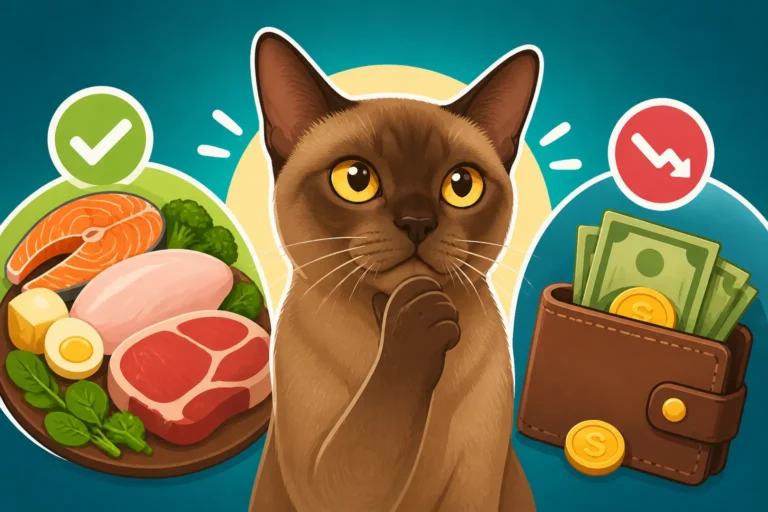
Dry kibble, while convenient and often cheaper, is typically high in carbohydrates, which can be detrimental to a Burmese's metabolic health over time. Instead, veterinarians and breeders strongly recommend a diet primarily consisting of high-quality wet food, which is naturally lower in carbohydrates and higher in protein. This type of food costs more per serving than dry kibble, but it's an investment in your cat's long-term health and a key preventative measure against diabetes. Think of it as proactive healthcare delivered at mealtime. Many owners find themselves navigating different brands and formulas to find the perfect balance of nutrition, palatability, and cost. Online retailers like Chewy offer a vast selection of premium wet foods, making it easier to compare options and find what works best for your Burmese. Remember, Feeding a Burmese Is a Medical Decision, Not a Preference, and understanding Why Carbohydrate Load Matters More in a Burmese will help you prioritize this recurring expense. It's a daily commitment that can significantly influence your Burmese's health and lifespan.
Routine Veterinary Care and Preventative Measures
Even with a healthy, well-bred European Burmese, ongoing routine veterinary care is essential. These annual check-ups, vaccinations, and preventative measures are crucial for detecting potential health issues early and maintaining your cat's overall well-being. Expect at least one comprehensive veterinary visit per year for an adult Burmese.
During these annual visits, your vet will perform a thorough physical examination, check weight, listen to heart and lungs, and assess overall condition. Booster vaccinations will be administered as needed, along with recommendations for parasite prevention (fleas, ticks, and internal worms). As your Burmese ages, your vet might suggest routine bloodwork, including a yearly glucose check, given their diabetes risk. One particular area of concern for Burmese cats is their dental health; they are prone to developing gum disease and tooth resorption earlier than many other breeds. This means that regular dental cleanings under anesthesia may be required every few years, which can be a significant expense. Neglecting dental care can lead to painful infections and other systemic health problems. Budgeting for these routine visits and potential dental procedures is a non-negotiable part of responsible ownership. It's worth considering How Often a Burmese Needs a Dental as a part of your long-term financial planning for the breed.
Enrichment and Environment
Burmese cats are incredibly intelligent, active, and social creatures, often described as having a "dog-like" personality. This means they require significant mental and physical enrichment to stay happy, healthy, and out of trouble. Failing to provide this can lead to boredom, anxiety, and destructive behaviors, which can themselves incur costs in damaged furniture or vet bills for stress-related issues.
You'll need to invest in a variety of durable toys that can withstand their playful nature. Think puzzle feeders to engage their minds, wand toys for interactive play sessions, and robust balls for their renowned retrieving skills. Vertical space is also vital; sturdy cat trees, wall-mounted shelves, and scratching posts offer opportunities for climbing, observing their domain, and fulfilling their natural instincts. While you might try to save money by opting for cheaper alternatives, a well-built cat tree that can handle a muscular Burmese’s acrobatics is a worthwhile investment. Many Burmese owners find that the best "enrichment" for their highly social cat is another cat, ideally another Burmese or a similarly playful breed. This is why Why Burmese Breeders Sell Them in Pairs is often a recommendation – two cats can keep each other company, reducing the risk of separation anxiety and related issues, but it also means doubling some of your ongoing expenses. Even at an advanced age, A Burmese Is Still Playing at Fifteen, so their need for environmental enrichment doesn't diminish.
Insurance and Emergency Funds
Even with the best breeding, diet, and routine care, unexpected health issues can arise, or accidents can happen. For a European Burmese, given their specific breed predispositions, having a financial safety net in place is not just wise; it's arguably essential.
The Value of Pet Insurance for a Burmese
Pet insurance can be a literal lifesaver for a European Burmese owner, significantly mitigating the financial strain of unforeseen veterinary emergencies or chronic illnesses. Given the breed's known predispositions, such as Type 2 Diabetes and the potential for Hypokalemia (even with careful breeding, there are always other health risks), having insurance can provide immense peace of mind.
Most pet insurance policies work by reimbursing you for a percentage of your vet bills after you've met a deductible. Providers like Healthy Paws offer comprehensive plans that can cover accidents, illnesses, surgeries, emergency care, and even genetic conditions, provided they aren't pre-existing. It's crucial to enroll your Burmese kitten in a policy as early as possible. Why? Because pet insurance typically excludes pre-existing conditions. If your cat develops diabetes before you have insurance, or if you purchase a policy after a diagnosis, that specific condition will likely not be covered. For a breed with a higher diabetes risk, securing a policy while they are young and healthy can protect you if they develop the condition later in life. While some policies might write out breed-specific conditions, many reputable insurers offer excellent coverage. Understanding Whether a Diabetic Burmese Can Be Insured will help you navigate your options and choose a policy that truly benefits your cat. The monthly premium might seem like another ongoing cost, but it can save you thousands of dollars in a crisis.
Budgeting for Diabetes Management
Despite all preventative measures, a European Burmese could still develop diabetes. If this happens, you need to be prepared for a significant increase in ongoing costs, which can become a major financial commitment for many years. Managing feline diabetes is a daily, often twice-daily, routine that involves strict adherence to a specific diet and regular insulin injections.
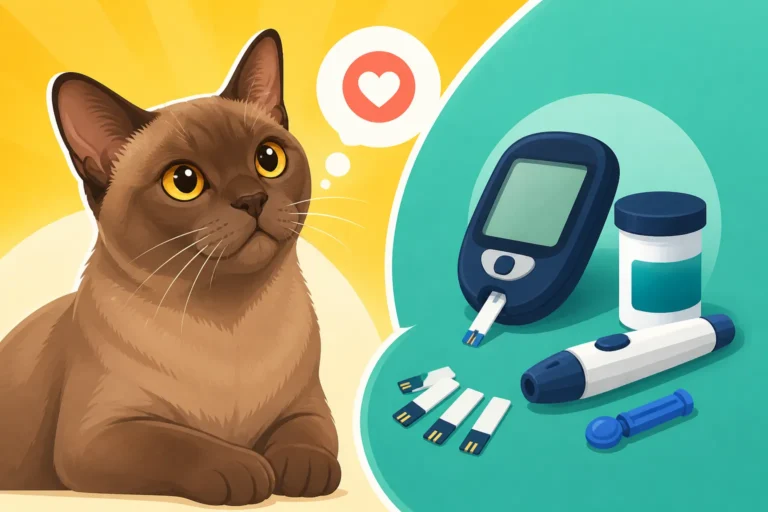
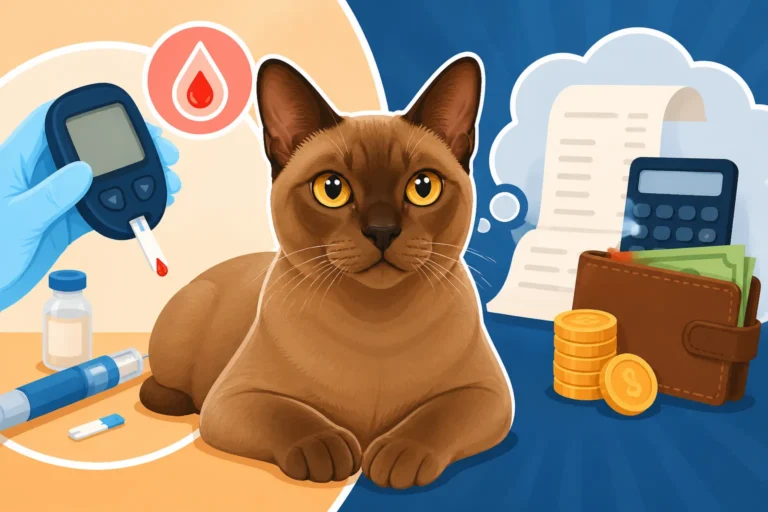
The expenses for managing a diabetic Burmese include the cost of insulin, which needs to be purchased regularly, and disposable insulin syringes. You'll also need a glucometer and test strips to monitor blood glucose levels at home, which your vet will teach you how to do. The specialized low-carbohydrate wet food mentioned earlier becomes even more critical and might be a prescription diet, which can be more expensive than commercial options. Regular vet visits for glucose curves, fructosamine tests (to measure average blood glucose over time), and general health checks will also increase in frequency. Initially, there might be significant costs associated with stabilizing your cat's glucose levels. These combined expenses can easily add up, making a significant impact on your monthly budget. Being aware of What Diabetes Costs a Burmese Owner a Year is essential for responsible planning. It’s a reality that, for this breed, Why the Diabetes Risk Belongs in a Burmese Budget from the very start.
Creating an Emergency Fund
While pet insurance is invaluable, it doesn't cover everything, and there are always deductibles and co-pays. This is why having a dedicated emergency fund, separate from your insurance, is an incredibly smart financial move for any pet owner, especially with a European Burmese. This fund acts as a buffer for unexpected costs not fully covered by insurance, or for situations where immediate funds are needed before insurance reimbursement.
An emergency fund can cover things like the deductible on your insurance policy, specialized treatments that might have higher co-pays, or even non-medical emergencies like urgent pet-sitting if you suddenly have to travel. For a breed with known health predispositions, even if insured, complications can arise, or conditions not explicitly covered could surface. For instance, while hypokalemia is often preventable with testing, other sudden muscle or neurological issues might occur, requiring diagnostics and treatment. Having readily accessible savings ensures that you can make medical decisions based on your cat's best interest, rather than being constrained by immediate financial limitations. It provides a vital safety net, allowing you to focus on your cat's recovery without the added stress of a looming vet bill.
Considerations Beyond Monetary Cost
Beyond the tangible financial investments, owning a European Burmese kitten involves significant commitments that are not measured in dollars but are equally, if not more, important. These are the "costs" of time, emotion, and dedication that truly define responsible pet ownership for this unique breed.
Time Commitment and Social Needs
The European Burmese is affectionately known as the "Velcro cat" of the feline world, and for good reason. These cats are incredibly social, affectionate, and demand a significant amount of human interaction and companionship. This means that a European Burmese is not a cat you can leave alone for long stretches of time and expect to thrive.
Their intense need for companionship translates directly into a substantial time commitment on your part. They will follow you from room to room, demand lap time, shoulder rides, and engage you in play. If you work long hours outside the home or have a lifestyle that often takes you away, you must seriously consider whether a European Burmese is the right fit. A lonely Burmese can quickly develop separation anxiety, which can manifest as destructive behaviors like chewing inappropriate items, inappropriate urination, or excessive vocalization. These behaviors are not just annoying; they are signs of a distressed cat. Many breeders strongly recommend adopting two Burmese kittens together, or ensuring another highly social pet is in the home, to help fulfill this constant need for company. While this doubles some monetary costs, it often reduces the "cost" of anxiety and behavioral issues in the long run. Understanding Why a Burmese Cannot Be Left Alone All Day is critical for making an informed decision about this breed. Their need for you isn't just a preference; it's a fundamental part of their well-being.
The Emotional Investment
Bringing a European Burmese into your home means preparing for a profound emotional investment. These cats bond deeply with their families, often forming attachments that are incredibly intense and reciprocal. They are not aloof or independent; they become integral members of your household, keenly attuned to your moods and always seeking connection.
This deep bond, while incredibly rewarding and enriching, comes with its own emotional "costs." Their well-being becomes a central concern in your life. You'll find yourself making decisions based on their needs, adjusting your schedule to accommodate their desire for play or cuddle time, and feeling their joy and sorrow as if it were your own. Witnessing them sick or in pain is heartbreaking, and the emotional toll of making difficult medical decisions can be immense. The reward, of course, is unparalleled: unconditional love, constant purrs, and a warm, furry companion who never fails to greet you. But be ready for this emotional depth; it's a commitment that touches your heart and mind, shaping your daily life in wonderful, yet demanding, ways.
Long-Term Commitment
Finally, the purchase of a European Burmese kitten is a commitment that typically spans well over a decade, and often much longer. These cats are known for their remarkable longevity, with many living to 16, 18, or even 20 years with proper care. This means that your initial cost is truly just a tiny fraction of a very long journey.
A long lifespan means you need to consider financial planning not just for their playful kittenhood and active adult years, but also for their senior years. Just like humans, older cats often require more frequent veterinary check-ups, specialized diets, and potentially medications for age-related conditions such as arthritis, kidney disease, or hyperthyroidism. These senior care costs can accumulate, and it's essential to factor them into your long-term budget. The commitment is for their entire life, through all its stages, ensuring they receive the love, care, and medical attention they need until their very last day. When considering a European Burmese, you're not just getting a kitten for a few years; you're gaining a lifelong companion. Taking a moment to consider The Sixteen to Eighteen Years a Well Bred Burmese Gets helps put the entire journey into perspective, as does understanding What a Burmese Costs Over Sixteen Years when you consider all the cumulative expenses.
European Burmese Kitten Costs at a Glance
To help you visualize the different types of costs associated with acquiring and raising a European Burmese kitten, here's a general overview. Remember, these categories reflect the types of expenses, not specific figures, which can vary widely.
| Cost Category | Description | Frequency | Key Considerations |
|---|---|---|---|
| Initial Purchase | The upfront price paid to the breeder for the kitten. Reflects breeding program costs, health testing, initial vet care, pedigree, and rarity. | One-time | Varies significantly based on breeder reputation, location, pedigree, adherence to European standard, and whether the kitten is pet or show quality. Expect a premium for European lines, especially in North America. |
| Setup Costs | Essential items needed before the kitten comes home: carrier, litter boxes, scratching posts, initial toys, food bowls, bedding, initial supply of high-quality food. | One-time | Quality over quantity. Durable items reduce replacement costs. Consider size for a muscular adult Burmese. |
| High-Quality Diet | Ongoing expense for premium, high-protein, low-carbohydrate wet food, critical for preventing diabetes in Burmese cats. | Monthly | This is a medical decision. Budget more than for typical dry kibble. |
| Routine Vet Care | Annual check-ups, booster vaccinations, parasite prevention, and potential dental cleanings. | Annually | Increases as the cat ages. Dental care is particularly important for Burmese. May include routine bloodwork for diabetes monitoring. |
| Enrichment & Toys | Replacements for worn-out toys, new puzzle feeders, catnip, scratching post refills, or additions to vertical climbing structures. | Ongoing/As needed | Important for mental and physical health; prevents boredom and destructive behavior. Consider a second Burmese for companionship. |
| Litter & Supplies | Purchase of cat litter, litter box liners, and cleaning supplies. | Monthly | Factor in the size of the litter box needed for a large cat and potential increased usage if your cat develops diabetes. |
| Pet Insurance | Monthly premiums for comprehensive pet health insurance. | Monthly | Crucial for mitigating costs of accidents and illnesses. Enroll early to avoid pre-existing condition exclusions, especially for diabetes risk. Providers like Healthy Paws can offer peace of mind. |
| Emergency Fund | Savings set aside for unexpected vet bills, deductibles, co-pays, or other unforeseen expenses not fully covered by insurance. | As needed | Provides financial flexibility in a crisis, allowing you to prioritize your cat's health without financial stress. |
| Diabetes Management (if applicable) | Ongoing costs for insulin, syringes, glucose monitoring equipment, and prescription diabetic diets if your Burmese develops diabetes. Includes more frequent vet visits. | Monthly | Can be a significant long-term expense. Highlights the importance of preventative diet and early insurance. |
| Senior Care | Increased vet visits, specialized diets, and medications for age-related conditions like arthritis or kidney disease. | Later life/As needed | Burmese are long-lived, so plan for extended senior care, which often comes with higher medical expenses. |
| Pet Sitting/Boarding | Costs for someone to care for your cat(s) when you travel. | As needed | Consider the social needs of a Burmese; ideally, a sitter who spends significant time in your home, or boarding facilities that offer ample human interaction. |
Bringing a European Burmese kitten into your life is a truly wonderful experience. They offer unparalleled affection, intelligence, and playful energy that can enrich your home beyond measure. While the initial purchase price might seem steep, and the ongoing costs require careful budgeting, viewing these expenses as an investment in a healthy, well-adjusted, and long-lived companion helps put it all into perspective. By thoroughly understanding all the financial and emotional commitments upfront, you can ensure you're fully prepared to provide the exceptional care these magnificent "Velcro cats" deserve for a lifetime of cherished memories.
Disclaimer
This article is for general informational purposes only and does not constitute professional advice. Laws, prices and regulations vary by location and change over time. Consult a qualified professional for guidance on your specific situation.