Why the Diabetes Risk Belongs in a Burmese Budget
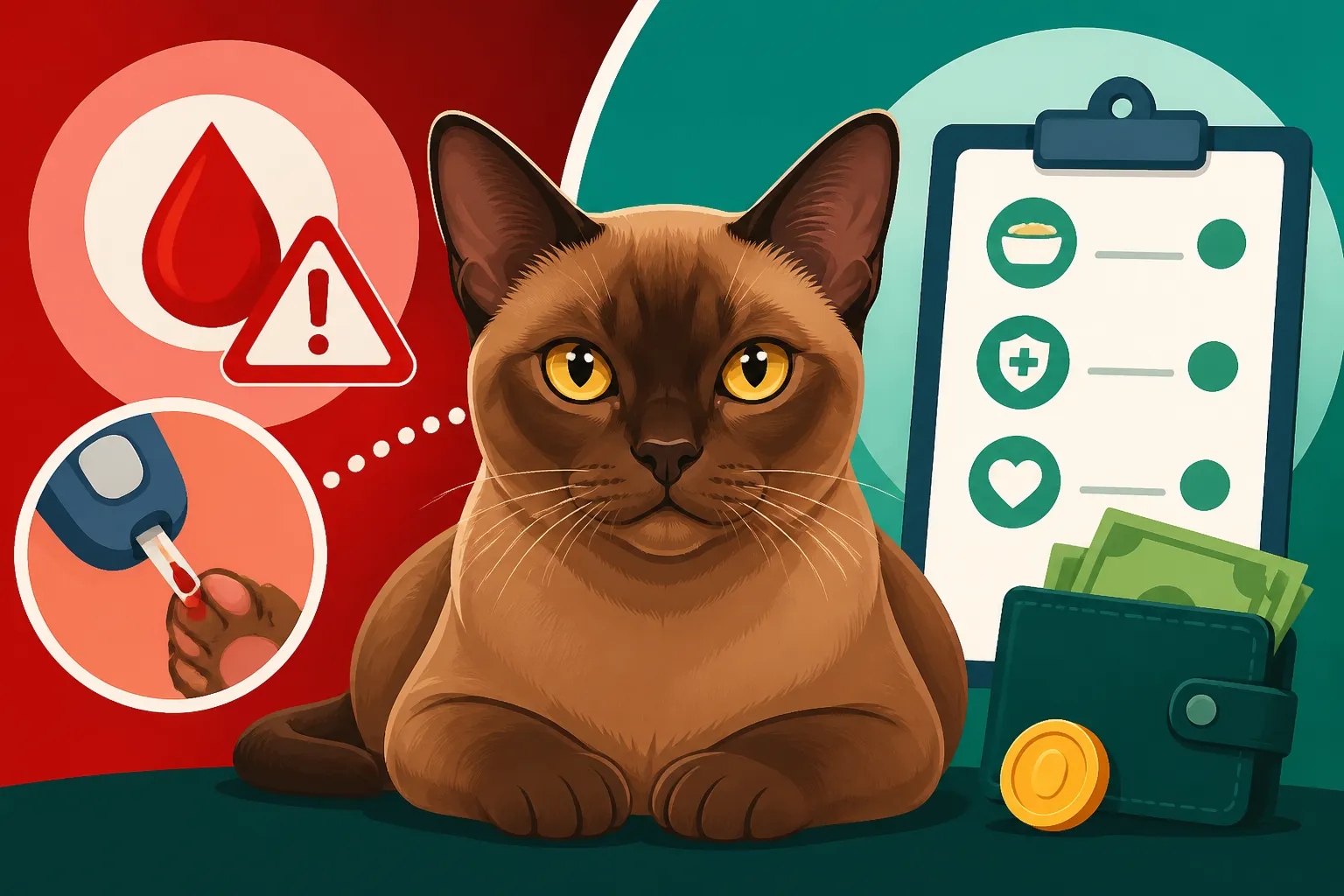
Bringing a Burmese cat into your life is an absolute joy, filled with purrs, cuddles, and an almost dog-like devotion. However, beneath that glossy, satin coat and those soulful eyes lies a breed with a well-documented predisposition to certain health issues, the most significant of which is diabetes. It’s a reality that can catch many loving owners off guard, leading to unexpected financial burdens and emotional stress if not properly understood and budgeted for. This comprehensive guide will walk you through the financial landscape of owning a Burmese cat, specifically focusing on the costs associated with their heightened diabetes risk, from prevention to diagnosis and ongoing management, helping you prepare for a long, healthy life together.
Understanding the Inherited Diabetes Risk in Burmese Cats
It’s heartbreaking to think that our beloved companions might face serious health challenges, especially when those challenges are, to some extent, written in their genes. The Burmese cat, as wonderful as they are, carries a notable predisposition to feline diabetes, making it a critical consideration for any owner. This isn't just bad luck; it's a specific genetic vulnerability that demands a proactive approach to their care and, yes, your budget.
Why the Burmese Breed is Prone to Diabetes
The scientific community has spent considerable time studying why the Burmese is so much more susceptible to diabetes than other breeds. It really comes down to a unique metabolic characteristic within the breed that can lead to insulin resistance. Think of it like this: their bodies don't process sugars quite as efficiently as other cats. Even if they produce enough insulin, their cells might not respond to it effectively, causing blood sugar levels to rise. This isn't something that happens overnight; it's a gradual process, but it's important to understand that How Diabetes Develops in a Burmese often starts long before outward signs appear. This genetic blueprint means that while diet and lifestyle play a huge role in management and even prevention, the underlying risk is always there. It's truly a distinctive feature of the breed, a nuance that sets them apart from the general cat population. Researchers have even investigated Why the Burmese Diabetes Risk Is Inherited, pinpointing specific genetic markers.
Early Warning Signs and the Importance of Vigilance
One of the most frustrating aspects of feline diabetes is how subtle the initial signs can be. Our cats are masters of disguise when it comes to illness, and a Burmese, being so affectionate and attention-seeking, might try even harder to keep their discomfort hidden. You might notice your cat drinking more water than usual, which often translates to more frequent trips to the litter box, or perhaps larger clumps of litter. They might seem hungrier, constantly asking for food, yet paradoxically, they might be losing weight. A duller coat, lethargy, or a general decrease in their usual playful antics could also be red flags. It's these seemingly minor changes that are actually critical indicators. Catching these Which Signs Come First in a Diabetic Burmese early is paramount. If you notice Why a Burmese Drinking More Needs Testing That Week, don't delay – this is one of the most common and easily observable initial symptoms. Keeping a close eye on their habits and knowing what's normal for your cat is your first and best line of defense.
The Financial Impact of Delayed Diagnosis
Delaying a vet visit when you suspect something is wrong can be tempting, especially if your cat still seems otherwise active or if you're worried about the cost. However, with diabetes, procrastination can be incredibly costly, both to your cat's health and your wallet. Untreated or poorly managed diabetes can lead to severe complications such as diabetic ketoacidosis (DKA), neuropathy (nerve damage, often seen in the hind legs), or even secondary infections. These conditions require intensive, often life-saving, emergency veterinary care, which can easily run into thousands of dollars. A simple diagnostic panel early on is a fraction of the cost of an emergency hospitalization. Moreover, the longer diabetes goes unchecked, the more difficult it becomes to regulate, potentially requiring more complex and expensive treatment protocols in the long run. Thinking of it as an investment in early detection rather than an unavoidable expense can save immense stress and expense down the line.
Initial Diagnostic Costs: Uncovering the Truth
So, you've noticed some changes, perhaps a bit more thirst, or that nagging feeling that something just isn't quite right. Your next step, and perhaps the most important one, is a trip to the vet. This initial phase of diagnosis is where the financial implications of diabetes begin to appear, but it's absolutely crucial for getting your Burmese the help they need.
The Routine Vet Visit and Initial Bloodwork
When you bring your Burmese to the vet with concerns about increased thirst or urination, the first step will typically be a thorough physical examination. Your vet will listen to their heart and lungs, palpate their abdomen, and check their overall body condition. This is often followed by a basic diagnostic work-up. This usually includes a urinalysis, which can detect glucose in the urine – a strong indicator of diabetes – and a basic blood panel. The blood panel will measure glucose levels, kidney function, and liver enzymes. These initial tests are standard procedure for most vets and are designed to either confirm suspicion or rule out other conditions that might present with similar symptoms. Understanding How a Vet Confirms Diabetes in a Burmese involves a combination of these clinical signs and laboratory results. Many vets also routinely check Why a Burmese's Glucose Should Be Checked From Seven years of age, recognizing the breed's vulnerability.
Specialized Diagnostic Tests: Beyond the Basics
Sometimes, the initial blood glucose reading might be elevated due to stress – a common phenomenon in cats, often referred to as "stress hyperglycemia." This can make a definitive diagnosis tricky. To circumvent this, your vet will likely recommend a fructosamine test. This clever test measures the average blood glucose level over the previous two to three weeks, giving a much more accurate picture of your cat's long-term glucose control, unaffected by the immediate stress of a vet visit. It's a non-negotiable step in confirming feline diabetes. What a Fructosamine Test Shows in a Burmese is invaluable because it provides a reliable historical average, allowing your vet to confirm whether the elevated glucose is indeed chronic or just a temporary spike. Depending on the individual case, other tests might include a complete blood count or additional organ function panels to check for any secondary complications or co-existing conditions.
The Cost of a Comprehensive Glucose Curve
Once diabetes is confirmed, the next crucial step is often a glucose curve. This involves taking multiple blood samples over a period of 12 to 24 hours to track how your cat's blood sugar levels fluctuate throughout the day, especially in response to food and, eventually, insulin. This test is vital for determining the correct starting dose of insulin and establishing a baseline for ongoing management. While it can be a significant expense, often requiring your cat to spend a day at the vet's office, it provides invaluable data for tailoring a treatment plan specifically for your Burmese. Without this detailed information, guessing at insulin dosages can be dangerous and ineffective. It's an investment that sets the stage for successful long-term management, and understanding What a Full Day Glucose Curve Costs a Burmese Owner can help you prepare for this important step.
Ongoing Management: The Daily Reality of Diabetic Care
A diabetes diagnosis might feel overwhelming, but it's important to remember that it's a manageable condition, albeit one that requires significant commitment. The costs don't end with diagnosis; in many ways, they've just begun. Daily management involves a cocktail of insulin, dietary changes, and vigilant monitoring, all of which have their own budgetary implications.
Insulin Therapy: A Lifelong Commitment
For most diabetic Burmese cats, insulin injections become a daily, often twice-daily, reality. The cost of insulin itself can vary depending on the type and brand prescribed, but it's a recurring expense you'll need to factor in. Beyond the insulin, you'll need a steady supply of insulin syringes, which are typically very fine-gauge needles to minimize discomfort for your cat. Your vet will guide you on How a Diabetic Burmese Is Started on Insulin and teach you the correct technique for administering injections at home. It might seem daunting at first, but most owners quickly become adept. The frequency of injections, usually How Often a Diabetic Burmese Is Injected, means you'll go through supplies regularly. It's a non-negotiable part of their care, and budgeting for these supplies monthly is essential.
Dietary Management: Food as Medicine
One of the most powerful tools in managing feline diabetes, and even putting some cats into remission, is diet. Burmese cats, particularly those with diabetes, thrive on a high-protein, low-carbohydrate wet food diet. This mirrors their natural carnivorous diet and helps stabilize blood sugar levels. Switching to a prescription diabetic diet or a high-quality, low-carb commercial wet food is usually a critical part of the treatment plan. You'll quickly learn Why Low Carbohydrate Food Matters for a Burmese. These specialized foods can be more expensive than conventional kibble, and you'll often buy them in bulk from places like Chewy, which offers a wide selection of veterinary diets and makes delivery convenient. Sometimes, with strict dietary adherence and careful insulin management, some Burmese can even achieve Which Diet Puts a Burmese Into Remission, reducing or eliminating the need for insulin.
Home Monitoring and Supplies
While vet visits are essential, a significant part of diabetes management happens right at home. You'll likely be asked to monitor your Burmese's blood glucose levels using a portable glucometer, similar to what humans use. This involves a small prick, usually on the ear, to get a tiny blood sample. The initial investment in a glucometer, test strips, and lancets can be a few hundred dollars, and then the test strips become an ongoing consumable cost. Regularly monitoring How a Burmese Is Monitored on Insulin at Home allows you to track their progress, identify any highs or lows, and communicate crucial information to your vet. Some owners might question Whether a Home Glucose Meter Is Worth It for a Burmese, but the peace of mind and proactive management it allows are truly invaluable. Keeping a detailed log of these readings, alongside their food intake and insulin doses, is a cornerstone of effective home care.
Veterinary Follow-Ups and Adjustments
Treating feline diabetes isn't a "set it and forget it" situation. Your Burmese's needs will evolve, and regular communication and visits with your veterinarian are non-negotiable to ensure the treatment plan remains effective. These ongoing vet visits contribute significantly to your overall budget for a diabetic Burmese.
Regular Check-ups for Insulin Regulation
Once your Burmese is on insulin, regular follow-up appointments are crucial. Initially, these might be quite frequent, perhaps every few weeks, to perform additional glucose curves or spot checks and make necessary adjustments to the insulin dosage. Your vet will look for signs of good glucose control, assess your cat's overall health, and review your home monitoring logs. It's a delicate balancing act, and even small changes in your cat's weight or activity level can impact their insulin needs. Understanding Why a Burmese's Insulin Dose Changes as It Loses Weight is key, as weight loss is often a goal in diabetic management. As your cat stabilizes, these visits might become less frequent, perhaps every three to six months, but they will never truly go away. Each visit carries a consultation fee, plus the cost of any in-house tests.
Bloodwork and Urinalysis: Keeping an Eye on Organ Health
Diabetes can put a strain on various organ systems, particularly the kidneys and liver. For this reason, your vet will likely recommend periodic bloodwork and urinalysis to monitor these vital organs. These tests help catch any secondary complications early, allowing for intervention before they become severe. For example, uncontrolled diabetes can sometimes lead to kidney disease, so monitoring kidney values is particularly important. These routine checks add to the yearly cost but are fundamental to ensuring your Burmese's overall health and well-being beyond just glucose control. Think of them as preventative maintenance for their internal systems.
Emergency Situations and Hospitalization Costs
Despite the best home care, diabetic cats can experience emergencies. The two most common are hypoglycemia ( dangerously low blood sugar) and diabetic ketoacidosis (DKA, a severe complication of uncontrolled high blood sugar). What a Hypoglycemic Burmese Looks Like can include disorientation, weakness, seizures, or even unconsciousness. DKA, on the other hand, presents with severe lethargy, vomiting, and a distinct odor to their breath. Both require immediate veterinary attention and often involve hospitalization, intravenous fluids, intensive monitoring, and specialized medications. These emergency situations are typically the most expensive aspect of diabetic care, often running into several thousands of dollars for even a few days of critical care. This is where a robust emergency fund or comprehensive pet insurance can be a lifesaver.
The Role of Nutrition in Diabetes Prevention and Management
We've touched on diet in terms of management, but it's so fundamental to the Burmese cat's health – especially regarding diabetes – that it deserves its own dedicated discussion. For this breed, food isn't just fuel; it's a primary component of their medical care, both preventatively and therapeutically.
Why Portion Control Is Paramount
The Burmese cat is famous for its robust, muscular build, often described as a "brick wrapped in silk." They also have an insatiable appetite, making them prone to weight gain. However, obesity is a massive risk factor for diabetes in cats, particularly in breeds like the Burmese that are already genetically predisposed. This is Why Portion Control Is Medical Care in a Burmese – it's not about denying them food, but giving them precisely what they need, not what they ask for. Every gram counts. An overweight Burmese is significantly more likely to develop diabetes, and understanding How Much Weight Raises a Burmese's Diabetes Risk can be a stark reminder of the importance of this aspect of care. It means meticulous measurement of food, never free-feeding, and resisting those pleading eyes when they beg for more. It's tough, but it's essential.
Choosing the Right Food for a Diabetes-Prone Burmese
Beyond quantity, the quality and composition of your Burmese's diet are crucial. For a breed with a predisposition to diabetes, a diet low in carbohydrates and high in protein is not just a suggestion; it's a medical recommendation. This means prioritizing wet food over dry kibble, as kibble often contains high levels of carbohydrates that can spike blood sugar. Many commercial wet foods are suitable, but looking for those explicitly labeled "low carbohydrate" or "diabetic friendly" is ideal. Your vet can guide you on specific brands or prescription diets. While these foods might come with a higher price tag per can or pouch, consider it an investment in their health. Knowing Which Wet Food Suits a Diabetes Prone Burmese can dramatically impact their blood sugar regulation and even their chance of remission. Online retailers like Chewy often have comprehensive filters for dietary needs, making it easier to find appropriate options, and subscriptions can sometimes offer a slight discount.
The Long-Term Savings of a Proactive Diet
It might seem counterintuitive to spend more on cat food, but a proactive, high-quality, low-carbohydrate diet can lead to significant long-term financial savings. By maintaining an ideal body weight and stable blood sugar through diet, you can potentially prevent or delay the onset of diabetes entirely. Even if your Burmese does develop diabetes, a proper diet can help stabilize the condition, potentially reducing the required insulin dosage, minimizing vet visits for complications, and extending their healthy lifespan. The cost of specialized food, while higher than generic brands, pales in comparison to the recurring expenses of insulin, syringes, vet visits, and emergency care for an uncontrolled diabetic cat. It's a true example of "an ounce of prevention is worth a pound of cure."
Insurance and Financial Planning for Burmese Cat Owners
Given the significant and potentially ongoing costs associated with managing a chronic condition like diabetes in a Burmese, sound financial planning is not just advisable; it's almost a necessity. Thinking ahead can provide immense peace of mind and ensure you can always provide the best care for your beloved companion.
Understanding Pet Insurance and Diabetes Coverage
Pet insurance can be a huge help, but it's crucial to understand how it works, especially concerning pre-existing conditions. Most pet insurance policies, including those from providers like Healthy Paws, will not cover conditions that were diagnosed before the policy began or during a waiting period. This means that if your Burmese is diagnosed with diabetes before you get insurance, or if symptoms appear during the waiting period, that specific condition will likely be excluded from coverage. This is Why a Burmese's Insurance Should Start Before Symptoms show up. Therefore, the ideal time to get pet insurance for a Burmese is when they are a healthy kitten, ensuring that any future diagnosis of diabetes or other hereditary conditions will be covered. While it's an added monthly expense, the potential for thousands of dollars in medical bills can make it a worthwhile investment. Review policies carefully to understand exactly what they cover for chronic conditions.
Savings Accounts and Emergency Funds
Even with pet insurance, there are often deductibles, co-pays, and conditions that might not be fully covered. This is where a dedicated savings account or emergency fund specifically for your cat's health comes into play. Setting aside a small amount each month, even just $20-$50, can accumulate into a substantial fund over time. This provides a safety net for unexpected vet visits, emergency care, or those expenses that insurance might not cover. For a breed like the Burmese, with known health predispositions, this financial cushion is even more important. It means you won't have to make difficult decisions based solely on cost during a stressful medical crisis.
Long-Term Financial Projections for a Diabetic Burmese
When we talk about owning a Burmese, we're talking about a commitment that can last well over a decade, sometimes The Sixteen to Eighteen Years a Well Bred Burmese Gets. If diabetes becomes a part of that journey, the financial commitment deepens considerably. Let's look at a hypothetical projection of potential annual costs related to diabetes, understanding that actual figures vary widely based on location, vet fees, and the severity of the condition.
| Category | Annual Cost Shape (without diabetes) | Annual Cost Shape (with diabetes) |
|---|---|---|
| Routine Vet Visits | Moderate | Moderate to High (more frequent) |
| Specialized Diagnostics | Low (preventative bloodwork) | High (glucose curves, fructosamine) |
| Insulin & Syringes | None | High (recurring) |
| Diabetic-Friendly Food | Moderate (premium wet food) | High (prescription/specialty diet) |
| Home Monitoring Supplies | None | Moderate (test strips, lancets) |
| Emergency Care | Variable | Very High (higher risk) |
| Pet Insurance Premiums | Moderate | Potentially higher (if diagnosed after policy starts, could be excluded) |
| Total Annual Impact | Moderate | Significantly Higher |
This table illustrates that while owning any pet has costs, the presence of diabetes elevates many categories. Knowing What Diabetes Costs a Burmese Owner a Year can help you properly prepare your budget. Factor in that a well-managed diabetic Burmese can still live a good long life, with How Long a Diabetic Burmese Lives potentially being many years after diagnosis, meaning these ongoing costs will be a long-term commitment.
Lifestyle Adjustments and Their Hidden Costs
Beyond the direct medical and dietary expenses, owning a diabetic Burmese often necessitates adjustments to your daily life and home environment. These changes, while not always having a direct dollar amount, represent a significant investment of time, effort, and emotional energy.
Time Commitment and Schedule Rigidity
Managing a diabetic cat demands a high level of consistency and commitment. Insulin injections usually need to be given at precise times, twice a day, every day, often 12 hours apart. This means your schedule needs to revolve around your cat's feeding and injection times. Spontaneous weekend trips or long workdays become more complicated, as finding a reliable pet sitter who is comfortable administering injections can be challenging and costly. Missing a dose or administering it incorrectly can have serious health consequences. This rigid schedule can impact your social life, work flexibility, and travel plans, which, while not a direct financial cost, certainly has a "cost" in terms of personal freedom and convenience.
Adapting the Home Environment
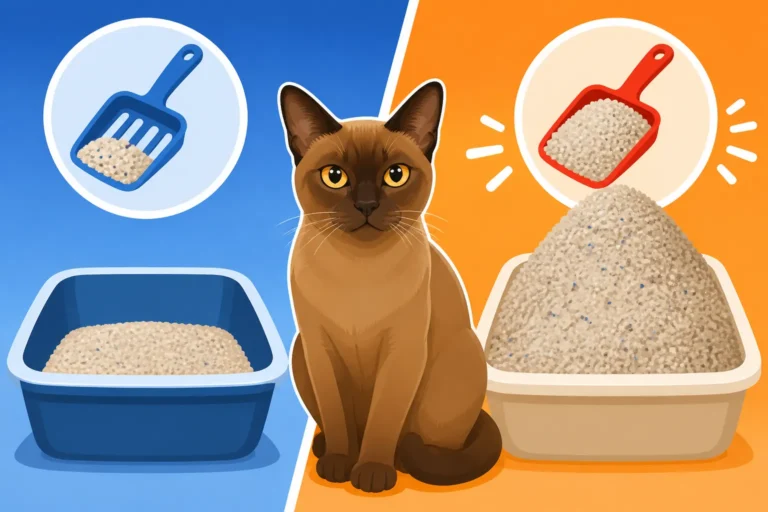
A diabetic Burmese often requires some minor adjustments to the home. For example, increased urination is a common symptom, meaning you might need to provide extra litter boxes or scoop existing ones more frequently. Why a Diabetic Burmese Needs a Bigger Box is due to increased volume of urine and frequency of use; a cramped box can lead to accidents outside the tray. You might also find your Burmese seeking out warm spots more often, especially if their health isn't optimally regulated, so ensuring they have access to comfortable, heated beds or blankets is a good idea. Why a Burmese Seeks Out the Warmest Spot can be a symptom of feeling unwell or simply enjoying comfort, and for a short-coated breed, warmth is often a priority. While these are relatively minor physical changes, they speak to an increased awareness and attentiveness to your cat's comfort and health needs.
The Emotional Toll and Support Systems
Perhaps the most significant "hidden cost" of owning a diabetic Burmese is the emotional toll it can take. The initial shock of diagnosis, the daily stress of injections, the worry about blood sugar fluctuations, and the constant vigilance can be mentally and emotionally draining. It's okay to feel overwhelmed; you're not alone. Seeking support from your veterinary team, who can offer practical advice and reassurance, is invaluable. Many online communities and forums for owners of diabetic cats also exist, offering a space to share experiences, ask questions, and find encouragement. Recognizing and addressing your own emotional needs is as important as caring for your cat, ensuring you can sustain the long-term commitment required.
Preventing Diabetes: Investing in a Healthy Future
While the focus of this guide is on budgeting for the risk of diabetes, it's equally important to discuss prevention. While genetics play a role in Burmese cats, informed choices and proactive care can significantly reduce the likelihood of your cat developing this costly and challenging condition. Investing in prevention truly is the best financial strategy.
Responsible Breeding Practices and Genetic Testing
Although feline diabetes in Burmese cats isn't linked to a single, simple genetic marker that breeders can test for and eliminate, responsible breeding still plays a critical role. Breeders should prioritize overall health, temperament, and adherence to breed standards. They should be transparent about any health issues in their lines, especially diabetes history, and ideally aim to produce cats with good metabolic health. While there isn't a specific "diabetes test" like there is for other conditions, asking about the health history of the breeding pair and their ancestors can provide some insight. A responsible breeder will conduct a full DNA panel on their breeding cats for known hereditary conditions. This is part of What a Burmese Breeder Must Test Before Any Mating, ensuring the healthiest possible offspring.
Maintaining Ideal Body Condition Throughout Life
As repeatedly emphasized, weight management is your most potent weapon against feline diabetes in a Burmese. This means starting good habits from kittenhood and continuing them consistently. Regular, measured feeding of a high-quality, low-carbohydrate wet diet is paramount. You need to know How to Weigh a Burmese Accurately at Home – ideally weekly – and adjust their portions as needed to keep them at a lean, healthy weight. You should be able to easily feel their ribs without seeing them, and they should have a discernible waist. Remember Why Portion Control Is Medical Care in a Burmese and not just a preference. It's about being proactive and consistent, making sure those extra pounds never have a chance to accumulate. This preventative measure is perhaps the most impactful in saving future diabetes-related costs.
Regular Vet Checks: Your Best Defense
Consistent veterinary care is fundamental to prevention. Beyond annual check-ups, ensuring your vet is aware of the Burmese breed's diabetes predisposition allows them to pay closer attention to relevant indicators. From approximately seven years of age, or even earlier for a Burmese, Why a Burmese's Glucose Should Be Checked From Seven becomes an essential part of their routine bloodwork. These regular checks, even when your cat seems perfectly healthy, can catch subtle changes in blood values that might indicate a developing issue, allowing for early intervention. Knowing How Often a Healthy Adult Burmese Needs Checking is a good guideline, but for a diabetes-prone breed, extra vigilance is key. These ongoing, relatively small investments in preventative care are your best bet for a long, healthy, and diabetes-free life for your cherished Burmese.
Disclaimer
This article is for general informational purposes only and does not constitute professional advice. Laws, prices and regulations vary by location and change over time. Consult a qualified professional for guidance on your specific situation.