Why an Adult Burmese Comes With Its Glucose History
Bringing an adult cat into your home is a wonderful, enriching experience, but it comes with a unique set of considerations. For Burmese cat owners, one of the most vital, yet often overlooked, pieces of information is their new companion's glucose history. Many people are unaware that this beloved breed carries a significantly higher risk of developing diabetes, making an understanding of their past glucose levels absolutely essential for their future health and well-being. This comprehensive guide will illuminate why securing an adult Burmese's glucose history is not just helpful, but critical, enabling you to proactively manage their health and enjoy many happy years together.
Understanding the Burmese's Unique Diabetes Predisposition
The Burmese cat is renowned for its captivating personality, silky coat, and deep affection, often described as a "dog in a cat's body." However, beneath that charming exterior lies a genetic predisposition that makes them four times more likely to develop diabetes than other breeds. This isn't just a casual risk; it's a significant health factor that every potential Burmese owner needs to understand and respect. Ignoring this inherent vulnerability is like buying a car with a known engine issue and hoping for the best – it rarely ends well.
The Genetic Link: More Than Just Bad Luck
It's not merely bad luck that puts the Burmese at such high risk for diabetes. Extensive research, particularly studies focusing on Australian and European Burmese lines, has identified specific genetic markers that contribute to this heightened susceptibility. This isn't just a theory; it's a scientifically established fact. These cats have a unique metabolism that doesn't handle carbohydrates as efficiently as other breeds, making them incredibly sensitive to dietary choices and weight gain.
Think of it this way: while any cat can develop diabetes, for a Burmese, it's almost as if their metabolic system is already halfway there, waiting for the right triggers. This genetic inheritance means that prevention and early detection are not just good practices; they are absolute necessities. Understanding Why the Burmese Diabetes Risk Is Inherited is the first step in responsible ownership.
How Age and Weight Increase the Risk
While genetics lay the groundwork, age and weight are the primary catalysts that often push a Burmese from predisposition to full-blown diabetes. As Burmese cats age, their metabolism naturally slows down, and their ability to process sugars can become even more impaired. This means that a diet or lifestyle that might have been marginally acceptable in their younger years can become dangerously problematic as they mature.
Weight, however, is the single biggest lever an owner has. An overweight Burmese is significantly more likely to become diabetic. Just a few extra pounds can tip the scales, putting immense strain on their pancreatic function. We're not talking about a little "chubbiness" that many cat owners might find endearing; we're talking about a serious health threat. Even a slight increase in body condition score can drastically elevate their risk, and unfortunately, How Much Weight Raises a Burmese's Diabetes Risk might surprise you. This is why careful weight management, often through portion control, becomes a form of medical care for this breed.
The Silent Onset: Early Signs Often Missed
One of the most insidious aspects of diabetes in cats, particularly the Burmese, is its often silent onset. Early signs can be incredibly subtle and easily mistaken for normal aging or minor behavioral quirks. You might notice your cat drinking a little more water, or perhaps they seem a touch hungrier than usual. They might even appear to be losing weight despite eating more, which seems counterintuitive but is a classic sign as their body struggles to process nutrients.
The problem is, by the time these signs become undeniably obvious – such as excessive thirst or frequent urination – the disease is usually well-established. This is why a proactive approach, including regular veterinary check-ups that specifically monitor for diabetes, is crucial for a Burmese, especially as they get older. If you're wondering Which Signs Come First in a Diabetic Burmese, pay close attention to subtle shifts in their water intake and appetite, as these can be early warnings.
Why a Glucose History Is Paramount for Adult Burmese
When you adopt or rehome an adult Burmese, their past health records, especially concerning glucose, provide an invaluable roadmap. This isn't just about satisfying curiosity; it's about understanding their inherent risks and equipping yourself with the knowledge to make informed decisions about their ongoing care. Without this history, you're essentially flying blind, potentially missing crucial opportunities for early intervention or even prevention.
Preventing and Managing the Disease Proactively
Knowing an adult Burmese's glucose history empowers you to be proactive rather than reactive. If a cat has shown borderline high glucose readings in the past, or if previous owners have reported instances of increased thirst or appetite, you immediately know to implement preventative measures. This means starting them on a low-carbohydrate, high-protein diet from day one, meticulously weighing their food portions, and establishing a regular exercise routine. It's about building a lifestyle that actively works against their genetic predisposition.
Conversely, if an adult Burmese already has a diagnosis of diabetes, their glucose history is the foundation of their treatment plan. It provides insights into how well their condition has been managed, what medications or dietary interventions were previously attempted, and how they responded. This historical data allows your veterinarian to fine-tune a new treatment strategy quickly, avoiding trial-and-error that could impact your cat's health. For any cat showing signs, How a Diabetic Burmese Is Diagnosed often involves a detailed review of past health metrics.
Financial Implications of Undiagnosed Diabetes
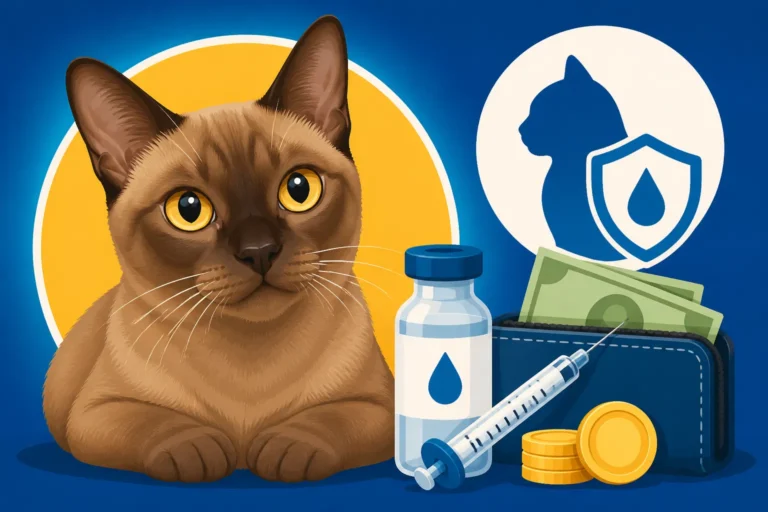
Let's be realistic: managing diabetes in a cat can be expensive, and dealing with an undiagnosed case is often even more so. The costs associated with initial diagnosis – blood tests, fructosamine tests, and potentially overnight glucose curves – can add up quickly. Once diagnosed, there are ongoing expenses for insulin, syringes, specialized diabetic food, and regular veterinary check-ups to monitor blood sugar levels. What Diabetes Costs a Burmese Owner a Year can be substantial, making foresight incredibly valuable.
If you bring home an adult Burmese without a glucose history and they develop overt diabetes shortly after, you're hit with the full financial burden without any prior warning or ability to budget. Many pet insurance policies, such as those offered by Healthy Paws, will consider diabetes a pre-existing condition if diagnosed before or soon after enrollment, meaning they may not cover the costs. Understanding the cat's history allows you to factor potential future costs into your decision and perhaps even seek out insurance options before any symptoms emerge, maximizing coverage if available.
The Emotional Toll on Owners and Cats
Beyond the financial aspect, dealing with feline diabetes takes an emotional toll. Witnessing your beloved pet struggling with a chronic illness can be heartbreaking. The daily routine of insulin injections, monitoring food intake, and constantly worrying about their blood sugar levels can be stressful and demanding. It requires immense dedication and can significantly alter your daily life.
For the Burmese cat, prolonged periods of undiagnosed or poorly managed diabetes can lead to severe complications like nerve damage (diabetic neuropathy), kidney issues, and even life-threatening conditions like diabetic ketoacidosis. These complications cause significant discomfort and suffering for the cat and create even more distress for you. Knowing their glucose history helps you avoid these painful scenarios, allowing you to establish a care regimen that prioritizes their comfort and prevents unnecessary suffering. A healthy, well-managed Burmese is a happy Burmese, and a happy owner is one who feels prepared.
What to Look For in an Adult Burmese's Glucose History
When considering an adult Burmese for adoption or rehoming, don't be shy about asking for comprehensive health records. A responsible previous owner or rescue organization should be transparent about their health history, especially given the breed's predispositions. Think of it as doing your due diligence for a family member – because that's exactly what your new Burmese will become.
Key Tests and Readings to Request
At a minimum, you should ask for records of any routine bloodwork, specifically looking for glucose values. A single high glucose reading might be due to stress (cats often get stressed at the vet, which can temporarily elevate blood sugar), but consistent readings above the normal range are a red flag. The gold standard for diabetes screening is a fructosamine test, which measures average blood glucose over the preceding two to three weeks. This provides a much more accurate picture, unaffected by short-term stress.
Here’s a simple table to help you understand common glucose-related tests and what they indicate:
| Test Name | What it Measures | Why it's Important for Burmese |
|---|---|---|
| Blood Glucose (single) | Blood sugar level at the time of the test | Can be influenced by stress, but consistently high readings (above 120-140 mg/dL) are a concern. |
| Fructosamine | Average blood glucose over 1-3 weeks | More reliable for diabetes diagnosis as it’s not affected by acute stress; excellent for screening high-risk breeds. |
| Urinalysis | Glucose and ketones in urine | Glucose in urine confirms high blood sugar; ketones indicate severe, uncontrolled diabetes. |
| Glucose Curve | Blood glucose levels over several hours | Tracks how a cat's blood sugar fluctuates throughout the day, especially after meals and insulin, if already diabetic. |
You should also inquire about their last full veterinary check-up and specifically ask if the vet expressed any concerns about their weight or general metabolic health. Having Which Blood Panel a Burmese Should Have Yearly can ensure you cover all bases, including glucose.
Understanding the Context: Diet and Lifestyle Factors
Glucose history isn't just about numbers; it's also about the context in which those numbers were generated. Ask about the cat's previous diet: was it high in dry kibble, which often contains a significant amount of carbohydrates? Was the cat free-fed, or were meals portion-controlled? These are crucial questions because dietary habits directly impact a Burmese's glucose regulation. A cat on a suboptimal diet might show borderline numbers that could be improved with a simple dietary change, rather than signifying an irreversible condition.
Also, consider their lifestyle. Was the cat very active, or was it a couch potato? Did it live with other cats or pets that encouraged play and movement? A sedentary lifestyle combined with an inappropriate diet is a recipe for diabetes in a predisposed breed. Understanding these factors helps you evaluate the severity of any past glucose issues and formulate a preventative plan moving forward. Remember, Why Low Carbohydrate Food Matters for a Burmese is a critical piece of information for managing this breed's health.
Red Flags and Further Questions for the Previous Owner
If a previous owner is vague about health records, claims they "don't have them anymore," or dismisses any past glucose concerns as "nothing," consider these red flags. While genuine reasons can exist, it warrants deeper investigation. Don't hesitate to ask specific questions:
- "Did [cat's name] ever drink more than usual?"
- "Were there any periods where they seemed unusually hungry but perhaps lost weight?"
- "What food were they eating, and how much?"
- "Have they ever had a fructosamine test?"
- "At what age was [cat's name] neutered?" – A neutered male Burmese is often highest risk for diabetes, so this demographic detail is relevant.
A responsible owner or rescue will be happy to provide as much information as possible and facilitate communication with their former vet if needed. If they can't, or won't, provide answers, it might be worth proceeding with caution or considering another cat. Your due diligence now can save you and your future feline friend significant distress later.
Beyond Glucose: Other Health Considerations for an Adult Burmese
While glucose history is paramount for a Burmese, it's just one piece of the puzzle. This breed, like all purebreds, can have other inherited conditions or predispositions that new owners should be aware of. A truly comprehensive understanding of an adult Burmese's health requires looking at the full picture. Asking questions about these other areas ensures you're prepared for whatever lies ahead.
Hypokalemia and Genetic Screening
Hypokalemia is another genetic condition that can affect Burmese cats. It's characterized by episodes of muscle weakness, particularly in the neck, making it difficult for the cat to hold its head up. While often presenting in kittens, adult Burmese can also have episodes. Thankfully, there's a DNA test available to identify carriers. It's crucial for breeders to test their cats to avoid producing affected kittens, but as an adopter of an adult cat, knowing their status is still important.
Inquiring about Which Tests Belong on a Burmese DNA Panel will cover this and other potential genetic issues like GM2 Gangliosidosis. While an adult cat can't "outgrow" being a carrier, knowing if they are a carrier or, in rarer cases, an affected cat who managed symptoms, allows you to monitor for signs and be aware of any potential future health needs. A clear genetic panel offers immense peace of mind.
Dental Health and Periodontal Disease
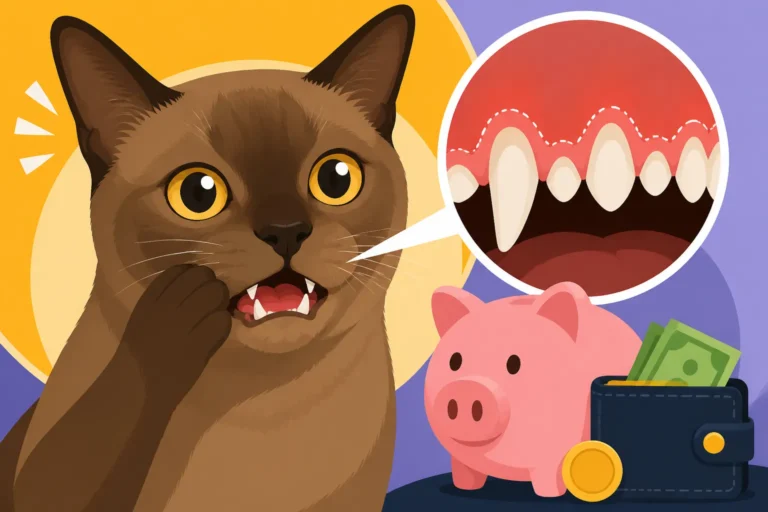
Burmese cats are notoriously prone to dental issues, particularly gum disease. Their unique skull structure and perhaps a genetic predisposition contribute to this vulnerability. It's not uncommon for them to develop gingivitis and periodontal disease at a relatively young age, which, if left untreated, can lead to painful tooth loss, infections, and even systemic health problems as bacteria spread from the mouth.
When acquiring an adult Burmese, ask about their dental history: have they had any professional dental cleanings under anesthesia? When was their last cleaning? Are there any missing teeth? Regular home dental care, like brushing, is vital for a Burmese, and if this hasn't been part of their routine, you'll want to start slowly. Understanding How Often a Burmese Needs a Dental can help you budget for and prioritize this essential aspect of their care.
Cardiac Health: What to Ask About
Like many purebred cats, Burmese can be susceptible to certain heart conditions, primarily Hypertrophic Cardiomyopathy (HCM). HCM is a thickening of the heart muscle, which can impair its function and, in severe cases, lead to heart failure or sudden death. While a genetic marker has been identified in some other breeds, screening in Burmese often relies on echocardiograms (heart ultrasounds) performed by a veterinary cardiologist.
It's a good idea to ask if the adult Burmese has ever had an echocardiogram, especially if they came from a breeding program where such screening might be part of responsible practice. Inquire if they've ever had a heart murmur detected during routine exams. While a murmur doesn't automatically mean HCM, it warrants further investigation. Knowing Whether the Burmese Gets HCM can help you understand the importance of asking about cardiac health when evaluating a potential new family member.
Integrating a Burmese with Glucose History into Your Home
Bringing an adult Burmese, especially one with a known glucose history, into your home requires a thoughtful and prepared approach. It's not about making their life restrictive, but about tailoring their environment and routine to support their specific health needs. This integration involves diet, routine, and a strong partnership with your veterinary team.
Crafting a Diabetes-Friendly Diet Plan
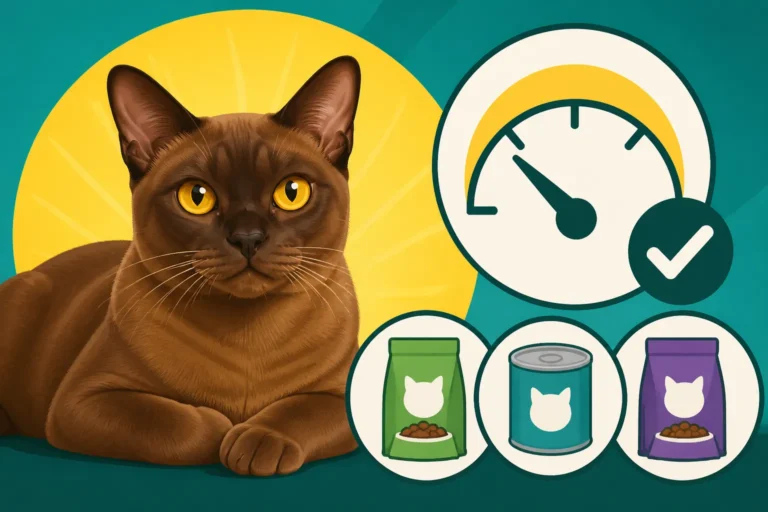
The cornerstone of managing or preventing diabetes in a Burmese is diet. If your new Burmese has a history of high glucose or is already diabetic, a low-carbohydrate, high-protein wet food diet is almost always recommended. Dry kibble, even “grain-free” varieties, often contains significant amounts of carbohydrates that can wreak havoc on a Burmese's sensitive metabolism. Fresh, portion-controlled meals or specialized veterinary diets can be excellent options.
The goal is to stabilize blood sugar levels. This means precise portion control, with every meal carefully weighed on a kitchen scale. Free-feeding is generally a strict no-go for a diabetes-prone Burmese. You'll likely feed two distinct meals a day, ideally at the same time each day, to maintain a consistent schedule for their metabolism. Why Portion Control Is Medical Care in a Burmese cannot be stressed enough; it’s the most impactful change you can make.
Establishing a Routine for Monitoring and Care
Consistency is key when caring for a diabetes-prone or diabetic Burmese. This applies not only to feeding times but also to play, sleep, and monitoring. If your cat is already on insulin, injections will become part of your daily routine, often twice a day, every 12 hours. Establishing a calm, consistent method for these injections is essential for both your cat's comfort and your peace of mind. Many Burmese are incredibly tolerant and affectionate, making this process easier than you might imagine.
Beyond injections, regular monitoring of their water intake and urination habits is crucial. Any significant changes should prompt a call to your vet. Learning How to Give a Burmese Its Insulin at Home will be a primary focus if you adopt a diabetic cat. If they aren't yet diabetic, weekly weigh-ins at home can help you catch any upward trend in weight before it becomes a problem. These routines may seem daunting at first, but they quickly become second nature and are essential for your Burmese's long-term health.
Partnering with Your Veterinarian for Ongoing Support
Your veterinarian will be your most important partner in managing your Burmese's health. Schedule a comprehensive check-up soon after bringing your new cat home, sharing all available glucose history and other health records. Discuss a long-term health plan that includes regular glucose screenings, weight management strategies, and dental care. Your vet can guide you on specific dietary recommendations, insulin dosages if needed, and what signs to watch out for.
Don't hesitate to ask questions and express any concerns. A good vet will empower you with knowledge and support. They can teach you how to administer insulin, perform at-home glucose monitoring, and recognize signs of both high and low blood sugar. This partnership ensures that you're not alone in providing the best possible care for your special Burmese.
The Lifelong Commitment: What to Expect with a Diabetes-Prone Burmese
Adopting a Burmese, especially one with a diabetes predisposition or diagnosis, is a commitment for their entire life. These cats can live The Sixteen to Eighteen Years a Well Bred Burmese Gets, and throughout that time, their health needs will evolve. Understanding this long-term commitment upfront prepares you for the journey and strengthens your bond with your affectionate companion.
Adapting Care as Your Burmese Ages
As your Burmese transitions into their senior years, their metabolic needs will change again. Even if they've successfully avoided diabetes for years, the risk can increase with age. Regular veterinary check-ups, often twice a year, become even more critical, including bloodwork that specifically checks glucose and fructosamine levels. Your vet may also want to monitor kidney and thyroid function, as these can also become concerns in older cats.
Their diet might need slight adjustments, perhaps to a formula designed for senior cats that still meets their low-carb, high-protein requirements. Mobility might decrease, necessitating more interactive play to keep them active and maintain a healthy weight. Understanding Caring for a Burmese Past Twelve means being vigilant, adaptable, and showering them with even more love and attention as they gracefully age.
Insurance Considerations and Managing Costs
Managing the costs associated with a diabetes-prone or diabetic Burmese is a significant part of the lifelong commitment. As mentioned, pet insurance can be a lifesaver, but "pre-existing conditions" clauses are common. If you adopt a Burmese with an existing diabetes diagnosis, many standard policies may not cover it. However, some specialized policies or wellness plans might still offer support for related care. It's always worth researching and discussing options with different providers.
Beyond insurance, budgeting for their specialized food, medications, and regular vet visits is essential. Setting aside a dedicated "pet health fund" can alleviate the stress of unexpected costs. Companies like Chewy often offer convenient auto-ship options for prescription diets and medications, helping to manage logistics. Being prepared for these financial aspects allows you to focus on your cat's health rather than worrying about the bills.
The Joys and Challenges of a Special Needs Burmese
Living with a diabetes-prone or diabetic Burmese comes with its challenges, undoubtedly. There are daily routines, moments of worry, and the need for constant vigilance. However, the immense joys far outweigh these difficulties. Burmese cats are incredibly resilient, affectionate, and intelligent. They often adapt remarkably well to their routines, seeing their insulin injections or special meals as just another part of their day with you.
The bond you form with a "special needs" Burmese can be profoundly deep. Your dedication to their well-being fosters a level of trust and companionship that is truly unique. Witnessing a diabetic Burmese go into remission, or simply thrive under your careful management, is incredibly rewarding. They give back so much love and personality, making every effort worthwhile. The Burmese is a loving, playful, and intelligent companion, and understanding their glucose history is simply part of giving them the long, healthy, and happy life they deserve.
Disclaimer
This article is for general informational purposes only and does not constitute professional advice. Laws, prices and regulations vary by location and change over time. Consult a qualified professional for guidance on your specific situation.