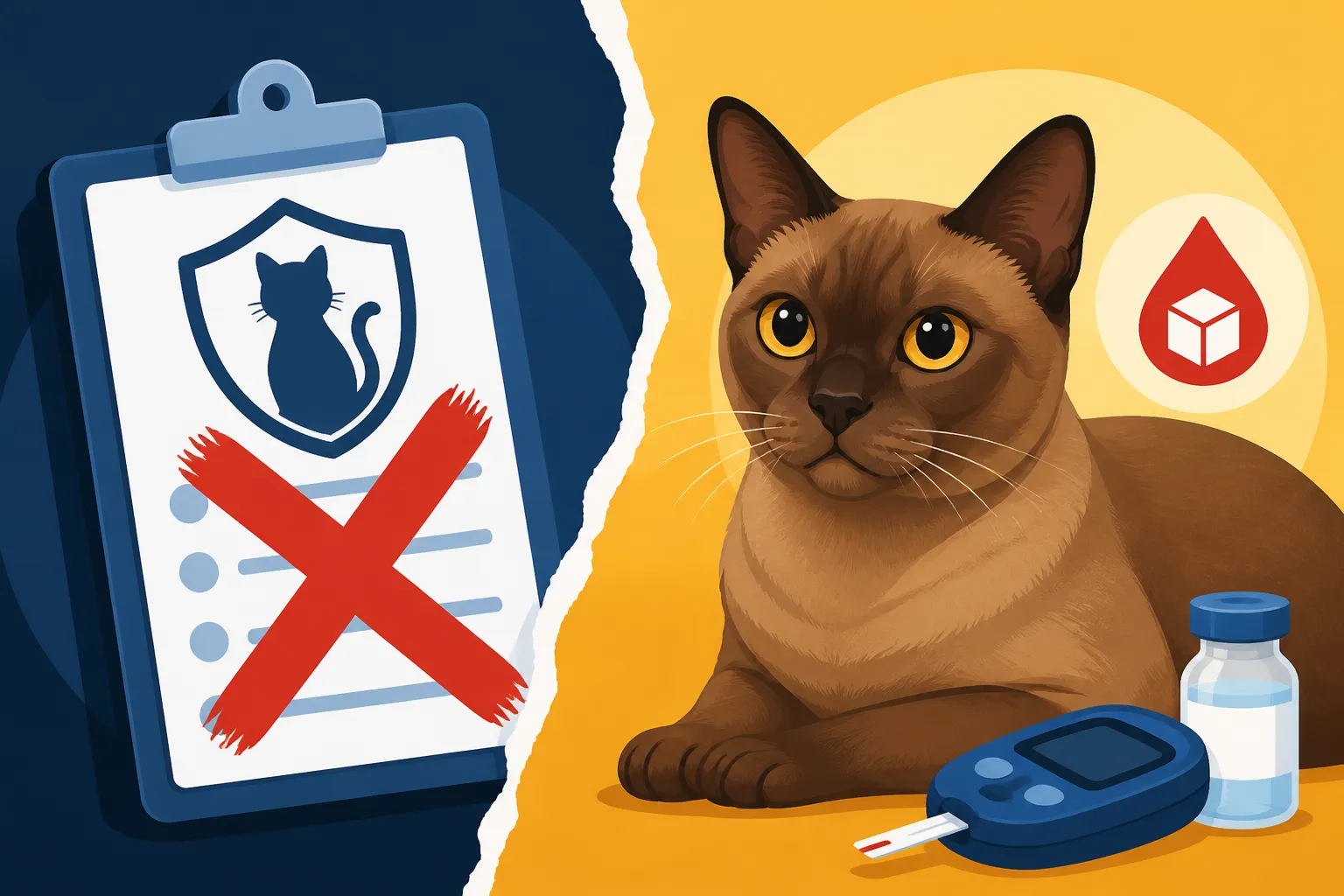
Why Insurers Write Diabetes Out of a Burmese Policy
It's incredibly frustrating, isn't it? You adore your Burmese, know they're special, and you want to ensure they have the best care possible, especially as they get older. But then you start looking into pet insurance, hoping for a safety net against those unexpected veterinary bills, only to find that some of the most concerning health issues for Burmese cats, like diabetes, are often outright excluded. This guide is here to shed light on why insurers take this stance, what it means for you, and how you can still prepare for your beloved feline friend's health journey.
The Harsh Reality of Burmese Diabetes Risk
Let's be honest, living with a Burmese is a joy, but it also comes with knowing about their unique health predispositions. One of the biggest elephants in the room for any Burmese owner is the high likelihood of diabetes. It’s not just a possibility; it’s a significant genetic vulnerability that casts a long shadow over their future health and, consequently, their insurability.
A Breed Uniquely Prone
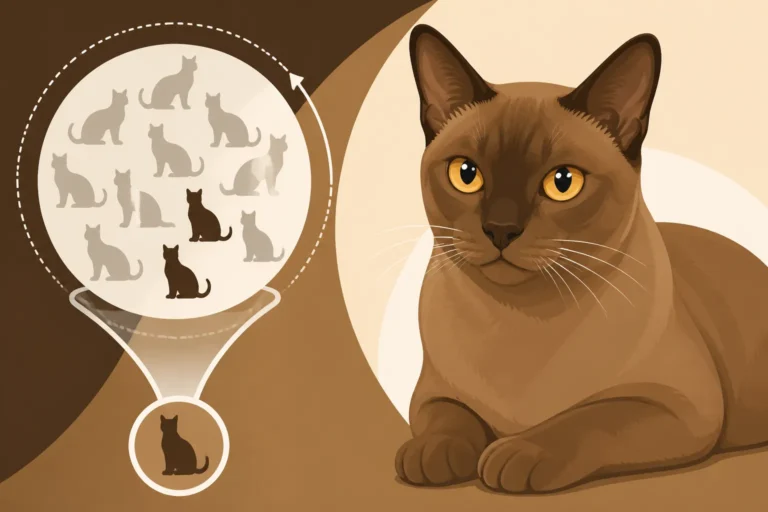
If you've spent any time researching the breed, you'll know that the Burmese isn't just at risk for diabetes; The Burmese Has the Highest Diabetes Rate of Any Cat Breed. This isn't just anecdotal evidence whispered among breeders; it's a well-documented genetic predisposition. While all cats can develop diabetes, especially as they age or become overweight, the Burmese seems to carry a specific genetic makeup that makes them four times more likely to develop the condition. It’s heartbreaking to think about, but it's a reality many Burmese owners face.
Imagine you're cuddling your sweet, vocal Burmese, and you start noticing them drinking a little more water than usual, perhaps making more trips to the litter box. At first, you might dismiss it as a change in routine or warmer weather. But these subtle shifts can be the very first indicators that your cat's body isn't processing glucose correctly. For a Burmese, these signs should trigger immediate concern, not just because it's diabetes, but because it's a breed where this particular illness is so prevalent. It's not a question of if for many, but when or how to manage it effectively.
The Financial Burden of Management
Once a Burmese is diagnosed with diabetes, the financial commitment is significant and lifelong. This isn't a one-time surgical fix. We're talking about a regimen that often includes daily insulin injections, special low-carbohydrate prescription diets, regular glucose monitoring (which can involve blood tests at the vet or even at home with a specialized meter), and frequent vet check-ups to adjust insulin doses and monitor overall health. These costs add up rapidly.
Consider a typical month: you'll need a steady supply of insulin, which can be quite expensive, especially if your cat needs a higher dose. Then there are the disposable syringes, which are crucial for safe and accurate administration. The specialized food, which is often prescription-based, also costs more than your average supermarket kibble, and quantity matters. Many owners report that What Diabetes Costs a Burmese Owner a Year can easily run into several hundreds, if not thousands, of dollars annually. It's a continuous outlay, and this predictable, high cost is precisely what gives insurance companies pause.
Understanding How Pet Insurance Works with Chronic Conditions
To understand why diabetes is so often excluded, we need to look at the fundamental principles of pet insurance. It's designed to cover unexpected illnesses and accidents, not conditions that are already present or highly probable due to known breed risks and existing health issues. This is where the concept of "pre-existing conditions" becomes critically important.
The Pre-Existing Condition Clause
This is the big one, the cornerstone of almost every pet insurance policy, and it's the most common reason a chronic illness like diabetes won't be covered. A pre-existing condition is essentially any illness, injury, or symptom that was present before your insurance policy's effective date or during its waiting period. It doesn't even need to be formally diagnosed; if symptoms were noted in your vet records, or even if you knew something was off, it can be deemed pre-existing.
For a Burmese, where diabetes is a well-known breed risk, insurers scrutinize health records meticulously. If your vet notes "increased thirst" or "weight changes" even months before a formal diabetes diagnosis, those earlier entries could be sufficient for the insurer to declare diabetes a pre-existing condition and deny coverage for its treatment. This is why getting insurance early in your cat's life, ideally as a kitten, is often advised. It creates a longer window for conditions to develop after coverage is in force, but even then, genetic predispositions can be tricky. Why a Burmese's Insurance Should Start Before Symptoms is not just good advice, it's often the only way to have a chance at coverage for many conditions.
The Waiting Period and Diagnostic Loophole
Most pet insurance policies come with waiting periods. There's typically a short one for accidents (a few days) and a longer one for illnesses (often 14 to 30 days, sometimes longer for orthopedic issues). This means that even if you enroll your Burmese today, they aren't covered for any illness that arises or shows symptoms during that initial waiting period.
Let's say you enroll your Burmese, and a week later, you notice they're suddenly ravenously hungry and drinking from the faucet constantly. You take them to the vet, and after some tests, the diagnosis is diabetes. Because the symptoms appeared during the waiting period, the insurer can deny the claim, stating it's a pre-existing condition relative to the effective date of coverage. It's a challenging situation, because you're doing everything right by seeking immediate veterinary care, but the timing can work against you. This clause is specifically designed to prevent people from buying insurance only once a problem has already begun to manifest.
Why Diabetes is a Major Red Flag for Insurers
From an insurer's perspective, diabetes in a Burmese isn't just another illness; it's a significant liability due to its high prevalence in the breed and the ongoing, costly nature of its management. They are in the business of assessing and managing risk, and diabetes presents a high-risk scenario.
High Probability, High Cost
Insurance companies crunch numbers. They look at breed statistics, known genetic predispositions, and the likelihood of certain conditions occurring. When it comes to the Burmese, the data points clearly to a significantly elevated risk of diabetes. This isn't just a marginal increase; How Many Burmese Become Diabetic in a Lifetime can be alarmingly high in some lines, making it a statistical certainty for a noticeable percentage of the breed.
Couple this high probability with the equally high cost of lifelong treatment, and you start to see the insurer's dilemma. If they were to cover diabetes for every Burmese, they would be signing up for a guaranteed stream of expensive claims. This would either make their policies prohibitively expensive for all pet owners, or it would quickly bankrupt their pet insurance programs. They have to balance risk with affordability, and highly probable, highly expensive chronic conditions like Burmese diabetes often fall outside that balance point for standard policies.
Lifelong Management, Lifelong Payouts
Unlike an injury that heals or an acute illness that runs its course, diabetes is typically a lifelong condition requiring continuous intervention. Once a Burmese is diagnosed, they usually need insulin injections every day, sometimes twice a day, for the rest of their lives. This also means ongoing veterinary consultations, blood tests, and specialized dietary needs.
For an insurer, this translates to continuous payouts over many years. A single claim for a broken leg might cost a few thousand dollars, but then it's done. A diabetic Burmese, living perhaps another 5-10 years post-diagnosis, could easily rack up tens of thousands of dollars in claims for medication, food, and vet visits over that period. This long-term, predictable drain on resources is a key reason why insurers are so hesitant to include it in standard coverage, particularly when it's a known breed-specific vulnerability.
Navigating Insurance Options (and their limitations) for Your Burmese
So, what's a conscientious Burmese owner to do when facing these insurance hurdles? While diabetes might be challenging to get covered, it doesn't mean pet insurance is entirely useless. It's about understanding the nuances and choosing wisely.
The Value of Early Enrollment
This cannot be stressed enough: enroll your Burmese in a pet insurance policy as early as possible. Ideally, when they are a kitten, before any health issues or even subtle symptoms have a chance to appear in their veterinary records. If a condition like diabetes develops after the policy's waiting periods have passed and before any symptoms were noted, there's a much greater chance it might be covered.
However, even with early enrollment, some policies might still have exclusions based on breed-specific predispositions, or they may impose higher deductibles or lower reimbursement rates for conditions common to the Burmese. It's crucial to read the fine print of any policy you consider. For instance, a provider like Healthy Paws, known for comprehensive illness coverage, might still have specific exclusions for known breed issues, so always ask direct questions about diabetes coverage for a Burmese. Don't assume anything. Whether a Burmese Policy Is Worth It Once Diabetes Is Excluded depends heavily on what other risks you're looking to mitigate. Accidents, unexpected acute illnesses, and other non-diabetes-related chronic conditions can still be incredibly costly.
Accident-Only vs. Comprehensive Coverage
When looking at pet insurance, you'll generally find two main types of policies:
- Accident-Only Policies: These are usually much more affordable but, as the name suggests, they only cover injuries from accidents (e.g., a broken bone, a swallowed toy, a car accident). They will offer absolutely no coverage for illnesses, including diabetes. While they might not help with your diabetes concerns, they can still provide peace of mind for sudden, unexpected trauma.
- Comprehensive Policies: These policies cover both accidents and illnesses. This is the type you'd be looking for to get any chance of covering diabetes or other chronic conditions. However, as discussed, these are the policies where the pre-existing condition clauses and breed-specific exclusions become most relevant for diabetes. You'll need to scrutinize these policies carefully and speak directly with the insurer about their stance on diabetes for Burmese cats, particularly if your cat already has any noted symptoms or a diagnosis.
Wellness Plans and Their Role
Some pet insurance providers, or even veterinary clinics, offer "wellness plans" as an add-on or a separate service. It's important to understand that these are not insurance policies. Wellness plans typically cover routine, preventative care like annual exams, vaccinations, deworming, and sometimes dental cleanings.
While a wellness plan might cover the initial bloodwork that identifies high glucose levels, it will not cover the ongoing treatment for diabetes itself. They are designed for predictable, preventative expenses, not for the treatment of existing chronic diseases. So, while a wellness plan can be beneficial for managing your Burmese's general health, don't rely on it to cover diabetes-related costs. It's a good investment for keeping your cat healthy, but it won't be your solution for managing an ongoing illness.
Living with a Diabetic Burmese: Beyond Insurance
Given the insurance landscape, many Burmese owners find themselves preparing for the possibility of diabetes independently. This means focusing on prevention, proactive management, and having a solid financial plan in place.
Proactive Management and Prevention
The best "insurance" against costly diabetes treatment is often diligent prevention. Burmese cats are naturally predisposed, but lifestyle factors play a huge role. Obesity is a massive accelerator for feline diabetes, and Burmese cats often have hearty appetites. Therefore, meticulous weight management is paramount. Why Portion Control Is Medical Care in a Burmese cannot be overstated. Every single meal should be measured and carefully regulated. Free-feeding, where a bowl of kibble is always available, is a huge risk factor for a breed like the Burmese.
Focusing on a high-protein, low-carbohydrate wet food diet is critical. Many dry kibbles, even those marketed as "premium," are packed with carbohydrates that can spike a cat's blood sugar. Transitioning to a high-quality wet food can make a world of difference. When considering food options, sites like Chewy offer a wide variety of prescription and low-carb wet foods, making it easier to find suitable options. Which Diet Puts a Burmese Into Remission frequently emphasizes this dietary approach. Regular veterinary check-ups, including annual blood panels, especially as your Burmese enters their senior years (around age seven), can help catch any metabolic changes early. Why a Burmese's Glucose Should Be Checked From Seven is a proactive measure that can significantly impact the long-term prognosis.
The Importance of a Detailed Health History
Whether you have insurance or not, maintaining a meticulous record of your Burmese's health is invaluable. This includes all vet visits, symptoms you've observed, changes in appetite or water intake, weight fluctuations, and any medications administered. These detailed records serve multiple purposes.
Firstly, if you do have insurance and need to challenge a pre-existing condition exclusion, having clear, dated records can be vital. Secondly, and perhaps more importantly, for managing diabetes, these records provide your veterinarian with critical information to track the progression of the disease and adjust treatment plans. For instance, knowing precisely when symptoms started, how much water your cat typically drinks, or their exact weight at various points can help tailor insulin doses or dietary changes. Why an Adult Burmese Comes With Its Glucose History is not just about a diagnosis; it's about the entire health journey. A clear, well-documented history allows for better, more informed medical decisions, giving your Burmese the best chance at a long, healthy life, even with diabetes. How a Diabetic Burmese Is Diagnosed often relies on this comprehensive historical data.
| Feature | Pet Insurance (Comprehensive) | Wellness Plan |
|---|---|---|
| Purpose | Covers unexpected accidents & illnesses | Covers routine, preventative care |
| Diabetes Coverage | Rarely covered if pre-existing or breed-specific risk acknowledged. May be covered if diagnosed after enrollment & waiting period, with no prior symptoms. | Does not cover ongoing treatment. May cover initial diagnostic bloodwork. |
| Cost Structure | Monthly premiums, deductibles, co-pays, annual limits | Monthly or annual fee, no deductibles/co-pays for covered services |
| Pre-existing Conditions | Excluded | Not applicable (focus on prevention) |
| Examples Covered | Broken bones, infections, cancer, new chronic conditions (if not pre-existing) | Annual exams, vaccinations, deworming, basic dental cleaning |
| Value for Burmese | Valuable for accidents & other non-diabetes illnesses. Less reliable for diabetes itself. | Good for overall health, early detection of potential issues. |
Disclaimer
This article is for general informational purposes only and does not constitute professional advice. Laws, prices and regulations vary by location and change over time. Consult a qualified professional for guidance on your specific situation.