Why the European Burmese Gene Pool Is Smaller
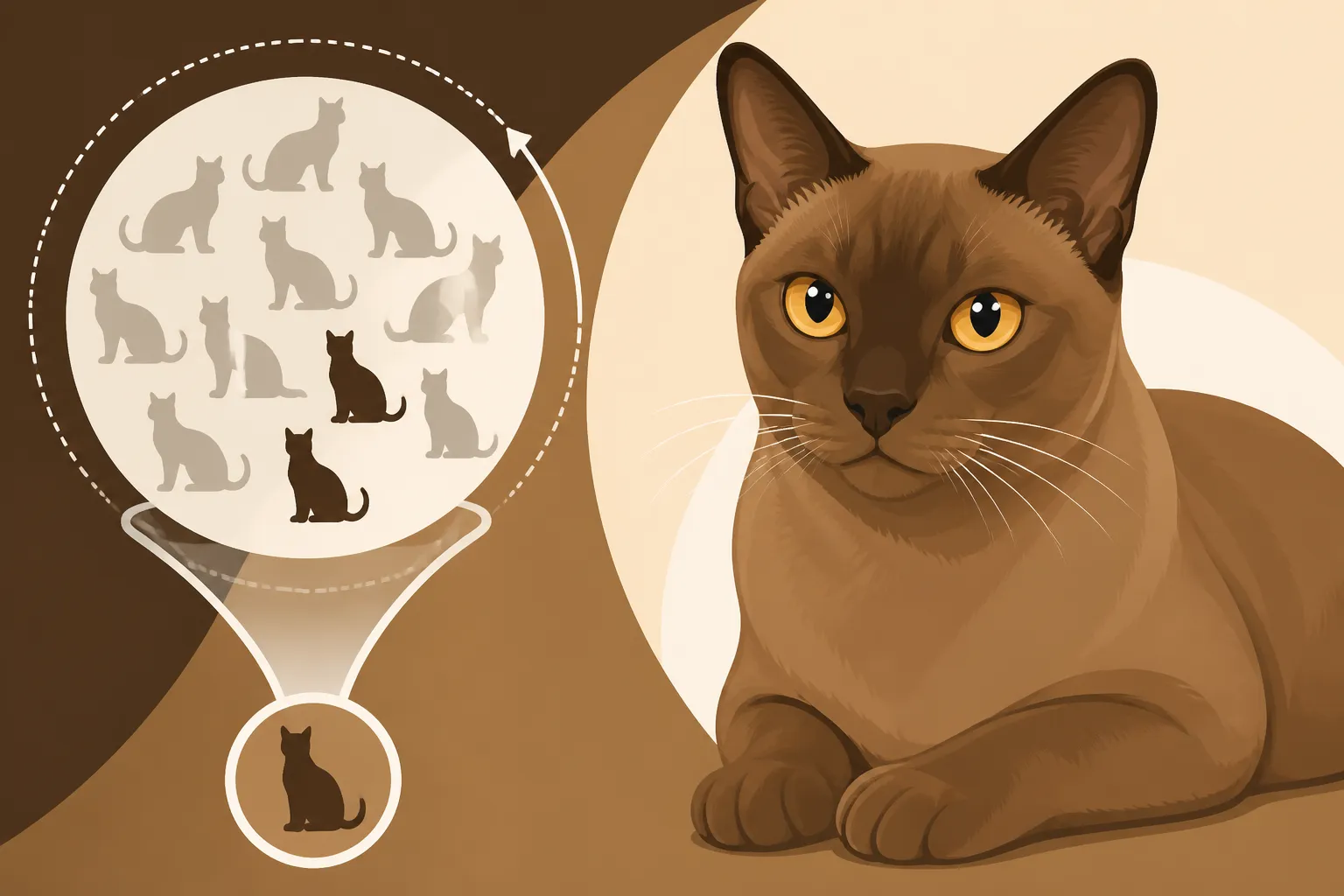
It's incredibly frustrating when you fall in love with a specific cat breed, like the European Burmese, only to discover that finding a kitten can feel like searching for a needle in a haystack, and the price tag can be significantly higher than you anticipated. This guide will delve into the intricate reasons behind the European Burmese's smaller gene pool, explaining the historical context, the practical implications for owners, and what you can do to navigate the challenges this presents.
The Historical Divergence of the Burmese Breed
To truly understand why the European Burmese gene pool is smaller, we have to journey back to the very origins of the breed and trace the path it took across continents. What started as one distinctive cat ultimately branched into two recognized types, each with its own story of development and, crucially, its own distinct genetic landscape.
The American Origin and Early Breeding Efforts
Our story begins in San Francisco in 1930 with a captivating walnut-brown cat named Wong Mau, brought from Burma by Dr. Joseph Thompson. Wong Mau wasn't like the Siamese cats common at the time, yet she carried a similar genetic trait for color restriction. Dr. Thompson, captivated by her unique appearance and charming personality, embarked on a breeding program to understand her genetics and establish a new breed. He intentionally bred Wong Mau with a Siamese cat, which was the most genetically similar breed available, to reveal the recessive genes at play.
This initial breeding revealed that Wong Mau was, in fact, an intermediate cat, a natural hybrid between a solid brown cat and a Siamese. Her kittens displayed three distinct color patterns: solid brown (the true Burmese), pointed (Siamese), and an intermediate pattern (what we now call a Tonkinese). This careful, scientific approach laid the foundation for the American Burmese, emphasizing a compact, muscular build and a distinct rounded head. The meticulous record-keeping and controlled breeding meant that the American Burmese began with a relatively robust, albeit small, initial gene pool derived from Wong Mau and a few carefully selected Siamese ancestors.
The British Influence and Development of a Distinct Type
While the American breeding program was solidifying its standards, the Burmese cat made its way across the Atlantic to Britain. The first Burmese cats arrived in the UK in the mid-1940s, originating from American stock. However, British breeders had slightly different aesthetic preferences and a different vision for the breed. They leaned towards a more elegant, perhaps slightly less cobby body type, and preferred a head shape that was less extremely rounded than the American ideal.
This divergence wasn't intentional at first; it was a natural evolution based on the interpretations of the standard and the availability of breeding stock. Over time, as British breeders continued to select for these preferred traits, and with limited ongoing imports from the American lines, their Burmese population began to develop its own distinct characteristics. This geographic separation and differing breeding ideals became the genesis of the "European Burmese," creating a subtle but noticeable difference in appearance from their American cousins. As I’ve explained in Why the British Burmese Went a Different Way, this shift was a significant turning point for the breed.
The Formal Split and Separate Standards
By the 1970s, the differences between the American and British Burmese types were pronounced enough that the major cat registries recognized them as distinct. In the United States, the Cat Fanciers' Association (CFA) continued to register what became known as the American Burmese, while in Europe, particularly with organizations like The Governing Council of the Cat Fancy (GCCF) in the UK, the "European Burmese" standard became dominant. Some international registries, like The International Cat Association (TICA), acknowledge both types, often listing them separately.
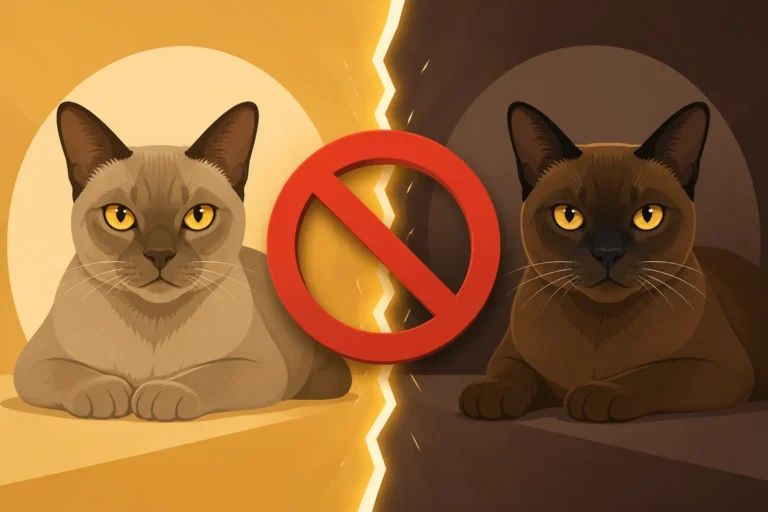
This formal split meant that breeders on each continent were working with different ideals and, crucially, different gene pools. They were no longer actively crossing the two types to the same extent, reinforcing the distinctive traits within each population. This period cemented the existence of two separate, albeit related, Burmese types, and it’s why today, when you hear people talk about the breed, they often clarify which type they mean. It's also why you'll often hear that There Are Two Burmese and They Are Priced Apart.
Factors Contributing to the Smaller European Gene Pool
The formal recognition of two distinct Burmese types didn't just happen overnight; it was the culmination of several factors that inherently led to the European Burmese having a more constricted gene pool compared to its American counterpart. Understanding these factors is key to grasping the rarity and cost implications.
Fewer Founding Cats and Early Bottlenecks
When the Burmese first arrived in Britain, the initial number of breeding cats was significantly smaller than the foundation stock available in the United States, where the breed originated directly from Wong Mau and subsequent carefully documented crosses. This meant that the European Burmese lines began with a much narrower genetic base. Imagine trying to build a new population from just a handful of individuals versus a larger group; the smaller group inevitably carries less overall genetic diversity from the start.
This phenomenon is known as a "bottleneck effect" in genetics. If only a small number of cats form the foundation of an entire population, even if they are healthy, they carry a limited set of genes. Any subsequent breeding within this limited pool will naturally lead to a higher degree of relatedness and a reduced variety of alleles (gene variants) circulating in the population. This initial bottleneck had a lasting impact on the genetic breadth of the European Burmese.
Geographic Isolation and Breeding Practices
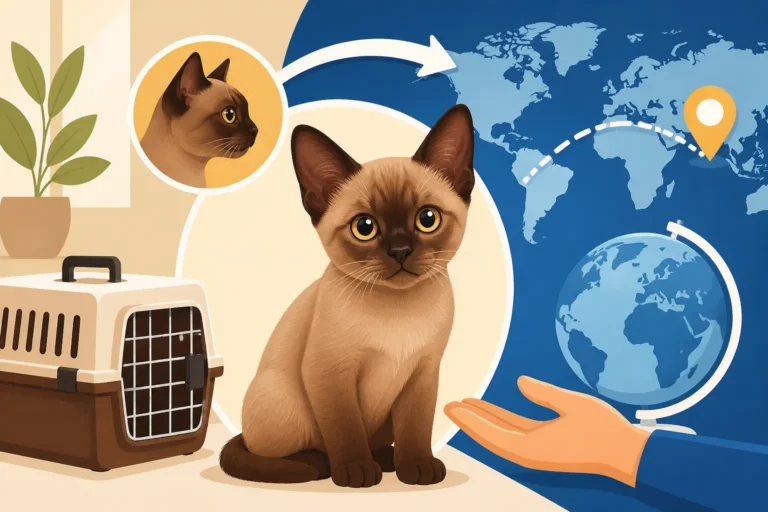
Once the British and American types diverged, geographic isolation played a significant role in keeping their gene pools separate. Importing cats across continents was, and still is, a complex and expensive endeavor involving health certifications, quarantines, and considerable travel costs. This naturally discouraged frequent intercontinental breeding, meaning the European lines largely bred among themselves.
Furthermore, breeding practices and preferences within Europe sometimes led to a further narrowing. If breeders consistently favored a very specific look or temperament, they might have concentrated on a limited number of successful stud cats or queens. While this can rapidly establish desired traits, it also risks reducing the overall genetic diversity by emphasizing certain lines over others. This is a common challenge in many purebred animal populations, where intense selection for specific show traits can inadvertently reduce genetic variety over generations.
Preference for Specific Traits and Colors
The European Burmese standard, as mentioned earlier, evolved to favor slightly different physical traits than the American Burmese. This included a somewhat more elegant body and a head shape that, while still rounded, was often described as less extreme. Breeders naturally focused on perpetuating these specific characteristics, often by breeding cats that best exemplified them.
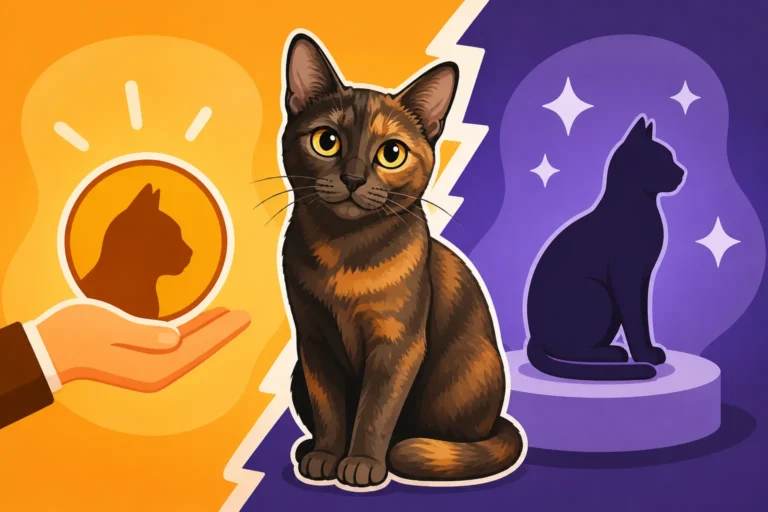
Additionally, the range of accepted colors in European Burmese lines became broader over time, incorporating red, cream, and tortie variations that are not always recognized in the American standard. While this might seem like it would increase diversity, if these new colors were introduced from a limited number of outcrosses or if only a few individuals carried the desired color genes, it could still contribute to a smaller overall effective breeding population if those lines were then heavily used. For instance, if a breeder introduced a rare color, and then that one line became highly popular, everyone would be breeding back to it, which again restricts the gene pool.
Implications of a Smaller Gene Pool for European Burmese Owners
Living with a European Burmese is a joy, but it's important to be aware that the smaller gene pool can have several practical implications for prospective and current owners, from how easily you find a kitten to the long-term health considerations.
Limited Availability and Higher Costs
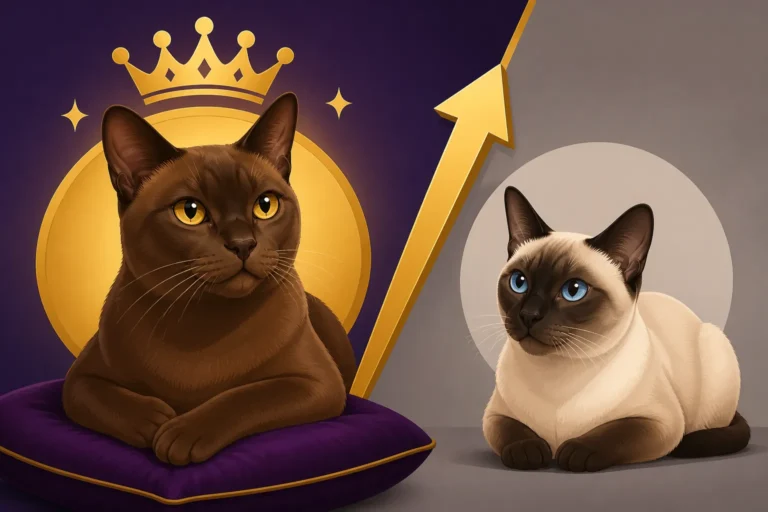
The most immediate impact of a smaller gene pool is simply that there are fewer European Burmese cats available for purchase, especially outside of Europe. Finding a reputable breeder who focuses on the European type can be a genuine challenge, and waiting lists can be quite long. This scarcity directly translates into higher prices. When demand outstrips supply, the cost naturally goes up. You might find that Why a European Burmese Costs Twice an American One because of this very reason – the specialized breeding, the effort to maintain the lines, and the sheer rarity.
Prospective owners might need to be prepared to travel further, wait longer, and invest more financially upfront. This isn't just about the kitten's purchase price; it also extends to the costs of potentially importing a kitten or seeking out breeders who are actively trying to diversify their lines. If you're passionate about the European Burmese, budgeting for this higher initial investment is crucial. For pet supplies and food, you'll still face the base costs, but the initial acquisition can be significant.
Potential Health Concerns and Genetic Predispositions
A smaller gene pool inherently carries a higher risk of concentrating certain genetic health issues. When genetic diversity is low, harmful recessive genes are more likely to be passed down and expressed in offspring because there's less variety to "mask" them. While the European Burmese is generally a healthy breed, a constricted gene pool means breeders must be exceptionally diligent with health screening. This includes screening for conditions known to affect the broader Burmese population, such as Hypokalemia and diabetes, as detailed in Which Diseases the Burmese Actually Carries.
Responsible breeders will perform extensive DNA testing on their breeding stock to ensure they are not inadvertently doubling up on undesirable recessive genes. This might include tests for conditions like Hypokalemia, where carriers exist, and careful selection to avoid breeding two carriers together. Owners should always inquire about the health testing performed on the parents and grandparents. This proactive approach helps mitigate risks, but it remains a persistent concern that requires ongoing vigilance from the breeding community and awareness from owners. Regular vet checks and discussions about family history are vital, and it’s why a good pet insurance policy, perhaps from a provider like Healthy Paws, could be a smart investment.
Challenges in Finding Breeders and Diversity in Litters
Beyond the cost, the limited gene pool presents practical difficulties in simply finding a European Burmese. You might find that How Many European Burmese Breeders Work in America is a very small number, making your search even harder. Reputable breeders are often members of breed clubs and will be transparent about their lines, health testing, and breeding philosophy. However, with fewer breeders overall, you might not have as many choices in terms of available kittens, specific colors, or even the timing of litters.
Furthermore, within litters, you might see less genetic diversity in terms of overall variation in appearance or temperament than in breeds with larger gene pools. While Burmese cats are known for their consistent personality traits – affectionate, playful, and vocal – subtle variations can still be seen. A smaller gene pool could, in theory, lead to less "hybrid vigor" and a more uniform, though perhaps less robust, genetic makeup in the long run.
Mitigating the Challenges and Supporting the European Burmese
While the smaller gene pool presents challenges, it doesn't mean you can't find a wonderful, healthy European Burmese. It simply means you need to be a more informed and proactive prospective owner. There are dedicated breeders and passionate individuals working to safeguard the health and future of this charming feline.
The Importance of Responsible Breeding Practices
The cornerstone of mitigating the risks associated with a smaller gene pool lies squarely with responsible breeding. This means breeders must prioritize genetic diversity as much as, if not more than, adherence to show standards. They should actively seek out unrelated lines when possible, even if it involves the complex process of What Importing European Burmese Lines Costs. This helps bring in fresh genetics and reduces the coefficient of inbreeding over generations.
Responsible breeders also conduct comprehensive health testing, not just for the known Burmese specific diseases, but also for general feline health markers. They understand the importance of avoiding breeding two carriers of a recessive disease, even if both appear healthy. A good breeder will be transparent about their testing results, share pedigrees, and be willing to discuss their breeding philosophy in detail. They’ll be able to tell you What a Burmese Breeder Must Test Before Any Mating and show you the results.
Advocating for Genetic Diversity and Health Testing
As a prospective owner, you have a role to play in advocating for the health of the breed. Don't be shy about asking breeders tough questions about their health testing protocols, how they manage their breeding lines, and what steps they take to maintain genetic diversity. Look for breeders who openly discuss these issues rather than dismissing them. Support breeders who invest in comprehensive DNA panels and genetic screening.
You should also understand the specific health predispositions of the Burmese, such as diabetes and Hypokalemia, and ask about the lineage's history with these conditions. Being informed allows you to choose a kitten from lines that have been responsibly managed and screened. This proactive approach not only helps you bring home a healthier kitten but also encourages breeders to continue prioritizing genetic health.
Exploring Reputable Sources and International Lines
Finding a European Burmese might require a broader search than for some other breeds. Start by looking at breed club websites, both national and international, as these often list reputable breeders and upcoming litters. Be prepared to join waiting lists and engage in thorough conversations with breeders. Don't be tempted by ads that promise immediate availability at unusually low prices, as these often signal irresponsible breeding practices.
Consider exploring breeders who actively work with international lines to introduce new genetics, even if it means importing a cat. This effort, while costly and complex, is vital for expanding the gene pool and ensuring the long-term health and vitality of the European Burmese. Remember that investing in a well-bred kitten from a reputable source, even if it costs more upfront, is an investment in a healthier, happier cat for years to come, potentially reducing future vet bills and heartache. It helps you factor in What a Burmese Costs Over Sixteen Years more accurately.
European vs. American Burmese: Gene Pool Characteristics
| Feature | American Burmese | European Burmese |
|---|---|---|
| Origin/Foundation | Directly from Wong Mau and initial Siamese outcrosses | Descended from initial American imports, then developed |
| Initial Gene Pool | Larger, more varied founding stock | Smaller, more concentrated founding stock |
| Genetic Diversity | Generally broader | Generally narrower |
| Breeding Focus | Emphasis on cobby body, rounded head, distinct type | Emphasis on elegant body, slightly less rounded head |
| Accepted Colors | Sable, Champagne, Blue, Platinum | Sable/Brown, Blue, Chocolate, Lilac, Red, Cream, Tortie |
| Availability | More widespread in North America | More limited globally, especially outside Europe |
| Cost Implications | Typically lower purchase price due to availability | Often higher purchase price due to rarity |
| Health Management | Diligent testing still critical | Extreme diligence in genetic testing is paramount |
This table illustrates the fundamental differences that have emerged over decades of separate breeding paths, directly impacting the size and characteristics of each type's gene pool.
Disclaimer
This article is for general informational purposes only and does not constitute professional advice. Laws, prices and regulations vary by location and change over time. Consult a qualified professional for guidance on your specific situation.