How Burmese Prices Compare to a Tonkinese’s
It's a common dilemma for anyone falling in love with these utterly charming, people-oriented felines: you've narrowed your search to either a Burmese or a Tonkinese, but now you're wondering how their price tags stack up. Both breeds are renowned for their affectionate personalities and stunning looks, often leading to confusion for prospective owners. This guide is here to untangle the complexities of kitten pricing for both the beloved Burmese and its equally captivating cousin, the Tonkinese, helping you understand what drives those costs and how to budget realistically.
Understanding the Burmese Price Structure
When you embark on the journey to bring a Burmese cat into your life, you'll quickly discover that not all Burmese are priced equally. There are a few significant factors that influence the cost of a Burmese kitten, far beyond just the simple fact that it's a purebred cat. These elements stem from the breed's history, its distinct types, and the meticulous care a reputable breeder invests.
The Impact of American vs. European Burmese Types
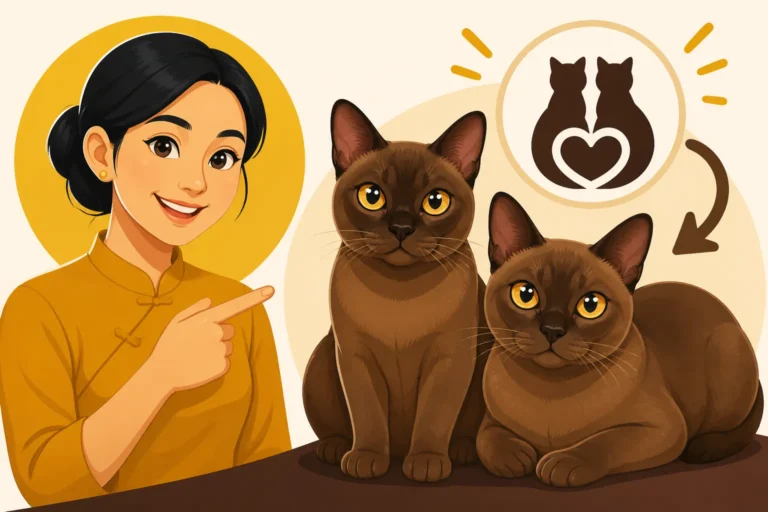
One of the most crucial distinctions in Burmese pricing, and often a source of surprise for new prospective owners, is the existence of two distinct types: the American Burmese and the European Burmese. These aren't just subtle differences; they are recognized by different standards in various registries and, critically, they often command different price points.
The American Burmese tends to have a rounder head, shorter muzzle, and a more compact body type. It's often described as having a "cobby" build. In contrast, the European Burmese generally has a more wedge-shaped head, longer muzzle, and a slightly more svelte, elegant body. If you've been doing your research, you might have already read about There Are Two Burmese and They Are Priced Apart. The American Burmese has historically been more prevalent in the United States, meaning breeders are more common, and the pool of available kittens might be larger. This larger supply can sometimes lead to a slightly lower price point, relatively speaking, than its European counterpart.
The European Burmese, however, can be considerably more expensive, especially if you're in a region where these lines are rarer. Many American breeders of European Burmese lines have gone to significant expense and effort to import their foundation cats, which naturally gets passed down in the kitten price. This is why you might see a clear explanation for Why a European Burmese Costs Twice an American One. Finding a breeder dedicated to the European standard, particularly outside of Europe, can mean a longer waitlist and a higher upfront cost due to the limited number of breeders and the investment they've made in their breeding programs. Each breeder's commitment to maintaining these distinct types, whether through importing or careful line breeding, is a substantial investment of time, money, and expertise.
Color and Pedigree Influences
Beyond the type of Burmese, the specific color of a kitten can also play a role in its price, though this is often a secondary factor compared to type and pedigree. The four traditional Burmese colors are Sable (a rich, warm brown), Champagne (a warm beige), Blue (a medium grey with a slight blue cast), and Platinum (a pale, almost lilac grey). Sable is the original and most common color, and consequently, a Sable Burmese might sometimes be the most accessible in terms of price within a litter. You might find that Sable Is the Cheapest Burmese in Every Litter, not because it's less desirable, but simply due to its prevalence.
Less common colors, or those perceived as more unique, can sometimes command a slightly higher premium. However, a responsible breeder will prioritize health and temperament over color rarity, so don't let a "rare" color be the sole driver of your choice.
The pedigree of a Burmese kitten is paramount and heavily influences its price. A kitten from championship lines, where parents or grandparents have excelled in cat shows, will often be more expensive. This premium reflects the breeder's success in producing cats that closely adhere to the breed standard, which requires significant investment in show entries, travel, and careful selection of breeding stock. More importantly, a reputable breeder will have invested in genetic health testing, providing you with documentation for The DNA Panel a Burmese Breeder Owes You. This ensures that the parents are clear of known genetic conditions like Hypokalemia or Head Defect, which adds immense value to the kitten's long-term health and, by extension, its price. Kittens sold with breeding rights, particularly if they are exceptional examples of the breed, will always be considerably more expensive than a pet-quality kitten that is sold with a spay/neuter contract.
Understanding the Tonkinese Price Structure
The Tonkinese, often lovingly called a "Tonk," shares a deep connection with the Burmese, being essentially a hybrid of the Burmese and the Siamese. This unique heritage gives the Tonkinese its distinct charm, temperament, and, of course, influences its price point.
The Blended Heritage and Its Price Implications
The Tonkinese breed was developed by crossing Burmese cats with Siamese cats. This deliberate crossbreeding aimed to combine the best traits of both parent breeds: the Siamese's striking points and vocal nature, with the Burmese's cobby build and affectionate, less strident personality. In fact, a foundational Burmese cat named Wong Mau played a crucial role in the development of both the Burmese and the Tonkinese breeds, which is a fascinating piece of cat fancy history. Learning about How the Tonkinese Was Made From a Burmese can really deepen your appreciation for this delightful breed.
Due to this mixed heritage, Tonkinese come in a wider variety of color patterns than the Burmese. They display three primary patterns: Pointed (like a Siamese, with very dark extremities and a pale body), Solid (like a Burmese, with a mostly uniform body color and slight darkening at the points), and Mink (the intermediate pattern, where the body color is richer than pointed but lighter than solid, with distinct but not extreme points). These color patterns are directly related to their genetic makeup (one copy of the Burmese gene and one copy of the Siamese gene results in Mink). The availability and demand for certain colors and patterns can influence pricing, but generally, the Mink pattern is highly sought after as it represents the "classic" Tonkinese look.
Just like with Burmese cats, breeder reputation, show quality, and the overall health and temperament of the breeding stock are major price drivers. A Tonkinese from a well-established cattery with a history of producing healthy, well-socialized, and conformationally sound kittens will inevitably be priced higher. These breeders invest heavily in health screenings, quality nutrition (perhaps using brands like Chewy for their supplies), veterinary care, and early socialization, all of which contribute to the final cost of a kitten.
Rarity and Demand in the Tonkinese Market
The popularity of the Tonkinese can vary geographically. In some regions, they might be more readily available than certain Burmese types, while in others, they could be seen as quite rare. Generally, Tonkinese breeders are well-represented in the cat fancy, but perhaps not as universally numerous as breeders of more common breeds. This balance of availability and demand can impact pricing. If you're in an area with fewer Tonkinese breeders, you might find prices are a bit higher due to less competition and longer waiting lists.
Regardless of their specific popularity, a responsible Tonkinese breeder will perform thorough health screening on their breeding cats. While the Tonkinese is generally considered a robust breed, screening for common feline health issues, and sometimes for issues pertinent to their Burmese or Siamese heritage, is crucial. Never compromise on the health and genetic background of your future feline companion for a lower price tag. A breeder who cuts corners here might offer a cheaper kitten initially, but the potential veterinary bills down the line could far outweigh any savings.
Direct Price Comparison: Burmese vs. Tonkinese
Now that we've looked at the individual factors for each breed, let's put them side-by-side to understand the overall price comparison. It's not always a straightforward "Breed A is X dollars more than Breed B"; rather, it's a nuanced interplay of many elements.
Key Factors Driving the Price Differences
Generally speaking, the initial purchase price for a well-bred pet-quality Burmese kitten can range quite a bit, depending heavily on whether it's an American or European type, and the breeder's location and reputation. For an American Burmese, you might expect prices to be in a certain range, and then for a European Burmese, you'll often see a noticeable jump. You can get a clearer picture when looking at specifics like How Much a Pet American Burmese Costs From a Breeder versus How Much a Pet European Burmese Costs From a Breeder.
For Tonkinese kittens, the price typically falls within a similar range to that of the American Burmese, sometimes slightly higher than the most common Burmese types, but generally lower than the rarer European Burmese lines, particularly if imported. The specific pattern (Mink, Pointed, Solid) can sometimes nudge the price up or down within a breeder's litters, but it's usually less impactful than the American/European distinction in Burmese.
Here’s a quick summary of factors to consider:
| Feature/Factor | Burmese (American Type) | Burmese (European Type) | Tonkinese |
|---|---|---|---|
| Head Shape | Rounder, shorter muzzle | More wedge-shaped, longer muzzle | Intermediate between Burmese and Siamese, often wedge |
| Body Type | Cobby, compact, muscular | Svelter, more elegant, muscular | Medium, muscular |
| Primary Colors/Patterns | Sable, Champagne, Blue, Platinum (solid colors) | Sable, Blue, Chocolate, Lilac, Red, Cream, Tortie (solid colors) | Mink, Pointed, Solid (various base colors like natural, blue, champagne, platinum) |
| Rarity | Relatively common in North America | Rarer in North America due to import costs, often higher price | Moderately common, good availability |
| Price Point (General) | Moderate | Often higher, especially for imported lines | Moderate, comparable to American Burmese, sometimes slightly more |
| Breeder Availability | More numerous | Fewer, specialized | Good number of reputable breeders |
It's critical to remember that any "cheap" kitten, whether Burmese or Tonkinese, is a huge red flag. A low price often indicates that corners have been cut on essential elements like health testing, proper nutrition, early veterinary care (such as initial vaccinations and deworming, which are vital), or adequate socialization. These initial savings can quickly evaporate and turn into heartbreakingly expensive vet bills or behavioral issues down the line. A reputable breeder's price reflects their significant investment in the health, welfare, and genetic integrity of their cats.
Beyond the Initial Kitten Cost: Lifetime Expenses
The purchase price of your kitten, while significant, is just the first drop in the bucket of a cat's lifetime expenses. When comparing a Burmese to a Tonkinese, it’s vital to consider the ongoing costs. Both breeds, being active and intelligent, require stimulating environments, quality food, and regular veterinary care.
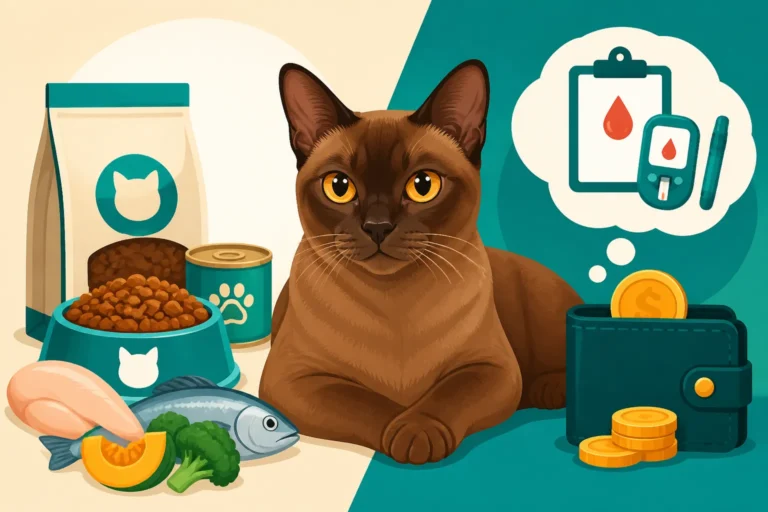
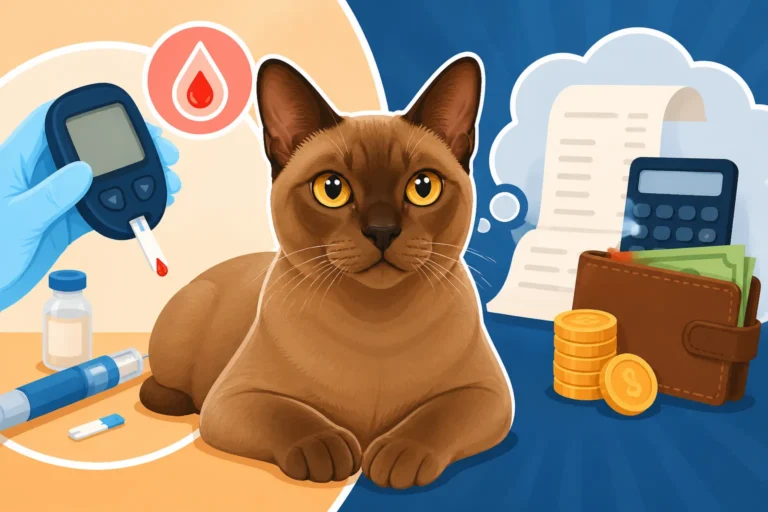
The Burmese, in particular, has a known predisposition to certain health conditions that can significantly impact lifetime costs. For example, Why a Burmese Is Four Times More Likely to Become Diabetic is a serious consideration. This means careful attention to diet from day one, often requiring specific low-carbohydrate wet foods to mitigate risk. Thinking about What a Diabetes Prone Burmese Costs to Keep Every Year can be an eye-opener. Brands like Healthy Paws offer pet insurance, which can be invaluable for covering unexpected veterinary costs, especially with breeds known for certain predispositions. However, it's worth noting that insurance policies typically exclude pre-existing conditions, so insuring a healthy kitten early is always the best strategy.
Both breeds are highly social and require consistent interaction. They thrive on companionship, and if left alone too often, can develop anxiety. They will also need regular check-ups, vaccinations, and dental care throughout their lives. The cost of food, litter, toys, annual vet visits, and potential emergency care will far outweigh the initial kitten price over a 15- to 18-year lifespan. Always budget not just for the purchase, but for the full commitment to their health and happiness.
What to Expect When Buying Either Breed
Whether you ultimately choose a Burmese or a Tonkinese, the process of acquiring a kitten from a responsible breeder should follow a similar path. The investment you make in finding the right breeder will pay dividends in the health and temperament of your new family member.
Finding a Reputable Breeder
Finding a reputable breeder is the single most important step in acquiring either a Burmese or a Tonkinese. This isn't just about paying a certain price; it's about ensuring you're supporting ethical breeding practices and getting a healthy, well-adjusted kitten. A good breeder will be transparent about their program, their cats, and their pricing. They should be eager to share health clearances for both parents, showing genetic testing results for relevant conditions. For a Burmese, this absolutely includes screening for Hypokalemia Is the Burmese Disease With a DNA Test and ideally a history of the breeding lines regarding diabetes.
They should also provide a comprehensive contract that outlines health guarantees, spay/neuter requirements for pet-quality kittens, and what happens if issues arise. Visiting the cattery, or at least seeing numerous videos and photos of the breeding environment, is crucial. You want to see clean, safe surroundings where the kittens are handled frequently and clearly part of the family. Expect a reputable breeder to ask you plenty of questions too; they want to ensure their kittens are going to loving, appropriate homes. Don't be surprised if there's a waiting list, especially for specific colors or types, and expect to place a deposit to secure your spot.
The Value of a Well-Bred Kitten
While the upfront cost for a well-bred Burmese or Tonkinese kitten might seem steep, it's truly an investment in your future pet's well-being. That price tag covers extensive veterinary care for the mother and kittens, high-quality nutrition (like food from Chewy, for example), genetic testing, vaccinations, deworming, and meticulous socialization. A breeder who allows kittens to go home too early or hasn't provided this crucial foundation is compromising their development.
By the time a kitten leaves a reputable breeder, typically around 12-16 weeks of age, they should have received their initial series of vaccinations, several dewormings, and be spayed or neutered if sold as a pet. They should be well-socialized, comfortable with human interaction, litter trained, and eating solid food. This early care is indispensable, and it's what differentiates a truly healthy and confident kitten from one that might struggle. You can be assured that a well-bred kitten has benefited from What a Burmese Kitten Has Had Done by Thirteen Weeks. Choosing a well-bred kitten, whether Burmese or Tonkinese, ultimately means less worry, fewer unexpected vet bills, and a happier, healthier companion for many years to come.
Disclaimer
This article is for general informational purposes only and does not constitute professional advice. Laws, prices and regulations vary by location and change over time. Consult a qualified professional for guidance on your specific situation.