Why the British Burmese Went a Different Way
It's a common point of confusion for many prospective cat parents: you start researching the beautiful Burmese, only to discover there isn't just one type of Burmese cat. No, in fact, there are two distinct types, the American and the European, and they look quite different! This guide will explore the fascinating historical journey that led to this divergence, shedding light on how geographic separation, different breeding philosophies, and distinct aesthetic ideals carved one original breed into two unique, cherished varieties.
The Genesis of the Burmese: A Singular Beginning
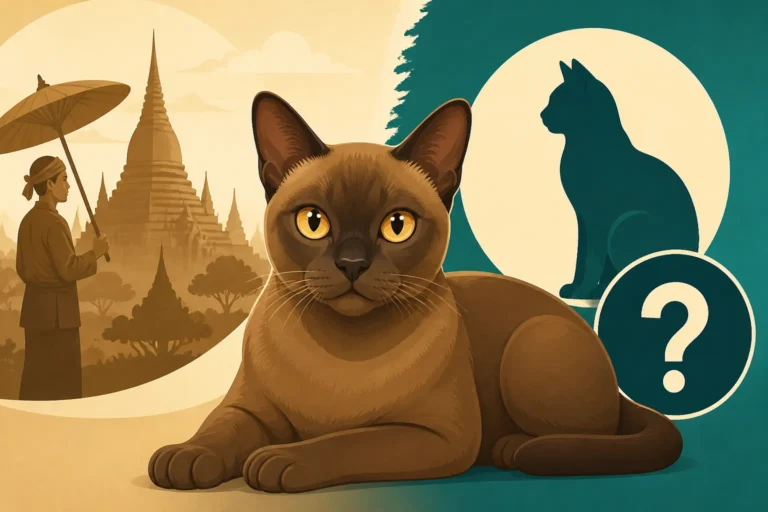
The story of the Burmese cat begins with a single, captivating feline brought to the United States from Burma (modern-day Myanmar) in 1930. This cat, a female named Wong Mau, was truly unique and became the cornerstone of the entire breed.
Wong Mau's Arrival and Dr. Thompson's Vision
Imagine a beautiful, medium-brown cat with a compact body and striking gold eyes, landing in San Francisco. That was Wong Mau, and she immediately caught the eye of Dr. Joseph C. Thompson, a naval psychiatrist with a passion for cat genetics. Dr. Thompson wasn't just charmed by her beauty; he recognized that she possessed traits unlike any Western cat he'd seen. Her rich brown coat and solid color weren't quite like the pointed patterns of the Siamese, nor were they like the fully self-colored domestic cats. He suspected she carried a unique genetic makeup.
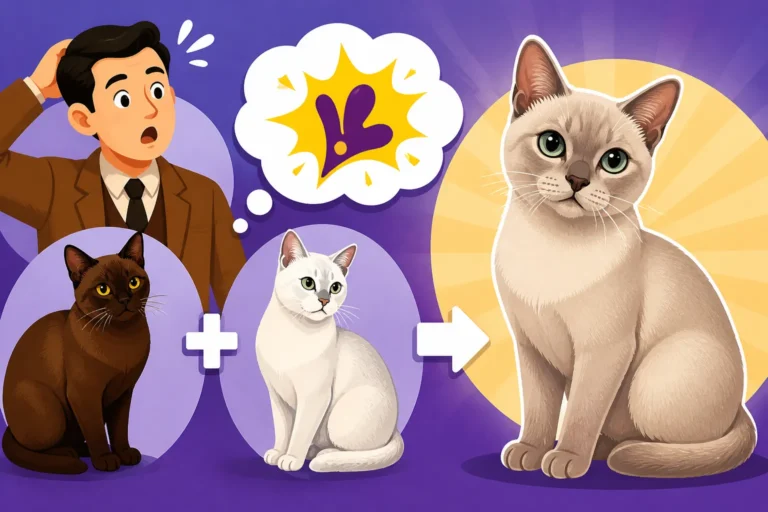
To understand Wong Mau's genetic secrets, Dr. Thompson embarked on a scientific breeding program. He bred Wong Mau to a Siamese cat, which at the time was the closest type with similar ancestry. The resulting kittens were a revelation. Some were pure Siamese in appearance, others were solid brown like Wong Mau, and a third group displayed an intermediate, mink-like coloration. This proved that Wong Mau was not a purebred Siamese, nor a standard domestic cat, but rather a hybrid with a distinctive gene. This gene, the 'cb' allele, is what gives the Burmese its unique color expression. This groundbreaking work forms the very foundation of the breed we know today. To learn more about this incredible starting point, you can read The Burmese Began With One Cat Called Wong Mau and Dr Joseph Thompson and the Burmese He Bought in 1930. The decision to breed her with a Siamese cat was crucial in unraveling her genetic code, as detailed in Why the First Burmese Was Bred to a Siamese.
Early Recognition and the First Standard
With Dr. Thompson's work, the Burmese cat began to gain recognition in the American cat fancy. The Cat Fanciers' Association (CFA) first recognized the Burmese for championship status in 1936, a remarkably swift ascent. Breeders worked diligently to establish a consistent type based on Wong Mau's characteristics, aiming for a cat that was distinct from both the Siamese and other developing breeds. The goal was a cat of medium size, with a compact, muscular body, a rounded head, and those characteristic golden eyes.
However, the rapid popularity of the breed, coupled with the limited gene pool, led to some challenges. Some breeders, in their eagerness to produce more Burmese, occasionally bred them back to Siamese cats, which introduced undesirable traits and muddied the genetic waters. This led to a period of concern within the CFA about the purity of the breed. In 1947, the CFA took the drastic step of suspending Burmese registration and championship status. This was a critical moment for the breed's development in America. Breeders were forced to focus on producing only purebred Burmese for several generations before the breed could be reinstated in 1956. This history is deeply explored in CFA Suspended the Burmese in 1947 and Took It Back. This early push for purity, though challenging, solidified the American Burmese type and laid a firm groundwork for its future.
The Atlantic Divide: How Geography and Ideals Split the Breed
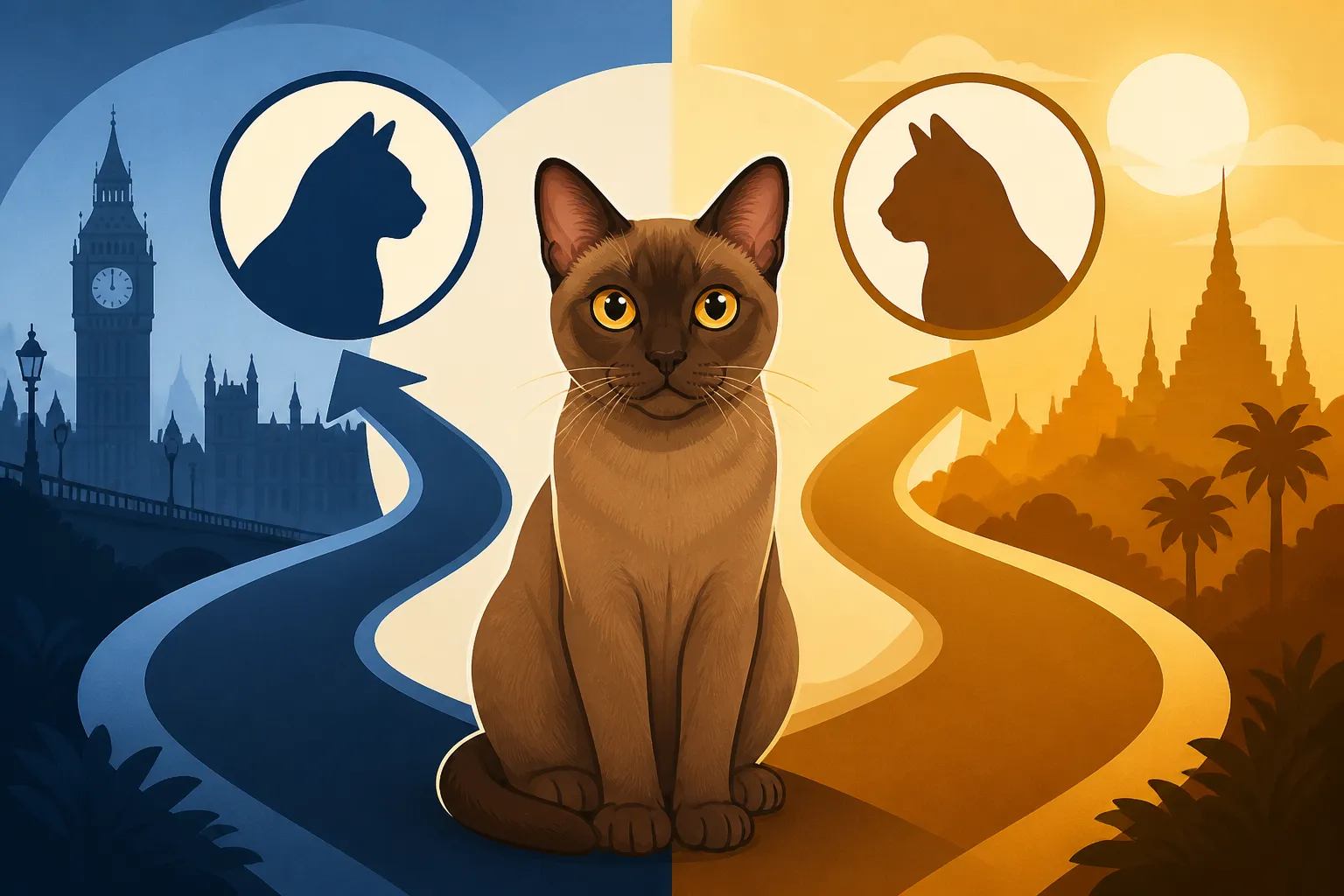
While the Burmese was finding its footing and defining its look in America, the breed was also making its way across the Atlantic to the United Kingdom. However, the path it took there, coupled with a different set of aesthetic preferences, would lead to a significant divergence.
Post-War Rebuilding and Limited Gene Pools
The first Burmese cats arrived in Britain around the late 1940s, shortly after World War II. The post-war era presented considerable challenges for establishing any new cat breed. Resources were scarce, travel was difficult, and the number of breeding cats available was very limited. Unlike in America where Wong Mau provided a strong starting point and genetic analysis, the initial British Burmese lines were often established from cats imported from America, which themselves might have had varying degrees of Siamese influence due to the early breeding practices before the CFA suspension.
This limited gene pool meant that British breeders had fewer choices and perhaps a slightly different starting point than their American counterparts. They faced the monumental task of building a viable breeding program from a handful of cats. This often meant a necessary focus on health and fertility to ensure the breed's survival, sometimes over strict adherence to an emerging 'type'. The geographical isolation also meant less direct communication and collaboration with American breeders, allowing distinct interpretations of the ideal Burmese to develop independently.
Divergent Breeding Philosophies
As the breed developed in both the US and the UK, subtle differences in breeding philosophies began to emerge, eventually leading to quite different physical characteristics. American breeders largely adhered to the original vision of a compact, rounded cat, emphasizing a well-developed musculature and a charming, almost doll-like face with full cheeks and a short, broad muzzle. They sought to amplify these "cobby" features, striving for a substantial, heavy-boned cat.
On the other hand, British breeders, perhaps influenced by the popularity of the sleek, elegant Siamese at the time, began to favor a more moderate and oriental look. They gravitated towards a cat with a slightly longer, more athletic body, a wedge-shaped head with a longer muzzle, and larger, more expressive ears. This wasn't a conscious effort to create a new breed initially, but rather a gradual evolution driven by individual breeder preferences and the available gene pool. Over time, these subtle differences became more pronounced, and the two populations began to truly diverge, laying the groundwork for what we now recognize as the American and European Burmese types. The process of this split is critical to understanding the breed's current form, and you can explore more about this in How the American and European Burmese Split.
American vs. European Standards: A Tale of Two Aesthetics
The divergence in breeding philosophies eventually led to the establishment of two distinct breed standards, one for the American Burmese and another for the European (or British) Burmese. These standards codified the desired physical traits and ensured that each type would develop along its own path.
The American Ideal: Roundness and Substance
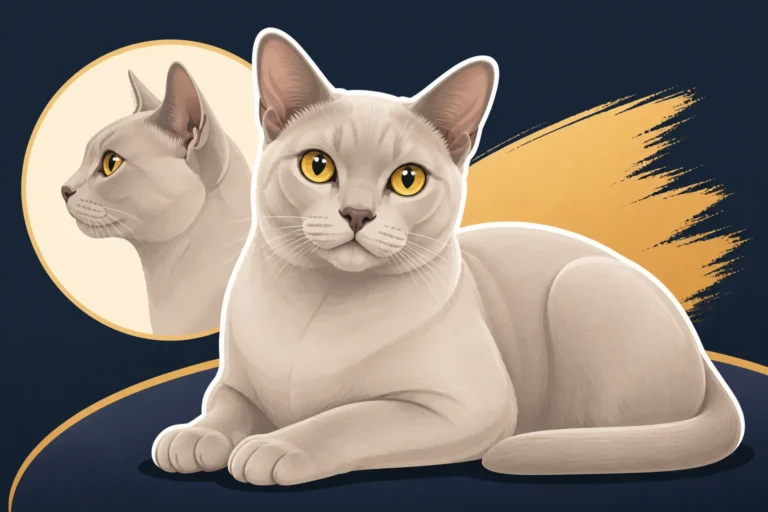
The American Burmese standard, primarily upheld by associations like the CFA, emphasizes a cat that is noticeably compact and muscular. When you look at an American Burmese, you're immediately struck by its solid feel – often described as a "brick wrapped in silk." The head is distinctly rounded, with full cheeks and a broad, short muzzle. The eyes are large and set well apart, with a rounded aperture, typically golden in color. The ears are medium-sized, broad at the base, and rounded at the tips, tilting slightly forward.
The body is compact and heavy, with a deep chest and strong legs. This "cobby" body type gives the American Burmese its characteristic sturdy appearance. Breeders focus on maintaining this substantial bone structure and impressive muscle development. For a detailed breakdown, What the American Burmese Standard Asks For provides a comprehensive overview of these specific traits. The specific way a Burmese's head is evaluated in the show ring highlights these preferences, as discussed in How a Burmese's Head Is Judged. This standard creates a cat that is undeniably powerful and cuddly, a robust companion that perfectly embodies the "dog-like" personality often attributed to the breed.
The European Ideal: Elegance and Moderate Orientalism
In stark contrast, the European Burmese standard, recognized by bodies like the Governing Council of the Cat Fancy (GCCF) in the UK and various FIFE (Fédération Internationale Féline) affiliated clubs in Europe, promotes a more svelte and elegant appearance. While still muscular, the European Burmese has a slightly longer, more slender body, giving it a less cobby and more athletic silhouette.
The head shape is distinctly different; it's a short, modified wedge, rather than round. The muzzle is also longer and more distinct than its American counterpart. The eyes, while still golden, tend to be more almond-shaped and set at a slight angle, contributing to a more oriental expression. The ears are larger and more pointed, set further apart on the head. This combination of features gives the European Burmese a sophisticated, graceful look. The aim is a harmonious balance of elegance and strength, a cat that moves with poise and carries itself with dignity. You can delve into the specific requirements of this standard by reading What the European Burmese Standard Asks For.
The Role of Registries in Formalizing the Divide
The establishment of separate breed standards by different international cat registries was the definitive step in formalizing the American and European Burmese as distinct types. Once these standards were set, breeders on each side of the Atlantic began to exclusively breed for their respective ideals.
This meant that a cat bred to the American standard would likely not perform well in a European show ring, and vice-versa, due to fundamental differences in head shape, body type, and overall aesthetic. Moreover, interbreeding between the two types became highly discouraged, and in many registries, outright forbidden, to maintain the integrity of each lineage. This effectively created two separate breeding populations, each with its own set of preferred characteristics. This decision by the major cat registries to delineate and maintain separate standards played an invaluable role in solidifying the distinctions we see today. If you're curious about how these bodies navigate the recognition of these two types, Which Registries Separate the Two Burmese Types offers a fascinating insight into the administrative aspect of this breed split.
The Impact on Breed Characteristics and Health
The deliberate divergence in breeding standards and subsequent separation of gene pools have naturally led to observable differences in both the physical appearance (phenotype) and, in some cases, the genetic predispositions for certain health conditions between the American and European Burmese.
Phenotypic Differences: Beyond Just Appearance
While we've touched on the broad differences in head and body shape, the phenotypic distinctions go deeper than that. The American Burmese, with its emphasis on roundness and short muzzle, tends to have a slightly softer facial expression. Their coat, while still the famous "satin," might feel marginally denser due to the cobby build and a potential subtle difference in undercoat development, though both are exceptionally fine. Their vocalizations, while always a "rasp" rather than a true meow, can sometimes be perceived as slightly softer or more conversational, fitting their more rounded, approachable look.
Conversely, the European Burmese's wedge-shaped head and longer muzzle contribute to a more alert and often intense gaze. Their leaner, more athletic build is reflected in their movement, which tends to be fluid and graceful. The coat on a European Burmese often lies even closer to the body, accentuating their sleek lines. These subtle yet numerous physical attributes create a truly distinct aesthetic, making it relatively easy for a knowledgeable observer to tell the two types apart.
Genetic Considerations and Health Divergence
The separation of the American and European Burmese into distinct breeding populations has also had implications for their genetic makeup and, consequently, their health profiles. When a gene pool becomes smaller or isolated, certain genetic traits, both desirable and undesirable, can become more concentrated.
For the European Burmese, the initial challenges of establishing the breed after the war with a limited number of foundation cats meant a smaller effective gene pool. This can lead to certain conditions becoming more prevalent or less diverse in their genetic expression. For example, while both types are beloved, breeders in Europe have historically focused heavily on health screening and maintaining genetic diversity within their distinct lines. This separate development means that while both share common Burmese traits like intelligence and affection, certain specific health issues might have different prevalences in each type. Understanding these genetic nuances is crucial for responsible breeding and ownership, especially concerning inherited conditions. The implications of a more restricted gene pool are explored further in Why the European Burmese Gene Pool Is Smaller, and for a broader understanding of breed-specific health, Which Diseases the Burmese Actually Carries is an excellent resource.
Living with the Legacy: Understanding Both Types
Despite the clear physical differences and distinct breeding histories, both the American and European Burmese proudly carry the hallmark temperament that makes this breed so beloved. For prospective owners, understanding these distinctions is key to choosing the right feline companion.
Shared Temperament: The Heart of the Burmese
Perhaps the most enduring and unifying trait across both American and European Burmese types is their extraordinary personality. Regardless of whether they boast a rounded head or a wedge, both are famous for being "Velcro cats." They are incredibly affectionate, often described as "dog-like" in their devotion to their human companions. They thrive on interaction and often follow their people from room to room, seeking physical closeness. It's not uncommon to find a Burmese riding on a shoulder, snuggled under the covers, or gently head-bunting for attention.
Their intelligence is equally renowned, making them highly trainable and engaging companions. They love to play, even well into old age, and are known for their curiosity and playful antics. This unwavering desire for human companionship and their robust, playful nature are truly universal to the breed, bridging any aesthetic divide. The fundamental personality traits of this breed are beautifully captured in The Burmese Is the Velcro Cat of the Cat Fancy.
The Modern Owner's Perspective
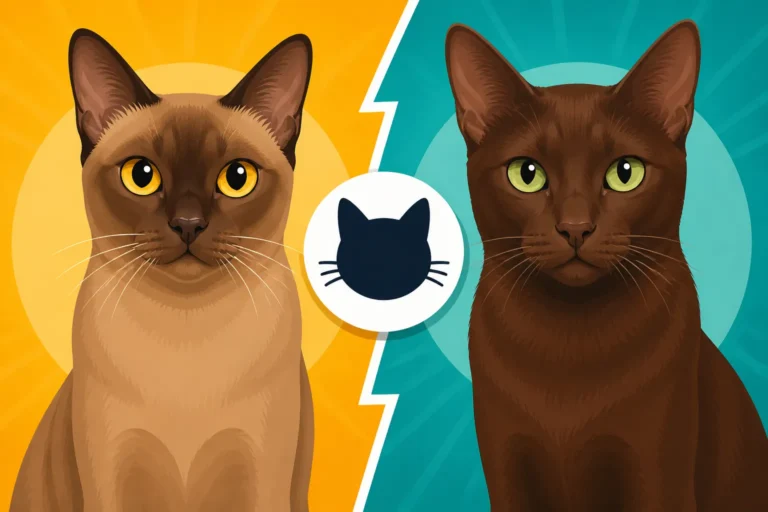
For anyone considering bringing a Burmese into their home, it's essential to understand that you are essentially choosing between two distinct looks, each with its own charm. Neither type is inherently "better" than the other; it's purely a matter of personal preference regarding aesthetics. However, recognizing that these differences exist is crucial.
When seeking a kitten, it's important to clarify with breeders whether they specialize in American or European lines. Responsible breeders will be transparent about their cats' heritage and the standards they adhere to. They will also educate you on the potential health considerations specific to their lines and provide proper health clearances for the breeding pair. It's important to remember that these two types are rarely, if ever, crossed due to the distinct standards and potential for undesirable mixed traits. If you are ever unsure, knowing How to Tell Which Burmese Type You Are Buying is invaluable. This separation is deliberately maintained by breeders to preserve the unique characteristics and genetic integrity of each line, a practice detailed in Why the Two Burmese Types Are Not Crossed. Taking the time to research, visit breeders, and understand the nuances of each type will ensure you find the perfect Burmese companion for your family.
Disclaimer
This article is for general informational purposes only and does not constitute professional advice. Laws, prices and regulations vary by location and change over time. Consult a qualified professional for guidance on your specific situation.