Why a Burmese Contract Bans Crossing the Two Types
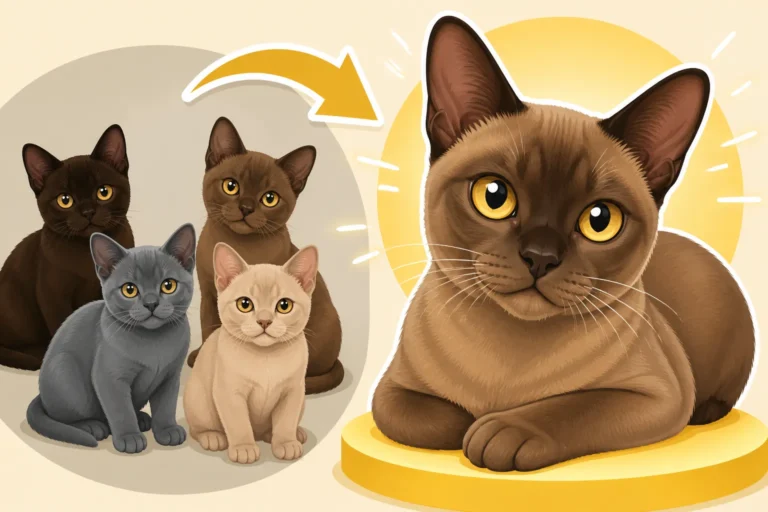
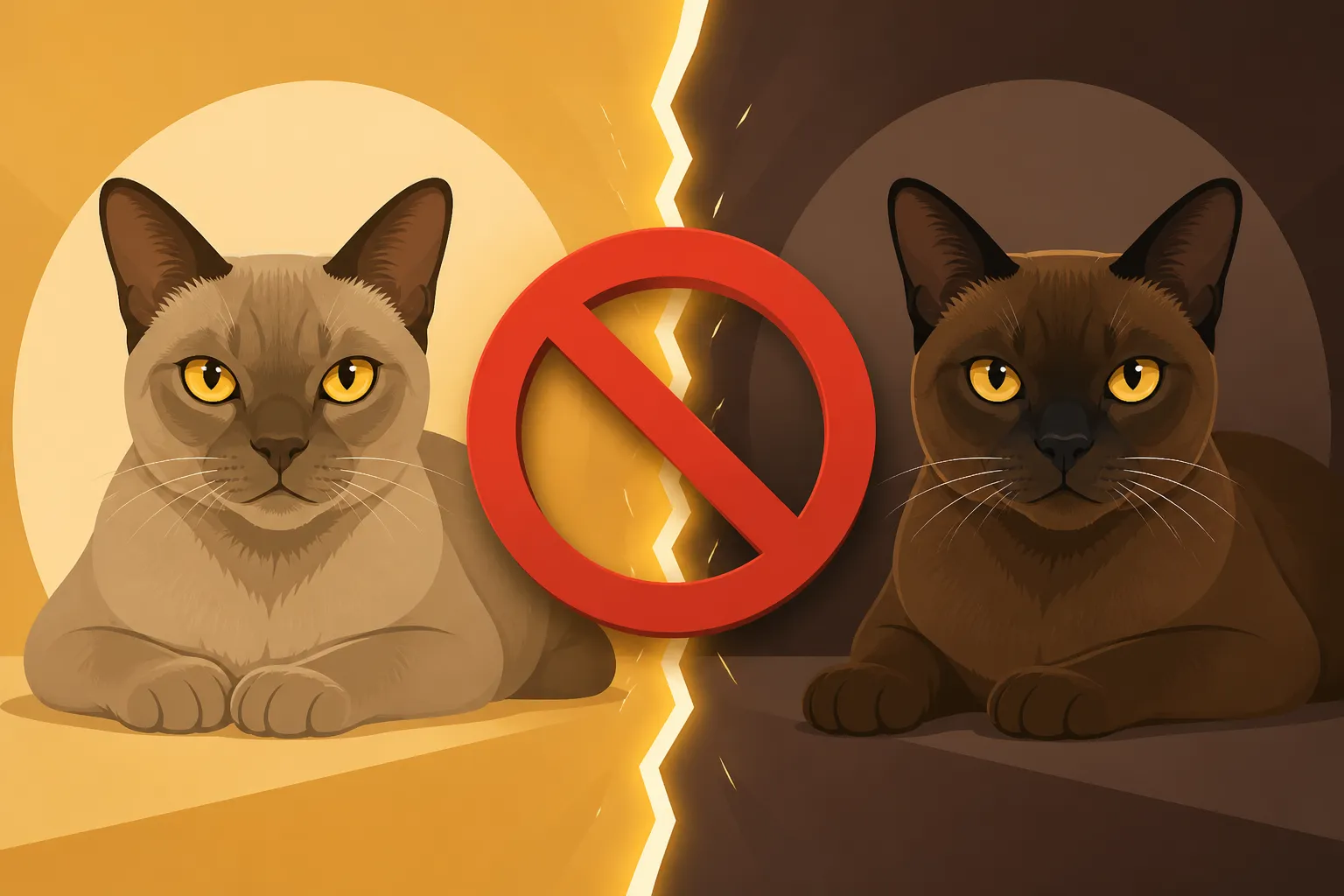
It can be incredibly confusing when you're looking into getting a Burmese kitten and stumble upon breed contracts that explicitly forbid crossing the "two types" of Burmese cats. You might wonder, "Aren't they all just Burmese?" This isn't just a quirky breeder preference; these clauses are rooted in decades of dedicated breeding efforts aimed at preserving distinct lineages and ensuring the long-term health and integrity of each unique Burmese type. This guide will walk you through why these contracts exist, what the differences are, and why it matters to you as a prospective owner.
Understanding the "Two Types" of Burmese
To truly grasp why a contract bans crossing the two Burmese types, we first need to understand that the breed, while originating from a single cat, evolved into two distinct interpretations. It's not unlike how different regions develop unique culinary traditions from the same core ingredients.
A Tale of Two Continents: How the Burmese Diverged
The story of the Burmese begins with Wong Mau, a cat brought from Burma (now Myanmar) to the United States in the 1930s by Dr. Joseph Thompson. Initially, there was just the Burmese. However, as the breed gained popularity and spread to other parts of the world, particularly the UK, different interpretations of the ideal Burmese cat began to emerge. Post-World War II, with limited international travel and breeding stock, the lines in America and Europe developed in relative isolation. This geographical separation, combined with the preferences of local breeders and cat fancy organizations, led to the establishment of two subtly yet significantly different breed standards. This divergence is a key part of understanding How the American and European Burmese Split.
Breeders on each continent focused on different characteristics they deemed paramount, slowly but surely shaping the physical appearance of their respective Burmese populations. What started as minor variations eventually solidified into two distinct "types," each with its own set of enthusiasts and dedicated breeders. It wasn't an overnight decision, but a gradual evolution driven by passion and selective breeding practices over generations.
Distinct Physical Characteristics: American vs. European
The most obvious reasons for the separation are the physical differences between the American Burmese and the European Burmese. While both share that wonderfully affectionate, dog-like personality and the iconic satin-like coat, their structural blueprints differ quite a bit. The American Burmese typically has a shorter, broader head, with a distinct muzzle break and rounder, gold eyes. They often appear more compact and "cobby," with a rounder body and shorter legs. Think of a well-rounded, robust brick wrapped in silk.
On the other hand, the European Burmese tends to have a slightly longer, wedge-shaped head, a less pronounced muzzle break, and eyes that are more almond-shaped and often a yellowish-green hue. Their body is generally longer and more elegant, often described as "foreign" in type, with longer legs. They still have muscle, but it's presented in a more svelte package. These distinctions are meticulously detailed in their respective breed standards, which dictate everything from ear placement to tail length. Understanding What a Burmese Looks Like Against the Standard is crucial.
The Role of Breed Standards in Maintaining Type
Breed standards are not just arbitrary guidelines; they are the blueprints that define what a specific breed should look and feel like. For the Burmese, different major cat registries adopted and refined standards based on the diverging preferences. In the United States, organizations like the Cat Fanciers' Association (CFA) recognize the American Burmese type. In Europe, the Governing Council of the Cat Fancy (GCCF) and Feline Federation Europe (FIFe) largely recognize the European Burmese type, often under the simple name "Burmese."
These standards serve several critical purposes. Firstly, they provide a clear goal for breeders, guiding their selection of breeding pairs to consistently produce kittens that embody the ideal traits of their chosen type. Secondly, they provide a framework for judging in cat shows, ensuring that cats are evaluated against a consistent benchmark. Without these standards, the unique characteristics that define each Burmese type could easily become muddled and lost. When you see a contract banning crosses, it's often a breeder's commitment to upholding these cherished standards.
The Core Reasons for the Contractual Ban
So, why go to such lengths as to include a contractual ban? It all boils down to the preservation of each distinct lineage, the health of the breed, and the reputation of the breeders who dedicate their lives to these magnificent cats.
Protecting Breed Purity and Aesthetic Integrity
For dedicated breeders, the commitment to a specific Burmese type is profound. They invest years, sometimes decades, into carefully selecting breeding stock, researching pedigrees, and nurturing lines that consistently produce kittens fitting the American or European standard. When you cross the two types, you inevitably dilute these carefully cultivated traits. The resulting kittens might not fully embody either standard, presenting a mixture of characteristics that breeders consider "muddied" or "off-type." Imagine trying to bake a perfect soufflé by mixing ingredients from two completely different recipes – the outcome is unlikely to be what you intended for either.
Breeders strive for uniformity within their chosen type. They want their kittens to carry forward the specific head shape, eye color, body type, and overall elegance that defines either the American or European Burmese. A contractual ban is their way of safeguarding this aesthetic integrity and ensuring that the lineage they are working so hard to maintain remains true to its established form. It’s about more than just looks; it's about honoring the history and selective breeding that brought each type into being.
Avoiding Unpredictable Genetics and Health Outcomes
While the Burmese breed generally shares some common health predispositions, such as a higher risk for diabetes (as highlighted in The Burmese Has the Highest Diabetes Rate of Any Cat Breed), careful breeding within established lines allows for more predictable genetic management. Breeders perform extensive health testing, including DNA panels for known conditions like hypokalemia (Hypokalemia Is the Burmese Disease With a DNA Test), and track health trends within their specific lines.
When you cross American and European lines, even if both parents are healthy, you introduce a greater degree of genetic variability that can make it harder to predict the phenotype (physical expression) of inherited traits, including some health aspects. While it might not introduce entirely new diseases, it can complicate the careful genetic mapping and health tracking that responsible breeders undertake. The goal is to produce healthy kittens that conform to a predictable type, and uncontrolled crossing can undermine this predictability, making it harder for breeders to offer reliable health guarantees.
The Breeder's Reputation and the Future of the Breed
A breeder's reputation is built on the quality, health, and consistency of the kittens they produce. If a breeder starts crossing types, and their kittens no longer consistently meet a recognized standard, their standing within the cat fancy can be severely impacted. This isn't just about winning ribbons; it's about being known as a breeder who produces true-to-type, healthy animals.
Furthermore, the contractual ban looks to the long-term future of both Burmese types. If widespread, uncontrolled crossing occurred, the distinct American and European types could eventually merge into an intermediate form, effectively erasing the unique characteristics that make each one special. This would be a significant loss for the breed and for those who appreciate the subtle differences. Breeders, through these contracts, are acting as guardians of their chosen lineage, ensuring that future generations can still experience and appreciate the distinct beauty of an American or a European Burmese. It’s a commitment to What a Burmese Breeder Must Test Before Any Mating and ensuring the future health and conformation of the breed.
What "Crossing the Two Types" Actually Means
It’s easy to think of "crossing" as a simple matter of mating two cats, but the implications run deep, affecting everything from the appearance of the offspring to their eligibility for registration and show.
The Genetic Impact on Litters
When an American Burmese is bred to a European Burmese, the genetic outcome for the litter can be quite varied and often unpredictable in terms of conformation to either established standard. You might not get a perfect blend of both, but rather kittens that inherit a mix of traits that don't quite fit the ideal of either parent's type. For instance, some kittens might have a head shape that's too long for an American standard but too broad for a European one. Their eye shape or placement might be similarly "in-between."
These first-generation (F1) crosses are often visually ambiguous. The real challenge comes if someone were to attempt to breed from these F1 crosses. The genetic expression in subsequent generations (F2, F3, etc.) would become even more diluted and unpredictable, leading to a loss of uniformity. This genetic "muddling" is precisely what breeders aim to prevent, as it undermines the careful selection and established pedigrees that define each Burmese type.
Challenges with Registration and Showing
One of the most practical consequences of crossing the two types is the difficulty, or often impossibility, of registering the resulting offspring as either a pure American or pure European Burmese with major cat fancy organizations. Registries like CFA and TICA have specific standards and pedigree requirements for each type. A kitten from a mixed pairing might not meet the criteria to be registered as either, essentially making them "unregistrable" as a purebred Burmese of a recognized type.
For owners interested in showing their cats, this is a significant hurdle. Cats must conform closely to the breed standard to be competitive in the show ring. A cross-type cat would likely be heavily penalized by judges for failing to meet the specific conformation requirements of either type, making a successful show career improbable. This is why many reputable breeders provide papers that clearly delineate the cat's lineage and type, ensuring Which Registries Separate the Two Burmese Types.
The Ethical Considerations for Breeders
For ethical and responsible breeders, adhering to the contractual ban on crossing types is a matter of integrity and dedication to the breed. They feel a deep responsibility to preserve the distinct qualities of the Burmese type they have chosen to champion. This commitment often extends to educating prospective owners about these differences and the rationale behind maintaining separate lines.
Breeders view their work as custodians of genetic lines that have been painstakingly developed over many years. Introducing a cross-type mating goes against this custodial ethic, as it intentionally deviates from the established path. It's about respecting the historical journey of the breed and maintaining the genetic clarity that allows for continued health monitoring and predictable outcomes within each type. When you engage with a breeder, they're often keen to discuss Why the Two Burmese Types Are Not Crossed as a point of pride and responsibility.
Implications for Owners and Prospective Buyers
As a future Burmese owner, understanding these distinctions and contractual clauses is crucial. It impacts what kind of cat you bring home, the expectations you can have, and how you support responsible breeding.
Why Your Contract Matters
The breeding contract you sign with a reputable Burmese breeder isn't just a formality; it's a critical document that outlines expectations, guarantees, and the breeder's commitment to the health and integrity of their cats. A clause banning the crossing of American and European types serves to protect both the breed and you as a buyer. It signifies that the breeder is committed to selling you a purebred Burmese of a specific, recognized type, conforming to established standards.
This level of detail in the contract assures you of the kitten's lineage and phenotype, which is especially important if you have a preference for the distinct look of one type over the other. It also helps to prevent backyard breeding or accidental pairings that could result in kittens that don't meet breed standards, are harder to register, or potentially have less predictable health outcomes. Always read your contract carefully and ask questions if anything is unclear.
The Importance of Breeder Transparency
A transparent breeder will openly discuss whether they breed American or European Burmese, the characteristics of their lines, and why they adhere to a specific standard. They should be proud to show you their breeding cats' pedigrees and genetic test results, like those mentioned in How to Check a Burmese's Hypokalemia Certificate. A good breeder will also explain the nuances of their chosen type and how it differs from the other. This transparency is a hallmark of an ethical breeder and shows their dedication to maintaining healthy, true-to-type animals.
Be wary of breeders who are vague about their cats' lineage, can't clearly articulate which type they breed, or claim their cats are a "mix" of the two to create a "best of both worlds" scenario. Such claims often indicate a lack of understanding or adherence to established breeding practices, which could lead to unpredictable kittens. Always inquire about What to Ask About a Burmese Line's Diabetes History and other genetic predispositions.
Making an Informed Choice
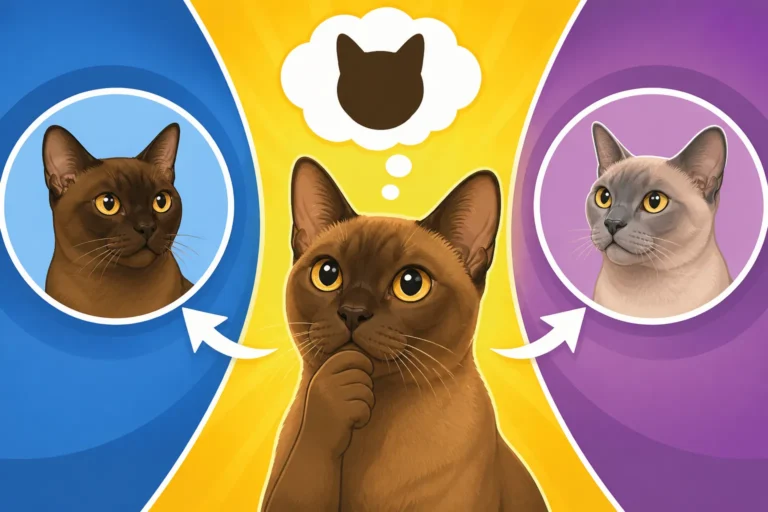
As a prospective owner, knowing about the two Burmese types empowers you to make an informed decision. Do you prefer the rounder, cobby look of the American Burmese, or the more elegant, wedge-shaped head of the European Burmese? While temperament is remarkably consistent across both types—they are both incredibly loving, social, and playful—the visual differences are undeniable.
Take the time to research both types, look at pictures, and if possible, meet both American and European Burmese cats. Consider which aesthetic appeals to you most and then seek out a breeder who specializes in that specific type. By doing so, you're not only getting the cat you desire, but you're also supporting the ethical preservation of these beautiful, distinct lineages. Remember, the goal is a healthy, happy cat, and an informed choice starts with understanding the breed's complexities.
Navigating the Burmese Breeding Landscape
Finding the right Burmese cat involves more than just picking a cute face; it's about connecting with a breeder who shares your values for health, temperament, and breed integrity. Understanding the landscape of Burmese breeding will guide you.
Finding a Reputable Breeder Who Adheres to Standards
When searching for a Burmese kitten, prioritizing a reputable breeder is paramount. A reputable breeder will always be transparent about the type of Burmese they breed (American or European), their adherence to recognized breed standards, and their extensive health screening protocols. They will be actively involved with cat fancy organizations, whose rules and guidelines often reinforce the separation of the two types.
Look for breeders who:
- Are willing to discuss their breeding philosophy and why they specialize in one type.
- Provide clear pedigrees, demonstrating generations of pure American or European lineage.
- Show proof of genetic testing for conditions relevant to the Burmese, such as hypokalemia and tests related to diabetes risk.
- Are selective about prospective buyers, asking questions about your lifestyle to ensure a good match, like Why a Burmese Breeder Asks How Long You Work.
- Encourage you to visit their cattery (if feasible) or provide video tours, allowing you to see the living conditions and interaction with their cats.
A good breeder acts as a mentor, guiding you through the responsibilities of Burmese ownership. They won't just sell you a kitten; they'll help you understand What a Burmese Kitten Has Had Done by Thirteen Weeks and provide ongoing support.
The Future of the Two Types: Preservation vs. Evolution
The debate within the cat fancy about maintaining or potentially merging the two Burmese types is an ongoing discussion. For now, the prevailing wisdom and the established practices of most reputable breeders and cat registries lean heavily towards preservation. The goal is to ensure that both the American Burmese and the European Burmese continue to thrive as distinct types, each retaining the unique characteristics that breeders have diligently worked to cultivate for decades.
This doesn't mean the breed is static. Responsible breeding also involves genetic diversity within each type to prevent inbreeding and maintain a robust gene pool. However, this is done carefully and thoughtfully within the boundaries of each type's standard, not by crossing the lines. It's a balance of preserving history while ensuring a healthy future, all without creating a "generic" Burmese that loses its specific identity.
Supporting Ethical Breeding Practices
By choosing a kitten from a breeder who adheres to the contractual ban on crossing Burmese types, you are actively supporting ethical breeding practices. You are validating the significant effort and investment that goes into producing healthy, well-socialized, and true-to-type kittens. This also means you're more likely to bring home a cat that fits your expectations in terms of appearance and temperament, and one that has a robust health history.
This commitment extends beyond the initial purchase. Choosing the right food, for instance, is a critical part of a Burmese's health, as Feeding a Burmese Is a Medical Decision, Not a Preference. High-quality, low-carbohydrate wet food can be crucial for managing their predispositions. Furthermore, investing in pet insurance from providers like Healthy Paws, especially for a breed with specific health considerations, demonstrates your long-term commitment to their well-being. Your choice as an owner reinforces the value of careful, responsible breeding, contributing to the health and longevity of these wonderful feline companions.
| Feature | American Burmese | European Burmese |
|---|---|---|
| Head Shape | Shorter, broader, distinct muzzle break | Slightly longer, wedge-shaped, less pronounced break |
| Eye Shape | Rounder | More almond-shaped |
| Eye Color | Typically gold | Yellowish-green to gold |
| Body Type | Cobby, compact, robust ("brick in silk") | Longer, more elegant, moderate ("foreign") |
| Legs | Shorter | Longer |
| Registries | CFA (Cat Fanciers' Association) | GCCF (Governing Council of the Cat Fancy), FIFe |
| Origin | Developed in USA | Developed in UK |
Disclaimer
This article is for general informational purposes only and does not constitute professional advice. Laws, prices and regulations vary by location and change over time. Consult a qualified professional for guidance on your specific situation.