Why a Burmese Litter Has to Be Handled, Not Photographed
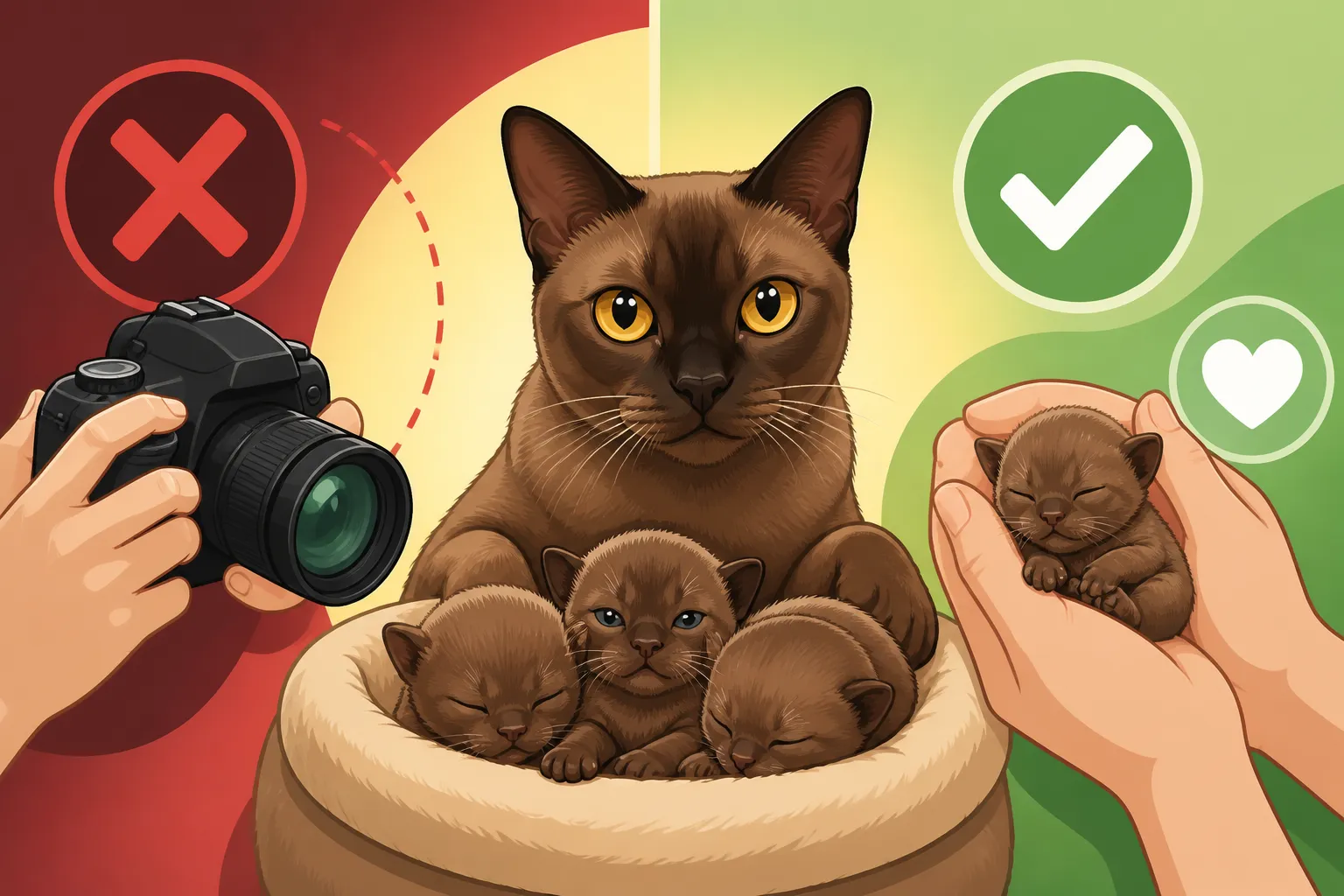
Falling in love with a picture of a Burmese kitten online is an easy thing to do – those big, soulful eyes and plush coats are just irresistible! But the truth is, a photograph, no matter how professionally taken, can only tell you so much. For a breed as physically distinct and temperamentally unique as the Burmese, choosing a kitten sight unseen, or based solely on images, can leave you completely unprepared for the reality of your new family member. This guide will explain precisely why a hands-on, in-person visit is absolutely critical when selecting a Burmese kitten, revealing the vital insights you simply cannot gather from a digital screen.
The Deceptive Charm of a Photograph: What You Miss Online
We live in a visually driven world, and it's natural to scroll through countless photos of adorable kittens before deciding which one captures your heart. Breeders often post stunning pictures of their litters, showcasing their beautiful colors and captivating expressions. However, while these images are wonderful for initial introductions, they are woefully inadequate for truly assessing a Burmese kitten destined to become a beloved member of your family. The static nature of a photograph can mask a myriad of subtle yet significant details about a kitten's health, personality, and overall well-being. It’s like trying to judge a classic novel by its cover – you get a glimpse, but none of the depth or substance.
Beyond the "Cute Factor": The Limits of Visuals
A perfectly posed picture can hide a multitude of realities. For example, a kitten might look plump and healthy in a still shot, but in reality, it could be carrying parasites, leading to a distended belly rather than true robust health. Its coat might appear glossy, but a close inspection in person could reveal dullness, dandruff, or even flea dirt, indicating underlying issues. Eye discharge, subtle limping, or even just a general lack of alertness are things that a well-timed photo can easily crop out or obscure. Imagine looking at a photo of a kitten that seems perfectly fine, only to discover later that its breathing is labored or it’s constantly scratching due to skin irritation. These aren't things a photo can convey, and they are critical pieces of information for a responsible pet owner.
Furthermore, a photograph is utterly silent on the subject of temperament, which for a Burmese is arguably as important as their physical health. You can't see shyness, fear, or an overly aggressive play style in a picture. You can't tell if a kitten is confident and curious, or withdrawn and hesitant. A breeder might highlight the "sweetest" kitten in a photo, but that sweetness needs to be observed in action – how it interacts with its littermates, how it responds to human touch, and how it adapts to new sounds and environments. A Burmese is known for its intense sociability and "velcro" personality, so understanding its budding temperament is paramount. You need to know that this is a cat that will thrive in your home, not one that will hide under the couch for weeks.
The Importance of Movement and Interaction
Cats are dynamic creatures, and their health and personality are often revealed through their movement and interactions. A photograph freezes a moment, but it doesn't show you how a kitten walks, runs, or plays. Are its movements fluid and coordinated, or is there a subtle wobble or stiffness? Does it engage joyfully with its siblings, wrestling and chasing, or does it sit apart, observing rather than participating? These are all critical indicators.
A truly healthy and well-socialized Burmese kitten should be full of playful energy, pouncing, batting, and exploring. It should be curious about its surroundings and responsive to sound and gentle stimulation. A kitten that is lethargic, constantly sleeping, or reluctant to engage in play might be experiencing a health issue that needs veterinary attention. You need to see this vibrancy, this spark, which is the hallmark of a healthy kitten. An active kitten is a happy kitten, and observing that natural behavior is a non-negotiable part of the selection process.
The Hands-On Advantage: Unveiling a Kitten's True Nature
When you meet a Burmese litter in person, you open up a world of sensory information that photos simply cannot replicate. This hands-on experience allows you to gather a holistic understanding of each kitten, extending far beyond superficial appearances. It's an opportunity to truly connect, observe, and assess, ensuring that the kitten you choose is not just appealing but also healthy and temperamentally suited to your life. This intimate interaction is invaluable, giving you insights into their physical condition and their blossoming personalities.
Assessing Physical Health Up Close
This is where the rubber meets the road. Picking up each kitten, feeling its weight, and gently examining it gives you a wealth of information. You can check its eyes for clarity and discharge, its nose for dampness (not runny!), and its ears for cleanliness and any signs of mites or infection. Run your hand over its coat – does it feel soft and smooth, or is it greasy, matted, or thinning in patches? Lift its lips to check its gums; they should be a healthy pink. Introducing a Toothbrush to a Burmese at Twelve Weeks is often recommended by breeders to get them used to dental care early, which is a good sign.
Feel along its body, checking its ribs and spine. Is it underweight, or does it have a healthy, muscular feel? For a Burmese, a breed known for its "brick wrapped in silk" physique, feeling their dense muscle is part of the experience. Critically, you can also gently feel their chest. Conditions like Flat Chested Kitten Syndrome, while rare, can be detected this way. Why a Burmese Kitten's Chest Should Be Checked at Birth is a serious consideration, as early detection is crucial. Observing how the kitten walks and runs can also reveal issues like How Hypokalemia First Shows in a Burmese Kitten, where a kitten might exhibit a stiff gait or an inability to hold its head up during an episode. These are all things that no photograph, no matter how good, can truly show you.
Gauging Temperament and Socialization
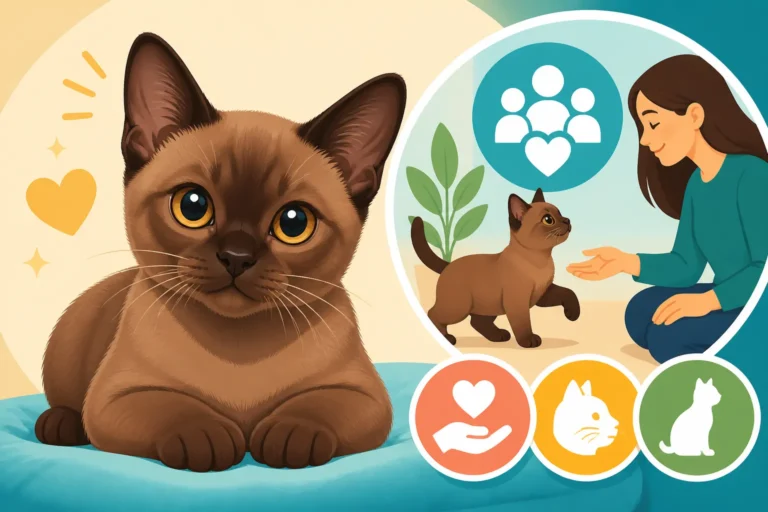
Beyond physical health, meeting a kitten allows you to gauge its temperament firsthand. A Burmese is a famously affectionate and social breed, often described as a "dog in a cat's body." You want to see a kitten that is confident, curious, and comfortable with human interaction. Does it approach you readily? Does it purr when picked up? How does it respond to gentle handling, being stroked, or having its paws touched? A well-socialized Burmese kitten should be quite accepting of this. Why a Burmese Kitten Insists on Being Handled is a testament to their nature; they crave interaction.
Observe how the kittens interact with each other. Are they playing nicely, or is one overly dominant or withdrawn? Do they roughhouse in a healthy way, or is there any aggression? Seeing these dynamics can tell you a lot about their individual personalities. A good breeder spends countless hours socializing their kittens, exposing them to various sounds, textures, and interactions, which lays the groundwork for a confident and friendly adult cat. Your visit is an extension of that crucial early work.
Here’s a quick overview of what a photo can and cannot tell you versus what handling reveals:
| Feature | What a Photo Can (or Cannot) Reveal | What Hands-On Handling Reveals |
|---|---|---|
| Overall Body Condition | Shows general shape, but can hide true weight (fat vs. muscle) or parasites. | Allows you to feel muscle tone, assess weight, detect bloating or tenderness. |
| Coat Quality | Appears glossy/smooth, but hides dandruff, oiliness, shedding, or parasites. | You feel the silkiness, check for parasites, dandruff, skin issues, or dryness. |
| Eye/Nose/Ear Health | May look clear, but hides subtle discharge, redness, or ear mites. | Allows close inspection for clarity, discharge, crusting, and internal ear cleanliness. |
| Breathing/Respiration | Completely invisible. | You can listen for clear breathing, detect wheezing, or labored breaths. |
| Temperament/Confidence | Impossible to tell; a still image offers no behavioral cues. | Reveals playfulness, shyness, curiosity, how it reacts to touch, sound, and new people. |
| Physical Anomalies | Nearly impossible to see subtle issues like flat chest or umbilical hernia. | Allows palpation to detect issues like Why a Burmese Kitten's Chest Should Be Checked at Birth or joint issues. |
| Interaction | Shows kittens grouped, but not dynamic play or individual responses. | You see how they play with siblings, how they respond to toys and human engagement. |
| Muscle Tone | Appears well-formed, but doesn't convey density. | You feel the renowned "brick wrapped in silk" musculature, indicative of breed type. |
A Breeder's Perspective: More Than Just a Pretty Face
Responsible Burmese breeders understand that they are not just selling kittens; they are placing cherished family members. They invest a tremendous amount of time, effort, and heart into raising their litters, ensuring they are healthy, well-socialized, and ready for their new homes. This deep commitment is why they often insist on in-person visits or extensive video calls, and why they want to learn about you as much as you want to learn about their kittens. For a Burmese, the early environment and handling they receive from their breeder are foundational to their entire lives.
The Breeder's Role in Early Development and Assessment
A good breeder is a kitten's first teacher and healthcare provider. They oversee the kittens' development from birth, monitoring their growth, health, and burgeoning personalities. They know which kitten is the boldest, which is the most reserved, and which one constantly seeks out human affection. This intimate knowledge goes far beyond what any photograph could ever hope to convey. They meticulously track feeding, weight gain, and any sniffles or sneezes. They are also responsible for all initial veterinary care, including vaccinations and deworming. What a Burmese Kitten Has Had Done by Thirteen Weeks typically includes a full course of vaccinations and thorough health checks.
Furthermore, a dedicated breeder ensures that kittens are handled frequently and gently from a very young age. This constant, positive human interaction is crucial for a Burmese, making them comfortable and confident around people. Why a Burmese Kitten Stays Until It Is Socialized until around 13-14 weeks of age is common, allowing ample time for these vital developmental milestones to be met under the breeder's watchful eye. This early socialization prepares them for a lifetime of being a devoted companion.
Why Breeders Want You to Visit (or Video Call Extensively)
When a breeder encourages or requires an in-person visit, it's not just for your benefit – it's for the kittens' too. It’s a two-way interview process. They want to ensure that their precious kittens are going to loving, appropriate homes. They'll likely ask you many questions, such as Why a Burmese Breeder Asks How Long You Work, because they know a Burmese needs significant companionship and shouldn't be left alone for long stretches. A Burmese is often called Why a Burmese is the Velcro Cat of the Cat Fancy for a reason; they thrive on being with their people.
Visiting allows you to see the entire environment where the kittens are being raised – the cleanliness of the cattery, the interaction of the queen with her kittens, and the overall atmosphere. You can observe the parents, gaining insight into the adult temperament and physical characteristics your kitten might inherit. This transparency is a hallmark of a reputable breeder. If a breeder is hesitant or unwilling to allow visits or thorough video interactions, it should raise a red flag. They should be proud to show you their environment and their happy, healthy cats.
Practical Steps for a Thorough Kitten Selection
Making the decision to bring a Burmese kitten into your home is a significant one, and the selection process should be approached with care and diligence. By prioritizing hands-on interaction and asking the right questions, you can ensure you're making an informed choice that leads to a lifetime of joy with a healthy, well-adjusted companion. Don't be shy about asking for the time and access you need to make this crucial decision.
What to Look For During a Visit
When you arrive at the breeder's home, don't just focus on the one kitten you might have seen in a photo. Take time to observe the entire litter. Notice how they play together – is it lively and engaging? Gently pick up each kitten, one at a time, to assess its physical health and temperament. Does it melt into your arms, or is it stiff and resistant? Does it purr, or does it seem frightened? Engage them with a small toy to see their play drive and coordination. A good breeder will encourage this interaction, allowing you to spend quality time with the litter.
Remember to also look at the general environment. Is it clean and does it smell fresh? Are the cats well-cared for, with clean litter boxes, fresh water, and appropriate toys? A healthy environment fosters healthy kittens. Make sure you also meet the mother cat, if possible, as her temperament can be a strong indicator of her kittens' future personalities.
Questions to Ask Your Breeder
Your visit is also an opportunity to ask important questions. Don't be afraid to delve into their health history. Inquire about vaccination records, deworming schedules, and any initial vet checks the kittens have had. What a Burmese Kitten's First Exam Should Cover typically includes a thorough physical, checking for congenital defects, and assessing overall health. Ask about the health history of the parents, especially regarding genetic conditions common in the breed, such as diabetes or hypokalemia. A reputable breeder will be transparent about these concerns and provide documentation for genetic testing results.
Discuss their feeding regimen. What kind of food are the kittens currently eating? Many breeders advocate for high-quality wet food to keep carbohydrate intake low, which is especially important for diabetes-prone breeds like the Burmese. High-quality wet foods or fresh food options can be excellent choices that breeders might recommend. Ask about transition protocols to ensure a smooth dietary change when you bring your kitten home. Finally, ask about the support they offer after you take your kitten home – a good breeder will be a lifelong resource.
Considering a Pair: Doubling the Joy, Halving the Anxiety
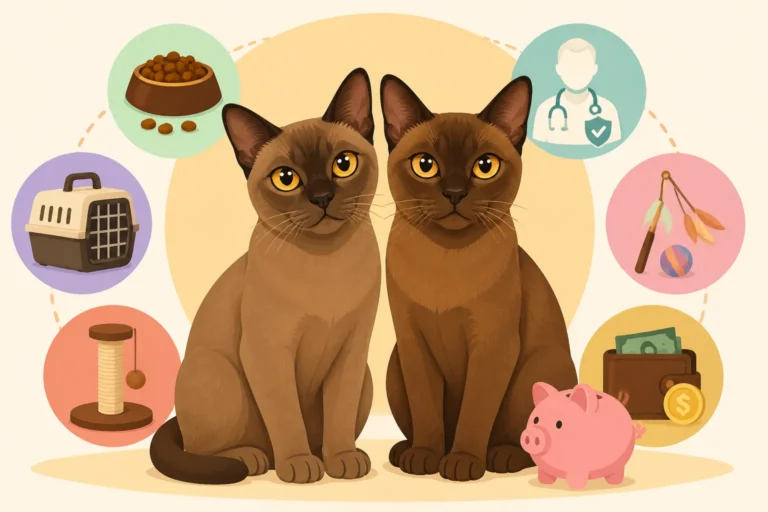
For a Burmese, who are notorious "velcro cats," companionship is not just desired, it's often essential. They thrive on interaction and can suffer from separation anxiety if left alone for extended periods. Why a Burmese Cannot Be Left Alone All Day is a common refrain among breeders and owners. If your household involves long working hours or frequent absences, seriously consider getting two Burmese kittens.
Many breeders, recognizing the deep social needs of this breed, will actually Why a Burmese Breeder Recommends Buying a Pair. This is not just a sales tactic; it's a genuine recommendation for the well-being of the cats. Two kittens can provide each other with companionship, play, and comfort, significantly reducing the chances of anxiety-related behavioral issues down the line. While the initial cost might be higher, the long-term benefits for your peace of mind and the cats' happiness can outweigh it. Plus, two playful kittens can provide endless entertainment, and Why a Burmese Pair Halves the Damage Bill is often true because they keep each other occupied and out of mischief! While no insurance policy can cover everything, having a plan from providers like Healthy Paws can certainly help ease the burden of unexpected veterinary costs, especially if you decide to bring home two active, playful kittens.
Disclaimer
This article is for general informational purposes only and does not constitute professional advice. Laws, prices and regulations vary by location and change over time. Consult a qualified professional for guidance on your specific situation.