How Much a Burmese Pair’s First Year Adds Up To
Bringing home one Burmese kitten is an absolute joy, a whirlwind of purrs and playful antics. But if you're like most potential Burmese parents, the thought of welcoming two immediately raises a big question: does twice the cat mean twice the cost? It's a natural worry, and while some expenses certainly scale up, the reality is that a Burmese pair's first year can actually be more harmonious and, in some unexpected ways, even more economical than managing a lonely single Burmese. This guide will walk you through the real financial picture of welcoming two of these wonderful, clingy companions.
The Upfront Financial Investment for Your Burmese Pair
When you decide to bring home two Burmese kittens, the initial financial outlay can feel substantial, and it's certainly more than for a single kitten. This covers not just the kittens themselves, but all the essential supplies needed to make your home a safe and welcoming haven for them. It’s important to budget carefully for these initial costs to avoid any surprises once your new furry family members arrive.
Kitten Purchase Price and Breeder Fees
The cost of the kittens themselves is often the largest initial expense. Burmese kittens from reputable breeders, especially those who adhere to rigorous health testing and ethical breeding practices, will have a price tag that reflects their quality, health guarantees, and the extensive care invested in them. While you are indeed paying for two individual animals, many breeders offer a slight discount or preference for families willing to take a pair, recognizing the immense benefit for the kittens' socialization and well-being. This isn't just about saving a few dollars; it's about investing in their mental health from day one, which can prevent costly behavioral issues down the line. Remember to clarify what's included in the price – vaccinations, microchipping, and initial vet checks are often part of a responsible breeder's package. You'll want to ask about whether the deposit covers both of a pair, for instance, and how far ahead a Burmese litter is booked out.
Beyond the raw purchase price, consider the implications of choosing a reputable breeder. These breeders often provide guarantees for hereditary conditions like Hypokalemia or even diabetes predispositions, giving you peace of mind. A cheap Burmese might seem appealing initially, but often means corners were cut on crucial health screening, leading to far greater costs later. The initial investment in well-bred kittens means you're starting with a strong foundation, which is priceless when it comes to the long-term health and happiness of your companions. It truly is a case of "you get what you pay for" in the world of purebred cats.
Initial Supplies and Setup for Two
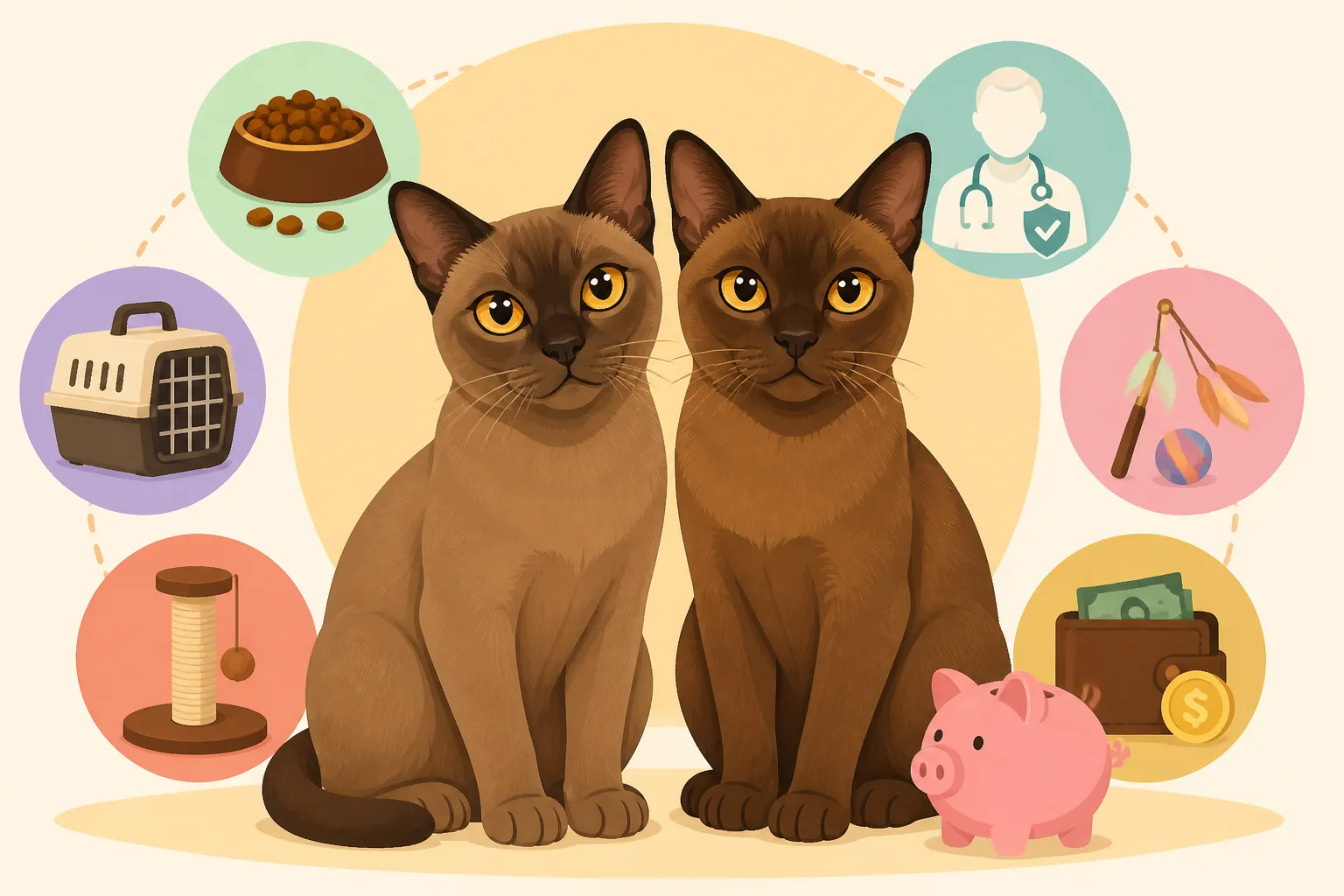
Setting up your home for two kittens means investing in duplicates of some items, but not all. Essential items like food and water bowls can often be shared, especially if they're a bonded pair from the same litter. However, you'll definitely need at least two litter boxes, ideally three, to ensure proper hygiene and prevent territorial disputes, even among the best of friends. Scratching posts and cat trees are also crucial. While they might share a large multi-level cat tree, having multiple scratching surfaces in different areas of the house encourages appropriate scratching behavior and saves your furniture from becoming a target.
Think about bedding and cozy spots. While your Burmese pair will likely gravitate towards sleeping with you and on you (they are the original The Burmese Is the Velcro Cat of the Cat Fancy after all!), having a few designated comfortable beds or blankets around gives them options. Toys are another area where you'll want variety, but not necessarily strict duplicates. A good mix of wand toys, interactive puzzles, and small independent toys will keep both engaged. Bulk buying items like litter and certain foods can often lead to savings when stocking up for two, and online retailers like Chewy often have subscriptions or larger bag options that are more cost-effective for multi-cat households.
Navigating Ongoing Expenses for Two Burmese Kittens
Once the initial setup is complete, the ongoing expenses for a Burmese pair shift towards routine care, which includes food, litter, and regular veterinary check-ups. While some of these costs will indeed be double that of a single cat, others might only increase marginally, and the benefits of having two well-adjusted cats often outweigh the scaled costs.
Diet and Nutrition for a Growing Pair
Feeding two Burmese kittens means a bigger grocery bill, no doubt. However, the true cost isn't just about quantity, it's about quality, especially for a breed known for its propensity for diabetes. Feeding a Burmese Is a Medical Decision, Not a Preference, not just a matter of convenience. Opting for a high-quality, low-carbohydrate wet food is paramount, and this typically costs more per serving than dry kibble. While the upfront cost may seem higher, this dietary choice is a proactive measure against expensive future veterinary bills associated with managing feline diabetes. Many Burmese owners find that high-protein, low-carb options, even premium ones, are well worth the investment.
You'll be weighing out portions for each kitten, ensuring they both get the appropriate amount for their growth and activity levels without overeating, which is another crucial step in preventing diabetes. Why a Burmese Should Never Be Free Fed is a lesson many owners learn the hard way. For a pair, this means two distinct meal times, or at least two separate bowls to ensure fair distribution, especially if one is a faster eater. Even then, you might notice one finishes their bowl and then tries to steal from the other, making separate feeding areas or even timed feeders (though less ideal for wet food) a consideration. This rigorous approach to diet, while seemingly more work, pays dividends in their long-term health and can save a considerable amount compared to treating a diabetic cat later on.
Litter, Grooming, and Routine Vet Care
Litter is one area where costs will definitely increase with two cats. More cats mean more waste, and thus more litter. It's not just about the volume; it's about maintaining hygiene to keep both cats happy and prevent inappropriate elimination issues. Having How Many Boxes Two Burmese Need is critical – at least two, preferably three, cleaned daily. You might find yourself buying larger bags of litter more frequently, and opting for higher quality, dust-free options to protect their respiratory health. Again, bulk purchases from retailers like Chewy can help manage this cost.
Grooming, thankfully, is relatively low cost for the Burmese. Their The Burmese Satin Coat Is the Shortest in the Cat Fancy and requires minimal intervention. A weekly rub-down with a chamois cloth is often all that's needed to keep their coat gleaming. What little hair they shed often clings to the chamois, meaning less vacuuming too! However, routine nail trims and regular dental care are important for both cats. Introducing teeth brushing from an early age, as detailed in Brushing a Burmese's Teeth From Twelve Weeks, is crucial to prevent gum disease later in life, which can be a significant expense.
Routine vet visits are essentially double for a pair, as each cat needs its own vaccinations, deworming, and annual health checks. However, the peace of mind that comes from having two thriving, well-socialized cats often reduces the chances of stress-related illnesses or injuries that might lead to unexpected vet visits for a single, lonely Burmese.
Planning for Health, Wellness, and the Unexpected in a Pair
Beyond the day-to-day, a responsible Burmese owner understands the importance of planning for the unexpected. This includes health insurance, potential genetic testing, and budgeting for emergencies. While these costs might seem daunting for two cats, many aspects of a Burmese's unique health profile mean that some precautions are simply non-negotiable, and having a pair can offer unexpected benefits.
Health Insurance and Preventative Measures
Investing in pet insurance for both of your Burmese kittens from a young age is one of the smartest financial decisions you can make. The Burmese breed is predisposed to certain health conditions, most notably diabetes and Hypokalemia. While insurance generally doesn't cover pre-existing conditions, enrolling them as kittens ensures coverage for future illnesses. Whether a Burmese Policy Is Worth It Once Diabetes Is Excluded is a common question, and the answer is almost always yes, due to the myriad of other potential issues. Providers like Healthy Paws offer various plans that can cover accidents, illnesses, and even some emergency care, providing a crucial safety net for two active, curious kittens.
Preventative care goes hand-in-hand with insurance. This includes regular vet check-ups where your vet can monitor their weight, dental health, and overall well-being. Discussion around their carbohydrate intake and glucose levels should start early. Genetic testing for conditions like Hypokalemia is a must for any responsible breeder and should be provided to you. If you adopt a rescue, getting a What a Full Burmese Genetic Panel Costs for each cat can save you worry and expense down the line. While the cost of two insurance policies and two sets of preventative tests is higher than one, the cumulative financial risk of dealing with two uninsured, unwell cats is exponentially greater.
The Unforeseen: Emergencies and Behavioral Health
Even with the best preventative care, emergencies can happen. A tumble from a cat tree, an accidental ingestion, or a sudden illness can lead to significant veterinary bills. Having insurance can mitigate these shocks. However, the presence of a companion can significantly reduce the likelihood of certain stress-induced problems. A lonely Burmese can develop destructive behaviors, excessive vocalization, or even pull out their own fur due to separation anxiety. Why Two Burmese Cost Less Than One Anxious One is a common refrain among experienced owners, because behavioral issues often lead to vet visits, medication, and even property damage.
| Category | Single Burmese (First Year Est.) | Burmese Pair (First Year Est.) | Notes |
|---|---|---|---|
| Initial Purchase | Higher | Higher | Varies wildly by breeder, some pair discounts. |
| Vet Visits (Initial) | Scale: 1x | Scale: 2x | Vaccinations, check-ups, microchipping. |
| Food (Quality Wet) | Scale: 1x | Scale: 2x | Crucial low-carb diet to prevent diabetes. |
| Litter & Boxes | Scale: 1x | Scale: 1.5-2x (3 boxes for 2 cats) | Increased volume, more boxes needed for hygiene. |
| Toys & Enrichment | Scale: 1x (but more attention needed) | Scale: 1x (self-entertaining pair) | Some items shared, pair entertains each other. |
| Beds & Carriers | Scale: 1x | Scale: 1x (shared carriers, beds) | Often share larger beds, one larger carrier for travel. |
| Pet Insurance | Scale: 1x | Scale: 2x | Essential for breed-specific health issues. |
| Dental Care (Initial) | Scale: 1x | Scale: 2x | Early brushing helps reduce future costs. |
| Behavioral Costs | High potential (loneliness) | Low potential (companionship) | Lonely Burmese can be destructive, anxious. |
A pair of Burmese kittens will naturally entertain each other, play together, and provide comfort, especially when you're out of the house. This dramatically reduces the risk of them developing destructive habits born from boredom or anxiety. While you'll still need to provide plenty of interaction and play sessions, their mutual companionship is an invaluable asset to their overall well-being, both emotionally and financially. This social bond from kittenhood makes A Burmese Kitten's First Year of Never Being Alone a reality, even if you have to leave for work.
The Hidden Value: Why Two Burmese Can Actually Be More Cost-Effective
While the thought of having two cats initially conjures images of double the bills, the unique characteristics of the Burmese breed often mean that a pair can be a surprisingly smart long-term investment. It's not just about emotional enrichment for them (and you!), but about tangible benefits that can offset, or even reduce, certain costs over their lifespan.
Mitigating Separation Anxiety and Destructive Behavior
One of the most compelling arguments for bringing home a Burmese pair is their intense need for companionship. Burmese cats are often called "dog-like" or "Velcro cats" for a reason; they thrive on interaction and can suffer deeply from loneliness. A single Burmese left alone for extended periods can develop severe separation anxiety, which manifests in destructive behaviors like inappropriate urination, excessive vocalization, or even self-mutilation, such as pulling out their fur. These issues not only create stress for you but can lead to expensive vet visits, behavioral consultations, and property damage. Why a Lonely Burmese Pulls Its Satin Coat Out isn't just a sad thought; it's a real medical problem that requires intervention.
When you have two Burmese, they provide constant companionship for each other. They play, groom, and sleep together, fulfilling that deep social need that a human owner, no matter how devoted, simply cannot provide 24/7. This dramatically reduces the likelihood of anxiety-driven behaviors, thereby saving you money on damage repair, specialized cleaning, and potentially costly behavioral therapy or medications. The cost of a second cat, in this scenario, can be viewed as an insurance policy against the myriad expenses and heartaches associated with a lonely, anxious single cat. Many breeders will even advise you on Why Burmese Breeders Sell Them in Pairs for this very reason.
Shared Resources and Long-Term Health Benefits
While food and vet visits scale up, many other resources can be shared, or the need for them is reduced. For instance, a larger, more robust cat tree or climbing structure can be enjoyed by both, rather than needing two smaller ones. Similarly, a single, high-quality, comfortable bed can often accommodate both of them snuggled together, especially given their penchant for seeking warmth and closeness. Even car carriers can sometimes be shared for vet trips if they're a very bonded pair and the carrier is adequately sized, though individual carriers are often recommended for safety.
Perhaps the greatest long-term cost-effectiveness comes from the profound impact companionship has on their overall health. Happy, well-adjusted cats are generally healthier cats. Reduced stress can mean a stronger immune system, fewer stress-related illnesses, and a better ability to cope with routine procedures like nail trims or vet examinations. A pair is less likely to become obese from boredom, especially if they actively play with each other, which is a major factor in preventing diabetes later in life. Their mutual grooming habits also contribute to healthier coats and skin. Essentially, while you're technically providing for two, the synergy of their relationship means you're investing in a more robust, content, and ultimately, healthier cat household. They truly embody the idea that Why Two Burmese Cost Less Than One Anxious One.
Disclaimer
This article is for general informational purposes only and does not constitute professional advice. Laws, prices and regulations vary by location and change over time. Consult a qualified professional for guidance on your specific situation.