Why a Burmese’s Vet Year Is Built Around a Glucose Check
It's an unfortunate truth that welcoming a beautiful Burmese cat into your home also means embracing a unique set of health considerations, particularly when it comes to their predisposition to diabetes. This reality means that your Burmese's annual veterinary visit isn't just a routine check-up; it's a critical, proactive step, meticulously structured around monitoring their glucose levels to safeguard their long-term health. This guide will walk you through why this vigilance is so crucial and what a diabetes-focused vet year really looks like for your beloved companion.
The Unmistakable Reality: Burmese and Their Diabetes Predisposition
It’s hard to imagine a more devoted companion than a Burmese, with their soft satin coats and endless purrs. But beneath that affectionate exterior lies a genetic quirk that makes them uniquely vulnerable to certain health issues, with diabetes being at the top of the list. This isn't just a vague risk; it's a significant factor that fundamentally shapes their lifelong care.
Why Burmese Cats Are Different
Unlike many other cat breeds, the Burmese carries a higher genetic predisposition to feline diabetes mellitus. Research has highlighted that the Burmese has The Burmese Has the Highest Diabetes Rate of Any Cat Breed, making proactive screening an absolute necessity. This isn't about blaming the breed; it's about understanding their unique biology and tailoring our care to match. We're talking about a metabolic difference that means their bodies simply don't process sugars in the same efficient way as other breeds, putting extra strain on their pancreas. It's a fundamental part of what makes them, them, and it’s something every Burmese owner needs to be aware of from day one. In particular, some lines, especially Why Australian and European Burmese Lines Show It Most, show an even higher incidence, underscoring the importance of knowing your cat's lineage.
Understanding the Risk Factors Beyond Genetics
While genetics load the gun, environment often pulls the trigger. For a Burmese, several lifestyle factors can significantly escalate their already elevated diabetes risk. Weight management is paramount; even a slight amount of extra chub can put undue stress on their system. This is Why Weight Is the Only Lever a Burmese Owner Has when it comes to mitigating diabetes risk. An overweight Burmese is simply asking for trouble, metabolically speaking. Diet plays a colossal role here too – high-carbohydrate foods, often found in dry kibble, can constantly spike their blood sugar, pushing their pancreas to its limits over time. Age is another factor; as cats get older, their risk increases, particularly At What Age a Burmese Usually Turns Diabetic. And, believe it or not, whether your male Burmese is neutered can also impact their risk, with Why a Neutered Male Burmese Is Highest Risk being a recognized trend. It's a combination of these elements, layered on top of their genetic predisposition, that makes monitoring so critical.
The Annual Glucose Check: More Than Just a Blood Draw
Given the inherent risks, the annual glucose check for a Burmese isn't just a quick add-on; it's the centerpiece of their preventive health care. This isn't just about catching overt diabetes; it's about identifying subtle shifts that could signal trouble long before full-blown symptoms appear.
What Your Vet Is Looking For
When your Burmese goes in for their annual check-up, the vet will likely perform a few different tests to get a clear picture of their glucose metabolism. A standard blood glucose test measures the sugar circulating in their blood at that moment. However, cats are masters of stress, and a trip to the vet can send their blood sugar soaring, making a single reading unreliable. This is where a fructosamine test comes in handy. What a Fructosamine Test Shows in a Burmese is a fantastic indicator because it provides an average of the blood glucose levels over the preceding two to three weeks, unaffected by acute stress. This gives a much more accurate representation of your Burmese's typical sugar regulation. Your vet is looking for trends, not just a single snapshot. They want to see if their levels are creeping up, even if they're not yet in the diabetic range, because those early warnings can save you a lot of heartache (and expense) down the line.
The Importance of Regularity and Baselines
Consistent annual glucose checks allow your veterinarian to establish a baseline for your individual cat. Every Burmese is unique, and what might be a normal range for one could be an early warning sign for another, especially when it comes to breeds with such a specific genetic background. Tracking these numbers year after year creates a personalized health record that flags even minor deviations. Why a Burmese's Glucose Should Be Checked From Seven years of age, for example, is a crucial marker as the risk naturally climbs. These regular checks are about being proactive, not reactive. You're not waiting for your cat to show outward signs like excessive thirst or weight loss – Which Signs Come First in a Diabetic Burmese – you're actively looking for the silent signals within their bloodwork. This consistent data helps your vet make informed decisions about diet adjustments, lifestyle changes, or even earlier intervention if necessary, keeping your beloved Burmese as healthy as possible for as long as possible.
Beyond Diabetes: A Holistic Annual Health Picture
While the glucose check takes center stage for a Burmese, it's vital to remember that a comprehensive annual vet visit covers much more. Your vet is looking at the whole cat, not just their blood sugar. Everything from their teeth to their joints contributes to their overall well-being.
Comprehensive Physical Examination
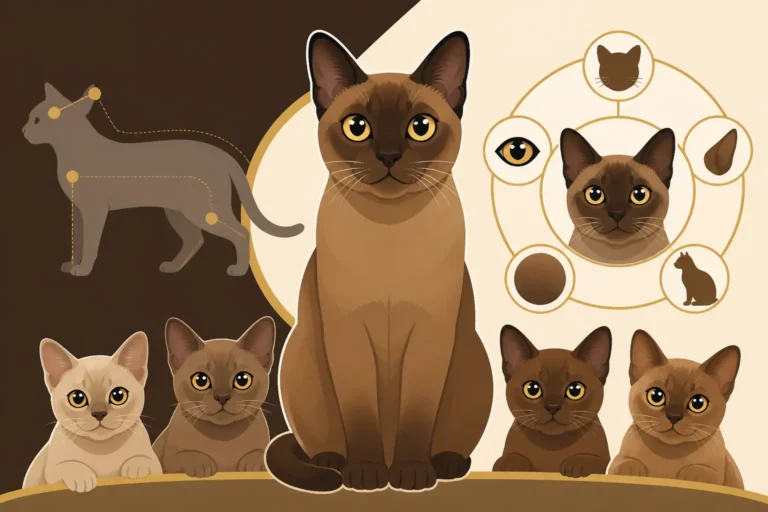
Even the most thorough bloodwork doesn't replace a hands-on physical exam. Your vet will meticulously check your Burmese from nose to tail, looking for anything out of the ordinary. This includes assessing their body condition score, which is crucial for a breed that can easily mask weight gain due to their muscular build. They'll palpate their abdomen, listen to their heart and lungs, check their ears and eyes, and examine their coat quality. How to Feel a Burmese's Ribs Under a Satin Coat is a particular skill for vets, given the breed's dense musculature. Dental health is also a huge priority for Burmese cats, as Why a Burmese Is Prone to Gum Disease. A thorough dental check can reveal early signs of gingivitis or other oral issues that might require cleaning or intervention to prevent pain and more serious complications down the road. These routine checks are invaluable for catching other potential problems that might not be immediately obvious to you at home, even if your Burmese is typically Why a Burmese Hides Illness Behind Its Affection.
Addressing Other Common Burmese Health Concerns
Beyond diabetes, Burmese cats have other specific health considerations that warrant attention during their annual visit. Hypokalemia, also known as Burmese Hypokalemic Polymyopathy, is another genetically linked condition that can cause muscle weakness. While a DNA test can identify carriers, your vet will still look for any clinical signs, such as a "meerkat neck" posture, especially in younger cats. How Hypokalemia First Shows in a Burmese Kitten can be very subtle, so a vet's trained eye is essential. Regular dental check-ups, as mentioned, are critical. With their short muzzles and crowded teeth, Burmese are predisposed to plaque buildup and gum disease, often requiring professional cleanings more frequently than other breeds. How Often a Burmese Needs a Dental is a conversation you'll likely have with your vet to create a preventive schedule. Even seemingly minor issues like Why a Burmese's Eyes Water and Crust will be addressed, as these could indicate allergies or other irritations that need managing. The annual vet visit is a comprehensive wellness check, carefully tailored to the unique needs of your special Burmese.
Proactive Care: Partnering with Your Vet and Budgeting
Taking care of a Burmese cat, particularly with their health predispositions, requires a proactive partnership with your veterinarian and a realistic approach to budgeting. This isn't just about reacting to problems; it's about actively preventing them and being financially prepared.
Preparing for Your Burmese's Annual Appointment
To make the most of your Burmese's annual check-up, preparation is key. Keep a log throughout the year of anything unusual: changes in appetite or thirst, litter box habits, energy levels, or any subtle shifts in behavior. Did they suddenly start drinking more water? Why a Burmese Drinking More Needs Testing That Week is a crucial red flag for diabetes. Bring a fresh stool sample, as well as any specific questions or concerns you've noticed. If your cat tends to be anxious at the vet, discuss strategies for reducing stress, such as pheromone sprays or a familiar blanket in their carrier. For breeds as affectionate and people-oriented as the Burmese, a positive vet experience is vital for their emotional well-being, too. It’s also a good idea to bring a list of all foods and treats your Burmese consumes, so your vet can assess their diet’s carbohydrate load, especially since Why Low Carbohydrate Food Matters for a Burmese.
Financial Planning for a Diabetes-Prone Breed
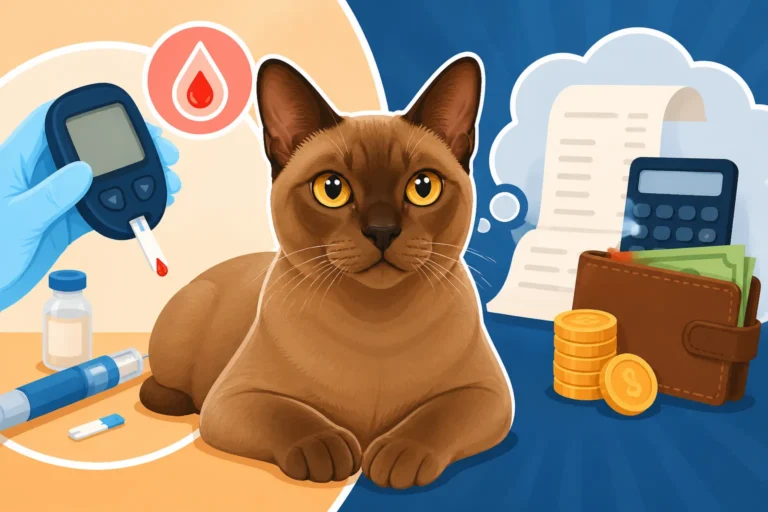
Let's be realistic: owning a purebred cat, especially one with known genetic predispositions, comes with potential financial considerations. Budgeting for your Burmese means factoring in the possibility of managing conditions like diabetes. Pet insurance can be a lifesaver here, but it's crucial to get it before any symptoms or diagnoses appear, as most policies consider existing conditions ineligible. Companies like Healthy Paws offer various plans that can help mitigate the costs of unexpected illnesses or accidents. Do your research early to find a policy that covers a wide range of conditions. Even without a diagnosis, the annual glucose checks and regular vet visits add up.
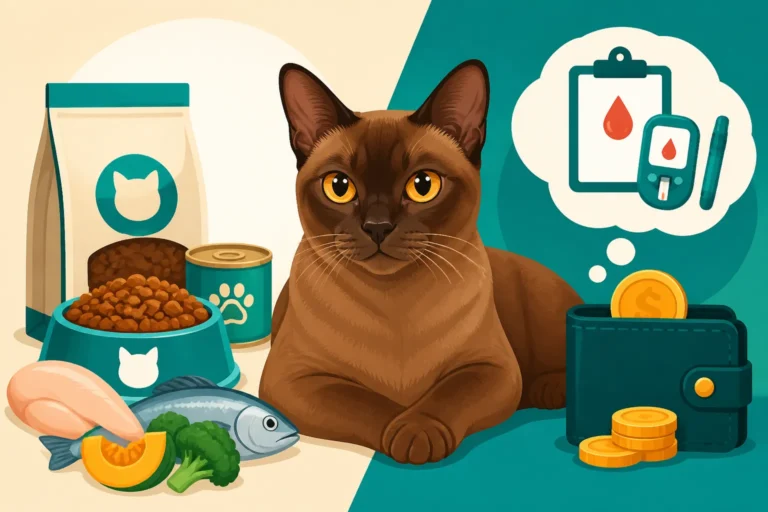
Consider also the cost of a high-quality, low-carbohydrate diet, which is often a cornerstone of prevention and management for diabetes. High-protein, low-carb fresh or canned foods can be more expensive than generic kibble, but they are a vital investment in your Burmese's health. Think of it as preventative medicine.
Here's a simplified look at how a Burmese's vet year often includes more specialized attention:
| Aspect of Care | Standard Annual Vet Visit (General Cat) | Annual Vet Visit (Burmese Cat Focus) |
|---|---|---|
| Physical Exam | Comprehensive check of body, weight, ears, eyes, teeth, coat. | Same, with extra emphasis on body condition, muscle vs. fat assessment. |
| Vaccinations | Core vaccines (rabies, FVRCP) as needed. | Same. |
| Parasite Control | Fecal exam, deworming if needed, flea/tick prevention discussion. | Same. |
| Blood Work | Often includes basic CBC and chemistry panel, sometimes thyroid check. | Routine CBC and chemistry, always includes a glucose check (fasting) and typically a fructosamine test. |
| Urinalysis | May be done if issues suspected. | More likely to be included annually to check kidney function and glucose in urine. |
| Dental Check | Visual inspection for tartar, gingivitis. | Highly detailed oral exam, discussion of How Often a Burmese Needs a Dental. |
| Genetic Screenings | Less common in general population. | Discussion of or recommendation for Which Tests Belong on a Burmese DNA Panel (e.g., for Hypokalemia). |
| Dietary Discussion | General advice on nutrition. | Detailed review of carbohydrate content, weight management plan for diabetes prevention. |
Navigating a Diabetes Diagnosis: What Happens Next
Despite the most diligent preventive care, some Burmese cats may still develop diabetes. This can be incredibly upsetting, but it's not the end of the world. A diagnosis simply shifts your focus to managing the condition and ensuring your cat can still live a full, happy life.
Understanding Initial Treatment and Management
If your vet confirms a diabetes diagnosis – How a Vet Confirms Diabetes in a Burmese – the initial treatment phase is crucial. This typically involves starting insulin therapy, usually with twice-daily injections. It sounds daunting at first, but many owners quickly become proficient. Your vet will teach you How to Give a Burmese Its Insulin at Home. Concurrent with insulin, a significant dietary change is almost always recommended. Which Diet Puts a Burmese Into Remission often involves a prescription low-carbohydrate, high-protein wet food diet. This change is not just about managing the diabetes, but actively working towards remission, where some cats can eventually come off insulin entirely. Your vet will also advise on regular glucose monitoring, initially more frequent, to stabilize your cat and determine the correct insulin dosage. This might involve blood glucose curves done at the clinic or even teaching you How a Burmese Is Monitored on Insulin at Home.
The Long-Term Commitment to Care
Living with a diabetic Burmese is a long-term commitment that requires consistency and vigilance. Daily insulin injections, strict adherence to a low-carbohydrate diet, and regular monitoring become part of your routine. You’ll need to be aware of What a Hypoglycemic Burmese Looks Like in case their blood sugar drops too low, which can be an emergency. Regular follow-up vet visits will be essential to adjust insulin doses, check bloodwork (including ongoing fructosamine tests), and monitor for any complications. How Long a Diabetic Burmese Lives can be many happy years with proper management, but it does come with increased veterinary bills. What Diabetes Costs a Burmese Owner a Year can vary significantly depending on insulin type, food, and frequency of vet checks, making that earlier financial planning even more critical. While it's a journey, the good news is that Burmese cats, known for their affectionate nature, often tolerate these interventions remarkably well, making the daily care a bonding experience rather than a struggle.
Disclaimer
This article is for general informational purposes only and does not constitute professional advice. Laws, prices and regulations vary by location and change over time. Consult a qualified professional for guidance on your specific situation.