Why a Burmese’s Coat Never Sees a Grooming Bill
Many cat owners grapple with the ongoing expense and stress of professional grooming appointments, wondering if their beloved feline needs another trim, de-shedding treatment, or a specialized bath. If you're a Burmese cat parent, or considering becoming one, you'll be delighted to discover that your particular companion largely sidesteps this common pet ownership burden, offering a beautifully low-maintenance coat that keeps grooming bills non-existent.
The Remarkable Simplicity of the Burmese Coat
The Burmese cat is renowned for many things – its dog-like devotion, its playful nature, and of course, that incredibly distinctive, short, satin-like coat. Unlike many other breeds, the Burmese simply doesn't require the extensive grooming rituals that often lead to hefty bills and trips to the professional groomer. Understanding the unique characteristics of this coat is key to appreciating its low-maintenance nature.
A Silky Touch, Not a Furry Burden
When you run your hand over a Burmese cat, you immediately notice its distinctive texture. It's not just "short-haired"; it's exceptionally fine, feeling like a luxurious, warm satin rather than coarse fur. This unique quality comes from the specific structure of their hair. The Burmese possesses a very fine, close-lying coat with little to no undercoat. Most cat breeds have two layers: a soft, downy undercoat for insulation, and coarser guard hairs on top. The Burmese, however, primarily has those sleek guard hairs, which lie flat against their muscular body.
This lack of a dense undercoat means there's simply less "fur" to manage. There are no mats to develop, no tangles to brush out, and no dense woolly layers to shed in clumps. The hairs are uniform, smooth, and designed for minimal fuss. It's a coat that naturally maintains its sheen and neatness, a true testament to its refined genetic makeup. This is a big reason Why a Burmese's Coat Feels Like Satin and why it's such a joy to touch.
Shedding So Minimal, You Might Miss It
While no cat is truly "non-shedding," the Burmese comes remarkably close. Because they lack a substantial undercoat, the amount of loose hair they produce is significantly less than that of many other breeds. You won't find tumbleweeds of fur rolling across your floor, nor will your clothes be perpetually covered in a thick layer of cat hair. This minimal shedding is a huge relief for owners, reducing the need for constant vacuuming and hair removal from furniture.
Think about it – less shedding means less hair needing to be removed, which directly translates to less grooming effort. For most Burmese owners, a stray hair or two is easily managed with a quick swipe of the hand or a lint roller, not a dedicated grooming session or a pricey de-shedding treatment at a salon. The benefit isn't just aesthetic; it’s practical, making daily life with a Burmese wonderfully clean and manageable. You'll soon realize How Little Hair a Satin Coated Burmese Leaves Behind.
Why Professional Grooming is a Non-Issue for the Burmese
The idea of taking a cat to a professional groomer is commonplace for breeds like Persians, Maine Coons, or Himalayans, whose long, luxurious coats demand constant attention to prevent matting and maintain hygiene. For the Burmese, however, the concept is almost entirely alien. Their natural coat properties negate the very reasons other breeds require such specialized care.
Contrasting with the High-Maintenance Breeds
Imagine a long-haired cat, with layers of fur prone to knotting, especially around the "armpits," hindquarters, and behind the ears. These cats often need daily brushing, regular professional trims, and sometimes even sanitary clips to keep them comfortable and clean. If their coats aren't meticulously maintained, they can quickly develop painful mats that pull on their skin, leading to discomfort, skin infections, and potentially costly veterinary interventions to shave them down.
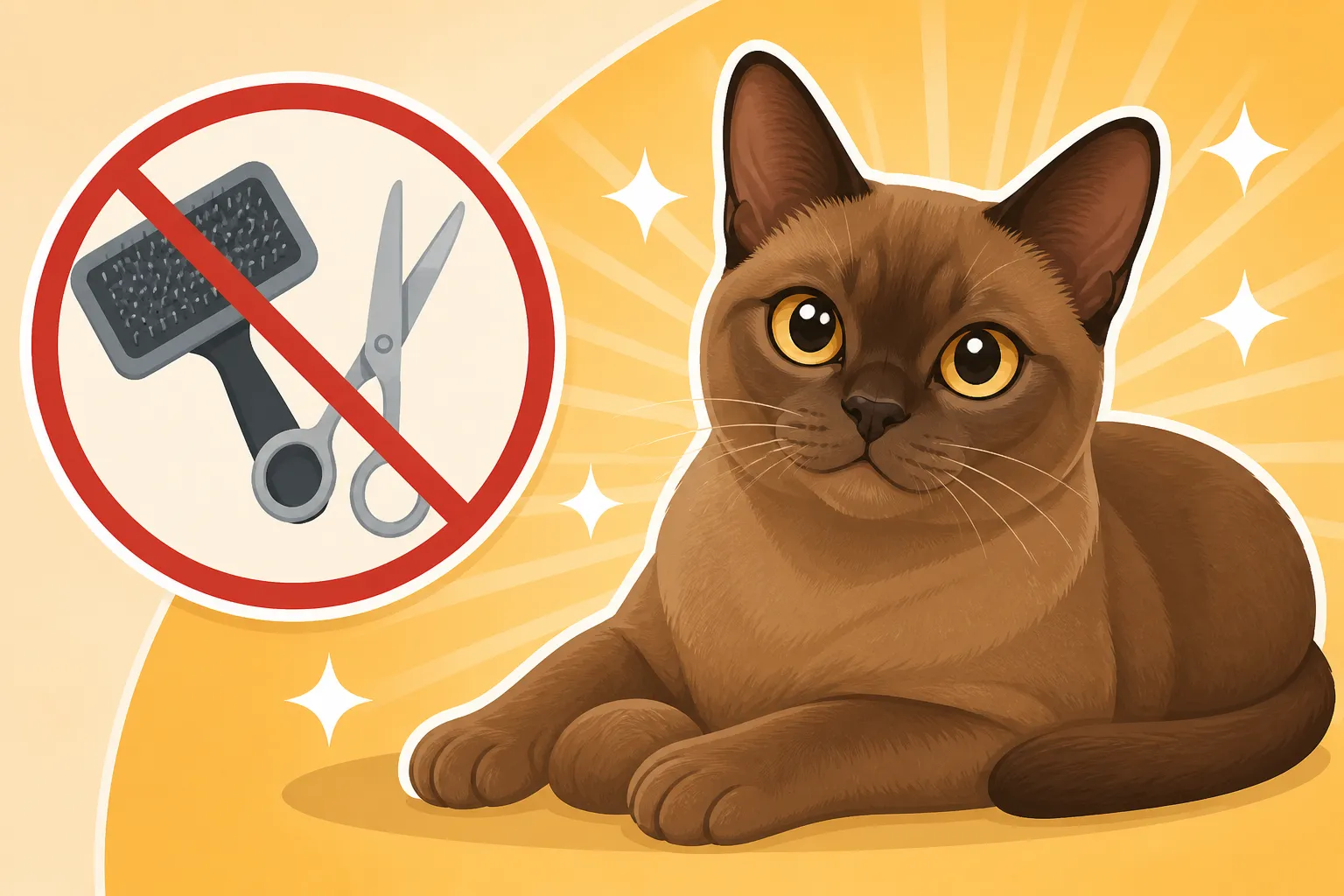
The Burmese is the polar opposite. Its short, sleek coat, described beautifully as How Short a Burmese's Coat Actually Is, simply doesn't tangle or mat. There's no excess length to collect debris, no dense undercoat to trap shed hair against the skin, and no intricate layering that requires skilled hands to detangle. Their coat is essentially "wash and wear," requiring no specialized cuts, thinning, or elaborate styling. This inherent ease is a huge differentiator, saving owners considerable time, effort, and expense over the cat's lifetime.
What a "Grooming Session" Actually Means for a Burmese
For a Burmese, a "grooming session" isn't a trip to a salon; it's a pleasant moment of bonding with their human. Instead of being sedated for a lion cut or enduring hours of brushing, a Burmese might enjoy a gentle rubdown with a soft cloth or a brief, loving comb. The goal isn't to reshape their appearance or untangle knots, but merely to enhance the natural luster of their coat and remove any stray, loose hairs that have been shed.
Any "grooming" effort is minimal and easily integrated into daily interaction. A quick wipe with a chamois cloth – more on that below – is often all that's needed to bring out the incredible shine of their coat. There's no need for clippers, special dryers, or expensive shampoos designed for complex fur types. This truly is a low-stress, low-cost aspect of Burmese ownership that stands in stark contrast to the demands of many other pedigreed cats.
Effortless At-Home Care for a Radiant Burmese
While professional grooming bills aren't a concern, maintaining that signature Burmese satin coat does involve a little bit of at-home care. The good news? It's incredibly simple, enjoyable for both you and your cat, and requires no special skills or expensive tools. It's more about regular interaction and basic hygiene than actual "grooming."
The Magic of the Chamois Cloth
For keeping that famous satin coat in top condition, a simple chamois cloth is your secret weapon. You know, the kind you might use to polish your car? These incredibly soft, absorbent cloths are perfect for gently buffing the Burmese's coat, removing any loose hairs or dust, and bringing out an incredible, almost iridescent shine. It’s not about intense scrubbing or brushing; it’s a light, loving stroke that your Burmese will likely adore. Many will purr contentedly, treating it like a massage.
This simple routine, perhaps once a week or whenever you're cuddling, is usually all it takes. The chamois effectively picks up the minimal shed hairs and distributes the natural oils of their skin, leaving the coat gleaming. There's no need for expensive brushes that can damage fine hairs, nor specialized de-shedding tools. Just a humble chamois, readily available and inexpensive, makes all the difference. In fact, Why a Weekly Chamois Is All a Burmese Needs is a topic many owners discover quickly. You can often find great quality chamois cloths on sites like Chewy, ensuring you always have one on hand.
Bath Time: A Rare and Gentle Event
Unlike some breeds that require frequent bathing to manage oil production or maintain coat cleanliness, the Burmese rarely needs a full bath. Their short, sleek coat is remarkably self-cleaning. Most Burmese cats will go their entire lives without needing a bath, or perhaps only require one if they've gotten into something particularly messy or sticky. It's truly one of the aspects that highlights How Many Minutes a Month a Burmese's Coat Takes – it's barely any time at all!
If a bath becomes necessary, it's a straightforward process. Use a gentle, cat-specific shampoo, ensure the water is lukewarm, and rinse thoroughly to avoid skin irritation. Since their coat is so short and close-lying, drying is also a breeze, often just requiring a towel rub and letting them air dry in a warm spot. There's no need for elaborate blow-drying setups or specialized conditioners. Your main concern will be making the experience as calm and positive as possible, as the bath itself isn't a coat management necessity, but usually a response to an external event. This is why The Only Times a Burmese Actually Needs a Bath are few and far between.
Beyond the Coat: Basic Hygiene at Home
While the coat itself is low-maintenance, a comprehensive approach to your Burmese's well-being includes a few other simple hygiene tasks that you can easily do at home, saving you money on services a groomer might offer for other breeds.
- Claw Trimming: Regular nail trims, typically every few weeks, prevent claws from becoming too long, snagging on furniture, or causing discomfort to your cat. This is a quick task that most Burmese, being so amenable to handling, tolerate well.
- Ear Cleaning: A quick check of their ears weekly and a gentle wipe with a vet-approved ear cleaner (if needed) keeps them healthy.
- Dental Care: This is crucial for all cats, including the Burmese, which can be prone to gum issues. Daily brushing with a cat-specific toothbrush and toothpaste from an early age can make a huge difference in preventing dental disease down the line. This is a health expense that absolutely belongs in your budget, as it prevents much larger vet bills later.
- Eye Wipes: Some Burmese may have a tendency for slight eye watering, leaving a little crust in the corner. A soft, damp cloth can gently wipe this away, keeping their face clean and bright.
These tasks are fundamental to any cat's health, but their ease with a cooperative Burmese means you won't need to pay for a groomer to do them. It's all part of the bonding experience, and your Burmese, known for being so interactive, will often enjoy the attention. As you'll discover, Why a Burmese Enjoys Being Handled From the Start makes these tasks much simpler.
The Financial Freedom of a Low-Maintenance Coat
Beyond the sheer convenience and enjoyment of owning a Burmese, there's a tangible financial benefit to their low-maintenance coat. Over the lifespan of your cat, the absence of professional grooming bills can add up to significant savings, allowing you to allocate those funds to other essential aspects of their care and well-being.
Calculating the Savings Over a Lifetime
Consider the typical costs associated with professional grooming for a long-haired cat. Depending on your location and the services required (bathing, de-shedding, trims, dematting), a single grooming session can easily run a significant sum. For some breeds, these sessions might be required every few months, or even monthly. Over a cat's average lifespan of 15 years or more, these costs become substantial.
Let's do a simple comparison:
| Service Type | Long-Haired Cat (Annual Est.) | Burmese Cat (Annual Est.) |
|---|---|---|
| Professional Grooming | Significant regular cost | $0 (not needed) |
| De-shedding Treatments | Possible recurring cost | $0 (minimal shedding) |
| Specialized Shampoos | Frequent purchase | Rare, inexpensive purchase |
| Grooming Tools | High-end brushes, clippers | Chamois cloth, claw clippers |
| Total Annual Savings | Variable, but hundreds | Minimal expense for basics |
As you can see, the savings are clear. The occasional purchase of a chamois cloth or a simple set of claw clippers from Chewy pales in comparison to the recurring fees of professional grooming. This means more money in your pocket for quality food, enrichment toys, or preventative vet care – all things that genuinely contribute to your Burmese's long-term health and happiness.
Investing in Health, Not Haircuts
The money you save on grooming a Burmese can be wisely redirected to areas that truly impact their health and longevity. Burmese cats, while generally robust, do have predispositions to certain health conditions, notably diabetes. Therefore, prioritizing high-quality nutrition and regular veterinary check-ups becomes paramount. For instance, Why a Burmese's Food Bill Is a Health Decision cannot be overstated. A low-carbohydrate, high-protein diet is a medical necessity for these cats, especially as they age.
Instead of paying for a coat trim, you can invest in premium wet food that supports stable blood sugar levels, or allocate funds for routine vet visits where early detection of issues like diabetes or dental problems can save you much larger expenses down the line. It also allows for potential investments in pet insurance from providers like Healthy Paws, which can offer peace of mind against unexpected illnesses or accidents. The absence of grooming bills means you have more financial flexibility to be a proactive, rather than reactive, pet parent, ensuring your Burmese lives its fullest, healthiest life.
Disclaimer
This article is for general informational purposes only and does not constitute professional advice. Laws, prices and regulations vary by location and change over time. Consult a qualified professional for guidance on your specific situation.