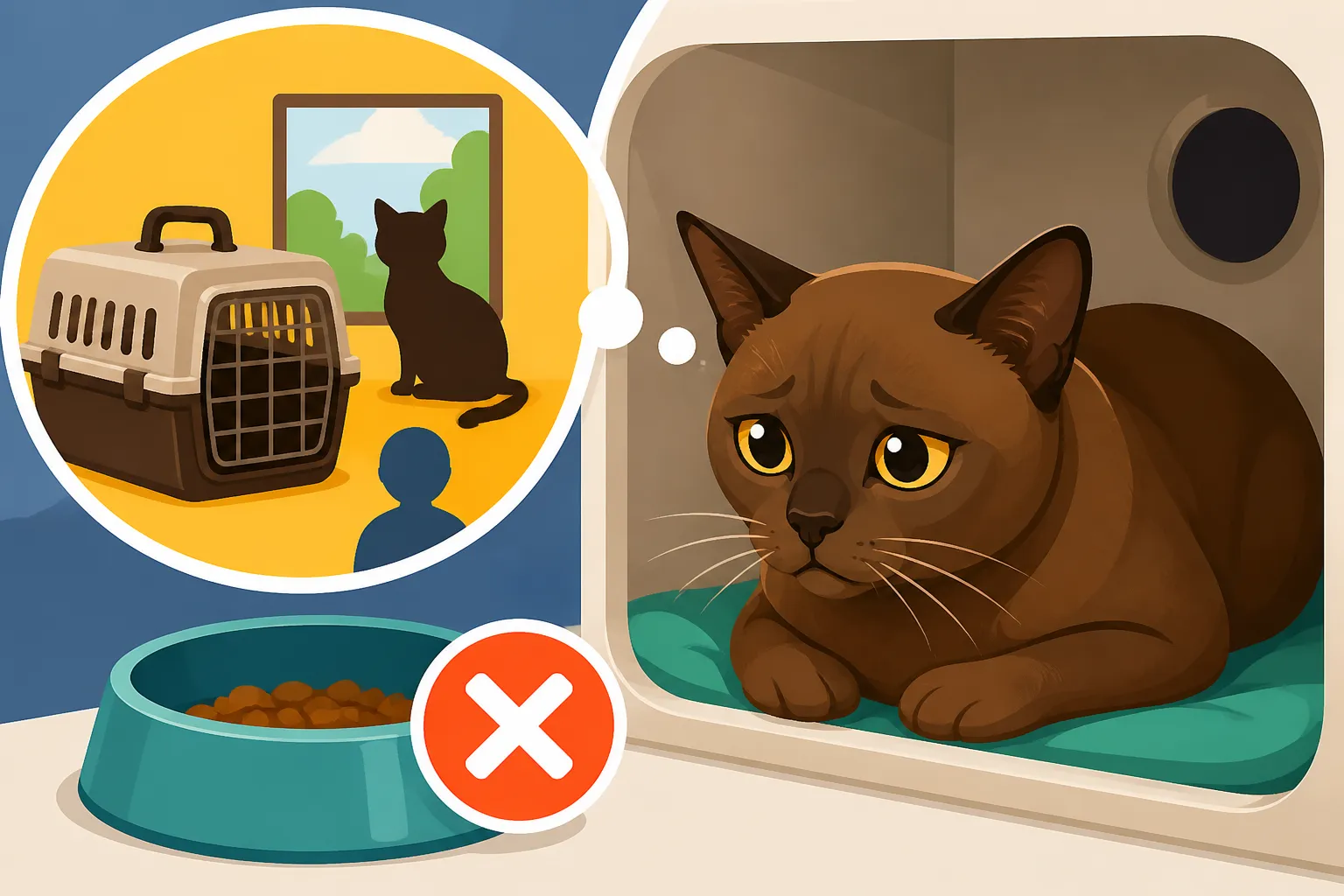
Why a Boarded Burmese Stops Eating
It's an incredibly common and heartbreaking scenario for a Burmese cat owner: you've planned a trip, meticulously arranged for your beloved companion to stay at a reputable boarding facility, and then you get the call. Your sweet, affectionate Burmese isn't eating. This isn't just a minor inconvenience; for a breed as emotionally sensitive and deeply attached as the Burmese, a refusal to eat in an unfamiliar environment is a clear distress signal, and it can quickly lead to serious health issues. This guide will explore the profound reasons why a boarded Burmese often stops eating and, more importantly, offer actionable strategies to prevent this deeply worrying behavior.
The Unique Emotional Sensitivity of the Burmese Cat
Burmese cats are truly special, known for their dog-like devotion and an almost unparalleled need for human companionship. This wonderful trait, however, becomes a double-edged sword when they are separated from their family, especially in a strange environment. Their emotional depth makes them particularly vulnerable to stress, which directly impacts their appetite.
The Burmese's Intense Need for Company
If you've ever owned a Burmese, you know they aren't just pets; they're family members who insist on being a part of everything you do. They are famously dubbed "Velcro cats" for a reason. They follow you from room to room, sit on your shoulder, snuggle under the covers, and greet you at the door with an enthusiastic purr-rumble. This intense bond means that separation, even for a short time, can be deeply traumatic. They thrive on constant interaction and physical closeness. Imagine their world, usually centered around your presence and routine, suddenly stripped of that familiar comfort. It's not just a change; it's a profound loss of their primary source of security and affection.
For a Burmese, being left alone for extended periods is a recipe for anxiety, which is why many breeders and experienced owners recommend owning them in pairs. They genuinely cannot tolerate solitude well. When you read something like The Burmese Is the Velcro Cat of the Cat Fancy, it’s not an exaggeration; it’s a core truth of their personality. Their entire emotional architecture is built around connection, and removing that connection, especially by placing them in an unfamiliar location, can trigger significant emotional distress. It's not that they don't want to eat; it's that their anxiety levels are so high that their body simply shuts down normal functions like appetite. This is also why we talk about Why a Burmese Cannot Be Left Alone All Day – their need for presence is fundamental to their well-being.
How Stress Manifests as Anorexia in Burmese Cats
Cats, in general, are highly susceptible to stress-induced anorexia. Unlike dogs, who might eat less but often still consume something, many cats will completely refuse food when under significant duress. For a Burmese, whose emotional sensitivity is amplified, this response is even more pronounced. Their refusal to eat isn't a sign of being stubborn or picky; it's a physiological response to extreme anxiety and a feeling of insecurity. Their digestive system simply can't function properly when their "fight or flight" response is activated by fear and loneliness.
The danger here is that prolonged anorexia in cats can quickly lead to hepatic lipidosis, or fatty liver disease, a life-threatening condition where the liver becomes overwhelmed by fat deposits. This can happen in just a few days if a cat completely stops eating. The body, sensing starvation, mobilizes fat reserves, which then accumulate in the liver. It's a vicious cycle: stress causes anorexia, anorexia causes hepatic lipidosis, which then makes the cat feel even worse and less likely to eat. When a Burmese's appetite goes, it’s not just a mild concern; it’s a serious red flag that requires immediate attention and understanding, as detailed in Why a Burmese's Appetite Goes When It Is Unhappy. Their deep bond with their people means any disruption to that bond has physical repercussions.
Environmental Triggers in Boarding Facilities
Even the best boarding facilities, with the most caring staff, can present an overwhelming array of unfamiliar and stress-inducing stimuli for a sensitive Burmese cat. Understanding these triggers is crucial for preventing a food strike.
Unfamiliar Scents, Sounds, and Sights
Imagine being plopped into a foreign land where everything looks, smells, and sounds alien. That's often what a boarding facility feels like to a Burmese. Their senses are incredibly acute, and they rely heavily on familiar scents for comfort and security. A boarding kennel is a cacophony of strange cat and dog smells, unfamiliar cleaning products, and the residual scent of countless other animals. The sounds of barking dogs, meowing cats, jingling keys, and human chatter can be constant and jarring, a stark contrast to the quiet, predictable rhythm of their home. The sight of other cats in nearby kennels, or people they don't know coming and going, can be deeply unsettling.
This sensory overload is enough to send a highly sensitive Burmese into a state of withdrawal. They might hide, refuse to interact, and, most tellingly, stop eating. Their familiar food, even if it’s their favorite, suddenly tastes foreign in an environment that screams "danger" or "unpredictability." It becomes associated with the stress rather than comfort. This is where the quiet hum of their own home, with its familiar smells and predictable sounds, acts as a soothing balm that a boarding facility simply cannot replicate. The lack of their own territory, marked with their scent, can make them feel utterly vulnerable.
Disruption of Routine and Lack of Personal Attention
Burmese cats thrive on routine. They learn your schedule, anticipate mealtimes, and expect certain types of interaction at specific times. Boarding facilities, by their very nature, operate on a more generalized schedule to accommodate many animals. Meal times might be different, human interaction, while kind, is often shared among many cats and cannot be as personalized or constant as what they receive at home. For a Burmese, who sees their human as a constant companion and source of comfort, this lack of one-on-one, consistent attention can be incredibly unsettling.
They are accustomed to being fussed over, cuddled, and played with regularly throughout the day. In a boarding setting, even with dedicated staff, they simply don't get the same depth or frequency of individual care. This absence of their usual social and physical interaction compounds their anxiety, leading them to feel abandoned and insecure. It's less about the quality of care and more about the quantity and familiarity of it. A Burmese needs someone in the house, not just checking in, to truly feel secure, as highlighted in Why a Burmese Needs Someone in the House, Not Checking In. This constant presence and predictable interaction are key components of their emotional well-being, and their absence can manifest as a deep reluctance to eat.
Strategies to Mitigate Boarding-Related Anorexia
While boarding may sometimes be unavoidable, there are numerous proactive steps you can take to make the experience less traumatic for your Burmese and encourage them to eat.
Preparing Your Burmese for Boarding
Preparation is key, and it often starts long before you drop them off. If possible, consider gradual acclimatization. For instance, if the facility offers short "daycare" stays or visits, introduce your Burmese to the environment for a few hours at a time, allowing them to get used to the sounds and smells before an overnight stay.
Crucially, bring familiar items that carry your scent and remind them of home. This includes their favorite bed, blankets, and toys. Your worn t-shirt or a blanket that smells like your home can be incredibly comforting. Place these items in their kennel to create a small pocket of familiarity. When it comes to food, insist on providing their exact regular diet. Many facilities will happily accommodate this. Portion out their meals at home and provide them to the facility, specifying the exact amount and feeding times. If your Burmese is on a specific low-carbohydrate diet, which is often a medical decision, especially considering this breed's diabetes risk, ensuring consistency is paramount. Brands like Chewy often allow you to set up auto-ship for specific foods, making it easy to have a consistent supply. When we discuss Feeding a Burmese Is a Medical Decision, Not a Preference, this consistency is exactly what we mean. If they are used to a certain type of wet food, sticking with that is vital.
Consider using feline pheromone diffusers (like Feliway) in their carrier on the way to the facility, and ask the boarding staff if they can use one in your cat's kennel. These synthetic pheromones mimic the natural calming signals cats use and can help reduce anxiety. Also, explicitly inform the staff about your Burmese's affectionate nature and need for interaction. Request that they spend extra time with your cat, even if it's just gentle petting or talking softly.
Choosing the Right Boarding Facility
Not all boarding facilities are created equal, especially for a sensitive breed like the Burmese. Do your research diligently. Look for facilities that have separate, quiet cat-specific areas, away from the noise and commotion of dogs. Better yet, seek out a dedicated cat hotel. Ask about their staff-to-cat ratio and how much individual attention each cat receives daily. Some facilities even offer "cat cuddle time" or specific play sessions, which can be invaluable for a Burmese.
It's also important to inquire about their feeding protocols. Can they strictly adhere to your cat's usual meal schedule and portion sizes? Will they monitor food intake closely? A facility that understands the particular needs of highly social breeds will be much better equipped. Some facilities even offer webcams, allowing you to check in on your cat, which can provide peace of mind and help you communicate with staff if you notice a problem. Always choose a facility with staff who seem genuinely empathetic and knowledgeable about cat behavior. They should be willing to discuss your Burmese's specific quirks and needs, rather than treating all cats the same.
Vet Consultation and Medical Support
Before boarding, schedule a quick vet visit. Discuss your travel plans and your Burmese's anxiety history with your veterinarian. They might recommend mild anti-anxiety medication, prescribed for short-term use during boarding. This isn't about sedating your cat, but about taking the edge off their anxiety enough for them to cope and, crucially, to eat. There are also appetite stimulants that can be prescribed as a backup if your cat refuses food for an unhealthy amount of time.
It's wise to ensure your pet insurance (like Healthy Paws) is up to date and covers potential health issues arising from stress or any unexpected illness during their stay. Even without direct boarding coverage, stress can exacerbate underlying conditions or lead to new ones, making proper insurance a smart investment. Always provide the boarding facility with your vet's contact information and clear instructions on when to contact them if your Burmese isn't eating or shows other signs of distress. Understanding their regular health checks, such as what to expect from Whether a Burmese Needs Pre Anesthetic Bloodwork before a procedure, can give you insight into your vet's thoroughness in discussing any potential risks.
Alternatives to Traditional Boarding
For a breed as people-oriented as the Burmese, alternatives to traditional boarding often provide a much less stressful experience, greatly reducing the risk of a food strike.
Professional Pet Sitters and In-Home Care
For many Burmese owners, the ideal solution is a professional pet sitter who comes to your home. This allows your cat to remain in their familiar territory, surrounded by their own smells, sights, and sounds. Their routine can be maintained, from feeding times to playtime and litter box cleaning. A good pet sitter will also provide the one-on-one attention and companionship that a Burmese craves, helping to mitigate feelings of abandonment. They can play with their favorite toys, give them cuddles, and even sleep over if your Burmese is particularly clingy.
While often more expensive than boarding, the peace of mind and the significantly reduced stress for your cat can be invaluable. It prevents the profound disruption to their world that boarding entails. The sitter can also monitor their food intake, water consumption, and litter box habits much more closely, which are critical indicators of a Burmese's well-being. This direct, continuous presence is far superior to even the best boarding facility for a cat that truly needs companionship, fulfilling the need highlighted in Why a Burmese Sitter Has to Come Twice a Day. This method dramatically lowers the risk of your Burmese becoming anxious enough to stop eating, as they retain a sense of security within their own home.
Trusted Friends or Family Members
If a professional pet sitter isn't within your budget, or you prefer someone you know, enlisting a trusted friend or family member is another excellent option. Ideally, this person would be able to stay in your home, providing constant companionship and maintaining your cat's routine. If staying overnight isn't possible, having someone visit multiple times a day for feeding, play, and interaction is the next best thing. The key is that this person is already familiar to your Burmese or is introduced to them prior to your departure, to minimize the "stranger danger" aspect.
This option offers the same benefits of in-home care – familiar surroundings, maintained routine, and personalized attention – often at no financial cost, though a thoughtful thank-you gift is always appreciated! Just ensure your chosen caregiver understands the specific needs of a Burmese, especially their requirement for social interaction and consistency. Brief them thoroughly on feeding schedules (and perhaps use pre-portioned food), playtime preferences, and signs of distress. Having someone who understands that Why a Burmese Cannot Let You Leave the Room isn't just cuteness, but a deep attachment, means they'll be more attuned to your cat's needs while you're away. They can also ensure that if you have two Burmese cats, they are both happy, addressing considerations like How to Keep Two Burmese on Different Diets if needed.
| Feature | Traditional Boarding | Professional Pet Sitter | Friend/Family In-Home |
|---|---|---|---|
| Environment | Unfamiliar | Familiar | Familiar |
| Routine Disruption | High | Low | Low |
| Personal Attention | Low | High | High |
| Cost | Moderate | High | Low/None |
| Stress Level for Burmese | High | Low | Low |
| Suitability for Burmese | Least Ideal | Most Ideal | Highly Ideal |
| Food Monitoring Capability | Moderate | High | High |
| Risk of Anorexia | Highest | Lowest | Lowest |
Ultimately, understanding the unique emotional landscape of your Burmese cat is the first step in ensuring their well-being when you must be away. By prioritizing their need for companionship, familiarity, and routine, you can significantly reduce the risk of them stopping eating and ensure they remain healthy and happy, no matter the distance. While the cost implications over a lifetime for a Burmese, as explored in How Much a Burmese Costs Over Sixteen Years, include many aspects, budgeting for their emotional well-being during your absence is crucial to avoid potentially expensive health crises.
Disclaimer
This article is for general informational purposes only and does not constitute professional advice. Laws, prices and regulations vary by location and change over time. Consult a qualified professional for guidance on your specific situation.