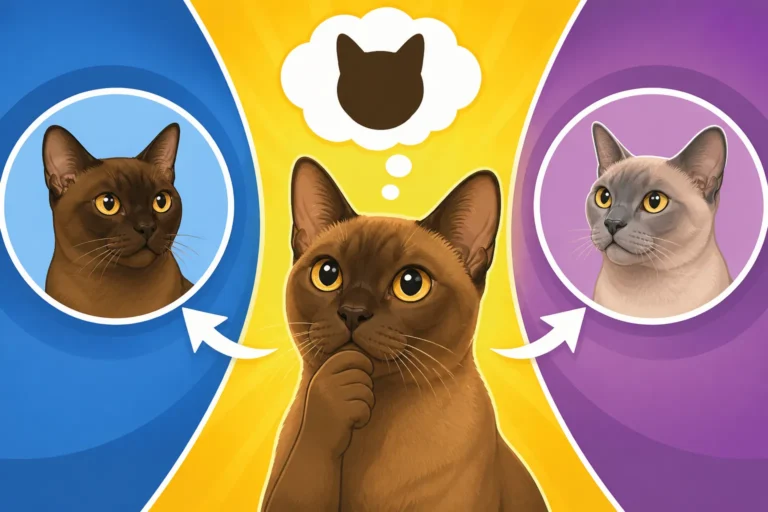
Why Boarding a Burmese Alone Costs More in Vet Bills
It's a common scenario: you're planning a much-needed trip, and your beloved Burmese cat needs a safe place to stay. You might consider a standard boarding kennel, thinking it's a convenient solution. However, for a Burmese, being boarded alone can be far more than just a temporary inconvenience; it can trigger a cascade of stress-related health issues that quickly translate into unexpected and hefty vet bills. This guide will explore exactly why your highly social Burmese cat struggles with solo boarding and the financial repercussions that often follow.
The Emotional Toll of Solitude on a Burmese
Burmese cats are truly unique in their profound need for companionship and interaction. Unlike many other feline breeds that are content with their own space and a quiet corner, a Burmese thrives on being an integral part of your daily life. To suddenly remove them from this constant connection and place them in an unfamiliar, isolated environment can be deeply traumatic, leading to significant emotional distress that quickly manifests physically.
The Burmese's Innate Need for Company
If you've ever owned a Burmese, you know they aren't just pets; they're shadow-cats, following you from room to room, always eager to be involved in whatever you're doing. They've earned the affectionate moniker of "Velcro cat" for a reason – they stick to you like glue, demanding attention, cuddles, and conversation (in their distinctive, raspy rumble). This isn't just a preference; it's a fundamental part of their genetic makeup and temperament. They bond intensely with their humans and any other resident pets, viewing their household as their pack.
Imagine a situation where your Burmese, who usually sleeps tucked under your chin or draped over your shoulder, is suddenly alone in a small cage in a noisy kennel. The sounds are unfamiliar, the smells are strange, and the comforting presence of their family is completely absent. This isn't just a brief moment of loneliness; it's a profound sense of abandonment for a cat wired for constant social engagement. They thrive on routine and predictability, and boarding shatters that secure world entirely.
This innate need for connection is why a Burmese often struggles much more with solitude than, say, a stoic Siamese or a reserved Persian. While those breeds might tolerate a day or two alone with minimal fuss, a Burmese often begins to suffer almost immediately. Their entire sense of security is tied to the presence of their chosen companions, whether human or feline. It’s crucial to understand that their vocal protests and frantic pacing aren’t just a desire for attention; they are genuine expressions of distress.
Understanding this deep-seated need for company is the first step in appreciating why solo boarding is such a risky proposition for the breed. What might be an acceptable, if not ideal, solution for another cat can be genuinely detrimental to a Burmese's mental and physical well-being. Their affectionate nature, while charming, comes with the responsibility of ensuring their social needs are consistently met. This is why many owners will tell you that The Burmese Is the Velcro Cat of the Cat Fancy.
Manifestations of Separation Anxiety
When a Burmese experiences severe separation anxiety in a boarding environment, the signs can range from subtle changes in behavior to overt physical symptoms that demand veterinary intervention. Early signs might include excessive vocalization – that insistent, rasping rumble turning into a desperate, mournful cry – or pacing relentlessly within their enclosure. They might also become withdrawn, hiding in their bed or turning their back on any human interaction, which is highly uncharacteristic for such an outgoing breed.
However, the more concerning manifestations are often physical. Stress has a direct impact on a cat's gastrointestinal system. A highly anxious Burmese might develop vomiting or diarrhea, sometimes severe enough to warrant immediate veterinary attention from the boarding facility's vet. This isn't just messy; it can lead to rapid dehydration, especially in a cat that might also be refusing to drink adequately due to stress. These episodes are not only distressing for the cat but also add significantly to your boarding bill, as medications and potential vet visits pile up.
Beyond digestive upset, a stressed Burmese might also engage in over-grooming, pulling out their luxurious satin fur, particularly on their belly or inner thighs. This can lead to skin irritation, hot spots, or even open sores, making them vulnerable to secondary infections. Such issues require veterinary treatment, often involving anti-inflammatories, antibiotics, and sometimes even Elizabethan collars to prevent further self-mutilation. Recognizing What Separation Anxiety Looks Like in a Burmese is key to understanding these symptoms. Products from brands like Chewy, such as calming diffusers or supplements, might be used in some facilities as a preventative measure, but they often aren't enough to combat the profound stress of true isolation for a Burmese.
How Stress Translates to Physical Illness and Vet Bills
The link between psychological stress and physical health in cats is well-established, and for a breed as sensitive as the Burmese, this connection is particularly pronounced. When a Burmese is enduring the acute stress of solo boarding, their body's systems can go into overdrive, leading to a host of health problems that not only cause suffering but also generate unexpected and often expensive veterinary bills.
Suppressed Immune System and Stress-Induced Conditions
Constant stress floods a cat's body with cortisol, a hormone that, while useful in short bursts for "fight or flight," is detrimental when sustained. High cortisol levels can significantly suppress the immune system, leaving your Burmese vulnerable to pathogens they would normally easily fight off. This is why many cats return from boarding facilities with what owners affectionately call "kennel cough" or, more accurately, an upper respiratory infection (URI).
For a Burmese, this could manifest as sneezing, watery eyes, nasal discharge, and lethargy. While often treatable with antibiotics and supportive care, these infections require a vet visit, medications, and careful monitoring back home. More seriously, a weakened immune system can trigger flare-ups of latent conditions, like feline herpesvirus (FVR), which many cats carry asymptomatically. An FVR flare-up can cause painful eye ulcers or severe respiratory symptoms, requiring intense treatment and prolonged recovery.
Consider a scenario where your usually robust Burmese returns from a week-long stay at a boarding facility, sniffling and lethargic. You take them to the vet, where they're diagnosed with a URI and potentially an exacerbation of underlying allergies due to the stress. This single vet visit, combined with medication costs, quickly adds to the initial boarding fee, turning a seemingly affordable option into a much costlier endeavor. This doesn't even account for potential skin issues, like the fur pulling described in Why a Lonely Burmese Pulls Its Satin Coat Out, which also requires medical attention.
Gastrointestinal Upset and Appetite Loss
One of the most immediate and dangerous consequences of stress in a Burmese is its impact on their digestive system and appetite. Many anxious cats will simply refuse to eat when placed in an unfamiliar and solitary environment. For a cat, going without food for even a day or two can be incredibly dangerous, especially for breeds like the Burmese who can be prone to weight gain if not carefully managed.
When a cat stops eating, their body starts breaking down fat reserves for energy. However, a cat's liver isn't designed to process large amounts of fat rapidly. This can lead to a severe and potentially life-threatening condition called hepatic lipidosis, or "fatty liver disease." Symptoms include continued anorexia, jaundice (yellowing of the skin and eyes), vomiting, and extreme lethargy. Treatment for hepatic lipidosis is intensive, often requiring hospitalization, intravenous fluids, and force-feeding or a feeding tube, with costs easily soaring into the thousands. This is a very real risk, particularly for a slightly overweight Burmese who might already have a higher fat reserve.
Even if they don't develop hepatic lipidosis, chronic stress can cause persistent vomiting and diarrhea, as mentioned earlier. This can lead to severe dehydration and electrolyte imbalances, necessitating emergency veterinary care. The costs associated with diagnosing and treating these conditions, from blood tests and IV fluids to anti-nausea medications and specialized diets, can quickly eclipse the cost of the original boarding. Keeping an eye on Why a Burmese's Appetite Goes When It Is Unhappy can save you a lot of worry and expense. Palatable, nutritious foods might be recommended by vets for convalescing cats, but even the best food won't help if a stressed cat refuses to eat it at all.
Exacerbation of Pre-existing Conditions
Burmese cats, for all their charm, are unfortunately predisposed to certain health conditions, notably diabetes and a tendency towards gum disease. When these cats are subjected to intense stress, any underlying or pre-diabetic tendencies can be pushed over the edge, or existing dental issues can become more problematic.
Take diabetes, for example. The Burmese has a significantly higher risk of developing diabetes than many other breeds, and stress can play a crucial role in its onset or management. High stress levels can lead to a surge in blood sugar, potentially triggering full-blown diabetes in a genetically predisposed or borderline diabetic cat. Suddenly, what was meant to be a simple vacation results in daily insulin injections, regular vet checks, and a strict diet for your cat for the rest of their life. You can learn more about this by reading How Diabetes Develops in a Burmese.
Similarly, Burmese cats are known for developing gum disease at a relatively young age. Stress can suppress the immune system in the mouth, leading to rapid progression of gingivitis to periodontitis, which is much more painful and difficult to treat. A Burmese who might have had mild gum inflammation could come back from boarding with severe dental pain, necessitating expensive dental surgery under anesthesia. This highlights Why a Burmese Is Prone to Gum Disease. Healthy Paws, or any other pet insurance provider, can be a lifesaver for managing these unexpected chronic conditions or sudden emergency vet bills, but it's always better to prevent them if possible.
Preventive Measures and Alternatives to Solo Boarding
Given the significant emotional and financial risks associated with boarding a Burmese alone, it becomes clear that proactive planning and exploring alternatives are not just advisable, but essential. Understanding your Burmese's unique social needs allows you to make choices that prioritize their well-being and protect your wallet from unexpected veterinary expenses.
The Power of Companionship: Why Two is Better
For a Burmese, the concept of "alone" is often the root of their distress. This is precisely why many responsible Burmese breeders strongly advocate for selling their kittens in pairs, or to homes where there's already another cat or even a cat-friendly dog. A companion animal, particularly another Burmese, provides constant psychological support, helping to mitigate the feelings of isolation and abandonment that can be so devastating. When two Burmese are boarded together, they have each other for comfort, play, and security.
Imagine two Burmese, bonded siblings, sharing a comfortable, spacious kennel. While they might still be a little nervous in an unfamiliar place, they have each other to curl up with, to groom, and to play with. This mutual companionship acts as a powerful buffer against stress, reducing the likelihood of them developing the anxiety-induced illnesses we've discussed. They often settle faster, eat better, and are generally more resilient to the changes in their environment because their primary source of comfort—each other—is still present.
This isn't just anecdotal; it's a common observation among breeders and experienced Burmese owners. The emotional stability provided by a companion can literally be a life-saver, or at least a vet-bill-saver. If you're considering a Burmese, seriously think about getting a pair, or ensuring your current pet situation is suitable. As many people discover, Why Burmese Breeders Sell Them in Pairs is not just about kitten cuteness; it's about the long-term health and happiness of the breed. Ultimately, Why Two Burmese Settle Each Other in new or stressful environments is a testament to their deep social wiring.
Exploring In-Home Pet Sitting and Trusted Friends
Without a doubt, the ideal solution for a Burmese when you're away is for them to remain in the comfort and familiarity of their own home. An in-home pet sitter or a trusted friend or family member who can stay at your house or visit frequently is usually the best option. This allows your Burmese to maintain their routine, sleep in their own bed, and be surrounded by familiar sights, sounds, and smells, all of which are crucial for their sensitive nature.
A good pet sitter will understand the specific needs of a highly social breed like the Burmese. This isn't just about topping up food and water; it's about interaction. They should be scheduled for at least two visits a day, providing not just fresh food and a clean litter box, but also dedicated play time, cuddles, and conversation. For a Burmese, a quick drop-in to feed them isn't enough; they need meaningful engagement to stave off loneliness and anxiety. A pet sitter who understands Why a Burmese Sitter Has to Come Twice a Day is truly invaluable.
The financial cost of a professional pet sitter might seem higher than boarding at first glance, but when you factor in the potential vet bills from a stressed Burmese at a kennel, it often becomes the more economical choice. Plus, the peace of mind knowing your cat is happy and healthy in their own environment is truly priceless. Always choose a sitter who is insured, bonded, and has references specific to caring for cats, particularly those with high social needs.
Choosing a Cat-Centric Boarding Facility If Necessary
Sometimes, an in-home sitter simply isn't an option. In such cases, if you absolutely must board your Burmese, it's critical to choose a facility that is specifically designed with the unique needs of cats in mind, moving far beyond the traditional dog-centric kennel model. Look for places that prioritize individual cat comfort and mental well-being, not just basic housing.
Seek out facilities that offer "cat condos" or individual rooms, rather than small cages. These should ideally have multiple levels, a window view, and separate areas for eating, sleeping, and litter. Visual barriers between enclosures are essential to reduce stress from seeing other cats, and a quiet location away from barking dogs is non-negotiable. Even better, some cat boarding facilities are exclusively for felines, ensuring a calmer, more serene environment.
Beyond the physical space, inquire about staff interaction. Does the facility offer dedicated play sessions, cuddle times, or "enrichment" activities for each cat? A high staff-to-cat ratio is a good indicator of personalized attention. Ask about their protocols for monitoring appetite, litter box habits, and general demeanor. A facility that routinely checks these vital signs understands the subtle cues of feline stress. Remember, Why a Burmese Should Never Be Boarded Alone is a strong statement, but if you must, make sure it's as close to a home-like environment as possible.
Here's a quick comparison of common temporary care options for your Burmese:
| Care Option | Pros | Cons | Potential Cost Impact (Vet Bills) |
|---|---|---|---|
| Traditional Boarding (Alone) | Often cheapest upfront, readily available | High stress, loneliness, unfamiliar environment, minimal personalized attention | High (stress-induced illness, GI issues, URIs) |
| Traditional Boarding (Pair) | Companion buffer, readily available, slightly higher upfront cost | Still unfamiliar environment, potential for shared illness, depends on facility quality | Medium (reduced stress but still external environment) |
| Cat-Centric Boarding (Alone) | Quieter, cat-specific amenities, more attentive staff | Still isolated, unfamiliar environment, potential for stress if not highly enriched | Medium-Low (better environment, but still alone) |
| Cat-Centric Boarding (Pair) | Best boarding option, companion comfort, dedicated staff | Higher upfront cost, fewer facilities available | Low (stress significantly reduced by companionship) |
| In-Home Pet Sitter | Stays in familiar environment, maintains routine, personalized attention | Can be more expensive than basic boarding, requires trust in sitter, security concerns | Very Low (minimal environmental stress) |
| Trusted Friend/Family | Free/low cost, known person, familiar environment | Availability dependent, may not be experienced with Burmese-specific needs, can be inconvenient for friend | Very Low (minimal environmental stress) |
This article is for general informational purposes only and does not constitute professional advice. Laws, prices and regulations vary by location and change over time. Consult a qualified professional for guidance on your specific situation.