When a Burmese Is Chipped in the Breeder’s Schedule
Bringing a new Burmese kitten home is an exciting time, but it also comes with a mountain of responsibilities and a sprinkle of anxiety, especially when you're trying to make sure you're doing everything right for your new furry family member. One of those critical steps, often handled by the breeder before your kitten even arrives, is microchipping – a tiny device with a huge impact on your peace of mind. This guide will walk you through when and why Burmese kittens are typically microchipped in a breeder's schedule, ensuring they're safely identifiable from the start.
The Importance of Early Microchipping for Your Burmese Kitten
When you're welcoming a Burmese cat into your life, you're not just getting a pet; you're adopting a shadow, a conversationalist, and a loyal companion all rolled into one. Their incredibly social and often adventurous nature makes them particularly prone to wandering or getting into unexpected situations if an opportunity arises. This is why microchipping isn't just a good idea; it's an essential layer of protection that responsible breeders prioritize, ensuring that if your little explorer ever gets lost, they have a reliable way back home.
Think about it: collars can fall off, tags can break, but a microchip stays safely implanted under your cat's skin, a permanent identification that can be scanned by any vet clinic or animal shelter. For a breed as precious and distinctive as the Burmese, whose value isn't just monetary but deeply sentimental, this peace of mind is truly priceless. It’s a proactive step that speaks volumes about a breeder's commitment to the lifelong welfare of their kittens, not just during their time in the cattery, but for all the years to come.
Safety and Identification: A Burmese Kitten's Invisible Lifeline
A microchip is a tiny, rice-grain-sized transponder that carries a unique identification number. When a scanner passes over it, this number is read, allowing animal professionals to access your contact information from a registration database. This system is incredibly effective because it doesn't rely on batteries or moving parts; it's there for life. For a curious and friendly Burmese kitten, who might just slip out an open door when a delivery person arrives or explore beyond the garden fence, this permanent ID is a true lifeline.
Imagine the sheer panic of realizing your beloved The Burmese Is the Velcro Cat of the Cat Fancy is suddenly nowhere to be found. In those first frantic hours, knowing they have a microchip provides a sliver of hope that wouldn't exist otherwise. Shelters and vets are trained to scan every stray animal that comes through their doors, drastically increasing the chances of a happy reunion. It’s an invisible guardian, always there, ready to speak for your cat when they can't speak for themselves. This is particularly vital as a Burmese, with its trusting nature, might approach strangers without fear, making it easier for them to be picked up by someone who might not know where they belong.
Breeder Responsibility: More Than Just a Sale
Responsible breeders see themselves as custodians of the breed, dedicated to producing healthy, well-socialized kittens. Part of that responsibility extends to ensuring their kittens are properly identified before they ever leave for their new homes. For many, microchipping is included in the kitten's price and is part of a comprehensive health schedule that also includes initial vaccinations and deworming. This demonstrates a commitment to the kitten's safety and also helps prevent fraudulent claims of ownership, should a dispute ever arise.
Furthermore, a breeder often registers the chip initially, either to themselves or directly to the new owner, depending on their policy. They understand that a microchip is only as good as the registration associated with it. When you purchase a Burmese kitten, a reputable breeder will provide you with all the necessary paperwork for the microchip, including the chip number and details on how to transfer ownership into your name. This seamless process ensures that from day one, your kitten is protected and linked directly to you. It's a hallmark of a breeder who truly cares, not just about the show ring or pedigree, but about the individual lives of the animals they bring into the world.
The Typical Microchipping Schedule for a Burmese Kitten
When it comes to the logistics of microchipping, timing is key. Breeders usually integrate this procedure into the kitten's existing veterinary visits, making it as stress-free as possible for the little ones. It's not a standalone event but rather a carefully planned part of their early health protocol, designed to maximize safety and minimize discomfort. Understanding this schedule can help new owners feel more prepared and informed about their kitten's initial care.
Generally, you can expect a Burmese kitten to be microchipped around the same time they receive their first or second set of vaccinations. This is a practical approach because the kitten is already at the vet, undergoing a routine procedure. It means fewer trips to the clinic and less stress for the young kitten, who is still getting used to new experiences. The goal is always to make these necessary interventions as smooth and gentle as possible, ensuring a positive association with veterinary care from the very beginning.
Alongside First Vaccinations: A Convenient Combination
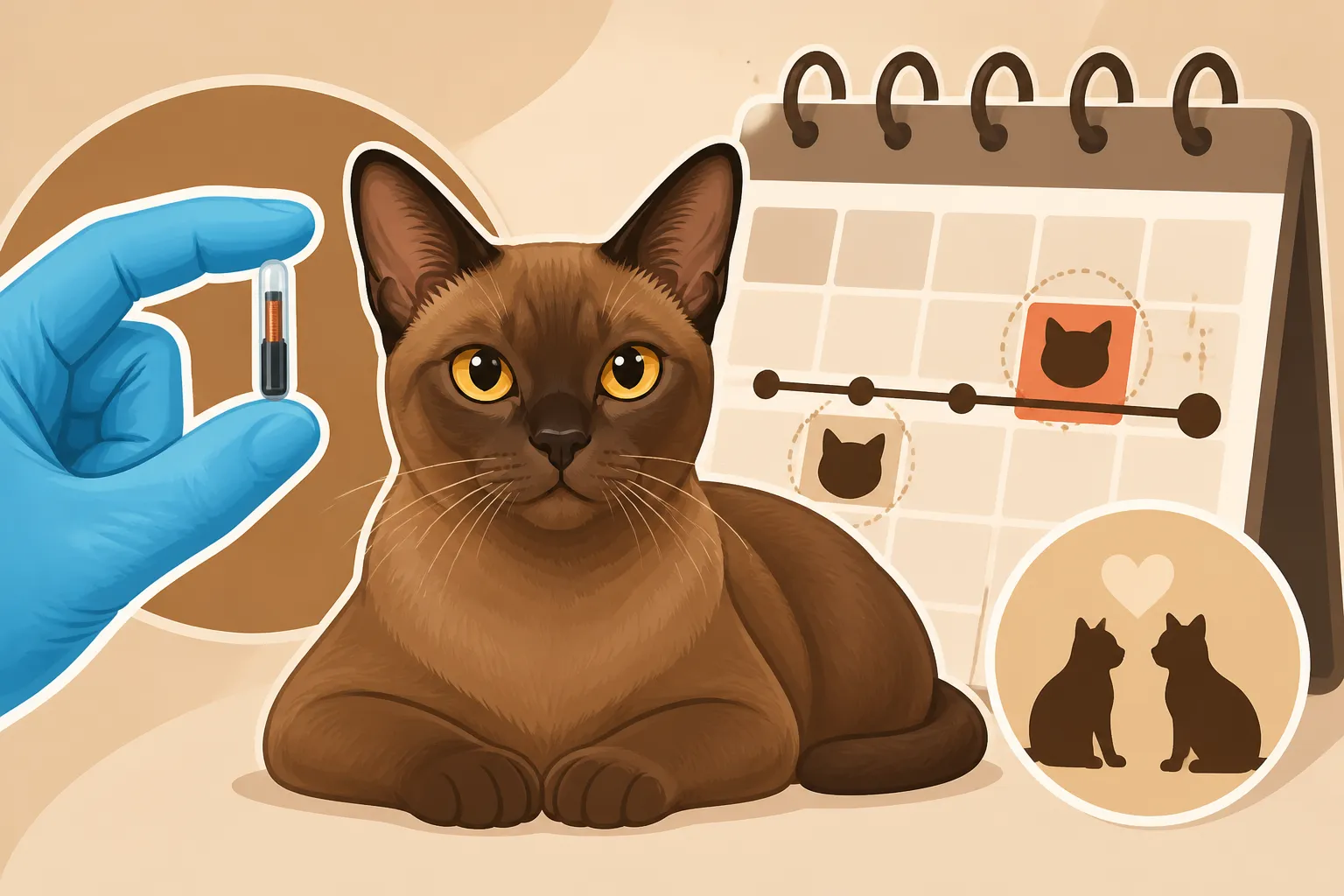
Most reputable Burmese breeders arrange for microchipping to occur during one of the kitten's routine vaccination appointments. This typically happens when the kittens are between 8 and 12 weeks old. At this age, they are generally robust enough to handle the minor discomfort of the injection, and it allows the vet to perform multiple preventative health measures in one visit. It’s efficient for the breeder and less disruptive for the kittens.
By combining the microchip implantation with vaccinations, the kitten experiences only one episode of mild stress or apprehension. The vet can address any questions the breeder or future owner might have about the overall health and development of the kitten, making it a comprehensive health check. This also means that by the time the kitten is ready to leave the cattery, usually around 12-14 weeks, they are fully vaccinated, dewormed, and already microchipped and ready for their new adventure. What a Burmese Kitten Has Had Done by Thirteen Weeks is often a long list, and microchipping is a vital part of it.
Before Leaving the Cattery: Ensuring Lifelong Identification
The golden rule for breeders is that no kitten should leave their care without a microchip already implanted and, ideally, registered. This crucial step is the breeder’s final safeguard for the kitten. It prevents the unimaginable scenario of a kitten getting lost on its first journey to a new home or in those initial, often overwhelming, days in an unfamiliar environment. Breeders understand the emotional attachment and the significant cost involved in raising a Burmese kitten, making this a non-negotiable part of their process.
This pre-departure microchipping also simplifies the transition for new owners. You can focus on helping your new Burmese kitten settle in, knowing that its essential identification is already taken care of. You won't have to immediately schedule a vet visit just for chipping; instead, your first few appointments can be focused on establishing a relationship with your new vet and getting a general health check-up. The breeder will provide the microchip details and guide you on how to transfer ownership, often recommending services like those associated with the chip registry or even pet insurance providers like Healthy Paws, who understand the value of early identification.
| Age Range (Weeks) | Typical Health Milestones | Microchipping Status |
|---|---|---|
| 6-8 | First vet check, initial deworming, first vaccinations | Often considered, sometimes done |
| 8-12 | Second vet check, second vaccinations, deworming | Most common time for microchip |
| 12-14 | Final vet check, final vaccinations, ready for new home | Should be chipped and registered |
| Post-Adoption | Transfer microchip registration to new owner | Critical follow-up step |
Differences for Rescue Kittens vs. Breeder Kittens
While the overall goal of microchipping is the same, the timing and process can sometimes differ for rescue Burmese cats or kittens compared to those from reputable breeders. Rescue organizations often have a stricter policy of microchipping all animals as soon as they come into their care, especially since the animal's history might be unknown. This helps them track the animal if it runs away from a foster home or gets lost before adoption. The focus for rescues is immediate identification and safety given the often uncertain circumstances of intake.
For breeder kittens, the process is more standardized and planned as part of a structured health program from birth. Breeders have the luxury of knowing the kitten's exact age and health history, allowing them to time the microchip implantation strategically with other vet visits, minimizing stress. However, both scenarios highlight the universal importance of microchipping for any feline, regardless of their origin. When adopting a rescue, always confirm the microchip status and ensure the transfer of ownership is completed.
What to Expect When Your Burmese Kitten is Chipped
For those new to owning a cat, or even experienced owners who haven't been present for the microchipping process before, it's natural to have questions about what it entails. Rest assured, it's a very routine and quick procedure, designed to be as minimally invasive as possible. Understanding the steps involved can help alleviate any worries you might have and prepare you for a smooth experience for your little Burmese. It's a small moment for a lifetime of security.
The actual implantation of the microchip is surprisingly swift, often happening in a matter of seconds. It's a simple, non-surgical injection, and most kittens react with nothing more than a momentary flinch, similar to receiving a routine vaccination. Following the procedure, the most critical step is ensuring the microchip is properly registered with your contact information, transforming that tiny chip into a functional safety net. This is where your vigilance as a pet parent truly makes a difference.
The Microchip Procedure: Quick and Easy
The microchip itself is a sterile, tiny capsule, about the size of a grain of rice. It's pre-loaded into a special syringe and injected under the skin, usually between the shoulder blades of the Burmese kitten. The procedure is quick, similar to a standard vaccination injection, and typically doesn't require any anesthetic. Your kitten might feel a brief pinch, but it's generally well-tolerated, and they usually go right back to playing or snuggling a minute later. The needle used is slightly larger than a typical vaccine needle, but vets are highly experienced in performing this quickly and gently.
After the chip is inserted, the vet will use a scanner to ensure the chip is in place and readable. This immediate check confirms that the microchip is functioning correctly and is positioned where it needs to be. While extremely rare, chips can migrate slightly or, in even rarer cases, fail. This quick scan gives everyone peace of mind. It's a testament to modern veterinary care that such a significant safety measure can be implemented with such ease for your small The Sixteen to Eighteen Years a Well Bred Burmese Gets companion.
Registering the Microchip: The Critical Next Step
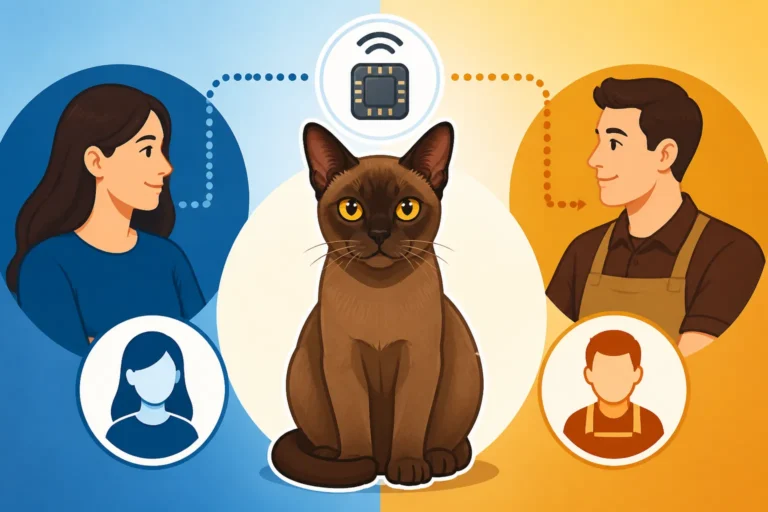
Implanting the microchip is only half the battle; registering it is arguably the most important step. A microchip without registration is like a phone number without a contact name – useless in an emergency. The breeder typically initiates this registration, linking the unique chip ID to their details. It's then your responsibility, as the new owner, to transfer that registration into your name and current contact information. This usually involves filling out a form, either online or physical, and sometimes a small fee to the microchip registry service.
Do not skip this step! Make sure all your details are up-to-date: current address, phone numbers, and even an emergency contact. If you move or change phone numbers, update the microchip registry immediately. Some services, like those partnered with pet insurance providers, might even send reminders. This registration is what connects your lost Burmese back to you. When you’re busy picking out the perfect Which Treats Fit Inside a Burmese's Weighed Ration or a new scratching post from Chewy, make sure this administrative task doesn't get overlooked.
Checking the Chip: A Simple Routine
Even after implantation and registration, it's a good idea to have your Burmese kitten's microchip checked periodically, especially during their annual vet check-ups. A quick scan by the vet will confirm that the chip is still present and readable. While chip failure or migration is uncommon, a routine check ensures that your cat's invisible ID is always in working order. This only takes a second and provides invaluable reassurance that your preventative measures are still active.
Your vet can usually tell you which microchip registry your cat is listed with if you're unsure, and they might even have information on whether the details are up to date. This is another small but significant part of responsible pet ownership, similar to ensuring your cat's vaccinations are current or that you're regularly checking its weight to avoid issues like diabetes. Why a Burmese's Weight Should Be Recorded Monthly is as important as a microchip check.
Why Microchipping Matters Specifically for a Burmese Owner
As a Burmese owner, you know your cat isn't just any feline; they are renowned for their unique personality traits. These characteristics make microchipping not just a general recommendation, but an especially critical component of their safety and long-term well-being. Their affectionate, outgoing, and sometimes mischievous nature means they are often more exposed to situations where a microchip becomes invaluable.
Consider the classic Burmese trait: their absolute devotion to their humans and their insatiable curiosity. They are often described as "dog-like" for their tendency to follow you from room to room, engage in games of fetch, and greet visitors with unabashed enthusiasm. While these traits are endearing, they also mean a Burmese might be more likely to slip out the door to "join" you on an impromptu errand or investigate a new sound outside. This combination of loyalty and adventurous spirit amplifies the need for a reliable, permanent identification method like a microchip.
Peace of Mind for an Adventurous and Social Breed
Burmese cats are known for their profound attachment to their human families. They thrive on companionship and are often right there in the thick of whatever you're doing. This incredible sociability, however, also comes with a unique set of considerations. A Burmese is less likely to bolt in fear and hide if it gets outside; instead, it might approach strangers, curious and friendly, making it vulnerable if it doesn't have a clear way to be identified and returned home. Their trusting nature means Why a Burmese Trusts Strangers Too Much to Roam.
Microchipping provides that essential layer of security for these social butterflies. Should your beloved Burmese find itself in unfamiliar territory, perhaps having followed a friendly neighbor or slipped out during a busy moment, its microchip is its silent advocate. It ensures that when it eventually encounters a kind soul who takes it to a vet or shelter, its journey home is expedited. This peace of mind allows you to enjoy their wonderful, playful antics without the constant underlying worry of "what if?" Why a Burmese Cannot Be Left Alone All Day implies a need for constant vigilance, and a microchip backs that up.
Long-term Care and Digital Records
Beyond immediate reunification, microchips play an increasingly important role in your Burmese cat's long-term health management. Many veterinary practices now link microchip numbers directly to your cat's digital health records. This integration streamlines access to their medical history, especially in emergency situations or if you ever need to visit a different vet. It's a small detail that makes a big difference in efficient, coordinated care.
Imagine an emergency where your regular vet isn't available, or you're traveling. A quick scan of the microchip by a new clinic can immediately pull up vital information, ensuring your Burmese receives appropriate care without delay. This digital link becomes even more valuable as your cat ages. Caring for a Burmese Past Twelve involves ongoing health monitoring, and an easily accessible, consistent record tied to their permanent ID helps ensure continuity of care throughout their golden years. When comparing pet insurance options, you'll often find that providers like Healthy Paws emphasize the importance of microchipping as a standard of responsible pet care.
The Role of Insurance and Supplies in Responsible Ownership
Responsible ownership of a Burmese cat extends beyond initial microchipping to include comprehensive care throughout their life. This means considering pet insurance, like Healthy Paws, which can provide a financial safety net for unexpected vet bills, especially for a breed known for certain predispositions, such as diabetes. While insurance policies vary, having a microchip is often a prerequisite for coverage and can be a factor in how smoothly claims are processed for identification purposes. It shows you're a responsible pet parent from the outset.
Furthermore, stocking up on quality food and supplies from retailers like Chewy is another aspect of responsible ownership. From high-protein, low-carbohydrate foods that help manage a Burmese's diabetes risk to engaging toys that cater to their playful nature, providing for your cat's needs is ongoing. A microchip, while a small device, is part of this larger tapestry of care, ensuring that all your efforts in providing a loving home are safeguarded by the most reliable form of identification available.
Disclaimer
This article is for general informational purposes only and does not constitute professional advice. Laws, prices and regulations vary by location and change over time. Consult a qualified professional for guidance on your specific situation.