Why a Rescued Burmese Costs a Fraction of a Bred One
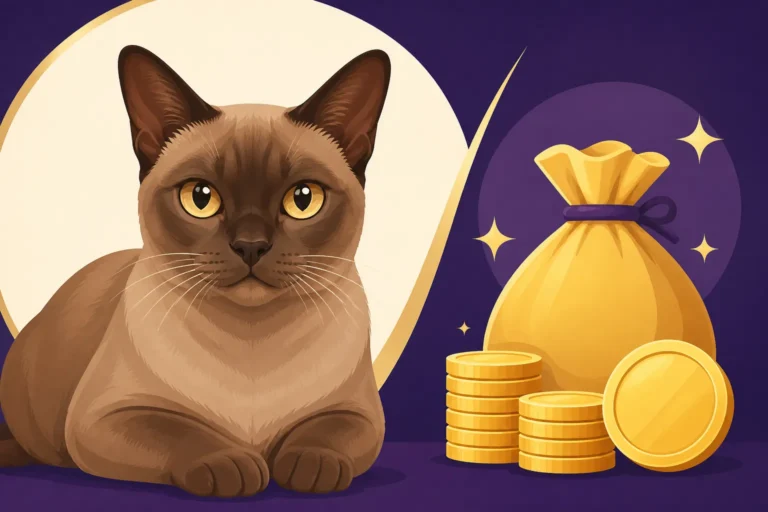
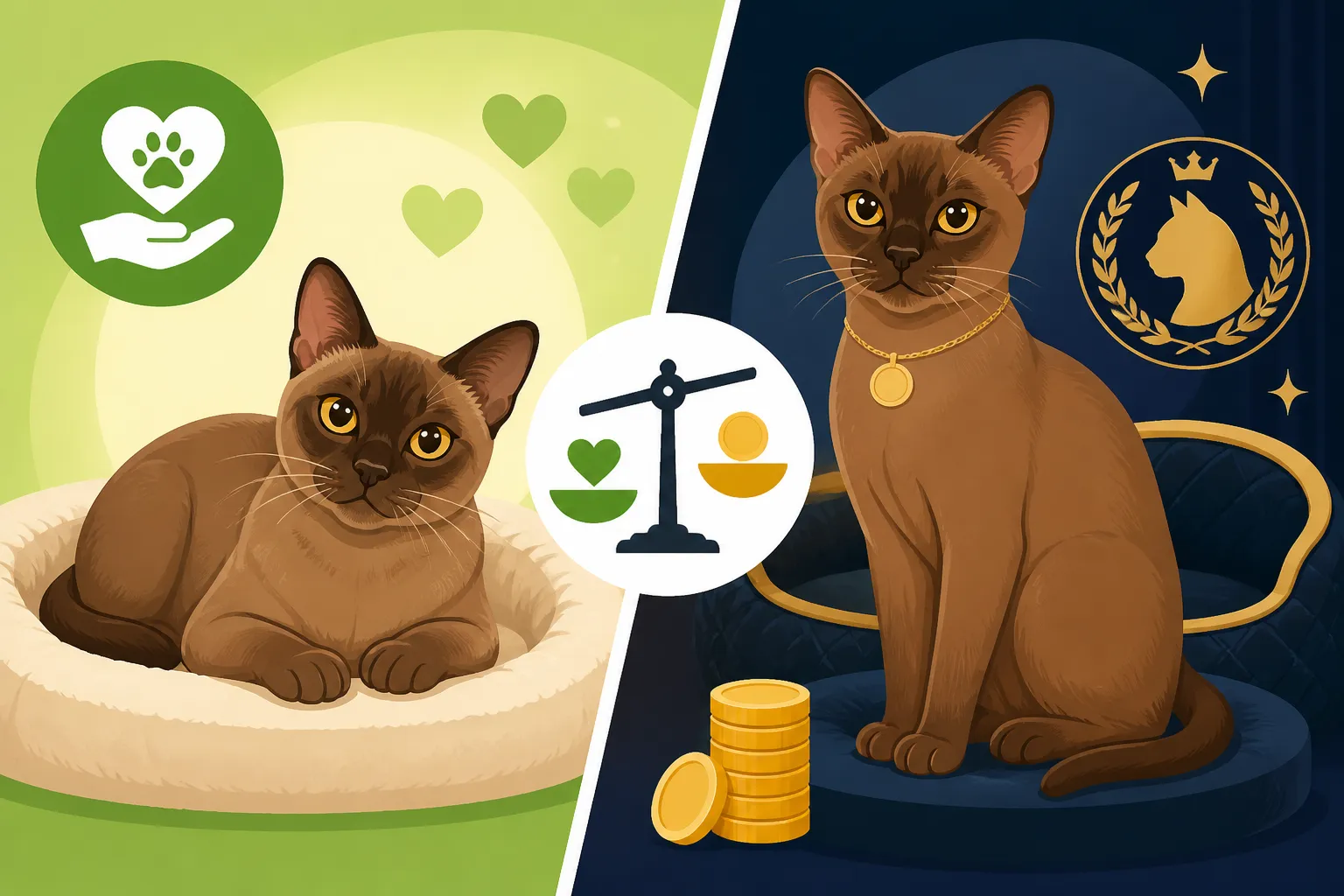
It’s a common misconception that if you want a purebred cat, you have to open your wallet wide for a breeder. Many people dream of welcoming a beautiful Burmese into their home, drawn to their satin coats and incredible personalities, but balk at the perceived cost. The truth is, while a responsibly bred Burmese kitten certainly comes with a significant price tag, finding a Burmese through rescue can be an incredibly rewarding and much more budget-friendly path to ownership, often costing a mere fraction of what you'd pay a breeder. This guide will walk you through the financial realities of both options, helping you understand why rescue offers such a valuable alternative.
The Initial Sticker Shock: Breeder Costs for a Burmese Kitten
Bringing home a Burmese kitten from a reputable breeder is an investment, plain and simple. It's not just about the cute factor; you're paying for generations of careful breeding, health screening, and early socialization that set your kitten up for a long, healthy, and happy life.
Understanding the Investment in a Reputable Breeder
When you purchase a Burmese kitten from a conscientious breeder, a substantial portion of the cost reflects the extensive work and dedication that goes into producing healthy, well-adjusted animals. These breeders aren't just pairing two cats; they are meticulously planning breedings to improve the line, adhere to the breed standard, and most importantly, screen for genetic health conditions that can plague the Burmese.
Think about the sheer number of tests involved. A responsible breeder will have invested heavily in DNA panels for both parent cats to screen for hereditary issues like hypokalemia and, depending on the lines, potentially GM2 gangliosidosis. They should be able to provide clear results, proving their breeding stock is free of these debilitating conditions or that any carriers are bred responsibly. This is a crucial step in ensuring the long-term health of the kittens, and it's a cost that a good breeder absorbs before you even meet the kittens. What a Burmese Breeder Must Test Before Any Mating is not a trivial list of items.
Beyond genetic testing, there's the cost of quality food for the queen during pregnancy and lactation, veterinary check-ups for both mom and kittens, vaccinations, deworming protocols, and microchipping. Plus, the invaluable time and effort spent on early socialization. A breeder ensures kittens are handled daily, exposed to various sights and sounds, and learn crucial social skills from their mother and littermates. They dedicate weeks to making sure each kitten is confident, friendly, and ready to thrive in a new home. This careful foundation means a kitten typically stays with its breeder until at least 12-13 weeks, ensuring they are fully weaned, vaccinated, and emotionally mature enough for the transition. What a Burmese Kitten Has Had Done by Thirteen Weeks is quite a lot to cover. It's a comprehensive package of care that contributes directly to the higher price tag.
Breaking Down the Price by Burmese Type and Color
The price of a Burmese kitten can also vary significantly based on its specific type and coat color, reflecting the intricacies of breeding and demand within the fancy. You might be surprised to learn that There Are Two Burmese and They Are Priced Apart, the American Burmese and the European Burmese, and their pricing structures are quite different.
The European Burmese, for instance, often commands a higher price, sometimes even double that of its American counterpart. This is primarily due to the more limited gene pool and fewer breeders working with European lines in North America. Importing these lines to maintain genetic diversity and uphold the breed standard is an expensive endeavor, and these costs are naturally factored into the kitten's price. Why a European Burmese Costs Twice an American One really highlights this difference.
Furthermore, certain coat colors can influence the cost. While the classic sable (often called brown in other parts of the world) is the most common and typically the most affordable, rare or less common colors like blue, champagne (sometimes called chocolate), or platinum (lilac) can carry a premium. This isn't just about aesthetics; some color genetics are more challenging to produce consistently or may result in smaller litter sizes. So, while Why Color Adds to a Burmese's Price might seem like pure vanity, it's often rooted in the complexities of genetics and supply and demand for those specific hues. A breeder might have a longer waiting list for a blue or platinum kitten, further influencing the price.
The Reality of Rescue: What a Burmese Adoption Fee Covers
Now, let's talk about rescue. The difference in initial cost between a breeder and a rescue organization is often astonishing. An adoption fee for a rescued Burmese typically covers a comprehensive package of veterinary care and services that would cost you significantly more if you were to pay for them separately.
The "Package Deal" of a Rescued Burmese
When you adopt a Burmese from a reputable rescue group, you're not just paying for the cat itself; you're receiving a bundle of essential veterinary services already completed. This "package deal" is where the most substantial financial savings come in. Adoption fees usually include:
- Spay/Neuter Surgery: This is often the single most expensive vet procedure for a new pet owner. Rescue organizations almost universally spay or neuter all animals before adoption, eliminating this significant cost for you right off the bat. This isn't just a financial benefit; it also ensures you're contributing to population control. Whether a Burmese Should Be Neutered Early is a common question, and rescue organizations handle it as a matter of course.
- Vaccinations: Your rescued Burmese will arrive up-to-date on core vaccinations, such as those for feline distemper (panleukopenia), calicivirus, and rhinotracheitis, and often rabies, depending on local regulations and the cat's age. These initial shots and boosters can add up quickly if you were to get them done yourself. Which Vaccines an Indoor Burmese Needs will likely already be in their records.
- Microchipping: Most rescue cats are microchipped before adoption, and sometimes the registration is even handled by the rescue. This tiny device is a huge reassurance, significantly increasing the chances of being reunited if your beloved Burmese ever gets lost.
- Initial Veterinary Examination: Before being made available for adoption, rescue cats receive a thorough health check from a veterinarian. This means any immediate health concerns are typically identified and addressed, giving you peace of mind about their general health upon arrival.
- Deworming and Flea Treatment: It's common for rescue animals to arrive with internal or external parasites. Rescue organizations ensure these are treated proactively, sparing you the expense and hassle of dealing with them yourself.
Comparing these included services to what you'd pay out-of-pocket for a kitten from a breeder (who typically sells kittens with only their first set of shots and a health guarantee, leaving the rest to the new owner), the adoption fee truly is a fraction of the cost.
Why Rescue Organizations Charge Fees
It's important to understand that rescue organizations aren't in the business of making a profit. The adoption fees they charge are crucial for covering the immense costs associated with their operations. Every cat that comes through their doors needs food, litter, enrichment, and medical care. Many animals require extensive veterinary treatment—some arrive with injuries, chronic conditions, or severe neglect that necessitates costly surgeries, medications, or specialized care.
These fees allow rescues to continue their vital work: saving lives, rehabilitating animals, and finding them loving forever homes. When you pay an adoption fee, you're directly contributing to these efforts, helping the next cat in need receive the same comprehensive care that your adopted Burmese did. The fee you pay is rarely, if ever, the full cost of what the rescue has invested in that individual animal. They rely heavily on donations, grants, and the tireless work of volunteers to bridge the financial gap. So, while you're getting an amazing deal on a well-vetted companion, you're also supporting a truly selfless cause.
Hidden Costs: Beyond the Initial Purchase Price
While the initial cost is a big differentiator, owning any cat, especially a specific breed like a Burmese, involves ongoing expenses regardless of whether you acquire them from a breeder or a rescue. It's crucial to budget for these long-term commitments.
Ongoing Health Considerations in Any Burmese
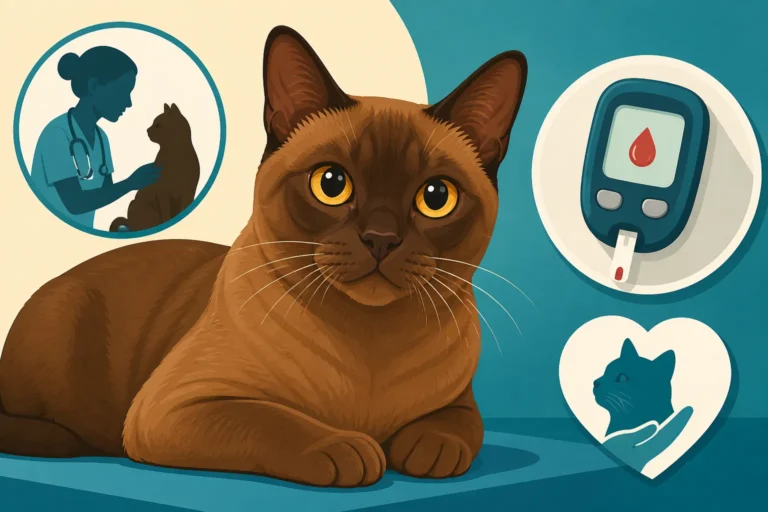
The Burmese breed, delightful as they are, does come with certain health predispositions that owners need to be aware of and budget for. Diabetes is a significant concern, with the breed having a much higher incidence rate than the general cat population. Why a Burmese Is Four Times More Likely to Become Diabetic is a startling reality for many owners. This means dietary considerations, regular vet checks, and potentially insulin management down the line can become ongoing costs. A rescued Burmese, especially an adult, might even come with a known health history, which can be a double-edged sword: you know what you're getting into, but it might mean immediate or projected medical expenses. For instance, Why a Rescue Burmese Should Have Its Glucose Checked is always a good idea upon adoption, especially if their history is unknown.
Another common issue for Burmese cats is gum disease, which can lead to costly dental procedures over their lifetime. Why a Burmese Is Prone to Gum Disease is just part of their genetic makeup, and proactive dental care at home, coupled with regular professional cleanings, is essential.
Considering these potential health challenges, pet insurance becomes a critical part of the budget for many Burmese owners. While an insurer like Healthy Paws might offer excellent coverage, it's worth noting that if a cat has a pre-existing condition (which a rescued adult might), that specific condition will typically be excluded from coverage. This is why Whether a Burmese Policy Is Worth It Once Diabetes Is Excluded is a valid question to consider, though insurance can still cover many other unexpected ailments. Ideally, you want to insure your Burmese early, well before any symptoms arise, as discussed in Why to Insure a Burmese Before It Turns Seven.
Behavior and Enrichment: Investing in a Happy Burmese
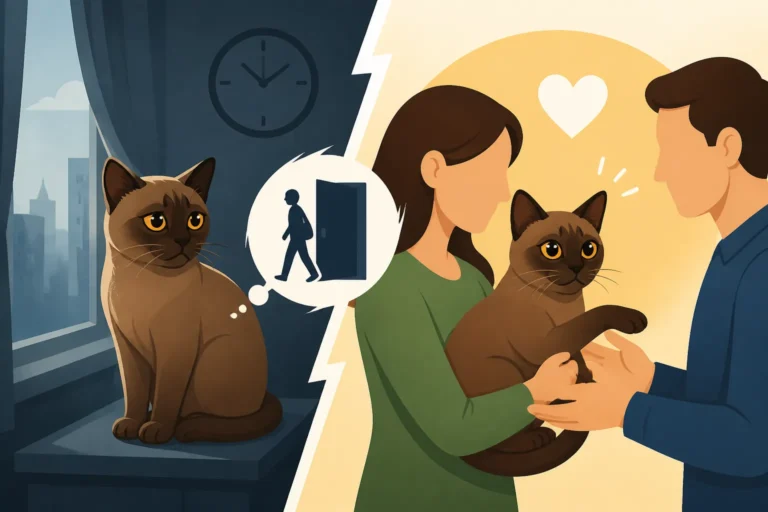
Burmese cats are renowned for their incredibly sociable, "Velcro cat" personalities. This means they absolutely thrive on companionship and interaction. Why a Burmese Cannot Be Left Alone All Day is not an exaggeration; they truly suffer from loneliness and separation anxiety. This strong need for company often leads owners to consider a second cat, and indeed, many Why Burmese Breeders Sell Them in Pairs or strongly recommend getting two kittens at once. If you adopt a single rescued Burmese, especially if you work long hours, you might find yourself budgeting for a second feline companion down the line, as Why Two Burmese Cost Less Than One Anxious One in the long run, saving your furniture and your sanity.
Enrichment is also crucial for their intelligent and playful minds. Investing in interactive toys, puzzle feeders (which also help with their propensity for overeating), and plenty of opportunities for play are essential. A Burmese loves to retrieve and will keep you busy! If you adopt an adult Burmese from a rescue, they might have established behaviors, some wonderful and some that might need gentle redirection. This could mean investing in behavioral consultation or specific training tools to help them adjust. Providing ample scratching posts and vertical spaces for climbing helps fulfill their natural instincts and keeps them physically and mentally stimulated.
Initial Costs: Breeder vs. Rescue
Let's break down a typical comparison of initial costs to bring a Burmese into your home. Please remember, these are illustrative and can vary widely, but they highlight the general difference.
| Item/Service | Reputable Breeder (Kitten) | Rescue Organization (Adult) |
|---|---|---|
| Purchase/Adoption Fee | Higher range | Lower range |
| Spay/Neuter Surgery | Additional cost | Usually included |
| Initial Vaccinations | First round often included | Usually fully up-to-date |
| Deworming/Flea Treatment | Often included | Usually included |
| Microchipping | Additional cost | Usually included |
| Initial Vet Exam (post-purchase) | Recommended, additional cost | Often performed by rescue |
| Genetic Health Screening | Breeder covers parents, guarantee | May have records, or recommend testing |
| Total Initial Outlay | Significantly higher | Significantly lower |
As you can see, the initial financial burden is often dramatically reduced when adopting from a rescue, as many of the standard, yet costly, preparatory vet services are already handled.
The Unquantifiable Value: Why Rescue Can Be Priceless
While the financial benefits of rescue are clear, there are also profound emotional and ethical rewards that simply can't be measured in dollars and cents.
Giving a Second Chance and Gaining a Companion
When you adopt a rescued Burmese, you are literally giving a deserving animal a second chance at a loving life. Many rescued cats have faced hardship, neglect, or simply found themselves displaced through no fault of their own. Providing them with a safe, stable, and affectionate home is an incredibly powerful and fulfilling act. The bond formed with a rescued cat can be uniquely deep, as they often seem to recognize and appreciate the comfort and security you offer.
Furthermore, many rescued Burmese are adults, which comes with its own set of advantages. Unlike a kitten whose personality is still developing, an adult Burmese often comes with a known temperament. Rescue organizations and foster parents can usually tell you a lot about the cat's likes, dislikes, how they interact with children or other pets, and their energy levels. This means you can choose a cat whose personality is a better match for your lifestyle right from the start. They may also be past the rambunctious kitten stage, often already litterbox trained, and ready to settle into your home with minimal fuss. There's a certain quiet joy in watching a previously anxious or overlooked cat blossom under your care, becoming the quintessential "Velcro cat" the breed is known for.
Supporting a Wider Cause
Choosing to adopt from a rescue organization does more than just find a home for one cat; it contributes to a much larger humanitarian effort. Every adoption frees up space and resources for another animal in need, helping to alleviate the overwhelming problem of pet homelessness. By adopting, you're directly supporting the dedicated individuals and volunteers who work tirelessly, often on shoestring budgets, to care for abandoned, abused, and surrendered animals.
These organizations are often the last hope for countless cats, providing them with medical treatment, rehabilitation, and a safe haven until their forever home comes along. Your adoption fee, while benefiting you directly with a well-vetted pet, also becomes a contribution to the continuity of this essential work. It's a choice that resonates far beyond your own household, creating a ripple effect of compassion and care within the animal welfare community. Looking through adoption listings on sites like Chewy's pet adoption service or local shelter websites demonstrates the sheer number of animals waiting for a chance.
Finding Your Rescued Burmese: Tips for a Successful Adoption
Finding a purebred Burmese in a general shelter might be like finding a needle in a haystack, but it's not impossible. Often, the best path is through breed-specific rescue organizations.
Where to Look for Breed-Specific Rescues
While general animal shelters sometimes have Burmese cats (often surrendered due to changes in owner circumstances or misunderstanding the breed's intense need for companionship), your best bet for finding a purebred Burmese is typically through a breed-specific rescue group. These organizations specialize in one particular breed, understanding their unique needs, behaviors, and health predispositions.
You can often find these groups by searching online for "Burmese cat rescue" in your region or country. Many breed clubs also maintain lists of rescue contacts. These rescues often have a network of foster homes where the cats live, allowing them to assess personalities in a home environment and provide detailed insights into the cat's behavior and habits. They're also more likely to have some history on the cat, potentially even genetic test results if the cat was originally from a breeder who provided that information. Occasionally, retired breeding cats (Queens or Studs) also come through these rescues, offering another avenue to welcome a beautiful adult Burmese into your home.
What to Ask and Expect During the Adoption Process
The adoption process with a reputable rescue is thorough, and for good reason—they want to ensure their cats go to the absolute best homes. Expect to fill out a detailed application that asks about your living situation, previous pet experience, lifestyle, and how you plan to care for a cat. There may be phone interviews, vet reference checks, and even a home visit. This isn't meant to be intrusive but rather to ensure a good match between you and the cat.
When you're communicating with the rescue, don't hesitate to ask specific questions about any potential Burmese:
- Health History: What do they know about the cat's health? Are there any existing conditions? Have they had a recent vet check? As mentioned, Why a Rescue Burmese Should Still Be Tested for common breed-specific issues like hypokalemia, especially if its origins are unknown.
- Temperament and Personality: How does the cat interact with people, other pets, and children? Is it a "Velcro cat" (most Burmese are!) or more independent? What are its favorite activities?
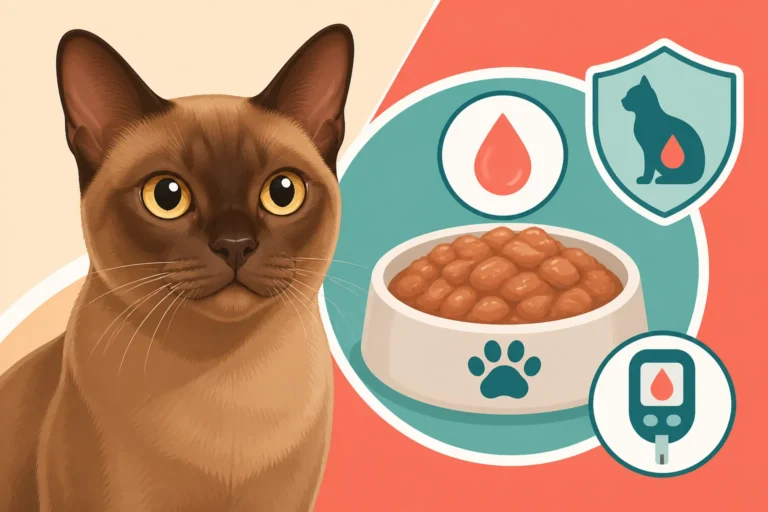
- Diet: What food has the cat been eating? This is particularly important for Burmese cats due to their diabetes risk. If the rescue has been feeding a low-carb, high-protein wet diet, that's a huge bonus. If not, be prepared to transition them.
- Reason for Surrender: If known, understanding why the cat ended up in rescue can provide valuable context and help you address any potential challenges.
Be open and honest throughout the process. The rescue's goal is the same as yours: to find a forever home where the Burmese will thrive. By being prepared and asking the right questions, you'll be well on your way to welcoming a wonderful rescued Burmese into your family.
Disclaimer
This article is for general informational purposes only and does not constitute professional advice. Laws, prices and regulations vary by location and change over time. Consult a qualified professional for guidance on your specific situation.