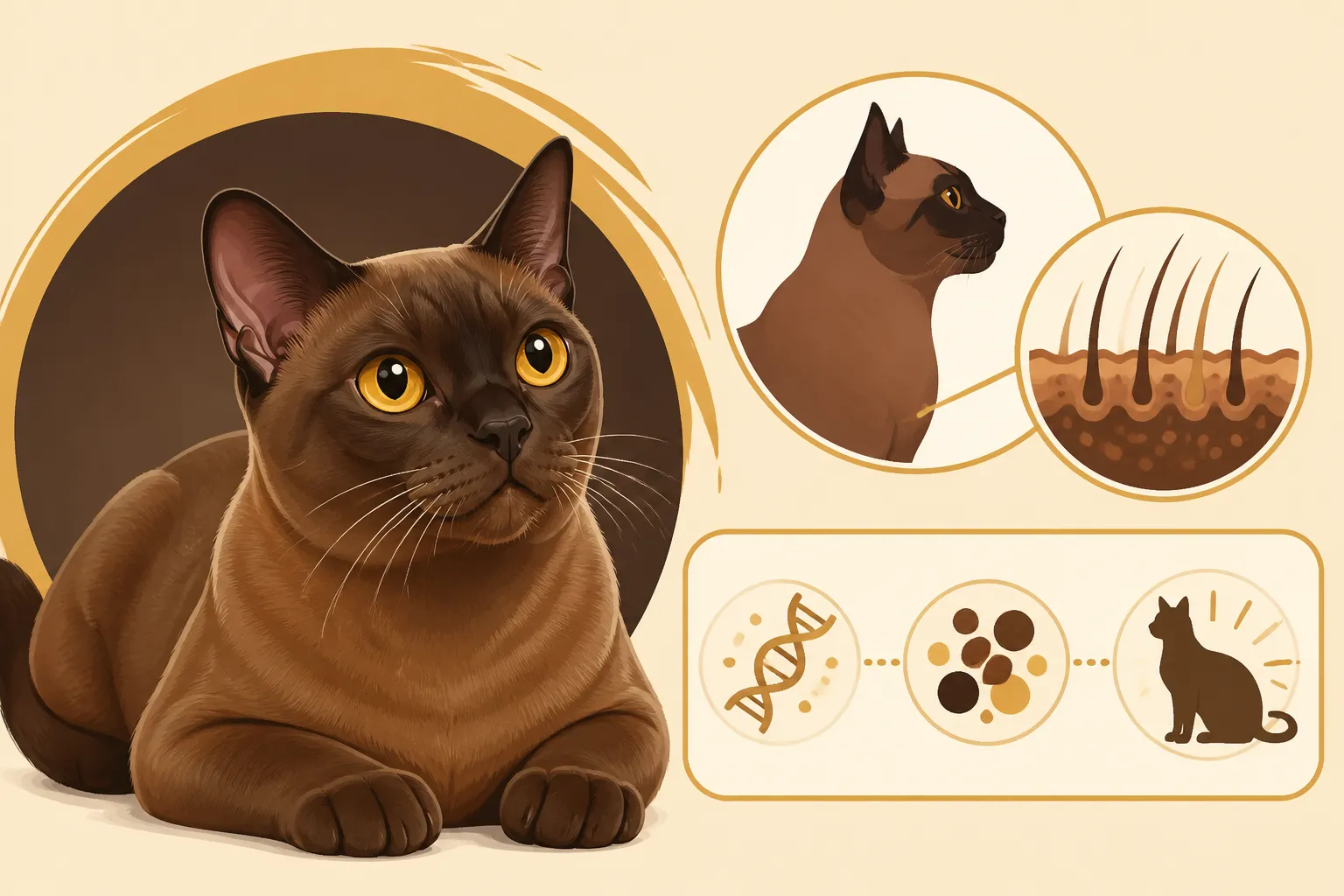
How a Burmese’s Color Is Registered
Many Burmese cat owners find themselves a little bewildered when it comes to understanding how their beloved feline's gorgeous coat color is officially recognized and recorded. It's not just about saying "my cat is brown"; there's a specific, often intricate, process governed by breed registries that ensures the integrity of the Burmese line. This guide will demystify the registration of your Burmese cat's color, explaining the unique genetics involved, the standards recognized by various organizations, and why getting it right is crucial for your cat's pedigree and the breed's future.
Understanding the Unique Burmese Color Palette
The Burmese cat is renowned for its short, satin-like coat and its distinctive range of colors. Unlike many other breeds with a vast array of patterns and hues, the Burmese palette is beautifully constrained and deeply rooted in its genetic makeup. When you're looking at a Burmese, you're not just seeing a pretty cat; you're seeing a carefully developed genetic expression that has been preserved and cherished for decades within the cat fancy. The depth and clarity of these colors are part of what makes the breed so unique.
The Four Core Burmese Colors
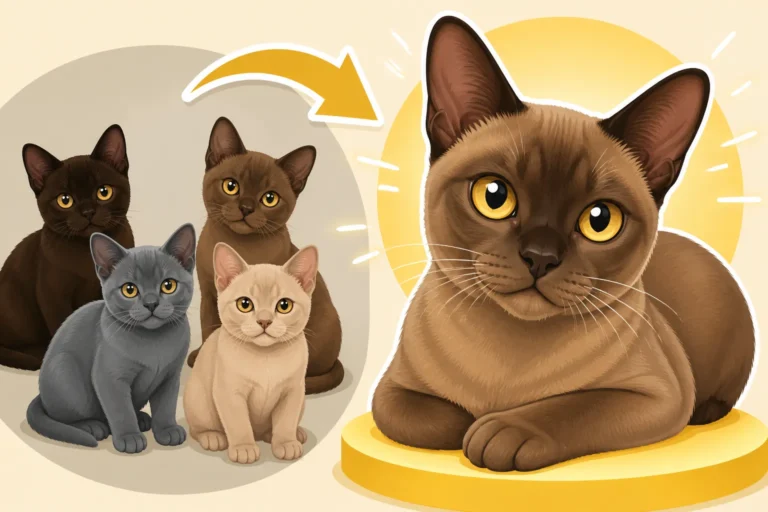
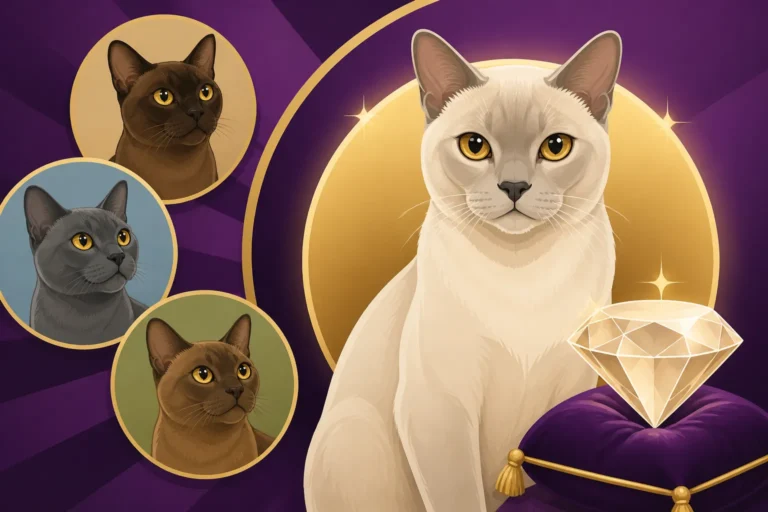
At its heart, the Burmese breed is recognized in a handful of core colors, each with its own charm and subtle variations. These are not just names; they are genetic descriptors that trace back to the very first Burmese cats. While some regions or registries might acknowledge additional dilute or red-series colors, the foundation typically rests on these four, which represent the breed's genetic cornerstones. This limited palette allows for focused breeding efforts to perfect each shade.
-
Sable (or Brown in Europe): This is the classic, original Burmese color, a rich, warm, dark brown. It’s what most people picture when they think of a Burmese, with a deep, almost mahogany hue that glistens under light. The intensity can vary slightly, but it’s always that luxurious shade that earned the breed its "satin" coat reputation. It’s a color that exudes warmth and sophistication. You can learn more about What a Sable Burmese Looks Like.
-
Champagne (or Chocolate in Europe): A lighter, warmer brown than sable, often described as a milky chocolate or honey tone. This color has a beautiful, soft luminescence that can appear almost golden in certain lights. It’s truly a stunning color that shimmers and reveals subtle undertones, offering a softer aesthetic than the deep Sable.
-
Blue: A soft, medium grey with a slight bluish cast. This color is elegant and understated, perfectly showcasing the sleekness of the Burmese coat. The blue is not a stark grey but rather a muted, sophisticated shade that can range from a smoky charcoal to a more silvery tone, often with an appealing powder-blue overtone that catches the eye. You can see What a Blue Burmese Looks Like for more details.
-
Platinum (or Lilac in Europe): The lightest and often considered the most delicate of the four, a pale, ethereal grey with a distinct pinkish or lavender undertone. It’s often highly sought after for its unique and exquisite quality, appearing almost dove-grey with a warm blush. This color really highlights the fine texture of the Burmese coat. What a Platinum Burmese Looks Like gives a good overview of this exquisite shade.
It's important to note that these colors are specifically Burmese variations of these tones, uniquely influenced by the breed's genetics. They are not merely solid colors but carry the distinctive Burmese restriction, meaning the points (ears, face, paws, tail) are subtly darker than the body, though less dramatically so than in a Siamese. This creates a soft, harmonious gradient across the cat's body, making the color appear to flow.
Regional Naming Conventions
One of the first things that can be confusing for a new Burmese owner is the difference in color names between North American (CFA, TICA) and European (GCCF, FIFe) registries. What's called "Sable" in the US is "Brown" in the UK. "Champagne" becomes "Chocolate," and "Platinum" is "Lilac." This isn't about different cats or entirely different genetic expressions, but simply different terminology reflecting historical development and preferences within the various cat fancy organizations. It can certainly lead to moments of head-scratching when looking at international pedigrees.
To illustrate, consider the following comparison:
| North American (CFA/TICA) | European (GCCF/FIFe) | Description |
|---|---|---|
| Sable | Brown | Rich, warm, dark brown |
| Champagne | Chocolate | Lighter, milky brown or honey-toned |
| Blue | Blue | Soft, medium grey with bluish cast |
| Platinum | Lilac | Pale, delicate grey with pinkish/lavender undertone |
When you look at your cat's pedigree, especially if it has international ancestors, knowing these regional differences is absolutely key to understanding its genetic lineage. It prevents misinterpretations and ensures you're correctly identifying the specific color of your cat and its relatives, which is a big part of appreciating their unique heritage. Why a Sable Burmese Is Called Brown in Britain delves deeper into these fascinating historical distinctions.
The Role of Registries in Documenting Burmese Colors
Cat registries are the custodians of breed standards and pedigrees. They exist to maintain the purity and characteristics of each breed, ensuring that the traits that define a Burmese, including its unique colors, are preserved for future generations. Accurate color registration is a fundamental part of that mission. Without these organizations, the careful genetic work done by dedicated breeders over many decades would quickly be diluted and lost, leading to a breakdown in breed consistency.
Major Cat Registries and Their Standards
Globally, several prominent cat registries oversee the Burmese breed, each with its own specific standard that dictates what is considered an acceptable color, how it should appear, and what codes are used to identify it on official documents. These standards are meticulously crafted and upheld, acting as the definitive guide for breeders and judges alike.
-
Cat Fanciers' Association (CFA): In North America, CFA is one of the oldest and most respected registries. They have very precise standards for the American Burmese, recognizing the four core colors: Sable, Champagne, Blue, and Platinum. Their guidelines detail everything from the depth of color to the subtle shading variations allowed. Which Colors CFA Accepts in a Burmese provides detailed information on their specific criteria.
-
The International Cat Association (TICA): TICA is known for being a bit more inclusive and often recognizes a wider range of colors and patterns across breeds, though they still maintain strict standards for purebred cats. While they also recognize the core four Burmese colors, their approach might be slightly different in how they categorize or accept dilutes or other genetic variations, especially when it comes to the European Burmese lines. TICA often provides a pathway for new colors or patterns to gain recognition, albeit through a rigorous process.
-
Governing Council of the Cat Fancy (GCCF): This is the primary registry in the United Kingdom, and they adhere to the European Burmese standard, which has a distinct look from the American Burmese. As mentioned, their nomenclature for the colors differs, using "Brown," "Chocolate," "Blue," and "Lilac." Their standards detail the body type, head shape, and coat qualities specific to the European type, alongside color. Which Colors the European Burmese Standard Adds talks about the nuances of the European perspective and any additional recognized variations.
Each registry utilizes a system of alphanumeric codes that breeders use on registration forms to denote a kitten's color. These codes are not just arbitrary labels; they are vital for maintaining accurate historical records and for tracking genetic lines, providing a universal language for color within the cat fancy.
Why Registry Standards Matter for Color
The registry's standard isn't just an aesthetic guideline; it's a genetic and phenotypic blueprint for the breed. For color, it ensures that what is called a "Sable Burmese" truly looks like a Sable Burmese, conforming to specific genetic expectations and the visual description laid out in the standard. This uniformity is critical for judges in cat shows, who must assess each cat against a consistent ideal, but more importantly, for breeders who are working to produce healthy, type-correct kittens that embody the very essence of the breed.
A cat registered with an "unrecognized" color, while still a lovely pet and genetically a Burmese, would not be eligible for championship competition in the conformation ring. This is because it doesn't meet the established visual criteria for that breed, signaling a deviation from the desired genetic expression. Such a cat also typically would not be suitable for inclusion in many recognized breeding programs, as the goal is to consistently produce offspring that meet the standard. The strict adherence to these standards upholds the breed's identity, ensuring that future generations of Burmese cats remain true to their heritage.
The Science Behind Burmese Color Expression
The beautiful, subtle shading of a Burmese is no accident; it's a fascinating display of genetics at work, showcasing a unique physiological process. Understanding this science helps appreciate why Burmese colors are registered the way they are, and why their appearance can change subtly over their lifetime. It’s a constant reminder of the intricate biology that creates such captivating felines.
The Power of the cb Allele
The distinctive Burmese color is primarily due to a specific gene mutation called the cb allele, a variant of the gene responsible for color density. This allele is responsible for what's known as "Burmese restriction" or, more scientifically, "temperature-sensitive albinism." Cats with two copies of this gene (cb/cb) will express the Burmese coloring, which means their pigment production is directly influenced by their body temperature.
-
Temperature Sensitivity: The enzyme responsible for producing pigment (melanin) works less efficiently at higher temperatures. This means that the warmer parts of the cat's body (the torso and core) produce less pigment, resulting in a lighter body color. Conversely, the cooler extremities – the ears, face mask, paws, and tail – allow the enzyme to function more effectively, thus producing more pigment and appearing darker. This creates that lovely, subtle contrast and shading that is a hallmark of the breed, a gradient of color rather than distinct points. This unique phenomenon is why How a Burmese's Color Gene Reacts to Temperature is so profoundly influential on their appearance.
-
Contrast vs. Points: While this temperature-sensitive effect is similar in concept to the more dramatic "pointed" pattern seen in Siamese cats (which is due to a different allele, cs), the Burmese restriction is less extreme. A Siamese has a very stark contrast between its almost white or cream body and intensely dark points. A Burmese, with its cb/cb genotype, has a much softer, more gradual shading, with the overall body color still being a distinct hue, like sable or blue, rather than a near-albino white base. The points are simply a deeper shade of their overall color, blending harmoniously.
How Burmese Kitten Colors Develop
If you've ever had the joy of seeing a litter of Burmese kittens, you might have noticed they are born remarkably pale. This is a direct and visible result of the temperature-sensitive gene at work! Inside the queen's warm womb, the consistent high temperature inhibits pigment production across their entire body. They emerge looking like little cream-colored bundles, often making it difficult to immediately distinguish their exact color until they've been in the world for a few days or weeks.
As they are exposed to the cooler ambient air after birth, the enzyme in their extremities begins to function more effectively, and their true adult color slowly but surely begins to emerge. It's truly like watching a photograph develop before your eyes, a gradual revelation of their genetic blueprint. This phenomenon is precisely why Why a Burmese Kitten Is Born Paler Than It Ends Up is such a consistent observation among breeders.
-
Gradual Darkening: A Sable Burmese kitten, for example, will start as a pale fawn or cream and gradually darken to that rich, deep brown over the first few months of life. The full depth and richness of color may not be truly apparent until they are a year or even two years old, as their body matures and stabilizes its temperature regulation. This slow development means patience is key for breeders evaluating color.
-
Environmental Factors: Even as adults, a Burmese's coat color can subtly change throughout its life. Cats living in cooler climates or those that habitually seek out cooler spots in the house might develop slightly darker bodies than those in warmer environments or who prefer sunny windows. Similarly, a cat recovering from a fever might grow in lighter fur in the affected areas where its body temperature was elevated. Conversely, regular exposure to strong sunlight can also lighten their coats over time due to UV degradation of pigment. This dynamic interaction truly highlights that Why a Burmese's Color Deepens Where It Is Cool is a constant dance with nature and environment.
It’s this dynamic interaction between genetics and external factors that makes Burmese colors so captivating and provides a unique challenge (and constant source of joy!) for breeders aiming for specific shades within the breed standard.
Navigating the Color Registration Process
Registering your Burmese cat’s color is a crucial step, whether you're a breeder looking to document a precise lineage or a pet owner simply wanting official recognition for your cherished companion. It ensures your cat's place in the breed's history and offers verifiable documentation of its heritage. This process, while seemingly bureaucratic, is fundamental to maintaining the integrity of the Burmese breed.
Breeder's Role in Initial Registration
For most pet owners, the initial color registration process starts directly with the breeder. Responsible breeders adhere to strict protocols and perform several vital steps before a kitten even leaves for its new home, ensuring accuracy from the very beginning.
-
Parentage Verification: Before any mating takes place, reputable breeders ensure both parent cats are fully registered with a recognized body and that their colors are accurately recorded. This meticulous verification of ancestral pedigrees helps predict the probable colors of the offspring and minimizes surprises, allowing for careful genetic planning.
-
Litter Registration: Once a litter is born, typically when the kittens are a few weeks old, the breeder will register the entire litter with their chosen cat association (e.g., CFA, TICA, GCCF). At this crucial stage, the breeder carefully identifies each kitten's sex and its presumed color based on their developing coat and the genetic history of the parents. This often involves careful, ongoing observation as the kittens gradually darken and their true colors emerge, which can take several weeks.
-
Individual Kitten Registration: After the litter is registered, individual kittens are then registered. This is where the specific, confirmed color of your kitten is officially recorded. The breeder submits an application, providing the kitten's official name, birth date, and the specific color code assigned by the registry. Upon completion, they will provide you with the necessary paperwork, often an official registration certificate or a transfer form. These What Color Codes Appear on a Burmese Pedigree are essential pieces of information provided at this stage, serving as an immutable record.
It's common for breeders to provide pet owners with what's called "limited registration" papers. This means the cat is officially registered as a purebred Burmese but cannot be used for breeding or shown in championship classes without specific permission from the breeder or an upgrade to full registration. This is usually part of the spay/neuter contract, designed to protect the breed and the breeder's lines.
What Happens If the Color Was Mistyped?
Mistakes, while rare among diligent breeders, can happen. Sometimes a kitten's color is initially identified incorrectly, especially with the subtle differences between Champagne and Platinum or Blue and Sable in very early kittenhood before the color fully develops. If you receive your cat and, as it matures, you notice its color doesn't quite match what's on its registration papers, don't panic; there's a process for correction.
-
Contact Your Breeder First: The first and most important step is always to contact your breeder. They are the expert on their specific lines and should be able to help rectify the situation. They may have specific insights into the genetic potential of that particular pairing and can verify the correct color. They have a vested interest in ensuring their records are accurate.
-
Amending Registration: Most reputable registries have a clear process for amending a cat's registration, including correcting a color error. This typically requires an application form, possibly submission of clear, recent photos of the cat at different ages to show the color development, and often a signed letter or statement from the breeder confirming the correction. There might be a nominal fee involved for processing the amendment, so it's always worth checking with the specific registry for their current requirements and costs. This isn't an uncommon occurrence, particularly with breeds like the Burmese where colors develop slowly over time. Having correct registration is important for maintaining accurate records and for any future interactions with the cat fancy, such as insuring your pet through a reputable provider like Healthy Paws, where consistent breed and descriptive information is usually requested for their policies.
Why Accurate Color Registration Matters
Beyond simply having a piece of paper, the accurate registration of your Burmese cat's color holds significant weight within the cat world and for your personal journey as an owner. It impacts everything from the fundamental integrity of the breed to potential insurance claims and even your daily care routines. This isn't just bureaucratic red tape; it's a vital component of responsible pet ownership and preservation.
Maintaining Breed Integrity and Pedigree
The primary, overarching reason for precise color registration is the preservation of the Burmese breed standard. Each color, as defined and recognized by the registries, contributes to the overall genetic pool and helps breeders make informed, ethical decisions about future pairings.
-
Genetic Tracking: Accurate records are indispensable for allowing breeders to track genetic lines over generations. This ensures that desirable traits (like correct color expression, health, and temperament) are consistently being passed down, while also helping to identify and avoid the proliferation of undesirable ones. If colors are incorrectly registered, it can significantly skew genetic data, leading to confusion and potentially undermining years of careful breeding work.
-
Pedigree Accuracy: Your cat's pedigree is its family tree, a documented history of its lineage, and color is a fundamental part of that heritage. An incorrect color on a pedigree can throw off generations of genetic data, making it difficult for future breeders to understand the true genetic potential and history of a line. For anyone considering showing their cat or even just appreciating their cat's rich background, an accurate pedigree is invaluable, a testament to its purebred status.
It’s a collective effort, a commitment by every breeder and owner to uphold the standards that define the magnificent Burmese cat. This shared responsibility ensures the breed remains vibrant and true to its origins.
Implications for Showing and Breeding
If you have aspirations for your Burmese beyond being a cherished lap companion, perhaps in the show ring or as part of a breeding program, accurate color registration becomes even more critically important.
-
Show Eligibility: To compete in championship classes at cat shows sanctioned by bodies like CFA or TICA, your Burmese must be fully registered with that governing body and, crucially, must conform precisely to its breed standard, including its color. An incorrectly registered color, even if visually appealing, could unfortunately disqualify your cat from competition, no matter how beautiful or otherwise perfect it may be. Judges are rigorously trained to evaluate against these standards.
-
Breeding Programs: For serious breeders, proper color registration is absolutely non-negotiable. It forms the very foundation of their breeding program. Knowing the precise genetics of their cats' colors allows them to make informed and responsible choices about pairings, predict litter outcomes with a high degree of accuracy, and most importantly, contribute responsibly to the breed's future health and consistency. Any deviation or error in color documentation could compromise the integrity of their entire line and affect the credibility of their breeding program. Breeders carefully plan for litters, considering not just health and temperament, but also ensuring they produce the recognized The Four Colors a Burmese Comes In and other traits that adhere to the established standards.
Financial and Practical Considerations
While color registration might seem like a niche or purely aesthetic detail, it can have very tangible and practical implications for you as an owner, extending beyond the show hall or breeding cattery.
-
Insurance Policies: When you seek pet insurance for your beloved Burmese through companies like Healthy Paws, they will invariably ask for your cat's breed, age, and sometimes specific identifying features. While color itself isn't usually a direct factor in premium calculations, having consistent, verifiable information from official registration documents can significantly streamline the application process and prevent potential headaches or delays if a claim is ever made. It ensures all your cat's records align perfectly.
-
Identification: In the unfortunate event that your cat goes missing, clear and accurate identification, including its officially registered color, can be invaluable for recovery efforts. While microchips are the primary means of identification, having robust descriptive information that matches official records helps confirm identity, especially if a cat is found far from home or its chip cannot be immediately read.
-
Resale Value and Ethics: For breeders, correctly registered cats of appropriate color, from proven lines, naturally command a higher value. This reflects the significant effort, investment, and integrity of their breeding program. For pet owners, understanding the registration verifies that you have a purebred Burmese and provides immense peace of mind about its background and genetic health. Moreover, when choosing specialized foods for a diabetes-prone Burmese, knowing your cat's exact breed and characteristics reinforces the importance of the breed-specific care you're providing. Why Portion Control Is Medical Care in a Burmese becomes a truly medical decision in this context, directly tied to breed health predispositions.
Understanding how your Burmese's color is registered is more than just paperwork; it’s about participating in the legacy of a remarkable breed and ensuring that its unique characteristics, including its stunning and genetically fascinating coat, continue to be celebrated and preserved for generations to come.
Disclaimer
This article is for general informational purposes only and does not constitute professional advice. Laws, prices and regulations vary by location and change over time. Consult a qualified professional for guidance on your specific situation.