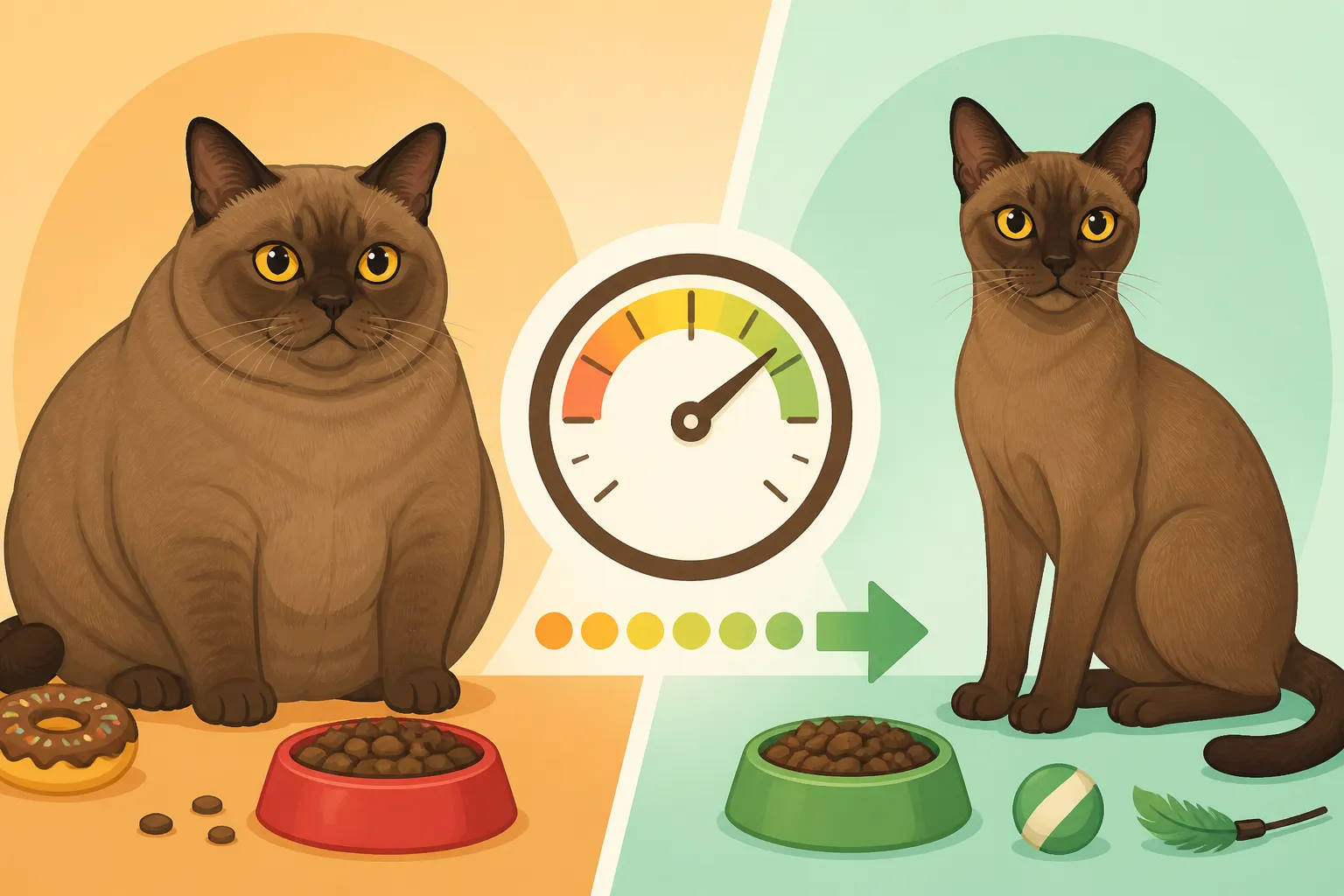
How Slowly an Overweight Burmese Should Lose Weight
Watching your beloved Burmese cat start to put on a few extra pounds can be incredibly worrying, especially when you know their breed has specific health vulnerabilities. It’s a frustrating situation because, unlike some cats who might just look a bit chunky, an overweight Burmese faces a significantly higher risk of serious conditions like diabetes. This guide is here to walk you through the safest, most effective way to help your sweet companion shed those excess pounds, ensuring their health and happiness for years to come.
Why Weight Management is Critical for Burmese Cats
It's tempting to think a little extra fluff on your cat is harmless, maybe even cute. But for a Burmese, carrying even a small amount of extra weight isn't just about aesthetics; it's a direct threat to their long-term health and quality of life. These wonderful, affectionate cats are predisposed to certain conditions that are heavily exacerbated by obesity.
The Unique Diabetes Risk in Burmese
Let's be blunt: the Burmese cat has a disproportionately high risk of developing diabetes, far more than most other breeds. This isn't just a slight increase; research consistently shows that Why a Burmese Is Four Times More Likely to Become Diabetic compared to the general cat population. And the single biggest, most controllable factor that tips them over into developing diabetes? Excess weight. A few extra grams can actually kickstart the insulin resistance cascade that leads to full-blown feline diabetes. It’s not just about managing an existing condition; it’s about preventing one that could drastically change both your cat's life and your daily routine.
Think about it this way: every extra bit of fat tissue your Burmese carries adds stress to their pancreas, making it harder for their body to regulate blood sugar. It's like asking a delicate machine to work overtime, every day, without proper maintenance. Eventually, something's going to give. Maintaining a lean body condition is, quite literally, a form of preventative medicine for these cats. It's a proactive step that can save them from daily insulin injections, special diets, and the very real complications of diabetic neuropathy or kidney issues down the line.
Other Health Complications of Obesity
Beyond diabetes, obesity in Burmese cats—as in any cat—opens the door to a whole host of other unwelcome health guests. Their athletic, muscular build is designed for agility and play, but excess weight puts undue strain on their joints, leading to conditions like arthritis even in younger years. Imagine trying to leap onto a counter or chase a favorite toy when your joints are aching under the burden of extra weight; it quickly diminishes their joy and ability to engage in normal cat behaviors.
Furthermore, an overweight Burmese can suffer from reduced mobility, decreased energy levels, and even impaired grooming, which can lead to skin problems. Their breathing might become labored, especially during exertion or in warmer weather, due to fat accumulation around the chest and abdomen. And let's not forget the increased anesthetic risk should they ever need surgery, or the difficulty vets face in diagnosing conditions when excess fat obscures palpation of internal organs. For a cat known for its close bond with humans and its playful nature, these complications can severely impact their quality of life, turning a vibrant companion into a lethargic one. This is why Why a Burmese Hides Illness Behind Its Affection is so important to remember – they might be suffering more than they let on.
Understanding Healthy Weight and Body Condition in Burmese
One of the biggest hurdles for Burmese owners is recognizing when their cat is actually overweight. Because they are naturally quite dense and muscular, they can often appear leaner than they actually are, or their weight can be misjudged. It’s not about comparing them to a slender Siamese; it’s about understanding their unique physique.
What a Healthy Burmese Should Weigh
Unlike some breeds, Burmese cats are notoriously "heavy for their size." They're often described as feeling like "a brick wrapped in silk," due to their surprisingly muscular and compact build. So, what exactly should they weigh? On average, a healthy adult female Burmese will typically weigh between 6 to 9 pounds (2.7 to 4 kg), while males can range from 8 to 12 pounds (3.6 to 5.4 kg). However, these are general guidelines. A cat's ideal weight can vary based on their individual frame, muscle mass, and even whether they are an American or European type Burmese, as the latter tends to be slightly daintier. The crucial thing is to know What an Adult Burmese Should Weigh based on their specific build and to track it consistently.
The problem arises when owners, seeing a cat that doesn't look obviously "fat" like a spherical domestic shorthair, assume their Burmese is fine. But even a pound or two above their ideal can have significant health implications for a Burmese. That's why relying solely on the number on the scale isn't enough; you also need to get hands-on and evaluate their body condition.
Assessing Body Condition Score at Home
A much more accurate way to determine if your Burmese is at a healthy weight is to use a Body Condition Score (BCS) chart, typically on a 1-5 or 1-9 scale. This involves feeling your cat's ribs, spine, and waist.
Here’s a quick guide to a 5-point BCS:
- BCS 1 (Emaciated): Ribs, spine, and pelvic bones easily visible. No palpable fat. Severe abdominal tuck.
- BCS 2 (Underweight): Ribs easily palpable with minimal fat covering. Obvious waist behind ribs. Minimal abdominal fat.
- BCS 3 (Ideal): Ribs palpable without excess fat covering. Visible waist when viewed from above. Minimal abdominal fat. This is where you want your Burmese to be.
- BCS 4 (Overweight): Ribs palpable but with slight excess fat covering. Waist discernible but not prominent. Moderate abdominal fat.
- BCS 5 (Obese): Ribs not easily palpable under heavy fat covering. No discernible waist. Obvious abdominal distension.
To check your Burmese, gently run your hands along their sides. Can you easily feel their ribs, almost like feeling the knuckles on your hand, but with a slight cushion? If you have to press firmly to feel them, or can't feel them at all, they're likely overweight. Then, look at them from above: can you see a gentle inward curve behind their ribs, indicating a waist? If they're straight or bulging, that's a red flag. Finally, feel under their belly; there should be very little "paunch" or sagging fat. Regularly checking these points is how you can tell if How to Feel a Burmese's Ribs Under a Satin Coat truly indicates a healthy weight.
Why a Muscular Burmese is Often Misjudged
It’s crucial to understand that Why a Muscular Burmese Is Mistaken for a Fat One. Their inherent muscle mass gives them a solid, dense feel that can sometimes be misinterpreted as being overweight, even by experienced cat owners. Unlike many other breeds, which might have a finer bone structure, the Burmese is compact and powerful. This means their ideal weight can sometimes be higher than a cat of a similar size from a different breed.
The key distinction lies in the composition of that weight. A healthy Burmese carries significant muscle, which is dense and firm. An overweight Burmese, however, will have that muscle obscured by layers of fat. This is why the Body Condition Score is so important. You’re not just feeling for "weight," you're feeling for the underlying bone structure and the amount of fat covering it. If you can feel strong ribs and spine with a thin layer of muscle and fat, coupled with a discernible waist, your Burmese is likely at an ideal weight, regardless of what the number on the scale might initially suggest when compared to a lighter-boned cat.
The Safe Rate of Weight Loss for a Burmese
Once you've determined your Burmese needs to lose weight, the most critical thing to remember is that slow and steady wins the race. Rapid weight loss in cats, especially those carrying significant excess weight, is not only ineffective in the long run but downright dangerous.
The Dangers of Rapid Weight Loss
This is where empathy truly comes in, because it's so tempting to want to see quick results when you're worried about your cat's health. You might feel the urge to drastically cut their food, but please resist this. Rapid weight loss in cats can trigger a life-threatening condition called hepatic lipidosis, commonly known as fatty liver disease. When a cat doesn't consume enough calories, their body starts mobilizing fat reserves to use for energy. However, the feline liver isn't designed to process large amounts of fat quickly, leading to a build-up in the liver cells, impairing its function.
The consequences of hepatic lipidosis are severe. Cats become lethargic, stop eating completely (which only makes the condition worse), can develop jaundice (yellowing of the skin and eyes), and without immediate, aggressive veterinary intervention, it can be fatal. This is why understanding Why Rapid Weight Loss Gives a Burmese Fatty Liver is so vital. It’s a terrifying condition that is entirely preventable by ensuring weight loss is gradual and controlled. Your cat's safety and well-being absolutely depend on a slow, managed approach.
Recommended Weekly Weight Loss Percentage
So, what's the magic number? For a safe and sustainable weight loss journey, a Burmese cat should ideally lose about 0.5% to 2% of their current body weight per week. Yes, that sounds like a tiny amount, and it means the process will be slow. But this rate minimizes the risk of fatty liver disease and allows your cat's body to adjust gradually.
Let's put that into perspective with a quick table:
| Current Weight (lbs) | Target Weekly Loss (lbs, 0.5%) | Target Weekly Loss (lbs, 2%) | Target Weekly Loss (grams, 0.5%) | Target Weekly Loss (grams, 2%) |
|---|---|---|---|---|
| 12 | 0.06 | 0.24 | 27 | 109 |
| 10 | 0.05 | 0.20 | 23 | 91 |
| 8 | 0.04 | 0.16 | 18 | 73 |
As you can see, we're talking about ounces, sometimes less than a quarter-pound a week. This might feel frustratingly slow, especially if your Burmese has a lot of weight to lose. But remember, this is a long-term health investment. A healthy 12-pound Burmese aiming for 10 pounds might only lose 0.05-0.2 pounds per week. It could take several months, or even up to a year, to reach their ideal weight. This slow pace is the best way to protect their liver and ensure they remain healthy throughout the process.
Practical Steps for Gradual Weight Reduction
Embarking on a weight loss journey for your Burmese involves a holistic approach, focusing on precise nutrition and appropriate activity. It’s not just about cutting back; it’s about making smart, sustainable changes.
Calorie Calculation and Portion Control
This is the cornerstone of any effective weight loss plan. You simply cannot eyeball portions, especially with a breed prone to overeating and diabetes. The first step is to consult your veterinarian. They can help you calculate your Burmese's ideal body weight and determine the appropriate daily caloric intake needed for gradual weight loss. This calculation considers their current weight, ideal weight, age, activity level, and any existing health conditions.
Once you have that calorie target, strict portion control becomes paramount. Why Portion Control Is Medical Care in a Burmese is not an exaggeration – it truly impacts their health. You must weigh their food using a digital kitchen scale for every single meal. Scooping, even with a measuring cup, is notoriously inaccurate and can lead to overfeeding by a significant margin. Divide their daily caloric allowance into two or three meals, given at consistent times. This regular feeding schedule helps manage their hunger and metabolism. Avoid leaving food down all day, as this "free feeding" approach is a primary culprit in feline obesity and can dramatically increase a Burmese's diabetes risk.
Transitioning to a Low-Carbohydrate Diet
The type of food you feed your Burmese is almost as important as the amount. Because of their predisposition to diabetes, a low-carbohydrate, high-protein wet food diet is generally recommended for Burmese cats, especially those needing to lose weight. Cats are obligate carnivores, meaning their bodies are designed to process protein and fat from meat, not carbohydrates. High-carb diets can lead to insulin resistance and contribute to weight gain.
When choosing a food, look for options where the carbohydrate content is typically under 10% (and ideally even lower, sometimes as low as 5%). This usually means avoiding most dry kibbles, which often contain significantly higher carbohydrate levels to bind them together. Transitioning to a new food should always be done gradually over 7-10 days to avoid upsetting your cat's stomach. Start by mixing a small amount of the new food with their old food, slowly increasing the proportion of the new diet each day. This approach, outlined in detail in guides like Why Low Carbohydrate Food Matters for a Burmese, is essential for both weight management and preventing diabetes.
Increasing Safe Activity Levels
While diet is 80% of weight loss, increasing activity plays a vital supportive role, helping to burn calories, build lean muscle, and keep your Burmese mentally stimulated. Remember, these are highly intelligent and playful cats, even into old age.
Start with short, gentle play sessions and gradually increase their duration and intensity as your cat's fitness improves. Think wand toys, laser pointers (with a treat at the end to "catch"!), or even teaching them to fetch. Many Burmese love to play fetch, and it’s a great way to get them moving without too much strain. Try to schedule 2-3 play sessions of 10-15 minutes each day. Puzzle feeders are also excellent for slowing down eating and making them "work" for their food, adding mental enrichment.
Consider vertical spaces. A cat tree or shelving units can encourage climbing and jumping. If your Burmese is particularly social and trusting, leash training for supervised outdoor adventures in a secure garden can provide novel stimulation and exercise, though always be mindful of their trusting nature. Always ensure that any increase in activity is comfortable for your cat; pushing them too hard can lead to injury or discouragement. This is especially true for an older Burmese, where What an Old Burmese Still Wants to Play needs to be balanced with gentle exercise.
Monitoring Progress and Adjusting the Plan
Weight loss is rarely a straight line. There will be plateaus, and sometimes, a slight gain. Regular monitoring and flexibility are key to success.
Weekly Weigh-ins and Record Keeping
Consistent monitoring is non-negotiable. You should weigh your Burmese at home once a week, at the same time of day, ideally before their first meal. Use a reliable digital pet scale, or if you don't have one, weigh yourself, then weigh yourself holding your cat, and subtract the difference. How to Weigh a Burmese Accurately at Home is a skill worth mastering for any Burmese owner.
Keep a detailed log of their weekly weight, food intake (exact grams!), and any notable activity or changes in behavior. This record is invaluable for tracking progress, identifying trends, and knowing when to adjust their plan. Why a Burmese's Weight Should Be Recorded Monthly becomes even more critical during a weight loss program, as weekly data gives you real-time insights. If your cat isn't losing weight, or is losing it too quickly, your meticulously kept records will help you and your vet make informed adjustments to their diet or exercise regimen.
Knowing When to Consult Your Vet
Your veterinarian is your most important partner in this weight loss journey. Regular check-ups are crucial, especially at the beginning and then periodically as your Burmese loses weight. They can assess their overall health, rule out any underlying medical conditions contributing to weight gain (like hypothyroidism, though rare in cats), and adjust calorie targets as your cat's weight decreases.
If your Burmese isn't losing weight despite diligent adherence to the plan, or if they are losing weight too rapidly, contact your vet immediately. Similarly, any signs of lethargy, vomiting, diarrhea, or refusal to eat should prompt an urgent vet visit, as these could be symptoms of underlying health issues or the dangerous onset of hepatic lipidosis. Remember, proactive veterinary care is always the best approach, and investing in pet insurance, such as a comprehensive plan from Healthy Paws, can help alleviate the financial stress of these necessary check-ups and potential medical interventions. A good insurance policy, especially one from a reputable provider like Healthy Paws, can be a lifesaver when unexpected health issues arise. They can help cover diagnostic tests, vet visits, and potentially long-term treatments, allowing you to focus on your Burmese's health without financial worry.
Managing your Burmese's weight is truly a labor of love, requiring patience, consistency, and a deep understanding of their unique needs. It’s a journey that prioritizes their long-term health over quick fixes, ensuring your delightful companion remains playful, affectionate, and with you for many happy years. Considering a robust pet insurance plan, like those offered by Healthy Paws, early in your cat's life can also provide peace of mind for the journey ahead, covering potential health issues that might arise even with the best care.
Disclaimer
This guide offers general information and recommendations for managing weight in Burmese cats. It is not a substitute for professional veterinary advice. Always consult your veterinarian before starting any new diet or exercise program for your cat, especially if they have existing health conditions.