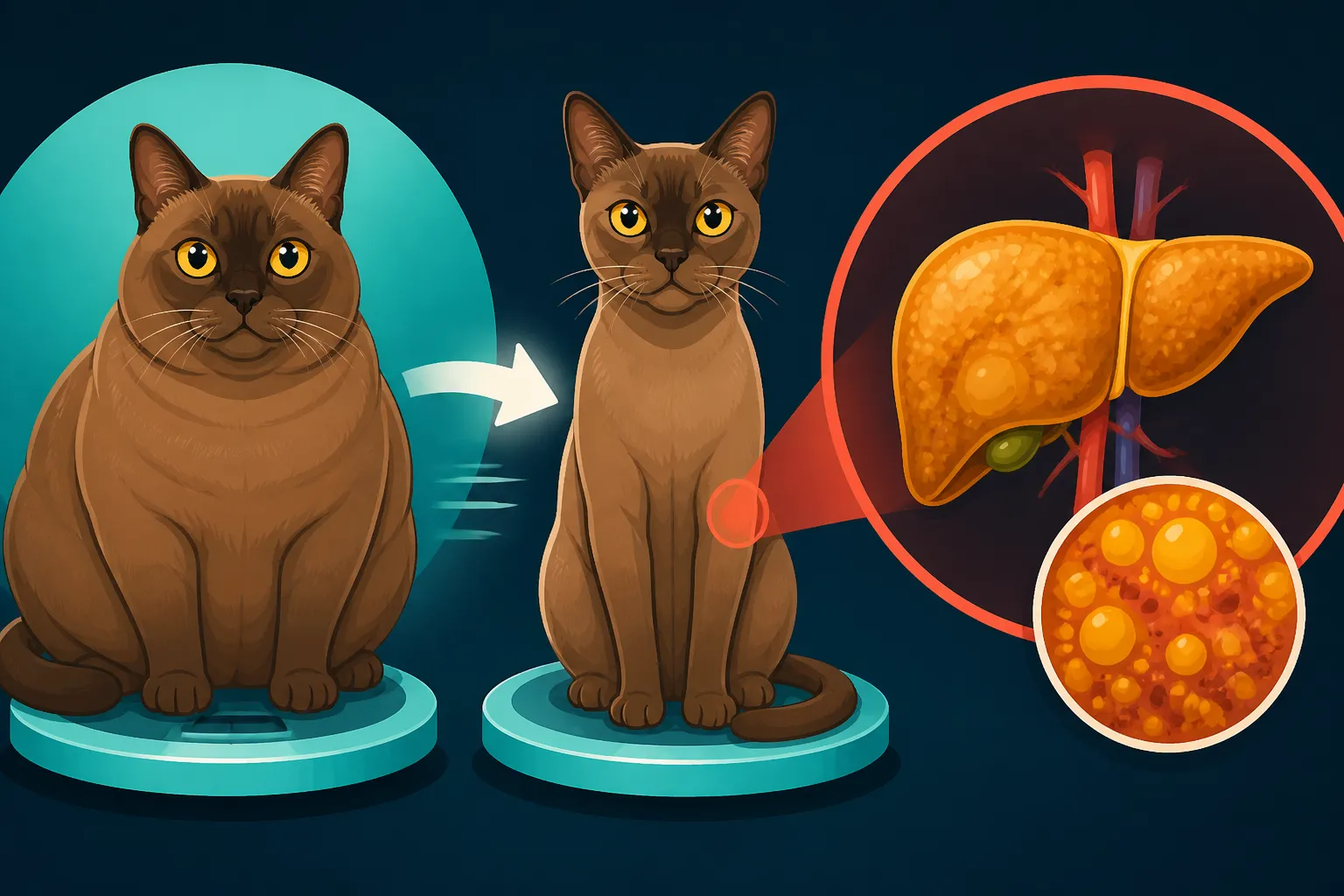
Why Rapid Weight Loss Gives a Burmese Fatty Liver
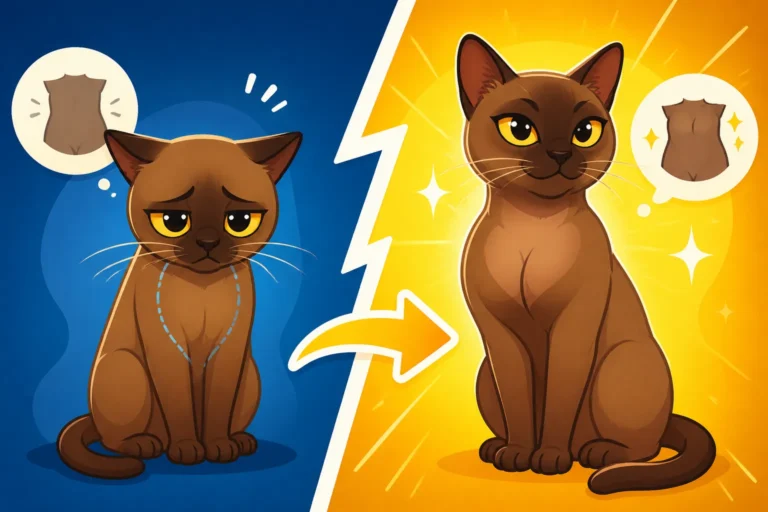
It's incredibly frustrating when you're doing your best to help your beloved Burmese cat shed a few pounds, only to discover that trying to get the weight off too quickly can actually be more dangerous than staying a little plump. Many of us have been there, thinking a strict diet is the answer, but for Burmese cats, rapid weight loss poses a severe and potentially fatal risk: fatty liver disease. This guide will walk you through why this happens, how to recognize the dangers, and most importantly, how to approach weight loss safely and effectively for your cherished companion.
The Silent Threat of Feline Hepatic Lipidosis
Let's be brutally honest: nobody sets out to harm their cat, especially when they're trying to improve their health. Yet, the way a cat's body is designed means that weight loss, if not managed correctly, can quickly turn into a life-threatening condition known as hepatic lipidosis, or fatty liver disease. This isn't just a concern for any cat; it's a particular worry for breeds like the Burmese, who have their own unique metabolic quirks.
What is Hepatic Lipidosis?
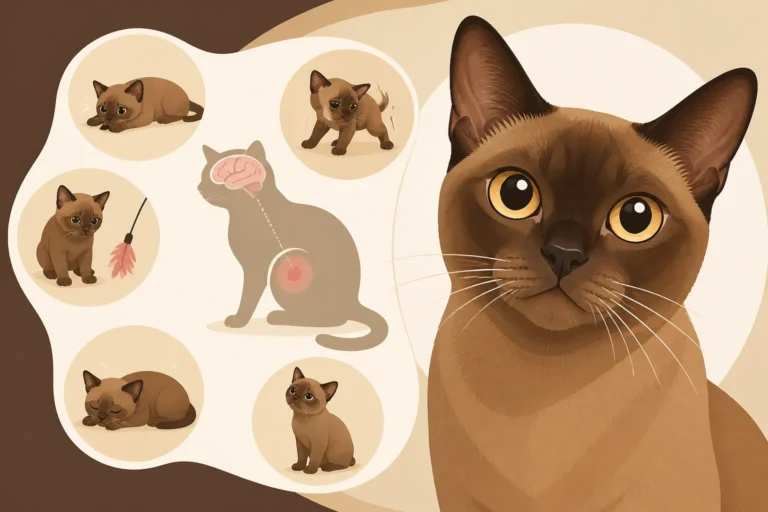
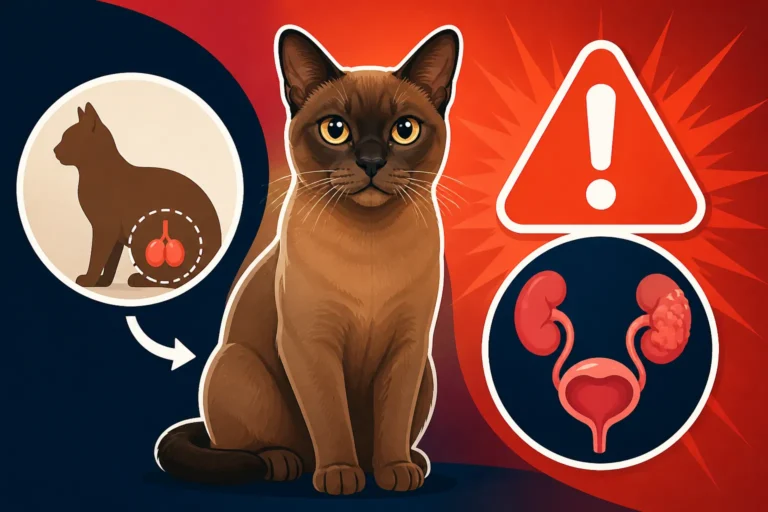
Imagine your cat's liver as a busy factory, constantly processing nutrients, filtering toxins, and producing essential compounds. When a cat suddenly stops eating, or drastically reduces its food intake, its body believes it's starving. In response, it starts mobilizing fat stores from all over the body, rushing them to the liver to be converted into energy. The problem is, a cat's liver isn't equipped to handle such a massive, sudden influx of fat. It gets overwhelmed, and the fat accumulates within the liver cells, impairing their function. This build-up prevents the liver from doing its job, leading to a cascade of health issues. It's a cruel irony that attempting to improve health can trigger such a severe condition.
Why Burmese Cats are Predisposed to Liver Issues
Our beautiful Burmese friends are known for being robust, muscular cats, but they also carry a genetic predisposition to certain metabolic conditions, particularly diabetes. This inherent tendency towards metabolic sensitivity makes them even more vulnerable to the dangers of rapid weight loss. Because their bodies are already tuned to be highly efficient at storing fat and can be sensitive to insulin fluctuations, any sudden shift in their calorie intake can throw their system into disarray faster than in many other breeds.
Think about it: a Burmese might look sleek and athletic, but they can carry more weight than you'd expect, often leading owners to misjudge their ideal body condition. This muscular build can hide excess fat, making it harder to spot an overweight cat until the problem is significant. When an owner finally realizes their Burmese is carrying too much weight and decides to act, the instinct is often to cut food dramatically. But for a Burmese, this sharp reduction, especially if they are already on the cusp of metabolic issues, is like pulling the rug out from under their delicate system, priming them for hepatic lipidosis. It's a difficult balance, which is why understanding their specific needs is so vital.
The Perils of Rapid Calorie Restriction
The urge to see quick results when your vet says your cat needs to lose weight is completely understandable. You want what's best for your furry family member. However, the cat's unique physiology makes crash dieting incredibly dangerous. It’s not just about feeling hungry; it's about a fundamental metabolic response that can turn against them.
The Metabolism of Starvation in Cats
Unlike humans or even dogs, cats evolved as obligate carnivores, meaning their bodies are designed to derive energy primarily from protein and fat, with very limited carbohydrate processing capabilities. They're also programmed for frequent, small meals. When a cat goes without food for an extended period – even just 24 to 48 hours for a cat already carrying extra pounds – their body doesn't just switch to burning fat cleanly. Instead, it enters a "starvation mode" where it rapidly breaks down fat reserves.
This fat is then sent to the liver for processing. The liver tries to convert these fatty acids into lipoproteins for energy, but if the fat load is too high, it simply can't keep up. The liver cells become engorged with fat, leading to inflammation, damage, and eventually, a shutdown of normal liver function. It's a vicious cycle: the cat feels unwell, eats even less, and the liver continues to accumulate fat, worsening the condition. This is why even a day or two of not eating properly can be incredibly serious for a Burmese who is overweight.
The Role of Fat Mobilization and Hepatic Overload
For an overweight cat, the body has ample fat stores. When food intake drops significantly, these fat reserves are mobilized aggressively. The problem isn't the fat itself, but the sheer volume and speed at which it floods the liver. Imagine a small processing plant suddenly being asked to handle the output of a huge factory – it simply can't cope.
In Burmese cats, this process can be even more pronounced because of their tendency towards efficient fat storage and their genetic predisposition. We often talk about how "Why a Burmese Is Four Times More Likely to Become Diabetic" – and this metabolic sensitivity ties directly into their liver health. An overweight Burmese is already at higher risk for diabetes, and rapid weight loss can act as a trigger, pushing their system into a crisis. The liver, already working hard, becomes overloaded, and this is where hepatic lipidosis takes hold. This is also why keeping track of "How Much Weight Raises a Burmese's Diabetes Risk" is so important, not just for preventing diabetes, but for managing all aspects of their metabolic health.
Crafting a Safe and Sustainable Weight Loss Plan
The good news is that preventing fatty liver disease during weight loss is entirely possible with the right approach. It requires patience, consistency, and a deep understanding of your Burmese's specific needs. Forget crash diets; think long-term health management.
Calorie Control and Smart Food Choices
The cornerstone of healthy weight loss for a Burmese is a carefully controlled diet. This isn't about starvation; it's about providing nutrient-dense, species-appropriate food in the correct amounts. For Burmese cats, a high-protein, moderate-fat, and low-carbohydrate diet is paramount. Dry kibble, even "diet" kibble, often contains too many carbohydrates for a cat's physiology, contributing to weight gain and metabolic stress.
Switching to a high-quality wet food that meets these criteria is usually the best first step. You'll want to look for brands that list meat as the first ingredient and have a low percentage of carbohydrates. This might mean adjusting your budget, as "What Low Carbohydrate Food Costs a Burmese Owner" can sometimes be higher, but it's an investment in your cat's long-term health. Consider options like Instinct, Weruva, or Feline Natural, which are generally well-regarded for their nutritional profiles. Talk to your vet about specific recommendations and how to calculate the appropriate daily caloric intake for gradual weight loss. Remember, this is a slow process; aiming for a loss of 0.5-2% of their body weight per month is generally considered safe.
Structured Feeding Routines and Portion Control
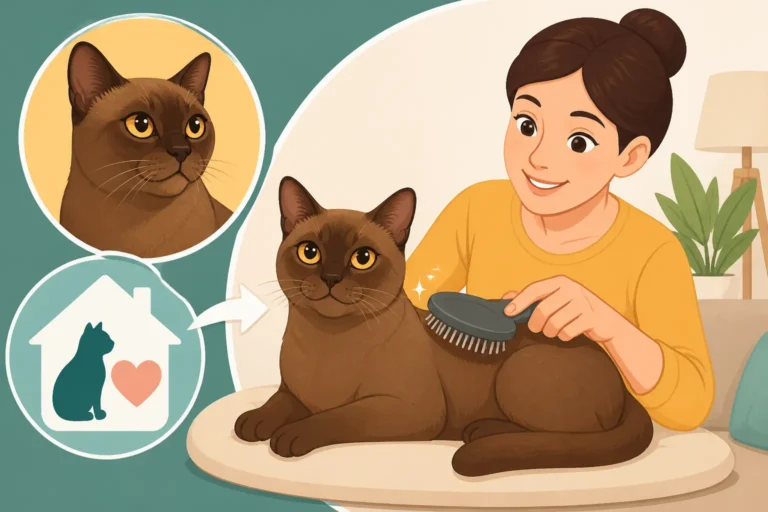
Free-feeding is an absolute no-go for an overweight Burmese. Not only does it make it impossible to track calorie intake, but it also allows your cat to graze constantly, which can exacerbate metabolic issues. Instead, implement a strict schedule of two to three measured meals per day. And when I say measured, I mean weighed on a kitchen scale. Scooping can be notoriously inaccurate, and even a slight overestimation can add significant calories over time. This is where "Why Portion Control Is Medical Care in a Burmese" truly comes into play.
A puzzle feeder can also be a wonderful tool for a Burmese, slowing down their eating and providing mental enrichment. Since Burmese are incredibly intelligent and food-motivated, a puzzle feeder can turn mealtime into a stimulating activity rather than a quick gobble. This structured approach helps regulate their metabolism and ensures they're getting exactly what they need without overdoing it. Remember, consistency is key; try to feed them at roughly the same times each day.
Regular Monitoring and Veterinary Consultations
Successful, safe weight loss isn't a "set it and forget it" process. It requires diligent monitoring and regular check-ups with your veterinarian. You should be weighing your Burmese at home weekly, using a baby scale or even your own scale (weigh yourself, then weigh yourself holding your cat, and subtract the difference). This helps you track progress and make small adjustments as needed. Understanding "How to Weigh a Burmese Accurately at Home" is a valuable skill for any Burmese owner.
Your vet will assess your cat's body condition score, adjust their diet plan as necessary, and ensure their overall health is stable. They can also provide guidance on safe exercise, which for a Burmese, might involve interactive play sessions rather than solitary toys, given their need for companionship. Don't hesitate to reach out to your vet if you notice any changes in your cat's behavior or appetite. This proactive approach is crucial, and having a good pet insurance plan, like those offered by Healthy Paws, can certainly help with the costs of these regular check-ups and any unexpected health concerns that might arise during a weight loss journey.
Recognizing the Signs of Trouble and Acting Fast
Even with the best intentions and a careful plan, unforeseen issues can crop up. Knowing the early warning signs of hepatic lipidosis is crucial for any cat owner, but especially for those with a Burmese on a weight management program. Your quick action could quite literally save their life.
Key Symptoms of Fatty Liver Disease
The signs of hepatic lipidosis can sometimes be subtle at first, but they progress rapidly. The most common initial symptom is anorexia – a refusal to eat or a significant decrease in appetite. This can be particularly alarming in a typically food-motivated Burmese. If your cat hasn't eaten for more than 24-36 hours, especially if they are overweight, it's a red flag.
Other symptoms to watch for include:
- Lethargy and Weakness: Your usually energetic Burmese might become unusually quiet, withdrawn, and less interested in play or interaction. Remember, "Why a Burmese Hides Illness Behind Its Affection" means you need to be extra vigilant for subtle changes.
- Vomiting and Diarrhea: These digestive upsets can indicate a wider systemic problem.
- Jaundice (Yellowing): This is a hallmark sign, often seen in the whites of the eyes, gums, or skin (though harder to see under fur). It indicates the liver is no longer effectively processing bilirubin.
- Excessive Drooling: This can be a sign of nausea or liver distress.
- Weight Loss (Paradoxical): While the goal is weight loss, if it's too rapid or accompanied by the other symptoms, it's a sign of a severe underlying problem, not healthy progress.
- Changes in Water Intake: Increased thirst and urination can be a sign of many issues, including diabetes, but also liver distress. "Why a Burmese's Water Intake Is a Diabetes Warning" also applies here, as metabolic issues often intertwine.
If you observe any combination of these symptoms, particularly a refusal to eat, do not delay.
The Urgency of Veterinary Care
Hepatic lipidosis is an emergency. It is absolutely not a condition you can "wait and see" with. If you suspect your Burmese might be developing fatty liver disease, contact your veterinarian immediately. They will perform a thorough examination, blood tests (including liver enzymes and bilirubin), and potentially an ultrasound to confirm the diagnosis.
Treatment typically involves aggressive nutritional support, often through a feeding tube (nasogastric or esophagostomy tube) to ensure the cat receives adequate calories and nutrients without further stressing the liver. This can be a scary prospect for any owner, but it's often the most effective way to reverse the damage. Medications to support liver function, anti-nausea drugs, and fluid therapy will also be part of the treatment plan. The prognosis is good if treated early and aggressively, but delayed intervention significantly reduces the chances of recovery. This is another area where investing in good pet insurance, like a policy from Healthy Paws, can provide immense peace of mind, allowing you to focus on your cat's recovery without the added stress of overwhelming vet bills.
It's a tough lesson to learn that sometimes trying to do too much, too fast, can backfire so dramatically. But armed with this knowledge, you can ensure your Burmese maintains a healthy weight safely, enjoying a long, vibrant life by your side. Remember, slow and steady wins the race when it comes to feline weight loss.
| Feature | Safe Weight Loss Approach | Rapid Weight Loss Approach (Risky) |
|---|---|---|
| Pace | Gradual (0.5-2% body weight/month) | Sudden, drastic reduction |
| Diet Type | High-protein, low-carb wet food | Any food type, simply less of it |
| Feeding Method | Weighed portions, scheduled meals (2-3 times/day) | Free-feeding, severe restriction |
| Monitoring | Weekly home weighing, regular vet check-ups | Infrequent, inconsistent checks |
| Risk of Fatty Liver | Very Low | High |
| Metabolic Health | Supported, balanced | Stressed, destabilized |
| Sustainability | Long-term, maintainable | Short-term, often leads to rebound weight gain |
Disclaimer
The information provided in this article is for general informational purposes only and is not intended as a substitute for professional veterinary advice, diagnosis, or treatment. Always seek the advice of your veterinarian or other qualified animal health provider with any questions you may have regarding a medical condition or treatment for your pet.