Why a Deshedding Tool Is Pointless on a Burmese
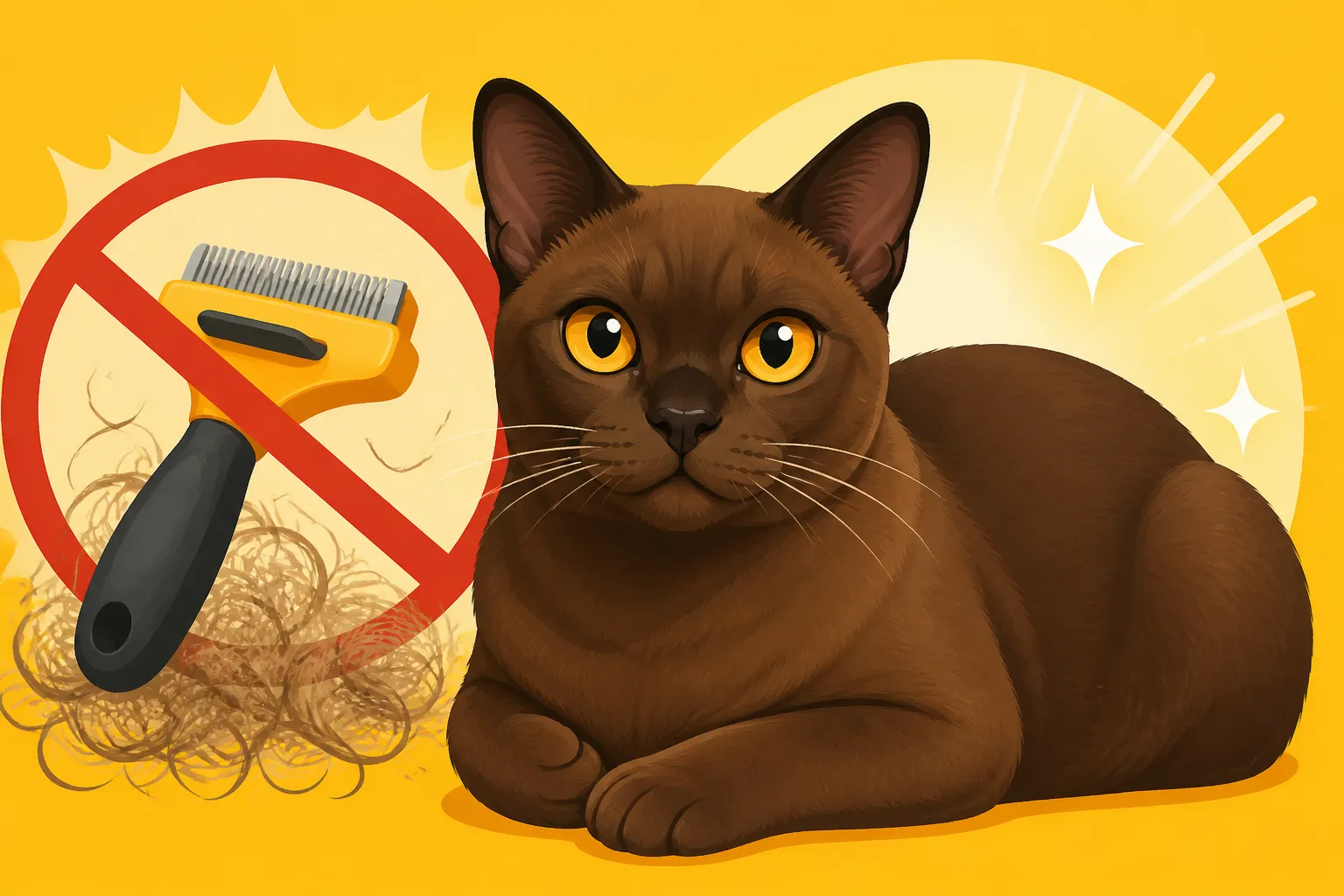
It’s a common frustration, isn't it? You love your Burmese cat's sleek, stunning coat, but you’ve been told all cats shed, so you might naturally reach for one of those popular deshedding tools. However, many Burmese owners discover quickly that these tools don't seem to work, or worse, they irritate their beloved feline. This guide is here to explain exactly why those heavy-duty deshedding tools are entirely pointless for your Burmese and what you should be doing instead to keep that gorgeous coat in tip-top condition.
Understanding the Burmese Coat: A Unique Structure
The Burmese cat is renowned for its incredibly short, fine, and luxuriant coat. It's truly one of the breed's most striking features, often described as feeling like warm satin against your skin. But this distinctive texture isn't just about feel; it comes from a unique follicular structure that sets the Burmese apart from many other popular cat breeds. Understanding this structure is key to realizing why conventional grooming tools often miss the mark.
The Satin-Like Texture and Minimal Undercoat
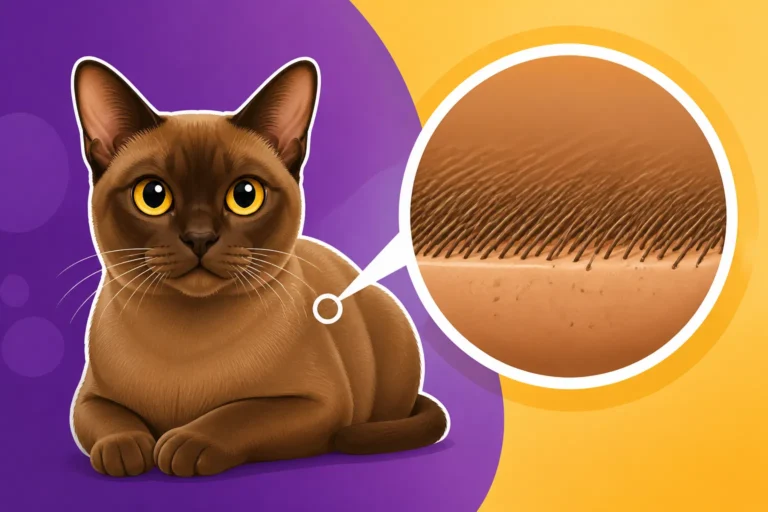
What gives the Burmese coat its signature satin feel? It's largely due to the fact that they possess a single coat, meaning they have little to no undercoat. Unlike many breeds that boast a dense, fluffy layer beneath their guard hairs, the Burmese coat lies incredibly close to the body, making it exceptionally sleek and low-profile. This lack of a thick, insulating underlayer is what contributes to its lustrous sheen and explains Why a Burmese's Coat Feels Like Satin. Each hair is fine, yet strong, and they grow uniformly, creating that smooth, polished appearance. Because there's no fuzzy, secondary layer to catch and hold loose hair, any shedding that does occur tends to be minimal and much less noticeable than with a double-coated cat.
This unique single-coat characteristic is also why you'll find that your Burmese doesn't leave huge clumps of fur around the house, even during seasonal changes. While all cats shed to some degree, the volume and visibility of shedding from a Burmese are significantly less. They're just not built for it! Their body temperature regulation is also slightly different because of this, which we'll touch on later, but for now, just know that their coat is designed for sleekness, not insulation through density.
How the Burmese Coat Differs from Double-Coated Breeds
To truly appreciate why a deshedding tool is pointless for a Burmese, it helps to understand what those tools are actually designed for. Think about breeds like Maine Coons, Ragdolls, or even many domestic shorthairs. These cats often have what’s called a double coat, consisting of two distinct layers: a soft, downy undercoat for insulation and warmth, and a longer, coarser outer layer of guard hairs that provides protection and gives the coat its color and pattern. It’s this dense undercoat that sheds profusely, especially during seasonal changes, forming mats if not regularly groomed.
A deshedding tool, like those widely advertised, is specifically engineered to reach through the outer guard hairs to pull out the loose, dead undercoat. It has fine, closely spaced teeth that penetrate the top layer to grab the shedding fluff beneath. For a Burmese, this underlying fluff simply isn't there in any significant quantity. Trying to use such a tool on a Burmese would be like trying to rake leaves off a freshly mown lawn – there’s nothing substantial for the tool to grab onto, and you risk doing more harm than good. Their coat is remarkably different from, say, a Siberian cat’s, which relies on a thick undercoat for warmth in harsh climates.
Here’s a quick comparison to illustrate the differences:
| Feature | Burmese Coat | Double-Coated Breed Coat |
|---|---|---|
| Layers | Single coat, minimal to no undercoat | Two distinct layers: undercoat & guard hairs |
| Texture | Satin-like, very fine, lies flat | Soft and fluffy (undercoat), coarser (guard hairs) |
| Shedding Volume | Minimal, fine, less noticeable | Moderate to heavy, especially seasonally, often visible in clumps |
| Insulation | Less effective against cold due to single layer | Highly effective for warmth and protection |
| Grooming Need (Loose Hair) | Primarily surface wiping to maintain shine | Deep combing/brushing to remove dead undercoat |
Why Deshedding Tools Miss the Mark for Burmese Cats
It's a common misconception that all cats benefit from the same grooming approach. When you see a sleek, short-haired Burmese, you might think a deshedding tool would be perfect to keep it even sleeker. However, this line of thinking doesn't account for the fundamental difference in coat structure that we just discussed. Using a deshedding tool on a Burmese isn't just ineffective; it can be actively detrimental to their skin and coat health.
What Deshedding Tools Are Designed For
Let's dive a little deeper into the mechanics of popular deshedding tools. Their primary function is to remove loose, dead hair from the undercoat layer of a double-coated animal. The blade-like teeth are designed to "hook" onto these fine, fluffy underhairs and pull them out before they can mat or become airborne in your home. These tools are incredibly effective for breeds like Golden Retrievers, German Shepherds, or indeed, the aforementioned Maine Coons, whose shedding undercoat can be a real handful. Without the undercoat, these tools wouldn't have much to do other than scrape across the skin.
The design of a deshedding tool, with its tightly packed, often sharp, comb-like teeth, is intended to penetrate dense fur. When applied to a single-coated breed like the Burmese, where there's no thick undercoat to act as a buffer, these teeth come into direct contact with the skin far too easily. This can lead to a host of problems, from simple irritation to more serious skin conditions, making it a truly pointless and potentially harmful exercise for your little "brick wrapped in silk."
The Practicality (or Lack Thereof) for a Single-Coated Cat
Imagine trying to use a robust gardening rake to sweep up dust on a polished floor. It just doesn't make sense, right? That's essentially what you're doing when you use a deshedding tool on a Burmese. Their skin is relatively delicate, and their coat, while resilient, doesn't offer the protective cushioning that a dense undercoat provides. Forcing a deshedding tool over their body can cause friction burns, micro-abrasions, or simply pull out healthy guard hairs unnecessarily, leading to patchiness or thinning of the coat. How Little a Satin Coated Burmese Sheds is a testament to the fact that they simply don't have the kind of shedding problem these tools are built to solve.
Not only can it hurt them, but it’s also frustrating for you, the owner. You’ll find very little hair coming off, leading you to believe you're doing something wrong or that the tool isn't working. In reality, the tool is doing exactly what it's designed to do – remove undercoat – it’s just that your Burmese doesn’t have one! So, rather than achieving a "deshedded" effect, you're likely just irritating your cat and risking damage to its beautiful, natural coat. It's truly a case of the wrong tool for the job.
The Right Way to Maintain a Burmese's Coat
Given that deshedding tools are a no-go, you might be wondering how you should be caring for that gorgeous Burmese coat. Good news! It's actually incredibly simple and requires very little specialized equipment. The key is to work with their natural coat structure, not against it, focusing on gentle care that enhances their natural shine and deepens your bond.
Embracing the Simple Chamois or Grooming Glove
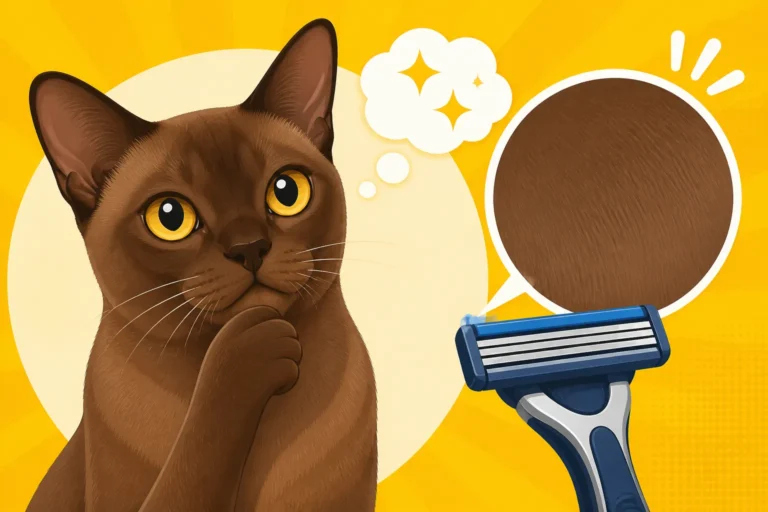
For a Burmese, the goal of grooming isn't about removing vast quantities of dead hair; it's about maintaining that exquisite satin shine and stimulating their skin. Forget the heavy brushes and rakes. What you need is something soft, pliable, and gentle. A chamois cloth – yes, the kind you might use for detailing your car – is an absolute game-changer. Simply dampen it slightly and wipe it over your Burmese's coat. You'll be amazed at how it picks up any loose surface hairs and polishes the coat to a brilliant sheen. This is the secret to How to Bring Up the Shine on a Burmese's Coat.
Another excellent option is a soft grooming glove, often with rubber nubs. These gloves fit over your hand, allowing you to "pet" your cat while simultaneously picking up any stray hairs and massaging their skin. Many cats absolutely adore the feel of these gloves, turning grooming into a pleasurable bonding experience rather than a chore. You can find excellent quality chamois cloths or grooming gloves readily available on platforms like Amazon or Chewy, making it easy to equip yourself with the right tools.
Daily Routines for Shine and Bonding
Grooming a Burmese shouldn't be an intense, scheduled affair; it should be a regular, gentle ritual that strengthens the connection between you and your cat. A few minutes each day, or even every other day, is usually sufficient. This regular, light grooming session does more than just keep their coat shiny; it helps distribute natural skin oils, keeping their skin healthy and preventing any dry flakes. It's also an excellent opportunity to perform a quick "health check" – feeling for any lumps, bumps, or tender spots on their body.
Consider setting aside a quiet time of day when your Burmese is naturally relaxed, perhaps when they're settled on your lap. Use soft, stroking motions with your chamois or grooming glove, moving in the direction of hair growth. Most Burmese cats, being the affectionate creatures they are, will absolutely revel in this attention, purring contentedly and leaning into your touch. It’s an easy, low-stress way to ensure their coat stays immaculate while enjoying quality time together. And truly, How Many Minutes a Month a Burmese's Coat Takes is surprisingly low, making it a very low-maintenance breed in the grooming department.
Beyond Grooming: The Role of Nutrition in Coat Health
While hands-on grooming is important, what goes into your Burmese also plays a massive role in the health and appearance of their coat. A dull, dry, or excessively shedding coat can sometimes be an indicator of dietary deficiencies or other health issues. Ensuring your Burmese receives optimal nutrition is a foundational step in maintaining that enviable satin shine.
High-Quality Diet for a Glossy Finish
A healthy coat truly starts from within. Just like with humans, a cat's skin and fur are often the first visible indicators of their overall health and nutritional status. For a Burmese, a high-quality, protein-rich diet that is appropriate for felines is paramount. Look for foods where meat is the first ingredient, and avoid excessive fillers, artificial colors, or by-products. Optimal nutrition provides the essential fatty acids, vitamins, and minerals necessary for healthy skin and a lustrous coat.
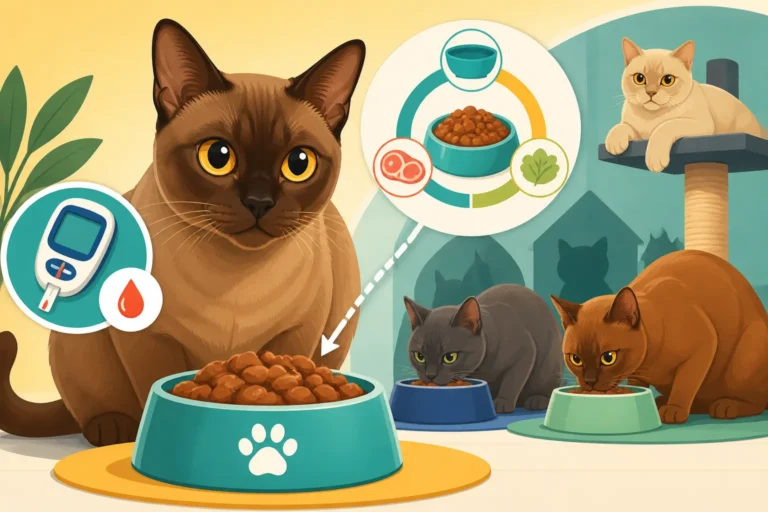
Many owners find that feeding a wet food diet, particularly one that is low in carbohydrates, works wonders for their Burmese's general health and coat quality. You can explore thoughtfully formulated options among the many high-quality wet foods available. Adequate hydration, often better achieved through wet food, also contributes significantly to skin elasticity and coat sheen. Remember, Why Wet Food Beats Kibble for a Burmese isn't just about weight management; it's about comprehensive health benefits, including a gleaming coat.
Addressing Underlying Issues Affecting Coat Quality
If, despite proper grooming with appropriate tools and a high-quality diet, your Burmese's coat seems dull, excessively sheds (for a Burmese!), or shows signs of flakiness or irritation, it’s always wise to consult your veterinarian. Sometimes, an unhealthy coat can be a symptom of an underlying medical condition, such as allergies, parasites, or even hormonal imbalances. Conditions like diabetes can also impact skin and coat health, and Burmese are unfortunately prone to it, so monitoring their overall well-being is crucial.
Your vet can help diagnose any potential health issues and recommend specific dietary changes or supplements, if necessary. For instance, sometimes omega-3 fatty acid supplements can further enhance coat health, but these should always be given under veterinary guidance. Keeping an eye on their weight and ensuring they are a healthy body condition also supports overall vitality, which, in turn, reflects in the vibrancy of their coat. Regular vet checks are an important part of Caring for a Burmese Past Twelve and throughout their life, ensuring they remain healthy from nose to tail.
Disclaimer
This article is for general informational purposes only and does not constitute professional advice. Laws, prices and regulations vary by location and change over time. Consult a qualified professional for guidance on your specific situation.