How Far Into a Burmese’s Ear Is Safe to Clean
It can be surprisingly nerve-wracking to tackle something as seemingly simple as cleaning your beloved Burmese's ears. You know how delicate they are, and the last thing any loving cat parent wants is to cause discomfort or, worse, accidental injury. This guide is here to walk you through exactly how far you can safely go when cleaning your Burmese's ears, giving you the confidence to maintain their health without fear.
Understanding Your Burmese's Ear Anatomy for Safe Cleaning
Before you even think about picking up an ear cleaner, it's really helpful to visualize what's inside your Burmese's ear. Unlike our relatively straight ear canals, a cat's ear canal takes a sharp turn, like an L-shaped pipe. Knowing this fundamental difference is the absolute key to understanding why we clean cat ears differently and what areas are off-limits for anything other than a veterinary professional.
The Visible Outer Ear: Pinna and Ear Flap
The outermost part of your Burmese's ear, what you affectionately scratch behind, is called the pinna, or the ear flap. This is the part that swivels to catch every whisper of a treat bag crinkle or a cupboard opening. It's also the easiest part to inspect and gently clean.
This outer area is usually quite resilient, but it can still show signs of irritation or buildup. You'll typically find any dust, stray hairs, or superficial dirt here. Gently stroking and feeling this area regularly not only helps you bond with your cat but also allows you to notice any changes, like swelling or sensitivity, very early on.
For a healthy Burmese, the pinna should be clean, pale pink, and free of any strong odors. This is the "safe zone" for your fingers and cotton balls, allowing you to wipe away anything visible without fear. If you're incorporating regular grooming sessions, like when you're wiping their eyes or giving their satin coat a polish, a quick check of the outer ear can easily become part of that routine.
The External Ear Canal: The "L" Shape
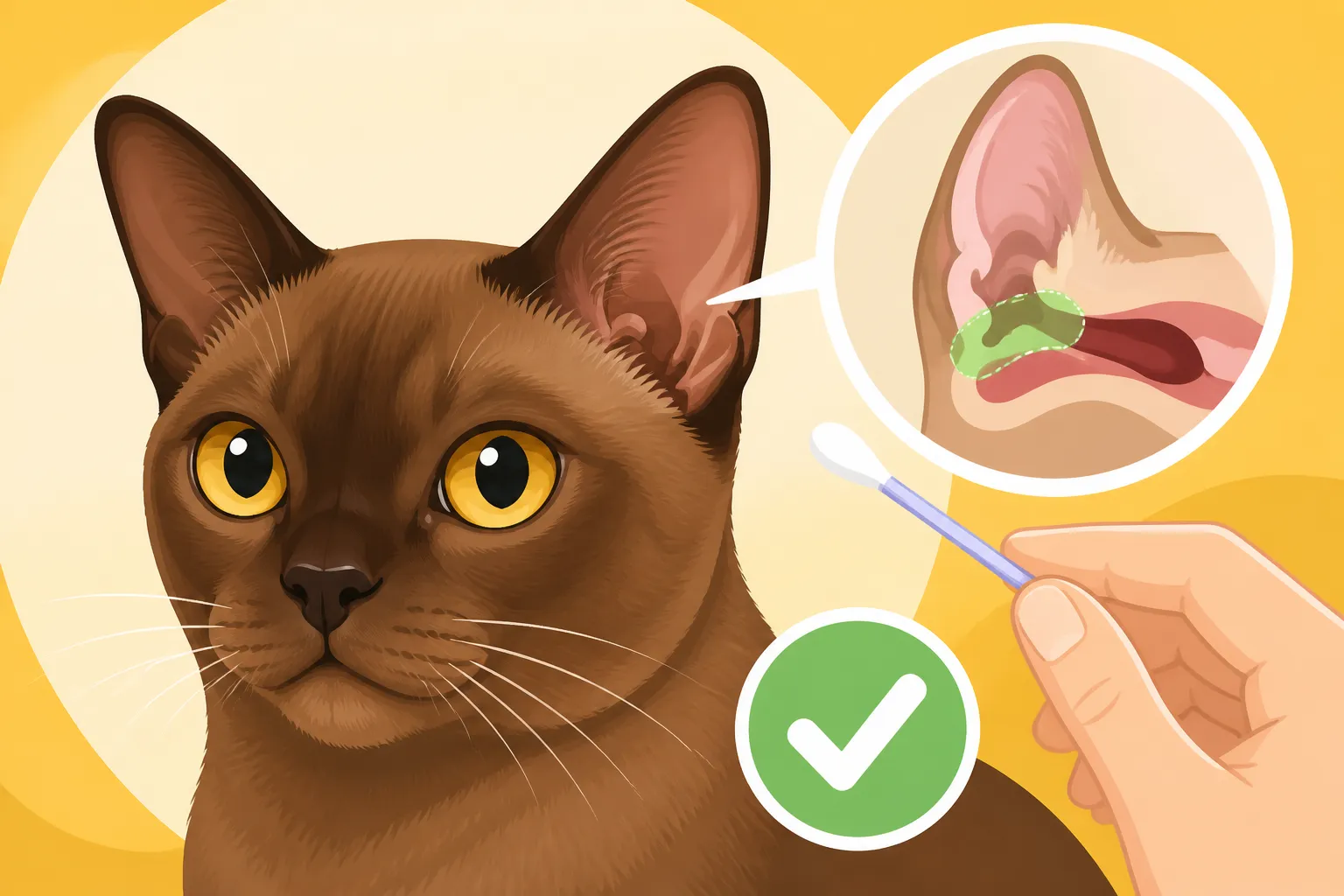
Now, let's dive a little deeper, but still staying safely in the realm of what you can clean. Just inside the opening of the ear, there's a vertical canal that then makes an almost 90-degree turn to become a horizontal canal, leading towards the eardrum. This L-shape is incredibly important to remember because it's precisely why you should never, ever insert anything stiff or pointed directly into your cat's ear.
This bent structure means that debris and wax can easily get trapped in that corner or along the walls of the canal. Nature designed it this way, to some extent, to protect the delicate inner structures, but it also means that sometimes a little help is needed to dislodge that buildup. It's the primary reason we use liquid ear cleaners, which can flow around that bend, rather than mechanical tools.
When cleaning, your goal is to help loosen and flush out anything in this external canal, allowing your cat to shake it out. You're not trying to scrub the walls of the canal directly. The liquid cleaner does the work, and your gentle massage helps distribute it. Anything beyond where your finger can comfortably and safely reach into the vertical part of the canal should be considered off-limits.
The Eardrum and Inner Ear: Off-Limits Territory
Beyond that horizontal ear canal lies the eardrum, a thin, delicate membrane that vibrates with sound. This eardrum acts as the protective barrier to the middle and inner ear, which house incredibly intricate structures responsible for hearing and balance. It should be absolutely clear: you should never attempt to go anywhere near your Burmese's eardrum with a cleaning tool.
Inserting a cotton swab, Q-tip, or any other implement too far into the ear can easily rupture the eardrum. This is not only incredibly painful for your cat but can also lead to severe infections, hearing loss, and long-term balance problems. The damage can be permanent and debilitating, turning a simple cleaning task into a serious medical emergency.
The middle and inner ear are a vet's domain, purely. If there's a problem beyond the external canal that can't be resolved with a surface cleaning, it requires specialized tools like an otoscope and professional expertise to diagnose and treat. Trust your vet to handle this delicate area, and never take the risk yourself. For more insights into how a vet approaches diagnosing delicate issues, you might find How a Vet Distinguishes Burmese Hypokalemia From Injury interesting, even though it's a different topic, it highlights the precision of veterinary diagnostics.
Recognizing When Your Burmese Needs an Ear Cleaning
Knowing how to clean is one thing, but knowing when to clean is just as important. Over-cleaning can cause irritation, but neglecting ear hygiene can lead to painful infections. Your Burmese will usually give you subtle clues when their ears are bothering them, and it's up to us, their devoted companions, to pay close attention.
Normal Ear Appearance vs. Signs of Trouble
A healthy Burmese ear, whether it's the sleek outer flap or the peek you get into the canal, should be a lovely, consistent pale pink color. There might be a very small amount of light brown or reddish-brown waxy residue, which is totally normal and part of the ear's self-cleaning mechanism. It shouldn't smell like anything other than a healthy cat.
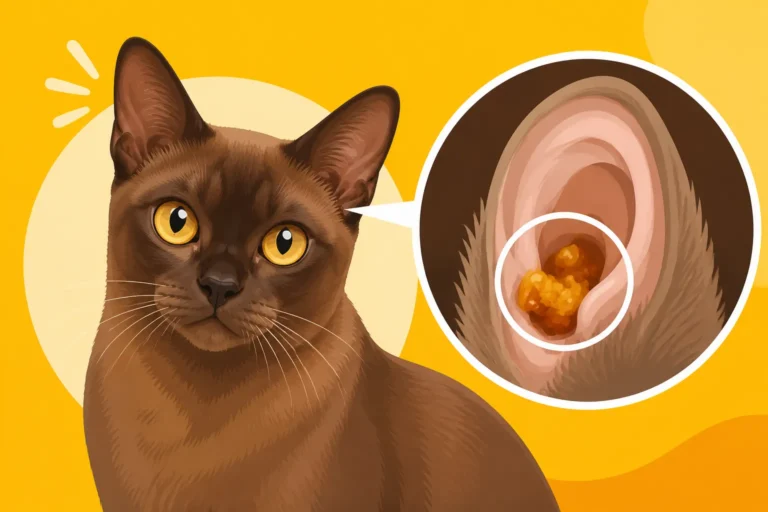
However, if you start noticing a darker brown or black discharge, a yellowish or green pus, or an unusual amount of wax, that's a red flag. A strong, unpleasant odor, often yeasty or sweet-smelling, is another clear indicator something is amiss. Redness, swelling, or visible crusting on the inside of the ear flap are also signs that it's time for more than just a routine wipe. You might want to refer to What a Burmese's Ear Wax Should Look Like for a more detailed visual guide.
It's crucial to distinguish between normal, healthy ear wax and the signs of infection. Normal wax is usually dryish and sparse, while problematic discharge is often wet, sticky, or abundant. These differences are subtle but important for guiding your next steps.
Behaviors Indicating Ear Discomfort
Our Burmese cats are masters of stoicism, often hiding illness until it's quite advanced. However, ear discomfort can be hard to ignore even for them. You might notice them shaking their head frequently, sometimes quite vigorously, as if trying to dislodge something. Persistent pawing or scratching at their ears, or rubbing their head against furniture or your legs, are strong indications of irritation.
Another sign can be increased sensitivity around their head. If your usually affectionate Burmese flinches, pulls away, or even hisses when you try to pet their head or scratch behind their ears, that's a clear signal of pain or discomfort. They might also carry their head tilted or seem a bit disoriented.
While some of these behaviors might simply indicate a mild itch that a quick, safe cleaning can relieve, any persistent or severe signs, especially accompanied by discharge or odor, warrant a vet visit. Don't delay, as ear infections can progress rapidly and become much harder to treat. Remember, Why a Burmese Hides Illness Behind Its Affection means you need to be extra vigilant for these subtle cues.
Common Ear Issues in Burmese Cats
While Burmese cats are not specifically prone to certain ear diseases more than other breeds, they can still fall victim to common feline ear problems. Ear mites, tiny parasites that cause intense itching and produce a dark, crumbly discharge resembling coffee grounds, are a frequent culprit, especially in younger cats or those with outdoor access.
Bacterial and yeast infections are also common, often secondary to allergies or excessive moisture. These can cause redness, swelling, discharge, and a foul odor. Cats with food or environmental allergies might experience recurrent ear infections as one of their primary symptoms, making holistic care, including diet, very important.
In some cases, foreign bodies like grass seeds can get lodged in the ear canal, causing acute discomfort. Polyps or tumors, though less common, can also manifest as chronic ear issues. Because these conditions often require specific medical treatments, and some, like a ruptured eardrum, need professional care, it’s always best to get a veterinary diagnosis if you suspect anything more than simple wax buildup.
The Step-by-Step Guide to Safely Cleaning Your Burmese's Ears
Now that you understand the anatomy and know what to look for, let's get down to the practical steps of cleaning your Burmese's ears safely. Remember, gentleness and a calm demeanor on your part will make all the difference for your cat.
Gathering Your Tools for a Stress-Free Session
Preparation is key to a smooth experience. First and foremost, you'll need a good quality, veterinary-approved ear cleaner. Your vet can recommend one that's gentle and effective. Avoid using harsh chemicals, alcohol, or hydrogen peroxide, as these can irritate your cat's delicate ear tissues. Many reputable brands can be found on platforms like Chewy or Amazon.
Next, gather some soft cotton balls or gauze squares. I cannot stress this enough: do not use cotton-tipped swabs (Q-tips) to clean inside your cat's ear canal. Q-tips can push debris further down, compact wax, and, most dangerously, rupture the eardrum. Save them for cleaning only the visible folds of the outer ear if absolutely necessary.
Finally, have a towel ready to wrap your Burmese if they're a bit squirmy (though many Burmese are incredibly cooperative, especially for attention!). High-value treats are a must for positive reinforcement, and choosing a quiet, calm spot in your home will help reduce stress. If you've been working on getting your kitten used to handling their teeth, similar principles apply here; you can learn more in Getting a Toothbrush Into a Burmese Kitten's Routine.
The Gentle Cleaning Technique: What to Do and What to Avoid
Alright, with your tools ready and your Burmese nestled comfortably in your lap or gently wrapped in a towel, it’s time to clean. First, gently hold their ear flap upright to expose the ear canal opening. If you can see a lot of gunk on the very visible part, wipe it away with a dry cotton ball first.
Next, take your ear cleaner. Following the instructions on the bottle (which usually involves filling the ear canal), carefully squirt the solution into the ear canal until it's full. Don't worry, you can't overfill it, as it will simply spill out. The liquid needs to reach deep into that L-shaped canal to do its job.
Once the cleaner is in, gently massage the base of your Burmese's ear for about 20-30 seconds. You should hear a squishy sound as the liquid moves around, loosening wax and debris. This massaging action is crucial. After massaging, allow your cat to shake their head. This is totally normal and helps dislodge and bring the loosened gunk to the surface. Finally, use a fresh cotton ball or gauze to wipe away all the visible solution and debris from the outer ear and the opening of the canal. Only go as far as your finger can comfortably and safely reach into the vertical canal. Repeat with fresh cotton balls until no more debris comes out. If you're managing a diabetic Burmese, you're already familiar with the need for precise handling during injections, and similar calm techniques can be applied here; insights from How to Handle a Burmese for Insulin Injections could be helpful.
Post-Cleaning Care and When to Consult the Vet
Once you've finished, reward your Burmese lavishly with praise, petting, and those high-value treats. You want them to associate ear cleaning with positive experiences, making future sessions easier. Offer them a quiet space to relax and ensure they're comfortable.
Keep an eye on their ears for the next day or two. A little residual head shaking might occur as they continue to dislodge any leftover solution or softened wax, but this should subside quickly. You're looking for signs that the situation has improved: less scratching, no more odor, and a cleaner-looking ear canal.
If, after cleaning, your Burmese's ear still appears red, swollen, or painful, if the discharge persists or worsens, or if they continue to show signs of discomfort, it's definitely time to call your veterinarian. It’s better to be safe than sorry, as these could be indications of an underlying infection or another problem that requires professional diagnosis and treatment. Prompt veterinary attention can prevent minor issues from becoming serious health concerns.
Preventing Future Ear Problems and Maintaining Ear Health
Regular, proactive care can go a long way in keeping your Burmese's ears healthy and minimizing the need for intensive cleaning or veterinary intervention. It's all about integrating ear health into your broader wellness routine.
Regular Ear Checks as Part of a Routine
One of the easiest and most effective ways to prevent serious ear problems is to incorporate quick, visual ear checks into your daily or weekly interactions with your Burmese. When you're petting them, cuddling on the sofa, or even giving them a quick brush, take a moment to gently lift their ear flap and glance inside.
This doesn't need to be a full-blown examination, just a casual look for any immediate red flags like excessive wax, redness, or a strong smell. Early detection is a superpower in pet care; catching a minor issue like a bit of extra wax before it turns into an infection can save both you and your cat a lot of trouble. Over time, these brief checks become second nature to you and a non-event for your cat, especially if they are accustomed to frequent handling from a young age. This kind of consistent, gentle interaction is also important for other aspects of their health, such as understanding Why a Burmese's Weight Should Be Recorded Monthly.
Environmental Factors and Allergy Management
Beyond direct ear cleaning, considering your Burmese's overall environment and health can play a significant role in ear health. A clean home environment can reduce dust and allergens that might irritate sensitive cats, potentially leading to ear issues. If your Burmese spends any time outdoors, checking for grass seeds or other foreign bodies after their adventures is a good habit.
Diet also plays a crucial role. For cats prone to allergies that manifest in ear problems, a high-quality, species-appropriate diet can make a huge difference. Low-carbohydrate, high-protein wet foods are often recommended for Burmese cats due to their predisposition to diabetes, but a balanced diet also supports a strong immune system, which can help ward off infections. Many excellent food choices are available, but always consult your vet for specific dietary recommendations. Remember, Feeding a Burmese Is a Medical Decision, Not a Preference for many aspects of Burmese health.
The Importance of Professional Veterinary Exams
Even with the best home care, nothing replaces the expertise of your veterinarian. Regular check-ups are essential for your Burmese's overall health, and a thorough ear examination is always part of that. Your vet can look deeper into the ear canal using an otoscope, checking the eardrum and identifying any issues you might miss.
If your cat has a history of ear problems, your vet might recommend more frequent checks or specific preventative measures. They can also perform diagnostic tests, such as cytology (examining a swab of ear discharge under a microscope), to identify the exact type of infection (bacterial, yeast, or mites) and prescribe the most effective treatment. This is particularly important because giving the wrong medication for an ear issue can sometimes worsen the problem or delay proper healing. For comprehensive health, these routine visits are paramount; you can read more about what these check-ups cover in How Often a Healthy Adult Burmese Needs Checking and What a Burmese Kitten's First Exam Should Cover.
| Feature | Healthy Burmese Ear | Problematic Burmese Ear |
|---|---|---|
| Color of Skin | Pale pink, uniform | Red, inflamed, swollen, sometimes crusty |
| Odor | Mild, neutral, barely noticeable | Strong, foul, yeasty, sweet, or pungent |
| Wax/Discharge | Minimal light brown/reddish-brown, dryish, not excessive | Dark brown/black (coffee grounds-like), yellow/green pus, wet, oily, excessive |
| Texture of Skin | Smooth, clean | Greasy, scaly, thickened |
| Behavior | No scratching, head shaking, or sensitivity to touch | Frequent head shaking, pawing at ear, rubbing head, pain when touched |
| Temperature | Normal body temperature | Warm to the touch, often indicative of inflammation |
Disclaimer
This article is for general informational purposes only and does not constitute professional advice. Laws, prices and regulations vary by location and change over time. Consult a qualified professional for guidance on your specific situation.