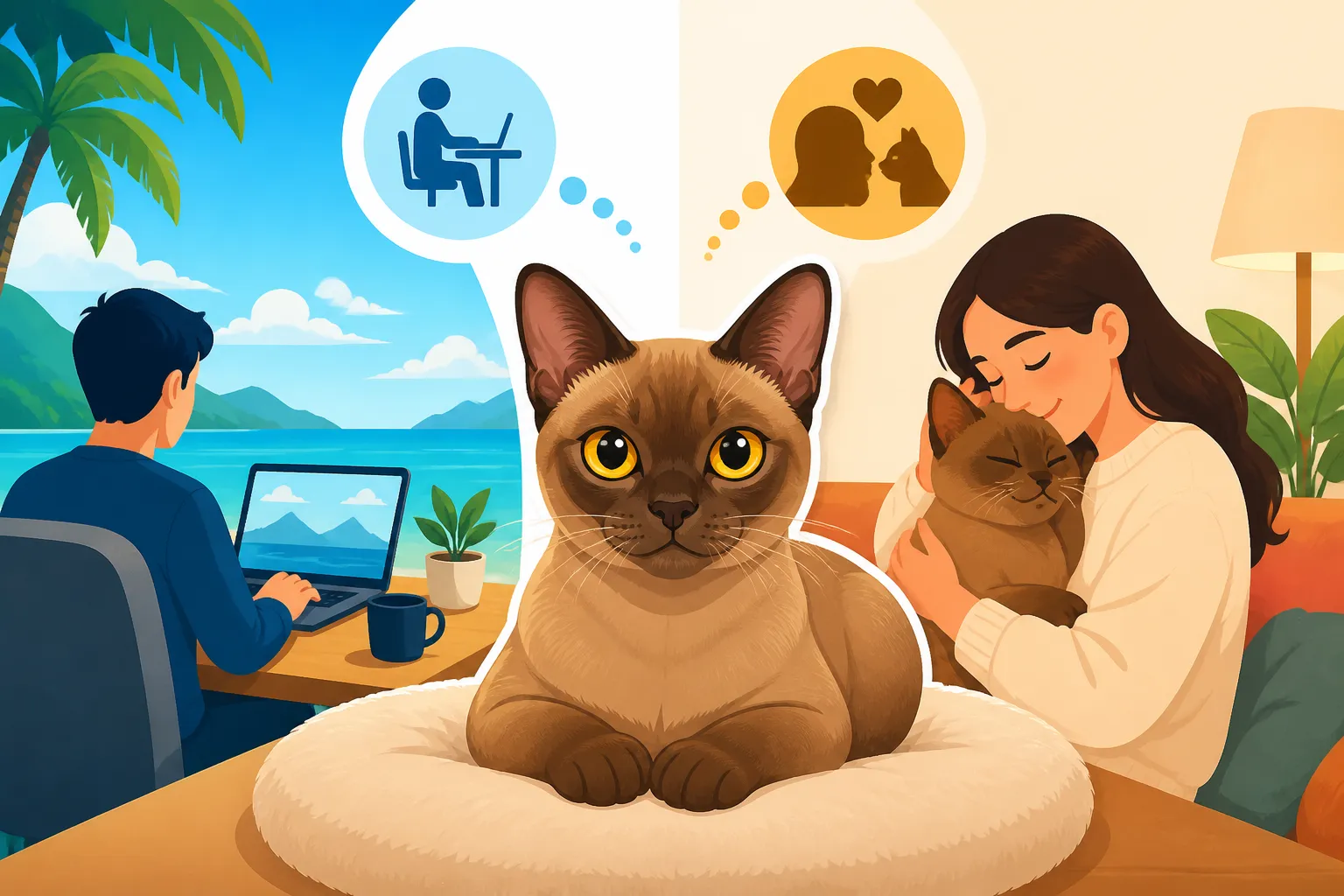
Whether Anyone Working Away Should Own One Burmese
It’s a common scenario: you’ve fallen head over heels for the charm and affectionate nature of the Burmese cat, but your heart sinks when you consider your demanding work schedule. Many of us grapple with the guilt and practical challenges of leaving a beloved pet home alone for extended periods. This comprehensive guide is here to shed light on whether a Burmese truly thrives as a solitary companion for someone working away from home, and what considerations you absolutely need to factor in.
The Heart of the Matter: Why a Burmese Hates Being Alone
The Burmese isn't just a friendly cat; they are a breed with an almost unparalleled need for constant companionship and interaction. It’s not simply about having food in the bowl or a clean litter box; it’s about deep, emotional connection that other breeds might not demand to the same degree.
The "Velcro Cat" Tendency in Action
Ask any Burmese owner, and they'll likely use the term "Velcro cat" without a second thought. This isn't just a cute nickname; it’s a fundamental description of their personality. A Burmese will follow you from room to room, perch on your shoulder while you cook, and insist on being under the covers with you at night. They want to be involved in whatever you're doing, whether it's reading the news, watching TV, or even working from home. They thrive on physical touch and verbal communication, often engaging in a distinctive, rasping rumble that's more a conversation than a mere meow. This intense attachment means that when their person isn't around, their world can feel incredibly empty. Owners often find themselves unable to leave a room without their Burmese trotting behind, a constant, loving shadow. This constant presence is part of their undeniable charm, but it also highlights just how deeply integrated they become into your daily life. The Burmese Is the Velcro Cat of the Cat Fancy speaks volumes about this characteristic.
Understanding Their Deep Need for Company
Unlike some more independent cat breeds that might tolerate long stretches of solitude with a nap or a bird-watching session, the Burmese cat's need for company is deeply ingrained in their history and genetics. They are known for their dog-like devotion and their ability to bond intensely with humans. This isn't a cat that just coexists with you; they actively participate in your life. This deep-seated desire for interaction goes beyond simple attention-seeking. It's about a consistent, reassuring presence. They enjoy being handled, cuddled, and talked to, and they often reciprocate with head-butts and purrs that could rival a small engine. For a Burmese, company is not a luxury; it’s a necessity for their emotional well-being. They really do not do well when left alone for long hours, day after day. Why a Burmese Cannot Be Left Alone All Day explains this in even greater detail.
The Unfortunate Realities of Extended Solitude
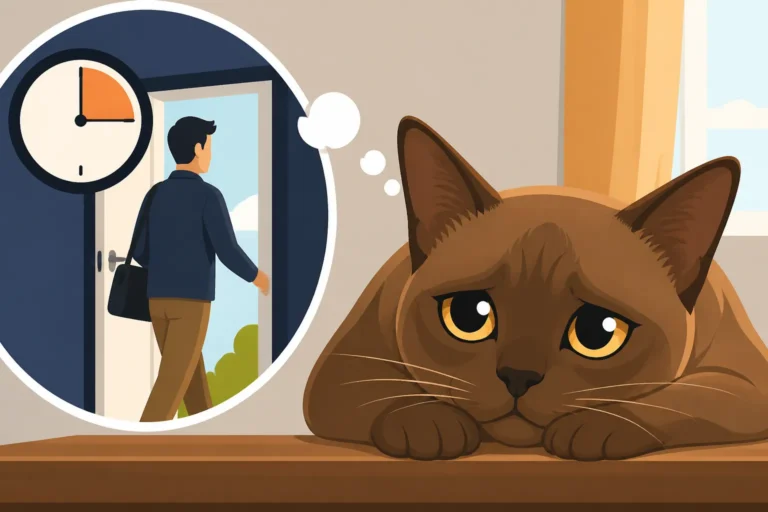
While we all wish our cats could just understand our work schedules, the reality is that long periods of absence can be detrimental to a Burmese cat's mental and physical health. Their affectionate nature makes them particularly vulnerable to loneliness and stress.
The Onset of Separation Anxiety
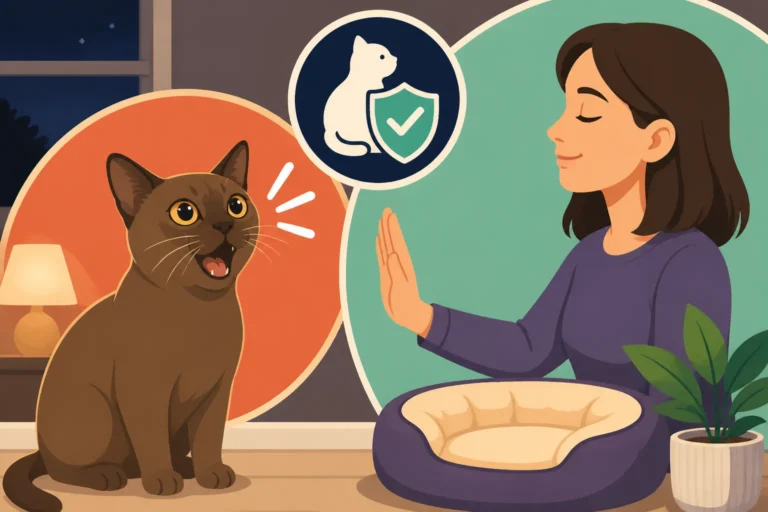
When a Burmese is left alone for too long, the charming "Velcro cat" tendencies can quickly morph into symptoms of genuine separation anxiety. This isn't just a cat being "naughty"; it's a sign of profound distress. You might come home to find objects chewed, furniture scratched more than usual, or even inappropriate urination outside the litter box. Some Burmese will even resort to self-harming behaviors, like excessive grooming or pulling out their own fur, leaving bald patches on their satin coats. This is a heartbreaking manifestation of their anxiety, a desperate attempt to cope with the stress of being truly alone. The frustration of walking into a damaged home can be immense for an owner, but it’s crucial to remember that these actions stem from distress, not malice. What Separation Anxiety Looks Like in a Burmese goes into further detail about these behaviors, and Why a Lonely Burmese Pulls Its Satin Coat Out covers the fur-pulling specifically.
Physical and Mental Health Impacts
The mental stress of prolonged solitude doesn't just manifest in behavioral issues; it can also take a significant toll on a Burmese's physical health. Chronic stress can weaken their immune system, making them more susceptible to illness. Anxious cats might refuse to eat or drink properly, leading to dehydration or weight loss, or conversely, they might overeat out of stress, potentially contributing to conditions like diabetes, which Burmese are already predisposed to. A lack of mental and physical stimulation can also lead to lethargy and depression, making them less playful and interactive even when you are home. Imagine a cat that was once vibrant and engaging, now spending its evenings withdrawn and quiet. Their appetite can drop, their energy can wane, and overall, their zest for life diminishes. This isn't just about making them happy; it’s about maintaining their fundamental health. Why a Burmese's Appetite Goes When It Is Unhappy is a clear indicator of this impact.
Strategies to Mitigate Loneliness for a Working Owner
While the ideal scenario for a Burmese might be a bustling household with constant human presence, that's not always realistic. However, there are proactive steps you can take to make solo hours more bearable and ensure your Burmese remains happy and healthy, even if you work away from home.
The Power of a Companion Animal
By far, the most effective strategy to combat loneliness in a Burmese is to get them a companion. A second cat can provide the constant interaction, play, and comfort that a single Burmese desperately craves. While another Burmese is often an ideal match due to their similar energy levels and social needs, a similarly affectionate and playful breed can also work wonders. They will chase each other, groom each other, and simply curl up together for naps, providing invaluable emotional support. Many reputable Burmese breeders actually prefer to sell their kittens in pairs for this very reason, understanding the breed's intrinsic need for company. It's not just a cute idea; it's a critical welfare consideration. Why Burmese Breeders Sell Them in Pairs is a testament to this widely accepted practice. If you’re concerned about the commitment of two cats, remember that Why Two Burmese Cost Less Than One Anxious One often rings true in terms of vet bills and property damage. Which Cats Are Sociable Enough for a Burmese can help you choose the right companion if another Burmese isn't an option.
Enriching the Environment for Solo Hours
Even with a companion, enriching your home environment can significantly improve your Burmese's quality of life when you're not there. Interactive toys that dispense treats or require problem-solving can keep their minds engaged. You can find a wide variety of these on platforms like Amazon, from automatic laser pointers to puzzle feeders. Cat trees, window perches, and safe outdoor enclosures (catios) can offer vertical space and opportunities for observation, breaking up the monotony of the day. Consider leaving a radio or TV on to provide some background noise, as complete silence can sometimes heighten feelings of isolation. Rotate toys regularly to keep things interesting and prevent boredom. A simple trick, too, is to hide small, approved treats around the house for them to "hunt" while you're away. Which Puzzle Feeder Slows a Greedy Burmese Down is a great article to consult for ideas on stimulating their minds through food.
The Role of Human Interaction Before and After Work
Even if your Burmese has a companion and an enriched environment, your direct human interaction is still paramount. Make a conscious effort to dedicate quality time to them before you leave for work and as soon as you return. This means 15-20 minutes of active play with a wand toy, followed by some dedicated cuddle and lap time. Consistency is key; establish a routine so they know when to expect your undivided attention. A short but intense play session in the morning can tire them out for a nap, making the initial hours of your absence easier. In the evening, prioritize their needs over your own immediate tasks. This sustained engagement reinforces your bond and helps alleviate any stress they might have accumulated during your absence. Remember, a tired cat is often a happy cat, and a cat that feels loved is a resilient one.
Considering Your Lifestyle and Long-Term Commitment
Ultimately, owning a Burmese when you work away from home requires a realistic assessment of your lifestyle, your ability to provide for their unique needs, and your willingness to commit to extra measures to ensure their well-being.
The Importance of a Reliable Cat Sitter or Pet Visitor
For longer workdays or if you travel frequently, relying solely on a companion cat and toys might not be enough. A reliable cat sitter or a trusted friend who can visit during the day becomes incredibly important. For a Burmese, a quick 15-minute pop-in might not cut it. They need someone to engage with them, play with them, and offer reassurance. Some Burmese owners even opt for sitters who can spend a longer block of time at the house, almost as a substitute for their own presence. This can be a significant added cost, but it's often essential for a Burmese's emotional health. Consider how often you'd need this service and budget accordingly. Why a Burmese Sitter Has to Come Twice a Day highlights the intensity of their needs, especially if you have to be away for more than just a standard workday.
Rehoming as a Last Resort: A Painful Reality
It's a difficult topic to discuss, but it's important to acknowledge that sometimes, despite best intentions, a single Burmese in a household with a consistently absent owner can lead to an unsustainable situation. The behavioral issues stemming from loneliness and anxiety can become overwhelming, and in unfortunate cases, owners feel they have no choice but to rehome their beloved pet. Many ethical Burmese breeders include clauses in their contracts that require the cat to be returned to them if the owner can no longer care for it, precisely to prevent these highly sensitive cats from ending up in shelters. Rescues specializing in Burmese cats often see surrendered animals whose only "fault" was an owner who couldn't meet their profound need for companionship. It's a painful reality, and one that underscores the importance of thorough consideration before bringing a Burmese home. Why a Burmese Left Alone All Day Ends Up Rehomed delves into this unfortunate outcome.
Single Burmese vs. Paired Burmese for Working Owners
To help you visualize the considerations, here’s a quick overview of what you might expect.
| Aspect | Single Burmese (Working Owner) | Paired Burmese (Working Owner) |
|---|---|---|
| Companionship | Relies solely on human interaction; prone to loneliness. | Cats provide constant companionship to each other. |
| Separation Anxiety | High risk of developing anxiety, destructive behaviors. | Reduced risk; cats comfort each other, but human bond still vital. |
| Mental Stimulation | Requires significant environmental enrichment (toys, feeders). | Mutual play provides inherent stimulation. |
| Physical Activity | Dependent on owner's play sessions. | Often play actively together, promoting exercise. |
| Vet & Health Costs | Potential for stress-related illnesses, higher vet bills. | Potentially healthier emotionally; still budget for two cats' care. |
| Damage to Property | Higher likelihood of destructive chewing, scratching, spraying. | Lower likelihood as anxiety is reduced. |
| Travel/Boarding | Highly stressed if boarded alone; needs dedicated sitter. | Better adapts to boarding or sitters as they have each other. |
| Overall Happiness | Challenging to maintain high happiness levels without consistent presence. | Generally higher happiness and contentment, but still need human love. |
This table clearly illustrates that while owning a single Burmese as a working owner is possible, it comes with significant challenges and a higher risk of behavioral and health issues for the cat. Opting for a pair significantly mitigates many of these risks, creating a happier, more balanced home environment for your beloved pets.
In conclusion, while the desire to share your life with a Burmese is completely understandable – they are truly wonderful creatures – it's crucial to acknowledge their profound social needs. If you work away from home, owning a single Burmese demands an extraordinary commitment to mitigating loneliness, whether through comprehensive environmental enrichment, frequent dedicated human interaction, or, most effectively, by providing them with a feline companion. This isn't just about convenience; it's about ensuring a full, happy, and healthy life for a cat that thrives on connection more than almost any other.
Disclaimer
This article is for general informational purposes only and does not constitute professional advice. Laws, prices and regulations vary by location and change over time. Consult a qualified professional for guidance on your specific situation.